Wichita Art Museum announces major new acquisitions
In the past year the museum has acquired works by historical and contemporary artists including Grandma Moses, Elizabeth Catlett, Rashid Johnson and Nick Cave
Over the past year, the Wichita Art Museum has added 28 new works to its permanent collection of American art, museum leaders shared in an interview with The SHOUT.
The acquisitions include significant works by self-taught artists Anna Mary Robertson (Grandma) Moses and Clementine Hunter, Harlem Renaissance artist Elizabeth Catlett, and contemporary superstars Rashid Johnson and Nick Cave.
“We have a Nick Cave and a Rashid Johnson in Wichita, Kansas — are you kidding me?” said curator Tera Hedrick. “Brace yourself, everyone.” She and WAM Director and CEO Molly McFerson shared their obvious enthusiasm for the additions in a joint interview.
Many of the new works will be on view in the exhibition “Past & Present: Celebrating New Acquisitions and Collection Highlights at the Wichita Art Museum,” which opens October 10 and will include “something for everyone,” according to Hedrick. A few of the works have already been exhibited or are currently on view at the museum.
Creating Momentum
WAM acquired majority of the new artworks with dollars from a fund established with proceeds from the museum’s deaccession of a sculpture by the British artist Henry Moore, which sold for $10.5 million in 2023. A group of Pizza Hut franchisees and others donated the modernist sculpture to WAM in the late 1970s in honor of the company’s founders Dan and Frank Carney. Works purchased with the new acquisition fund carry their names.
Some new acquisitions were purchased with funds from other WAM endowments or with donations. McFerson said that recent successful exhibitions and major purchases, like the Kehinde Wiley painting the museum acquired in 2024, created momentum that led to additional gifts to the museum.
“It feels like the momentum just breeds more opportunities, and then those opportunities build more momentum and continue to bring this incredible cumulative effect,” Hedrick said.
A Few Favorites
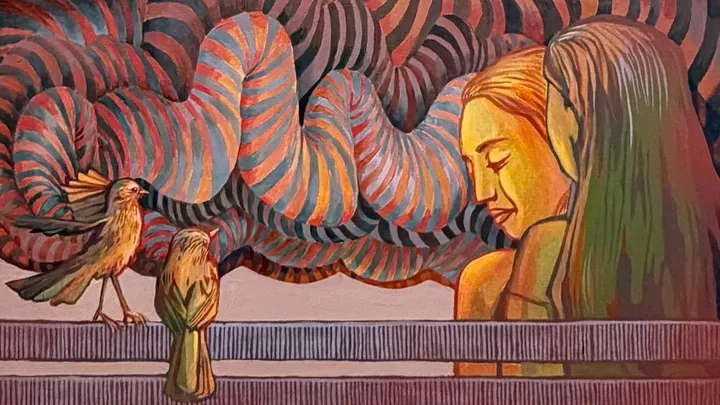
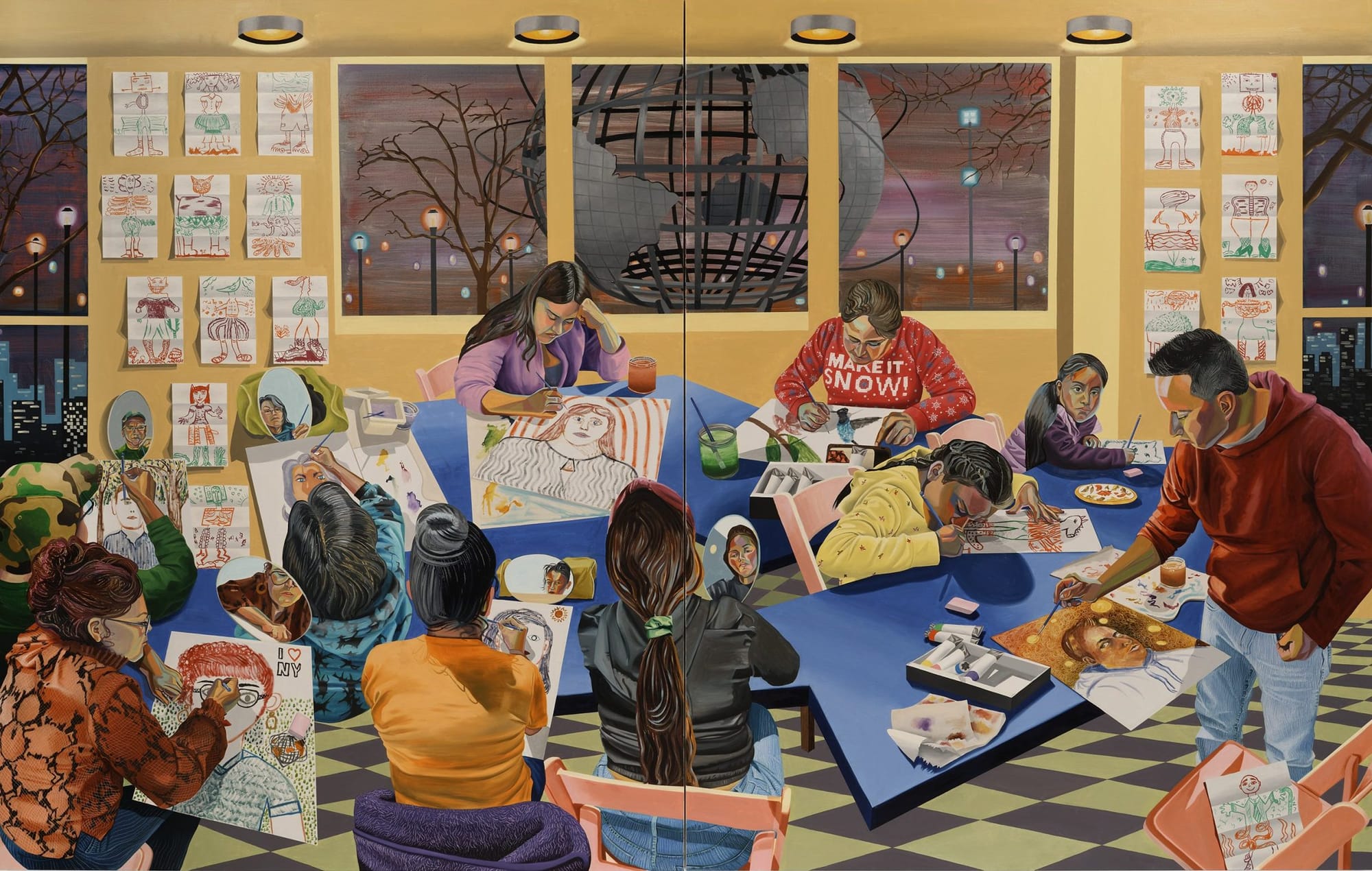
McFerson’s favorite newly acquired work is by contemporary artist Aliza Nisenbaum, who was recently commissioned to paint a mural for the new Obama Presidential Center Library.
“El Taller (The Workshop)” is a monumental 2023 painting that depicts students in Nisenbaum’s bilingual painting workshop at the Queens Museum. The participants were volunteer leaders of a food pantry that partnered with the museum during the pandemic.
“It's huge and it's colorful,” McFerson said. “It is all about community and art-making,” themes that speak to McFerson’s background as an educator inside and outside of museums.
“We're working really hard to collect living artists as well as artists from the past,” McFerson said.
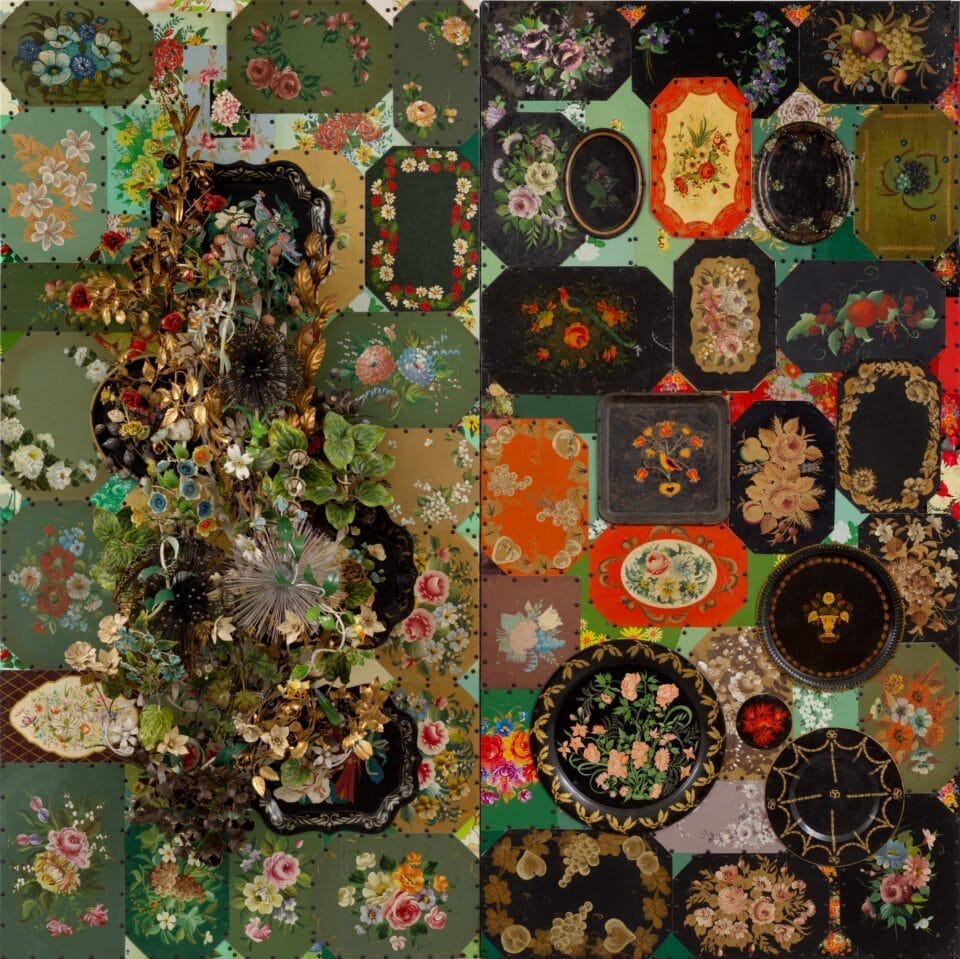
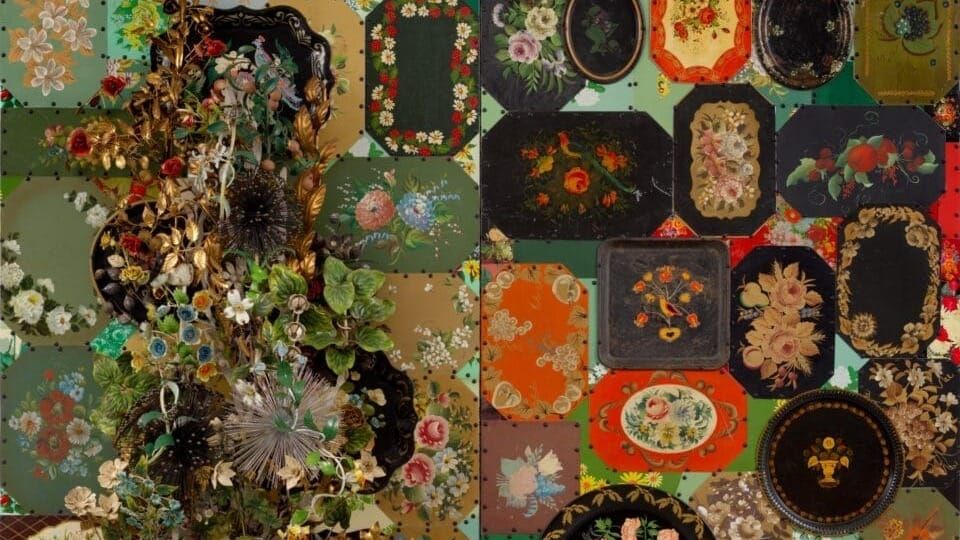
Perhaps the best-known living artists whose work WAM has recently acquired are Rashid Johnson and Nick Cave.
“Both of those artists are so generationally smart, incisive, at the tip of what American art is … The fact that these two artists are going to be now in WAM’s collection in perpetuity is just astounding to me,” Hedrick said. “I could talk about both of those works all day.”
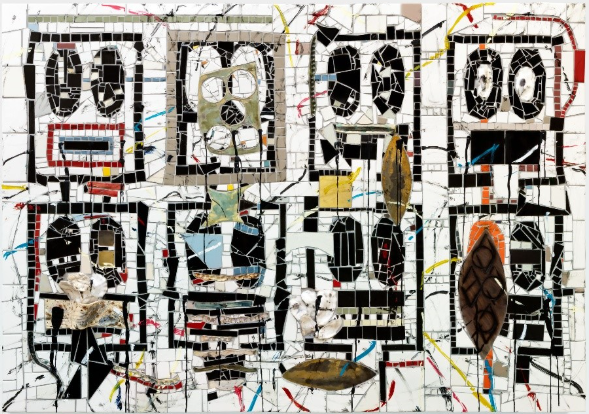
Rashid Johnson had a solo show at the Guggenheim Museum in New York City last fall and winter. The WAM acquisition “Broken Crowd ‘Reeling and Rhyming’” is from the same series as a mixed-mdia piece included in that exhibition, Hedrick said.
From a historical perspective, Hedrick is enthusiastic about “an incredible Grandma Moses” painting that is relatively large compared to her usual scale. “Over the River to Grandma’s House” is a winter scene with “classic Grandma Moses” details like a water wheel, people skating on the frozen river, and horse-drawn carriages.
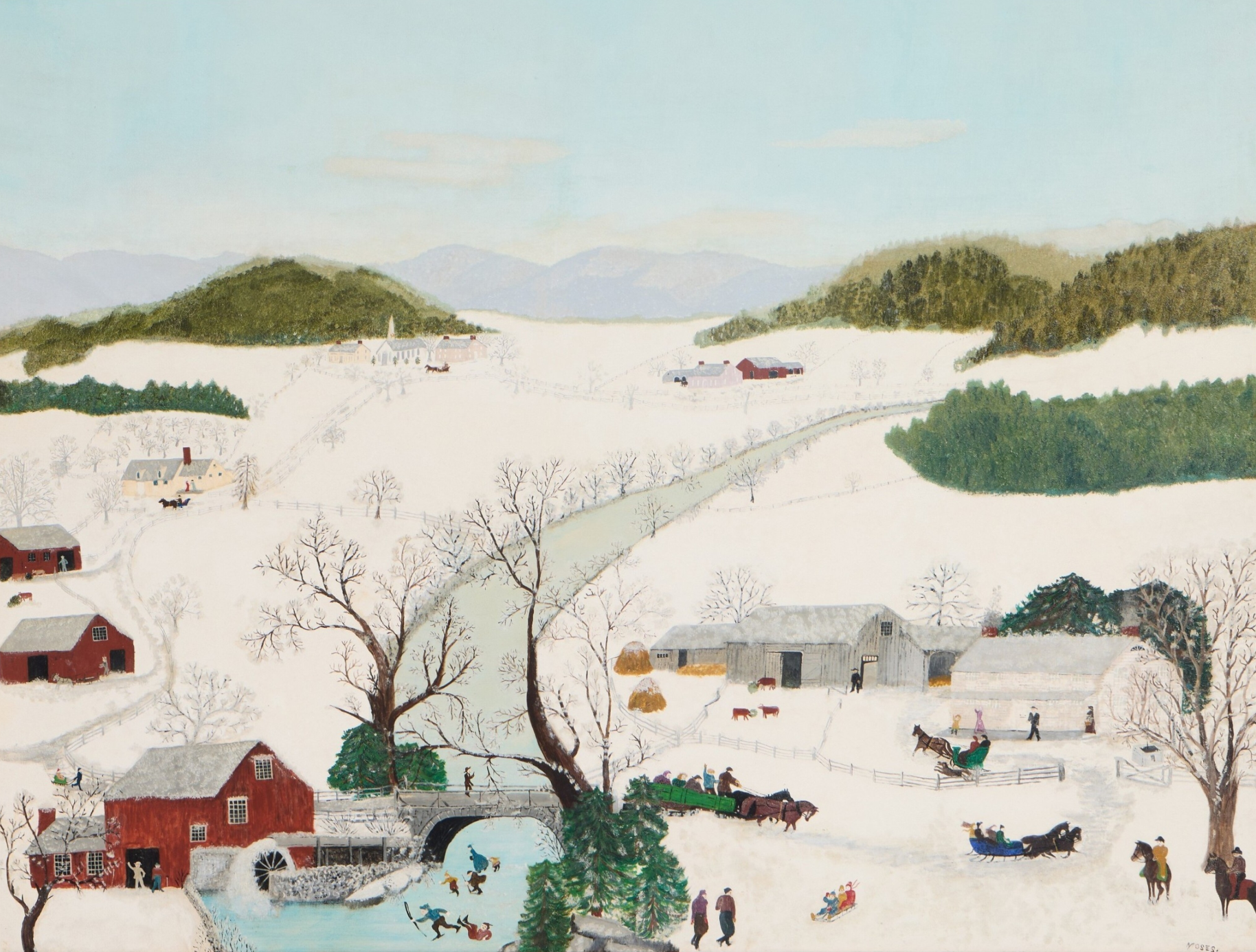
“I think it will be an instant visitor hit because there's so much exquisite detail,” McFerson said.
Hedrick said the painting complements the Roland P. Murdock collection, the city of Wichita’s original collection of American art that forms the backbone of the museum’s holdings. Wichitan Elizabeth Navas purchased each work in the collection with funds left to the city by Louise Caldwell Murdock.
“Elizabeth Navas was really interested in folk art and self-taught artists,” Hedrick said. At the time she was collecting, historians and critics considered self-taught artists “authentically American,” and one of Navas’ acquisitions is the 1942 Horrace Pippin painting “West Chester, Pennsylvania,” which is on view in the museum’s permanent collection galleries.
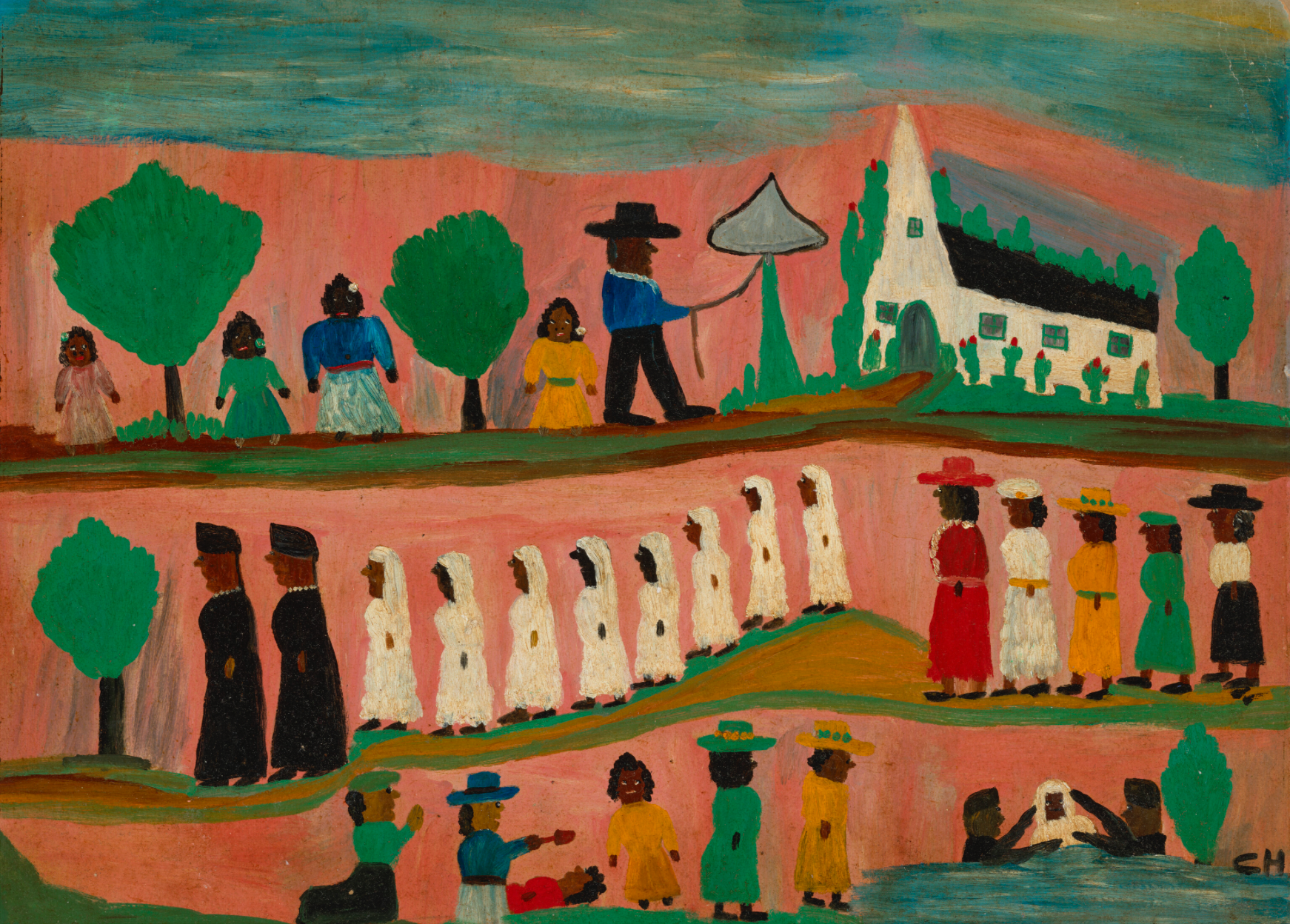
WAM also acquired two complementary paintings by Clementine Hunter, another self-taught artist who is new to the museum’s collection: “Baptism in Cane River” and “Funeral Procession.”
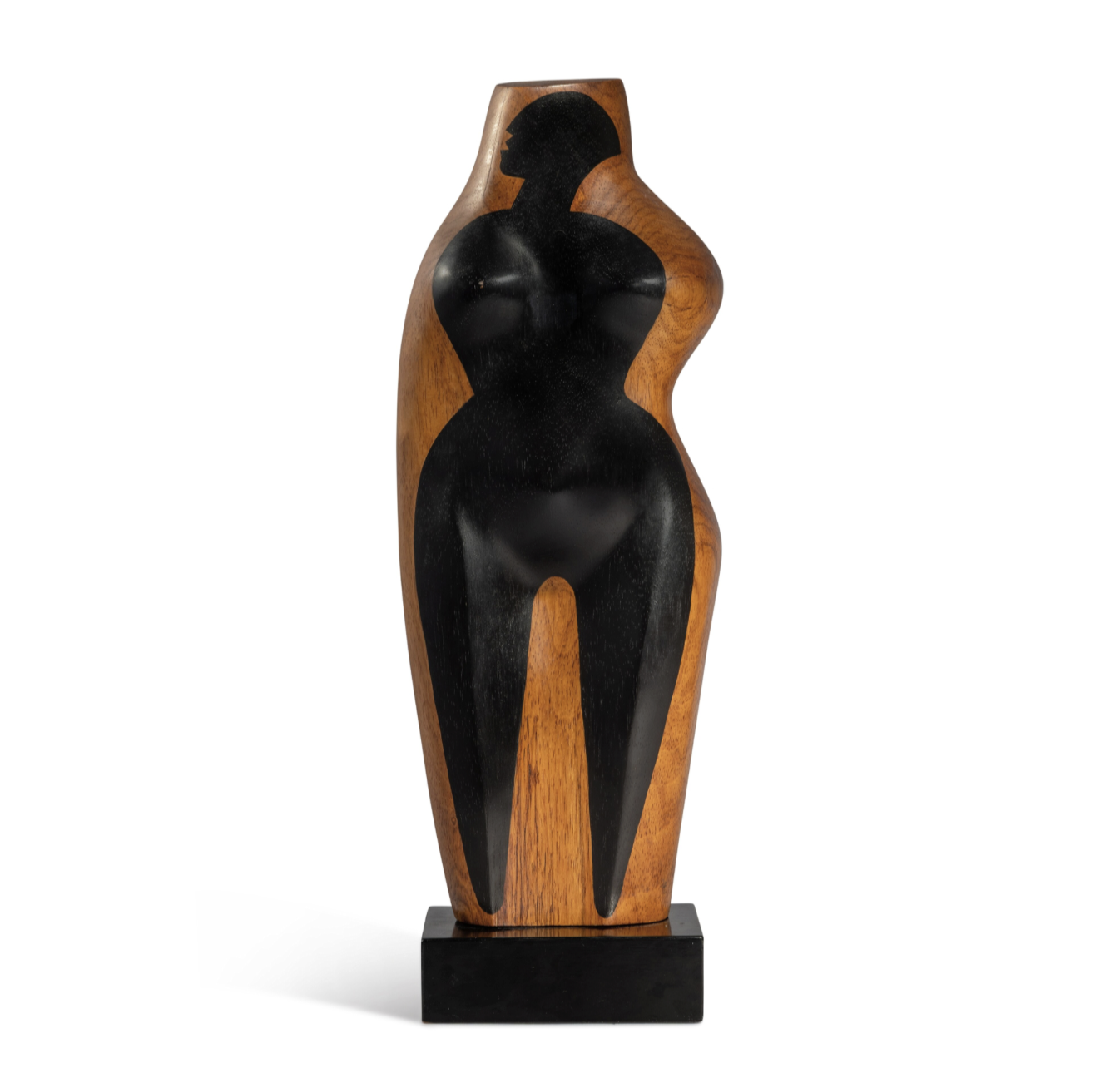
Another work by an important Black female American is “Standing Figure,” a 1986 wooden sculpture by Harlem Renaissance artist Elizabeth Catlett. The female figure resembles prehistoric fertility figurines, Hedrick said.
“Elizabeth Catlett thinking about the way in which Africa and the Black diaspora is at the center of and the heart of all human culture,” she said. "To have this sculpture that is so beautiful, but also tells that important story about African-American thought in the 20th century is incredible."
Hedrick, who describes herself as “the world’s biggest Will Barnet fan,” raved the new acquisition “Squirrels.” It will function as a natural counterpoint to WAM’s existing Barnet painting “Chess Game,” an audience favorite that Hedrick said is "deeply embedded in the story of our collection."
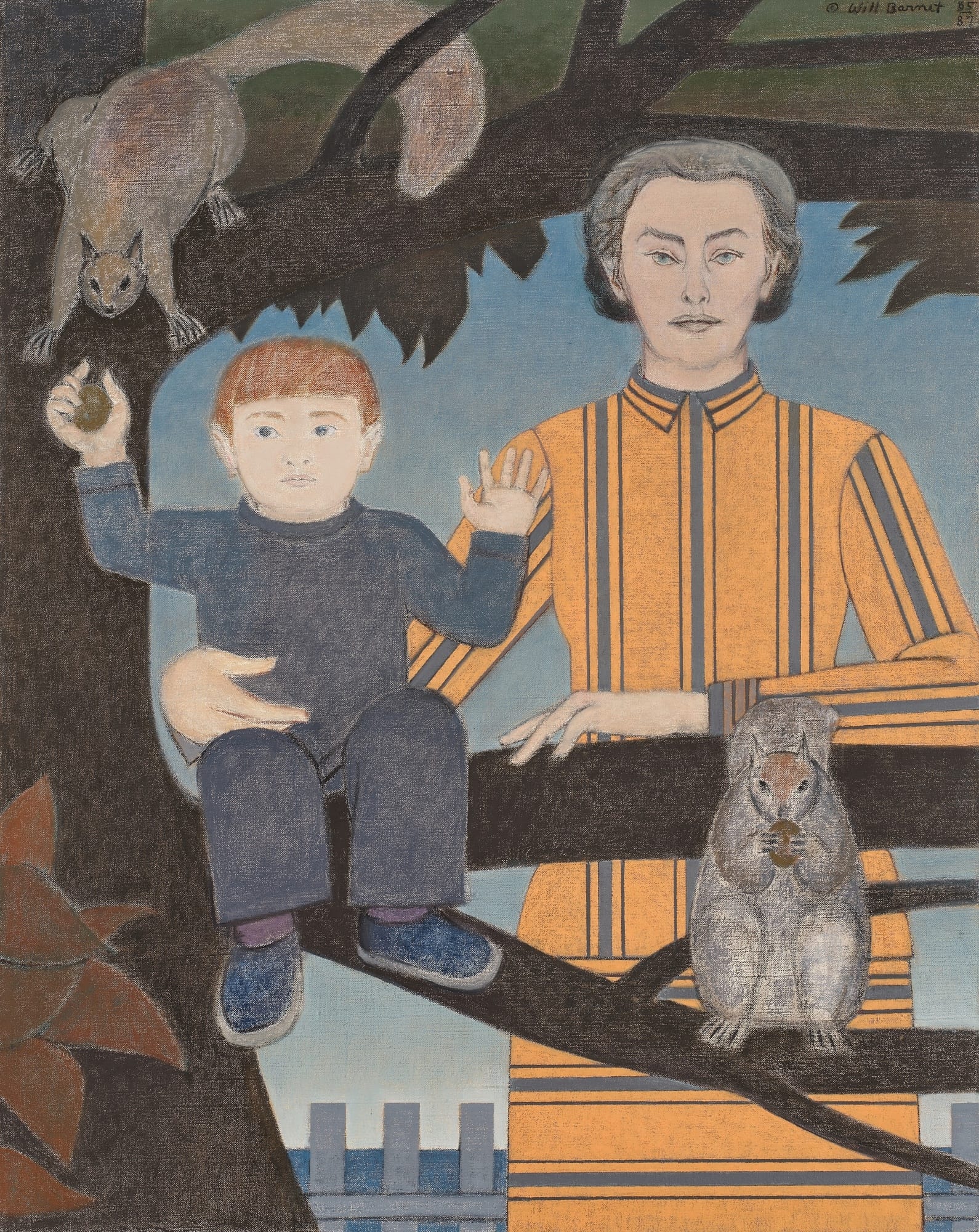
“It brings another part of our collection to life,” she said. The paintings are both of members of Barnet’s family: his daughter Ona is depicted in 1973’s “Chess Game.” He made “Squirrels” in the mid-1980s, and that painting portrays Barnet’s wife Elena with Ona's son.
Expanding on AbEx
With the acquisitions of Helen Frankenthaler’s 1959 painting “Non-Symmetry” and Grace Hartigan’s “Constance” (1981), the WAM collection now includes a pair paintings by both major Abstract Expressionist artists.
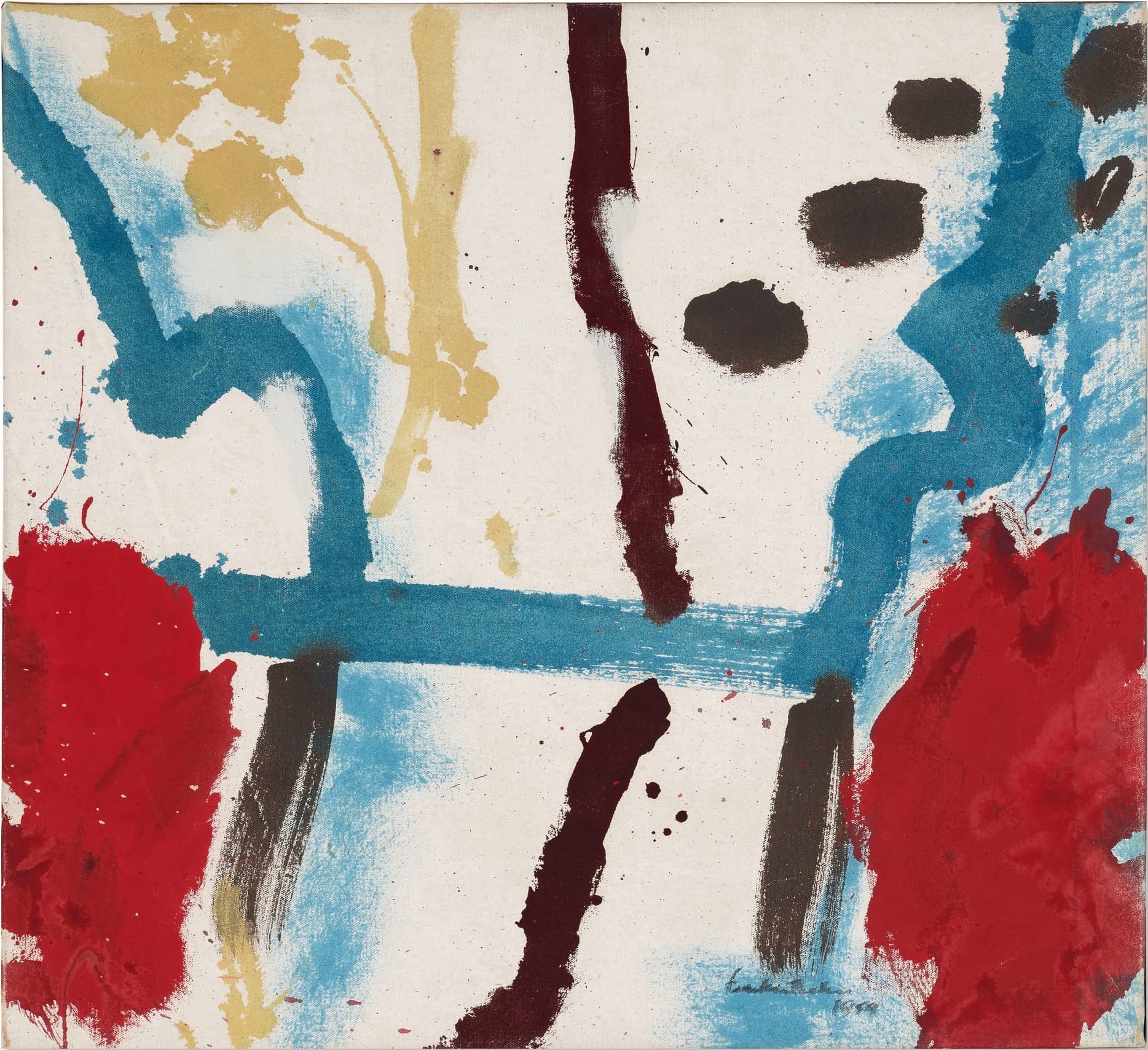
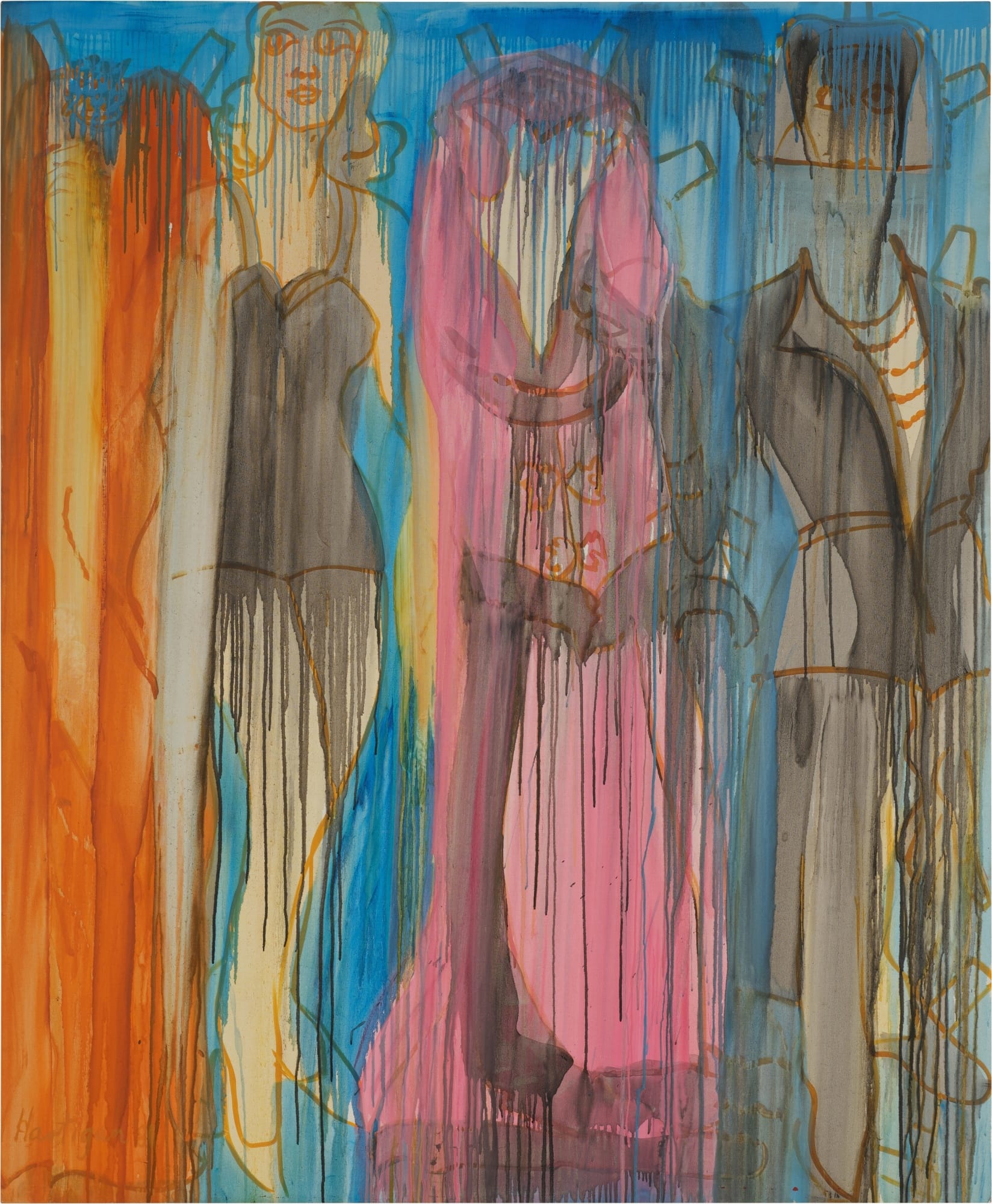
The newly acquired paintings will not be on view until next year, when they’ll be included in an exhibition of women abstract painters — an echo of the touring exhibition “Abstract Expressionists: The Women,” which WAM hosted last year. It will include a newly donated painting that the museum has yet to announce, and the show will hang in conjunction with a touring exhibition of paintings by Abstract Expressionist Alma Thomas.
Local Connections & Familiar Works
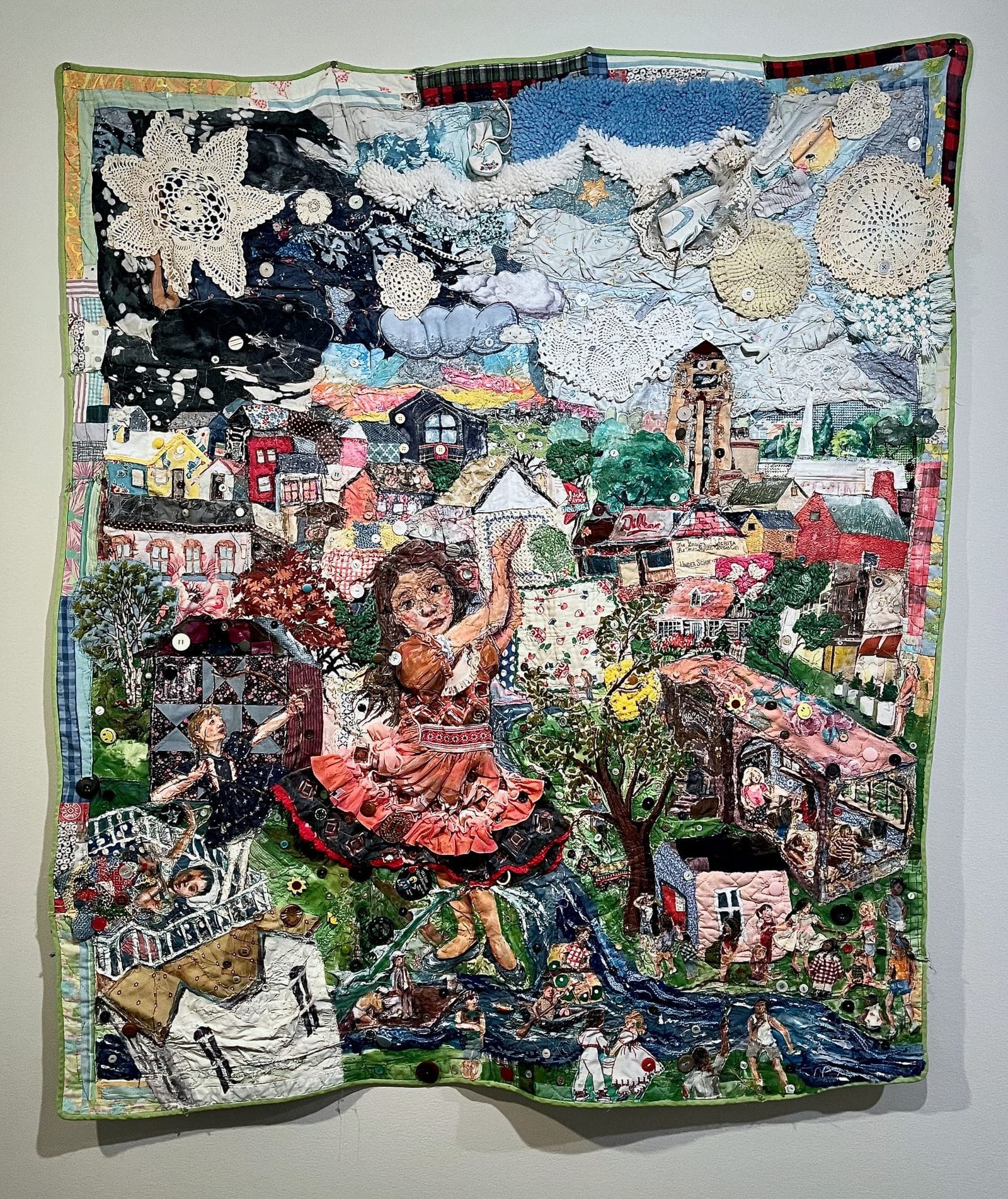
The group of 28 newly acquired works include four by Kansas artists. “Where the River Flows Everything Will Live” by Eden Quispe is on view at WAM through next weekend in “Eden Quispe: Narrative Threads.”
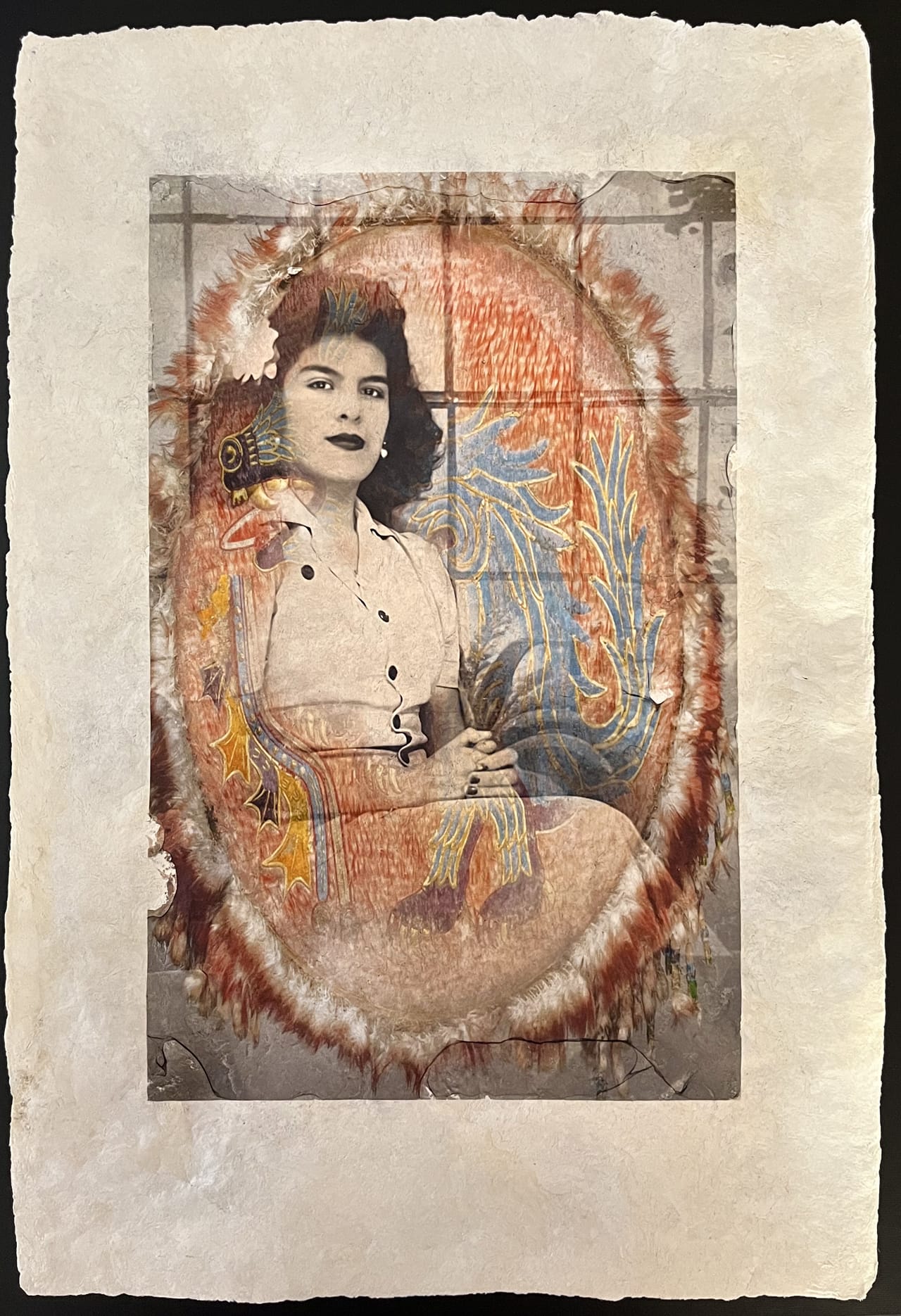
WAM also acquired three works by Kansas artist Christina Renee Rodriguez. “Investing in our community by collecting local and regional contemporary artists is important to us as well,” Hedrick said. She also teased work by “another beloved Kansas artist” that will be included in “Past & Present” this fall.
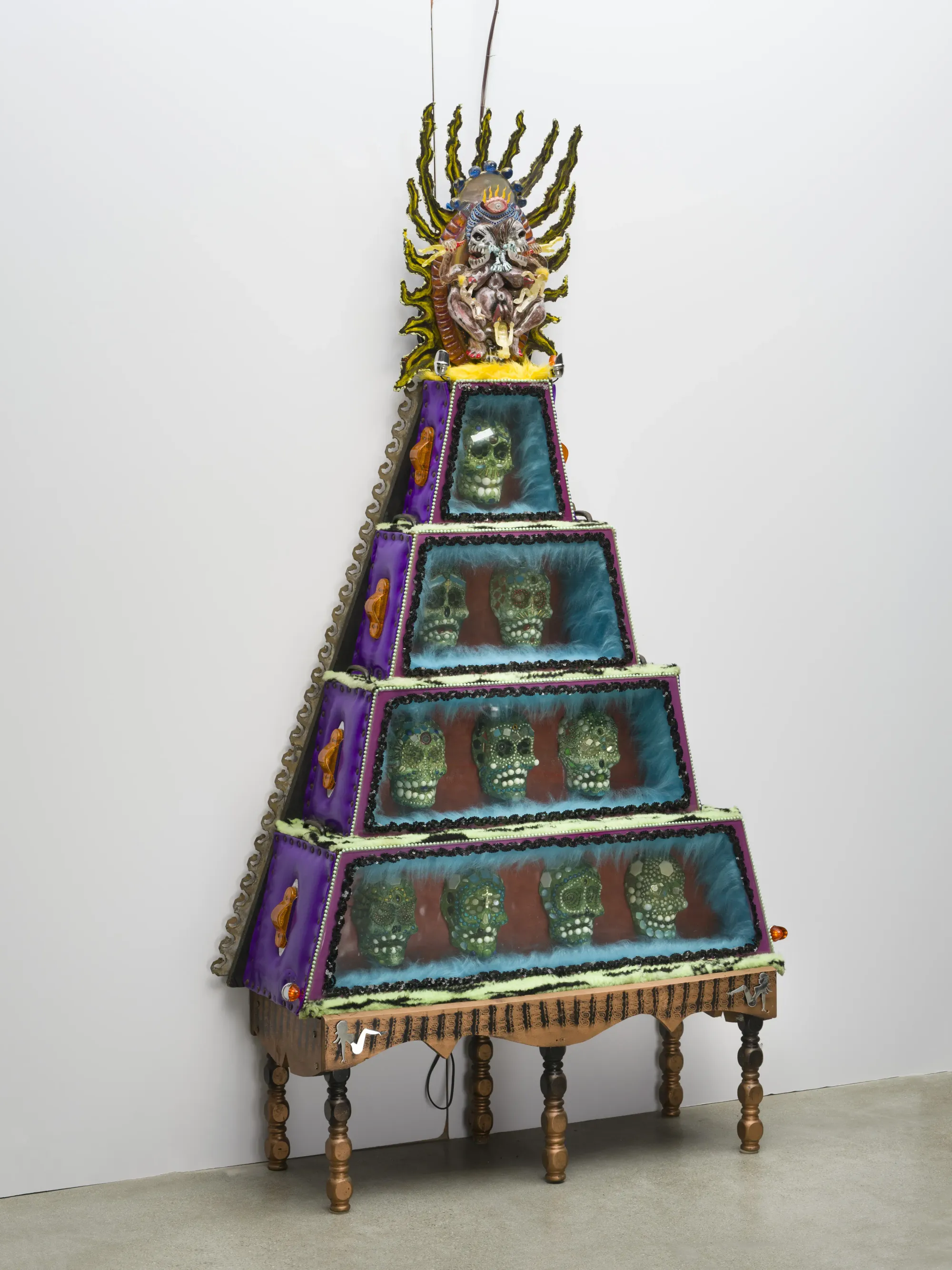
Quispe’s fiber piece, a quilt by Stephen Towns, and three glass works by Einar and Jamex de la Torre have been on view in recent exhibitions at the museum.
Towns’ “All We Knew Was Joy” was included in “Safer Waters: Picturing Black Recreation at Midcentury” earlier this year. The works by the de la Torre brothers are on view at WAM through September 6 in the touring exhibition “Collidoscope: de la Torre Brothers Retro-Perspective.”
A careful approach to collecting
While the museum has assembled a large and eclectic group of new works in a relatively short amount of time, a five-year collections plan guided the selections made by McFerson and Hedrick, which the museum’s collections committee and board approved.
Hedrick describes the collection plan as a “wish list” composed of artists whose works would strengthen the museum’s existing American art collection. Hedrick said they look to fill gaps. They also consider practical concerns, like what they have space for and whether they can commit to preserving a work of art in perpetuity.
The Elizabeth Catlett acquisition adds a work by a major artist of the Harlem Renaissance, a weaker area in the museum’s collection, whereas multiple newly acquired portraits deepen an area of strength.
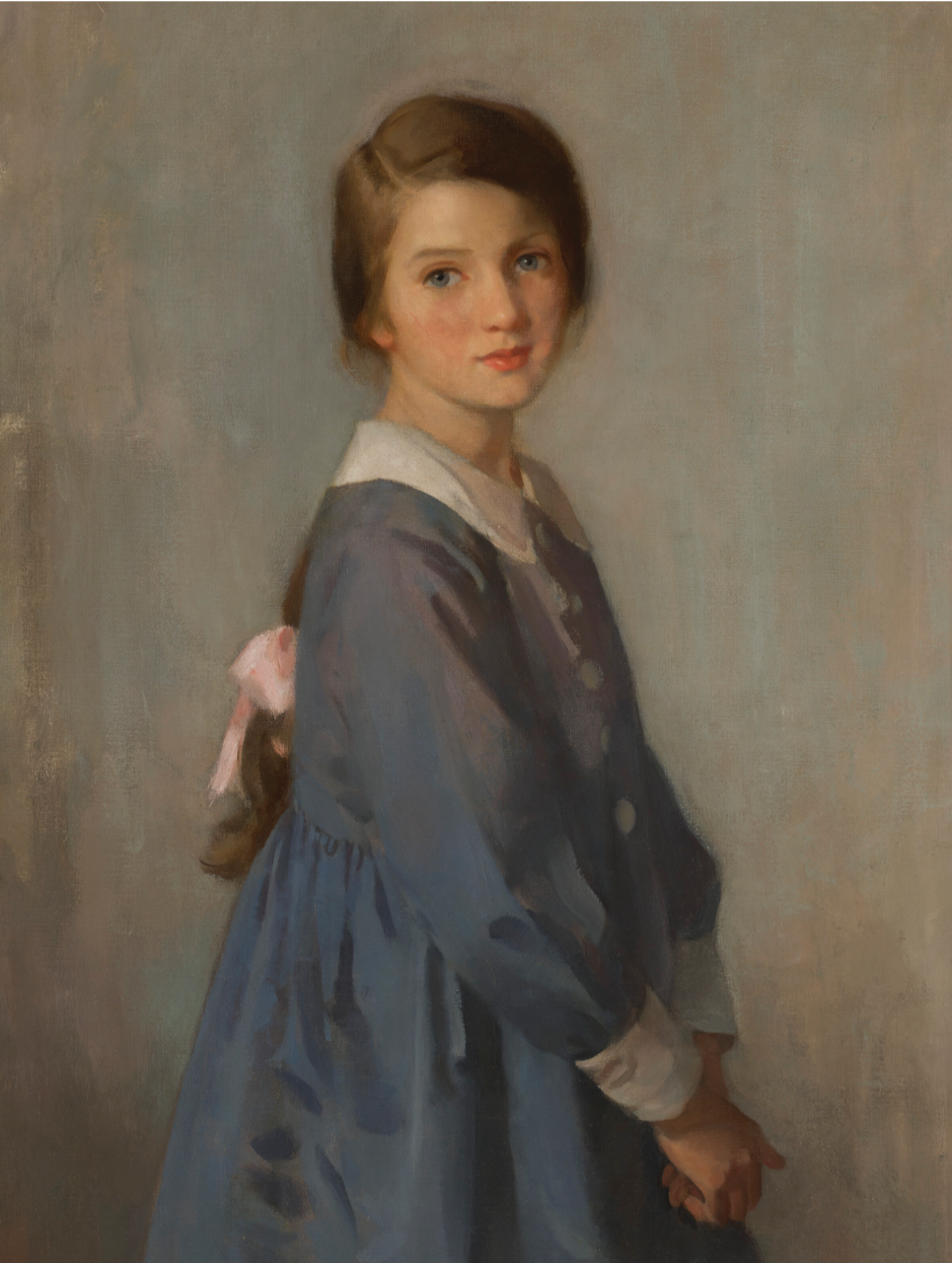
The collection plan, which is updated annually to reflect progress, allows museum leadership to move quickly when a historic work becomes available on the secondary market. Collecting works by early American artists can be a waiting game, however. Hedrick cited a still life by one of the Peale women as an example of a hoped-for addition that’s outlined in the collection plan.
One goal is to diversify the collection. Many recent acquisitions are by women and artists of color, but the works new to the collection also reflect other kinds of diversity, McFerson and Hedrick stressed.
“Museums all over the world are trying to diversify their collections in all kinds of ways,” Hedrick said. “More artists of color, more women artists, artists who are not from New York City, who didn't go to the very fanciest art schools.
“How can we expand the kind of stories that we're telling about American life and American culture and American history and the trajectory of American art through the (work) that we’re acquiring?”
This Is Personal
Hedrick and McFerson are both from the Wichita area, and they both volunteered at WAM as young people.
“My whole life is about art, and I learned to love art at WAM,” said Hedrick, who taught for the kids’ summer camp when she was in high school and still remembers where works from the permanent collection were installed back then.
McFerson volunteered at the museum during summer breaks from the University of Kansas. A staff member recently unearthed some worksheets from that time.
“We both are from Wichita and left, and had careers for decades, and came back, so WAM is extra special to each of us,” McFerson said. “Being able to build the collection that is Wichita's collection is just extraordinarily special.”
The Details
2025-26 Wichita Art Museum acquisitions
- Rashid Johnson, “Broken Crowd ‘Reeling and Rhyming,’” 2026
- Nick Cave, “Grapht,” 2024
- Anna Mary Robertson (Grandma) Moses, “Over the River to Grandma’s House,” 1944
- Elizabeth Catlett, “Standing Figure,” 1986.
- Mary Young Hunter, “Blanchette Ferry Hooker,” 1920
- Helen Frankenthaler, “Non-Symmetry,” 1959
- Grace Hartigan, “Constance,” 1981
- Will Barnet, “Squirrels,” 1985–1987
- Maria Berrio, “Songlines,” 2025, currently on view in “(Im)permanent,” WAM’s permanent collection galleries
- Winfred Rembert, “Chain Gang Picking Cotton #3,” 2005
- Purvis Young, “Multi-panel Piece with Warriors,” no date
- Alex Katz, “Red Phlox,” 1965
- Aliza Nisenbaum, “El Taller (The Workshop),” 2023
- Clementine Hunter, “Baptism in Cane River,” about 1955, and “Funeral Procession,” about 1950
- Einar and Jamex de la Torre, “Baja Kali,” 1995; “Tonali de un principe (Prince's Animal Spirit),” 2016; and “Spinosa,” 2023. All three works are on view in "Collidoscope: de la Torre Brothers Retro-Perspective" through September 6 and will continue touring with the exhibition before returning to WAM.
- Tanya Aguiñiga, “Border Fall Height,” 2024
- Stephen Towns, “All We Knew Was Joy,” 2025, one of the works that was on view in “Safer Waters: Picturing Black Recreation at Midcentury” at WAM earlier this year
- Dan Friday, “Sxwo’le Anchor,” 2025
- Christina Renee Rodriguez, “Josephine II,” 2025; “Reclamation,” 2025; and “Ruben and his ’57 Ford,” 2024
- Ann Purcell, “Seeker,” 1978
- Uman, “Ayan,” 2024
- Eden Quispe, “Where the River Flows Everything Will Live,” 2025, on view through August 16 in “Eden Quispe: Narrative Threads”
- Red Grooms, “Retreat from Canal Street,” 1990
Emily Christensen is one of the co-founders of The SHOUT. She is a past fellow of the National Critics Institute at the Eugene O'Neill Theater Center and a recipient of an Arts Writing Grant from The Andy Warhol Foundation. Send her a message: emily@shoutwichita.com.
❋ Derby man has the kind of voice that turns heads — and chairs
❋ Socializing while sober: how some Wichitans are cultivating alcohol-free communities
❋ As a small creative business closes, the owner mourns
❋ Painting through it: Autumn Noire on 20 years of making art
❋ How a guy from Wichita resurrected 'Dawn of the Dead'
❋ Bygone Friends University museum housed curious collections
Support Kansas arts writing
The SHOUT is a Wichita-based independent newsroom focused on artists living and working in Kansas. We're partly supported by the generosity of our readers, and every dollar we receive goes directly into the pocket of a contributing writer, editor, or photographer. Click here to support our work with a tax-deductible donation.