A new Wichita Art Museum acquisition reflects memories of Historic Midtown, Riverfest
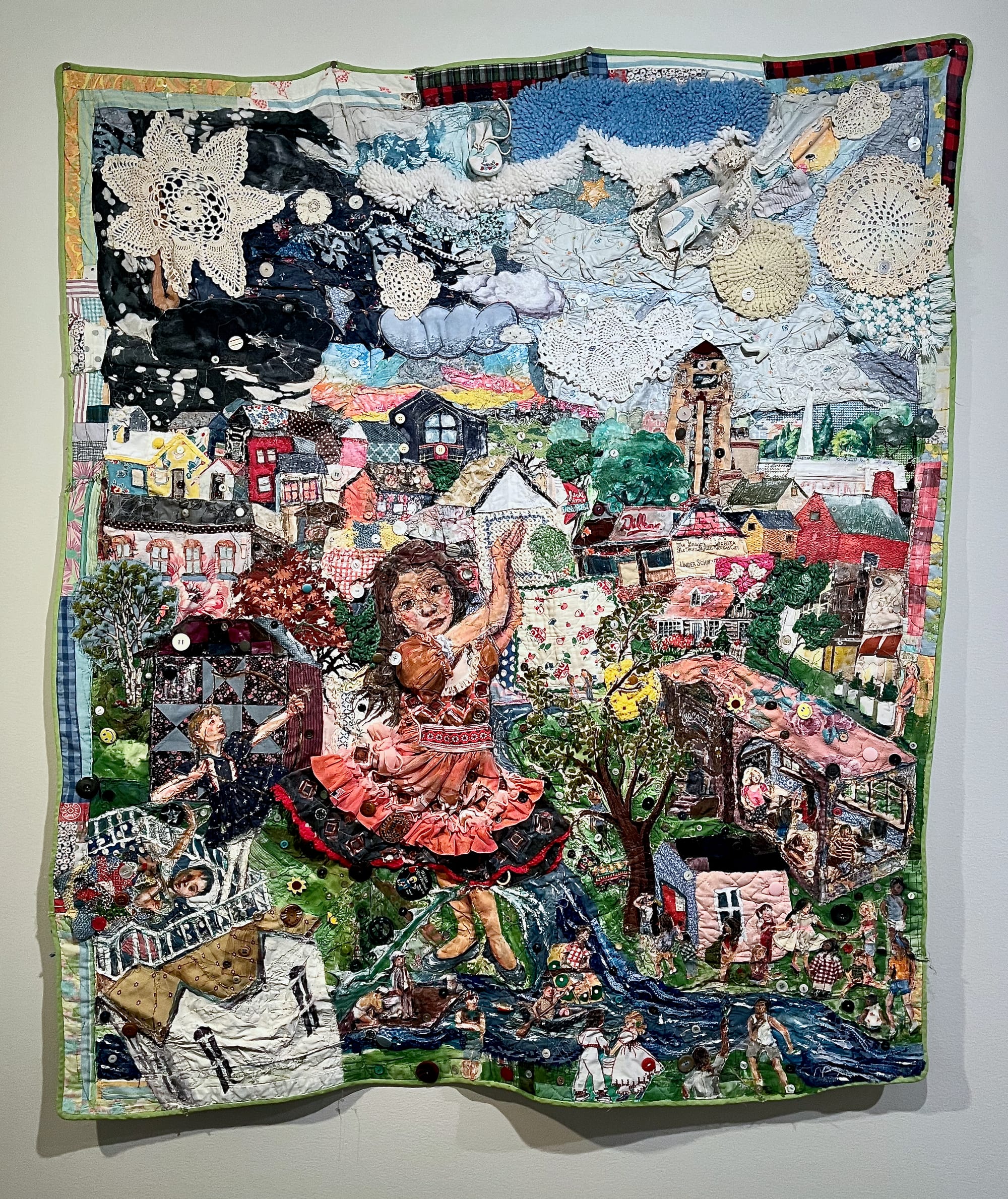
Kansas fiber artist Eden Quispe based “Where the River Flows Everything Will Live” on her Wichita childhood.
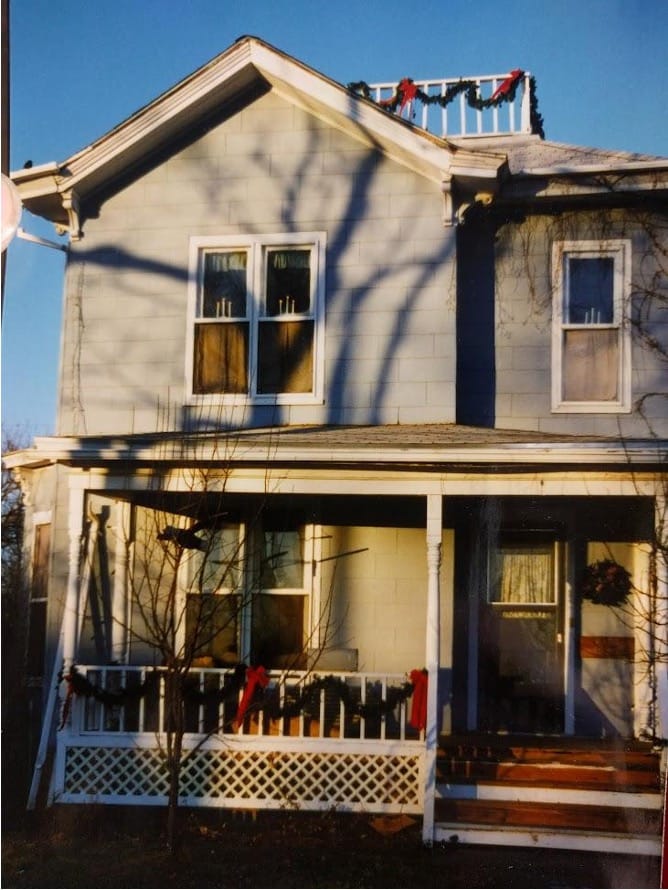
From the time she was born until the age of 10, Eden Quispe lived in a Victorian home with a spiral staircase in the 1200 block of Fairview Avenue in Wichita’s Historic Midtown neighborhood.
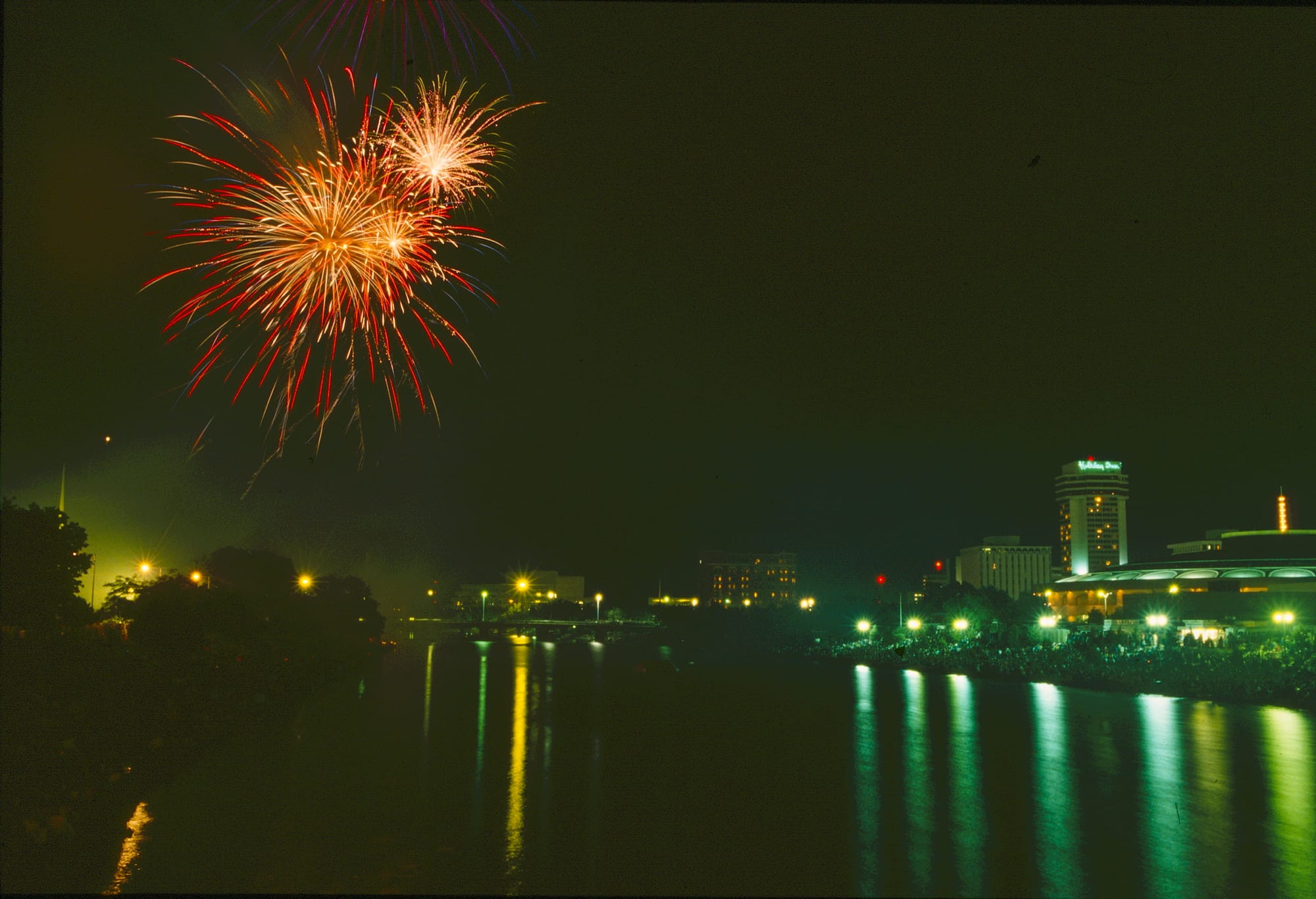
Quispe’s father fenced the flat part of its rooftop so she and her siblings could sleep under the stars. From that vantage point, the family enjoyed an excellent view of the annual fireworks display at the Wichita River Festival.
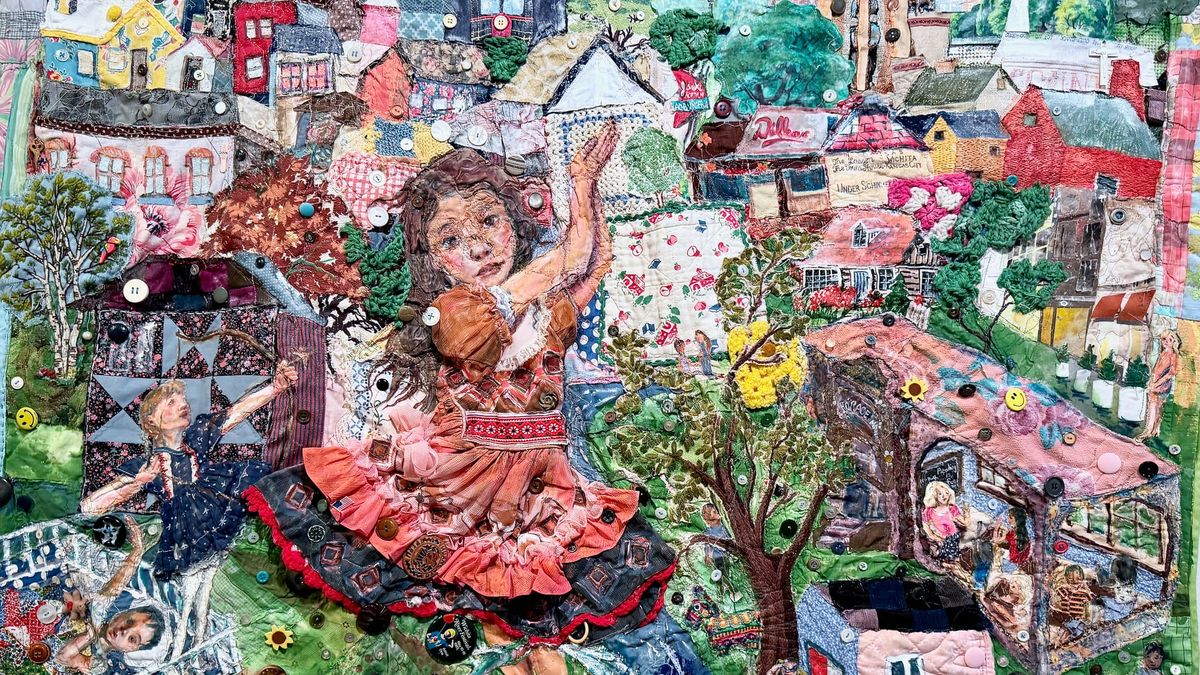
Quispe records that experience in “Where the River Flows Everything Will Live,” a fiber work on view in “Eden Quispe: Narrative Threads” at the Wichita Art Museum, which has acquired the piece for their permanent collection.
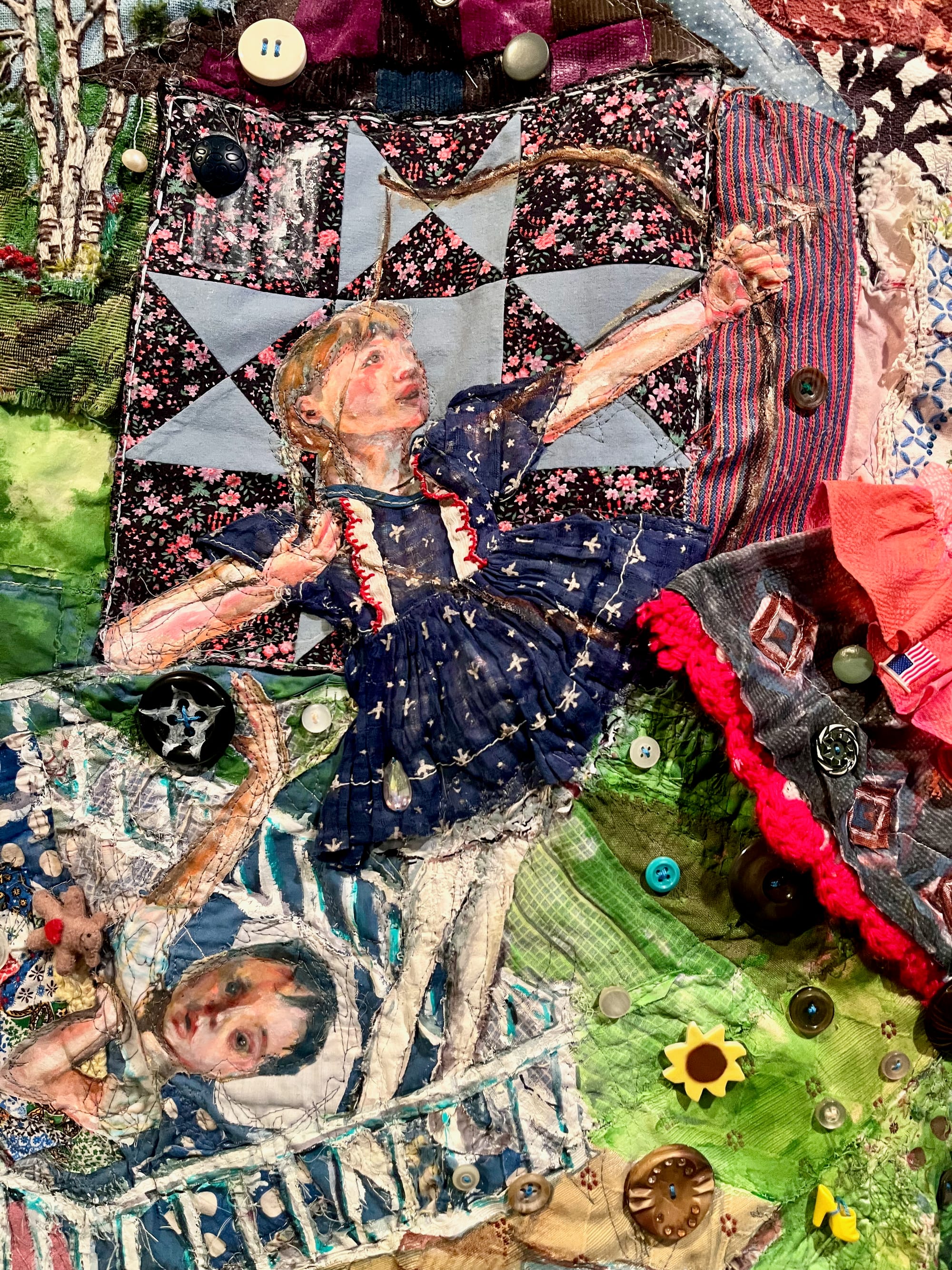
In the bottom-left corner, the artist’s little brother is depicted at the age of 3, lying on his back, while his older sister draws a bow, echoing the pose of the Kaw warrior of Richard Bergan’s sculpture “Ad Astra,” which is installed atop the Kansas State Capitol building in Topeka.
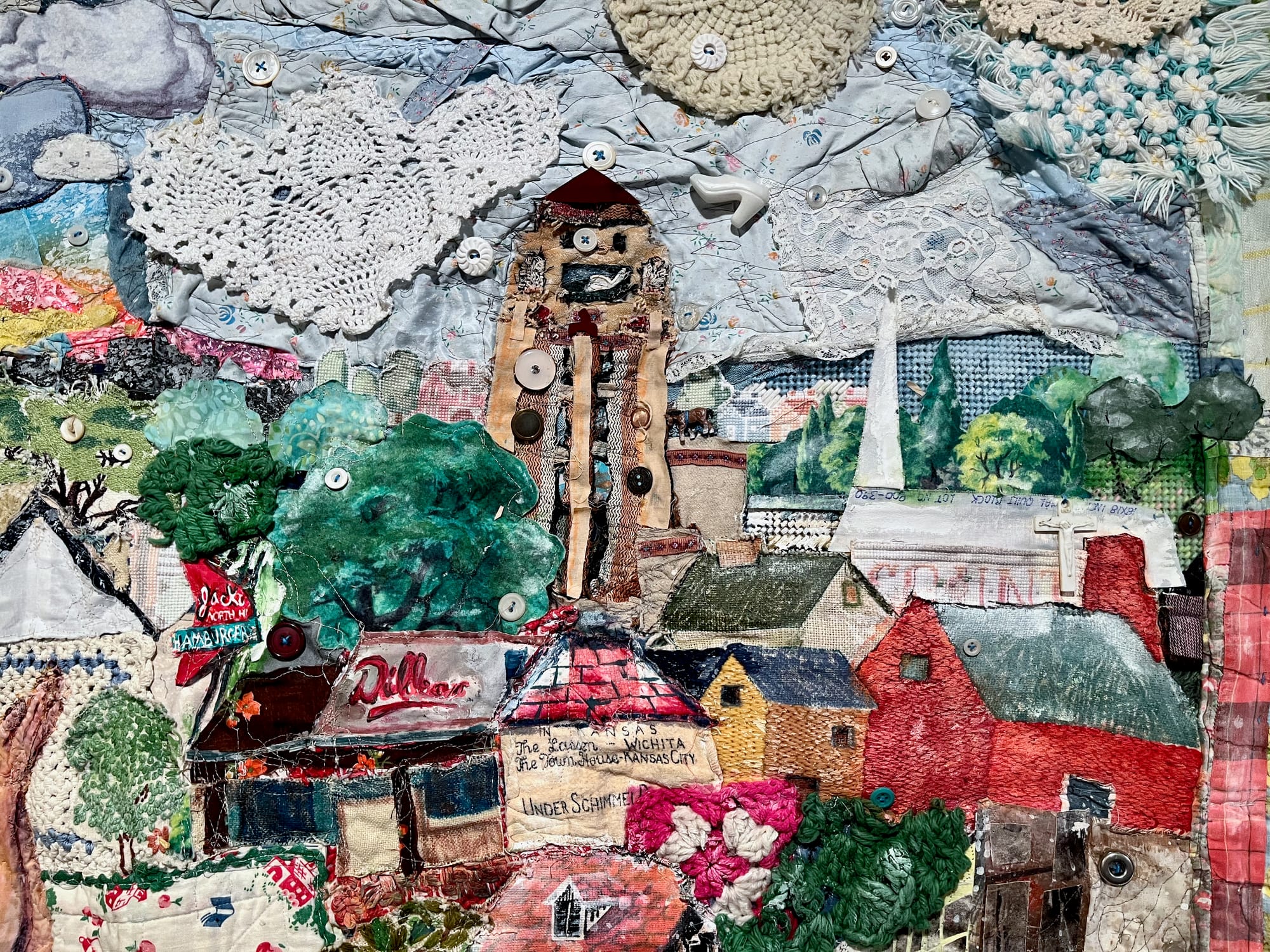
The sprawling, complex piece also documents the landscape of Quispe’s childhood, including recognizable landmarks such as North High School, the Dillons store that used to be at the corner of Waco and 13th Streets, and Jack’s North Hi Carryout.
“I felt a lot of beauty and imagination in a place that people didn't consider romantic at all … but having a really interesting culture around me made it feel very magical,” Quispe said in an artist talk at WAM in February.
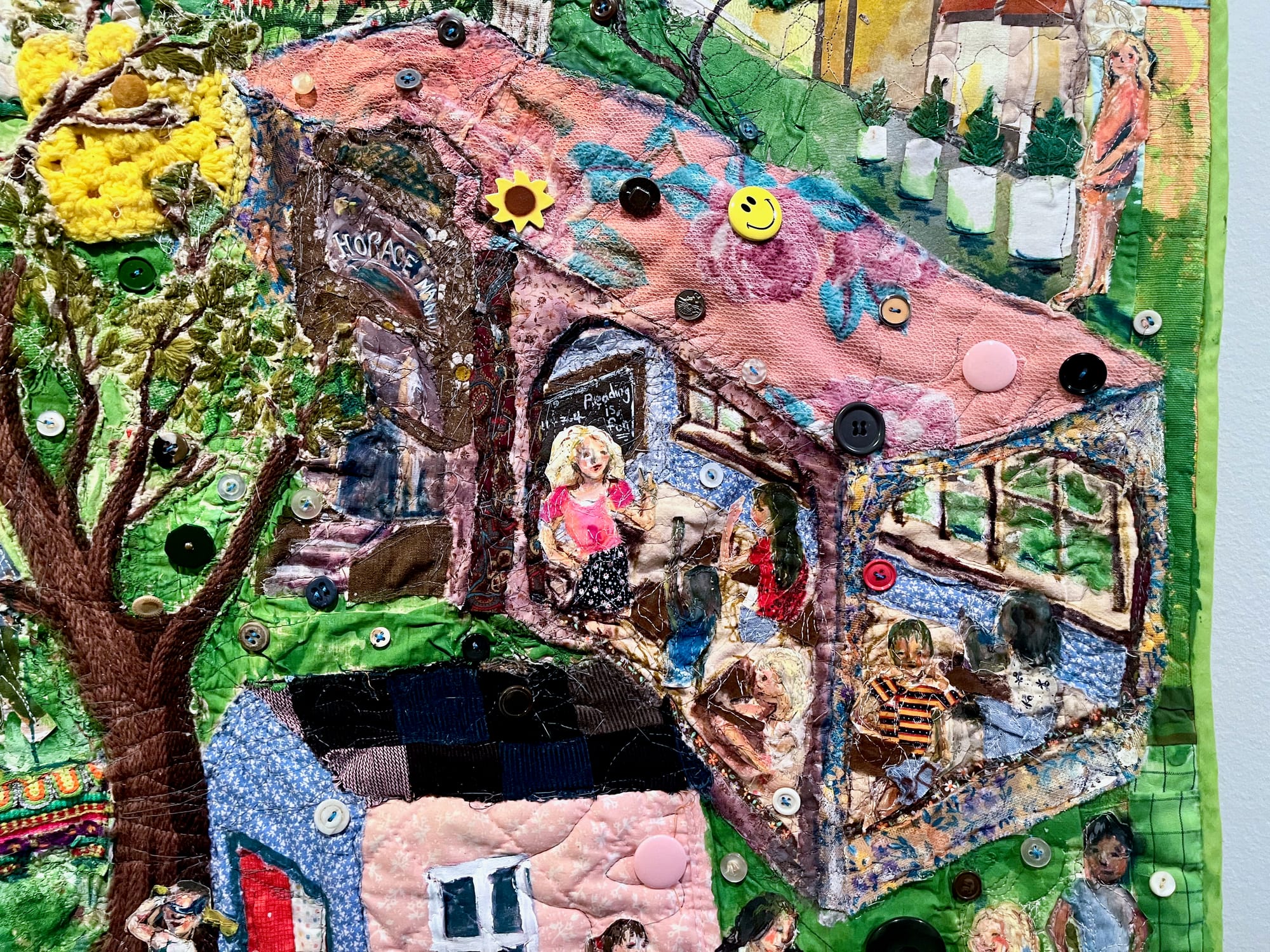
She got to know kids of other cultures at Horace Mann, where she was one of the only white kids in her classroom, and at home, where her parents hosted Bible clubs for the neighborhood children. Another scene in "Where the River Flows" depicts a birthday party with a piñata.
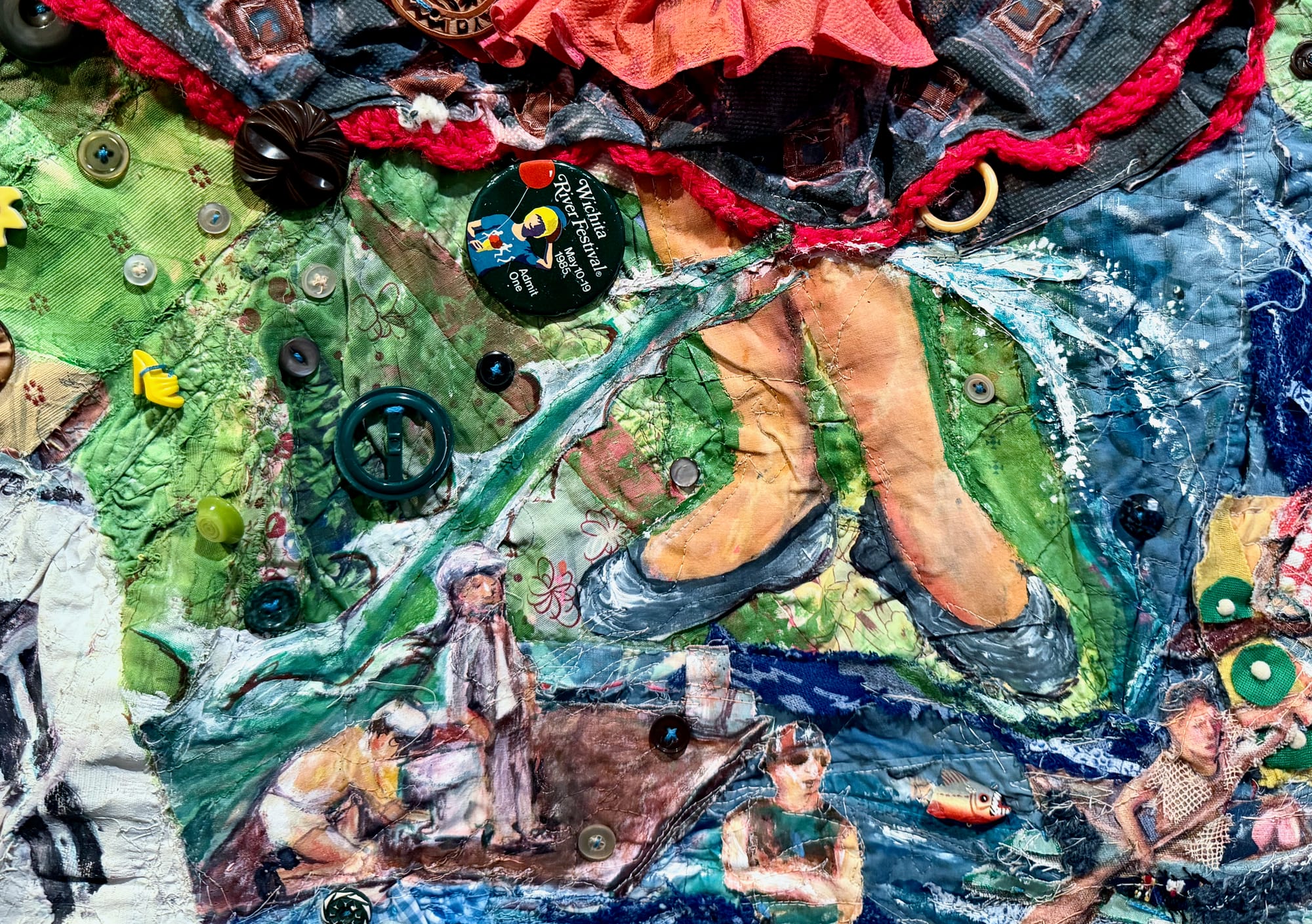
Quispe often incorporates vintage textiles in her work, many made by her grandmother, great-grandmother, great-great-grandmother, and other female ancestors. She found others on trips to Peru, where members of her husband's family live. For this piece, Quispe added a riot of other baubles, including a single Barbie high heel and a Riverfest button from 1985, the year of the artist’s birth.
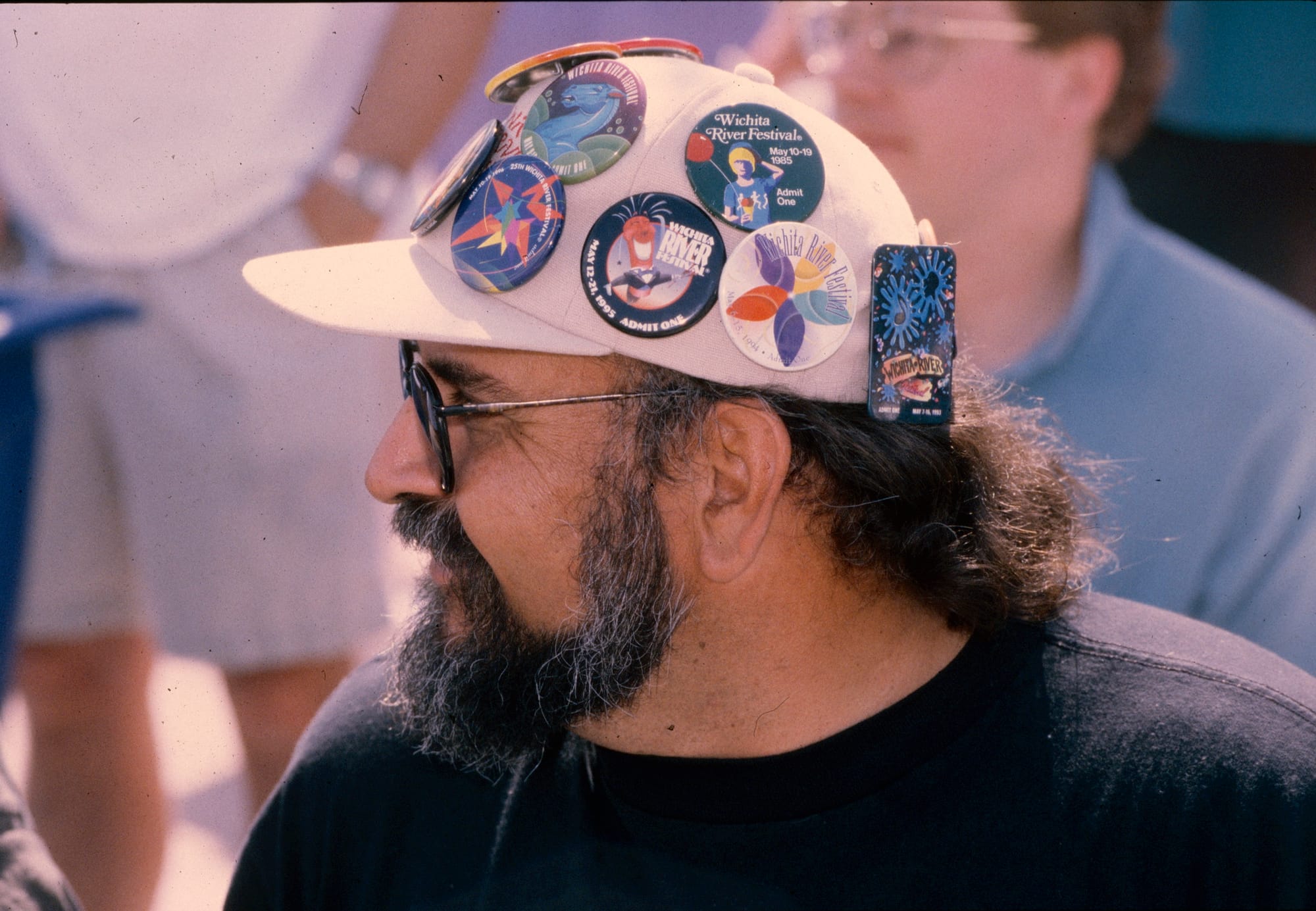
“I found it very appropriate to make this work with lots of random pieces of stuff, because that was my growing up years in that neighborhood,” she said in her WAM talk. “There were lots of little random things I would pick up off the ground.”
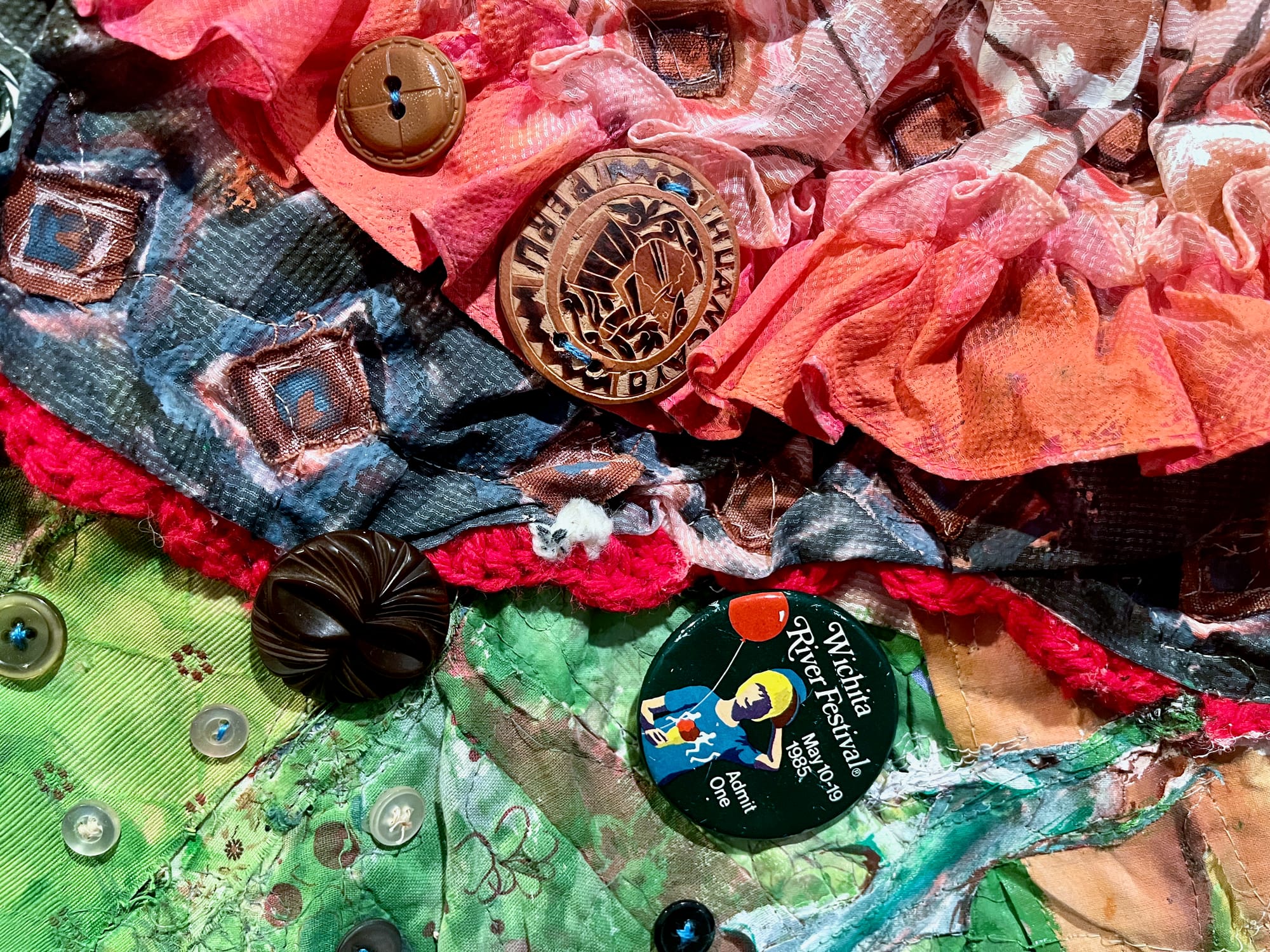
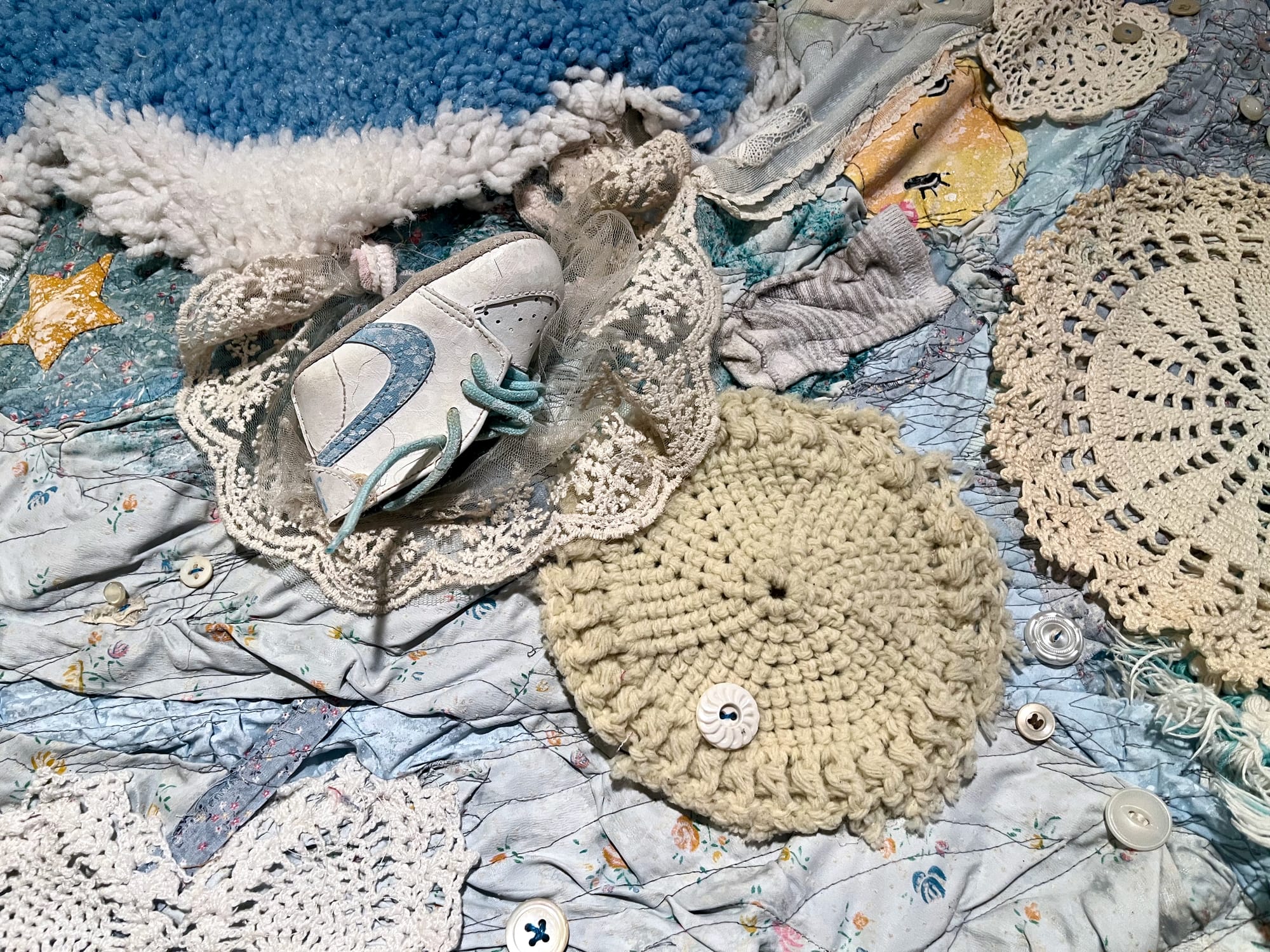
Her mom called these treasures trash, so Quispe squirreled them away in a little “hidey-hole” under the porch, a place she likens to the grotto in “The Little Mermaid.”
“I didn't realize (then), but that is part of being an artist: being able to find beauty in the little things that people don't consider beautiful.”
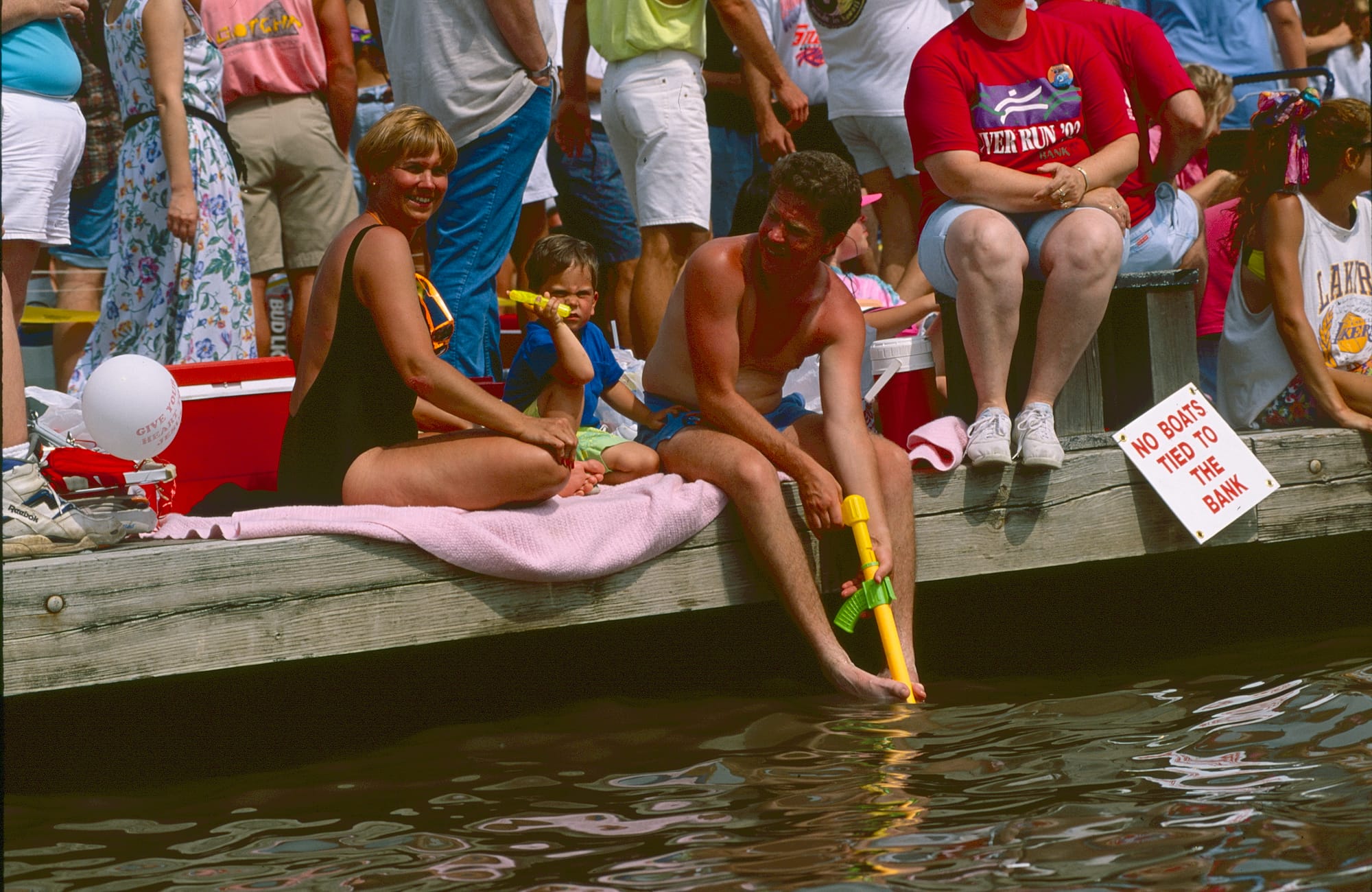
The Riverfest scene unfolds along the bottom of the piece. Decorated rafts float on the Arkansas River as spectators look on from the riverbanks.
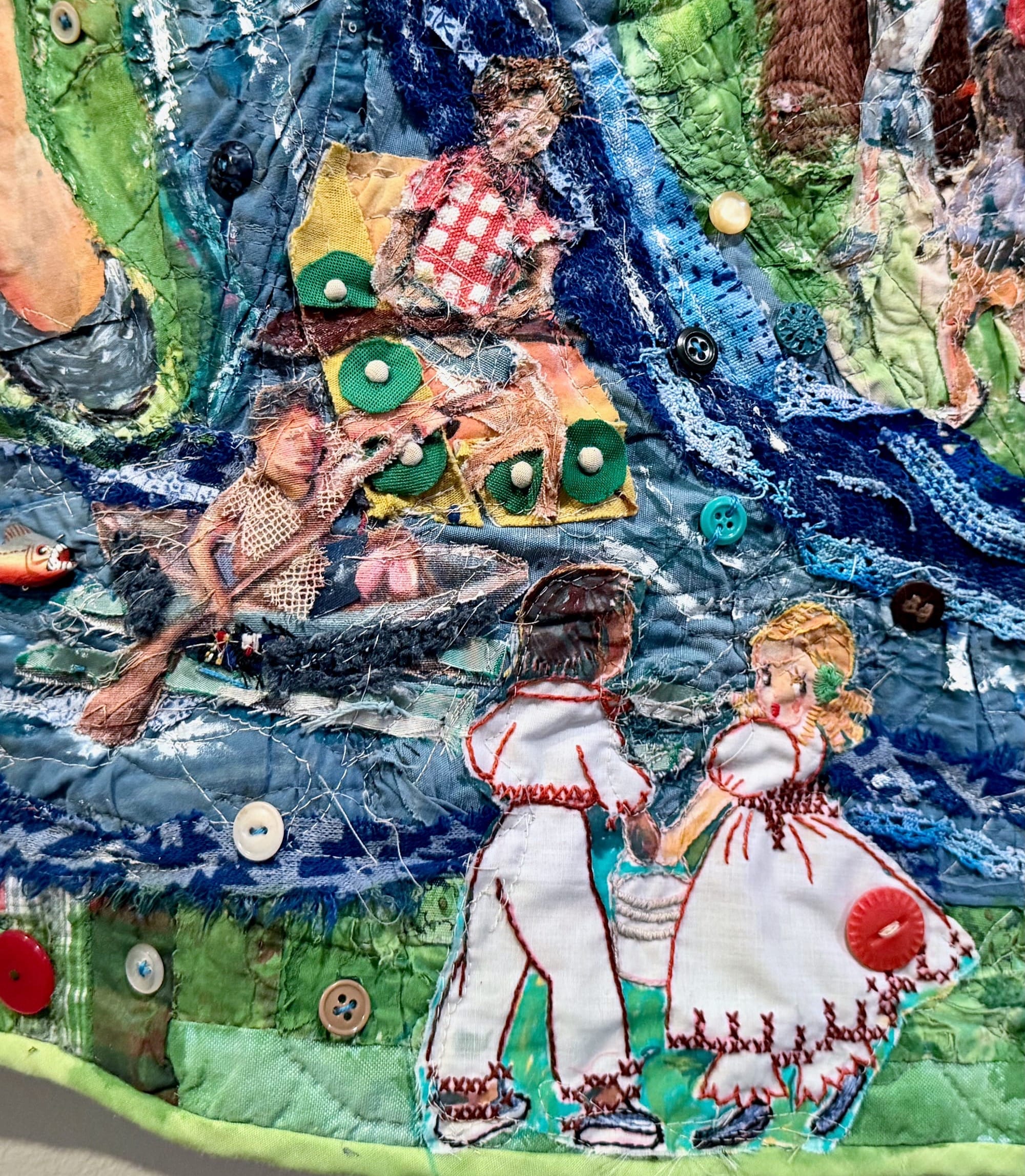
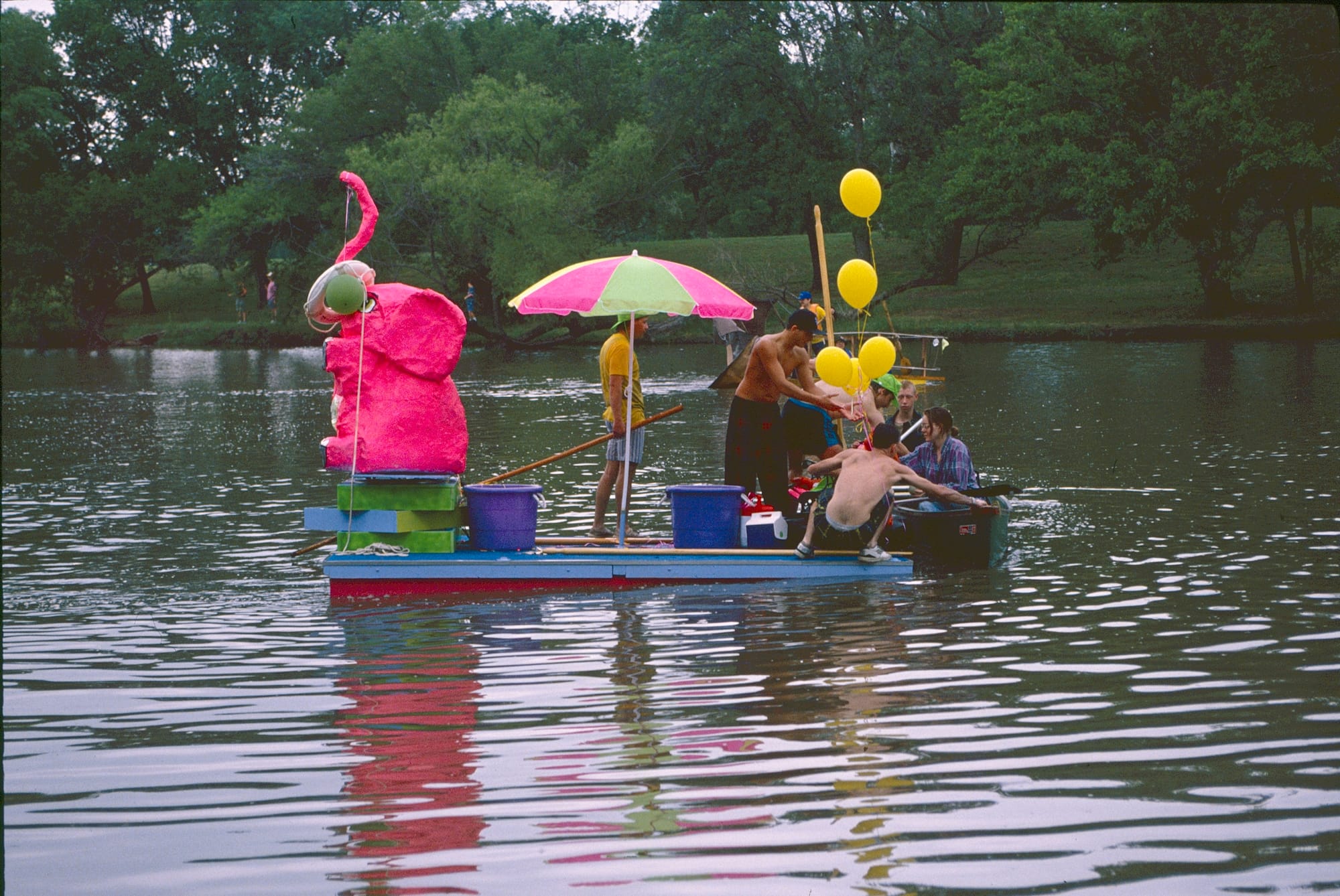
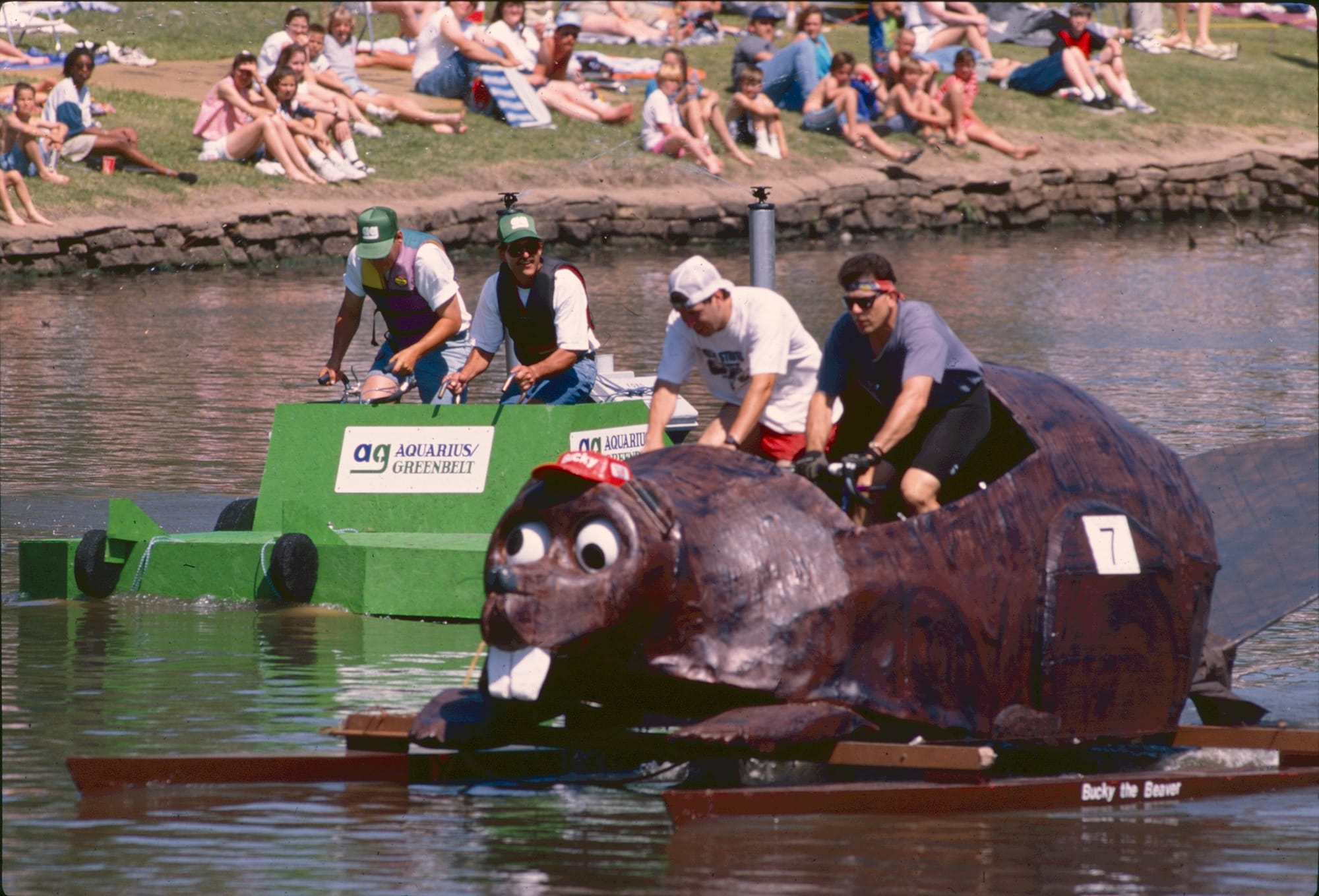
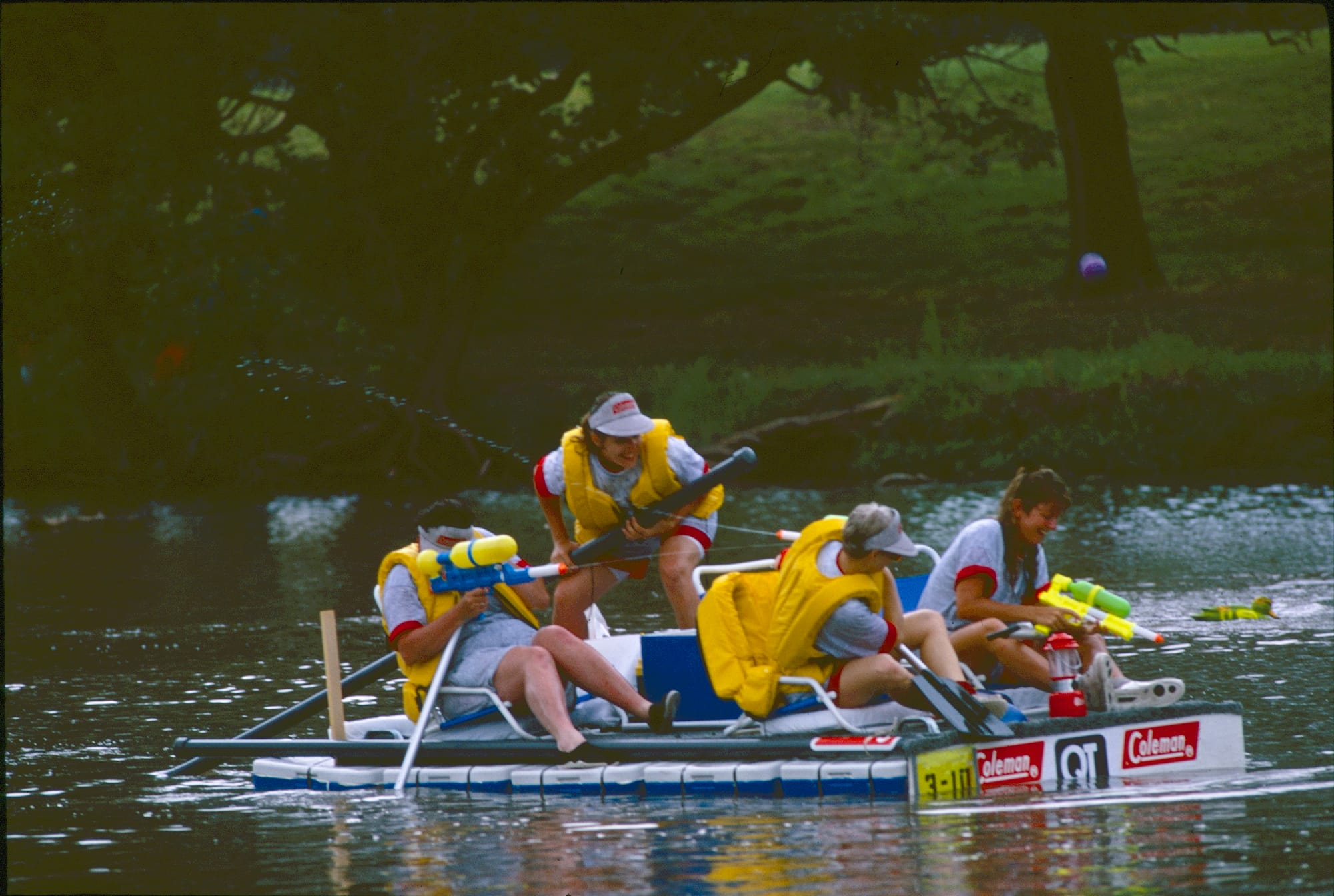
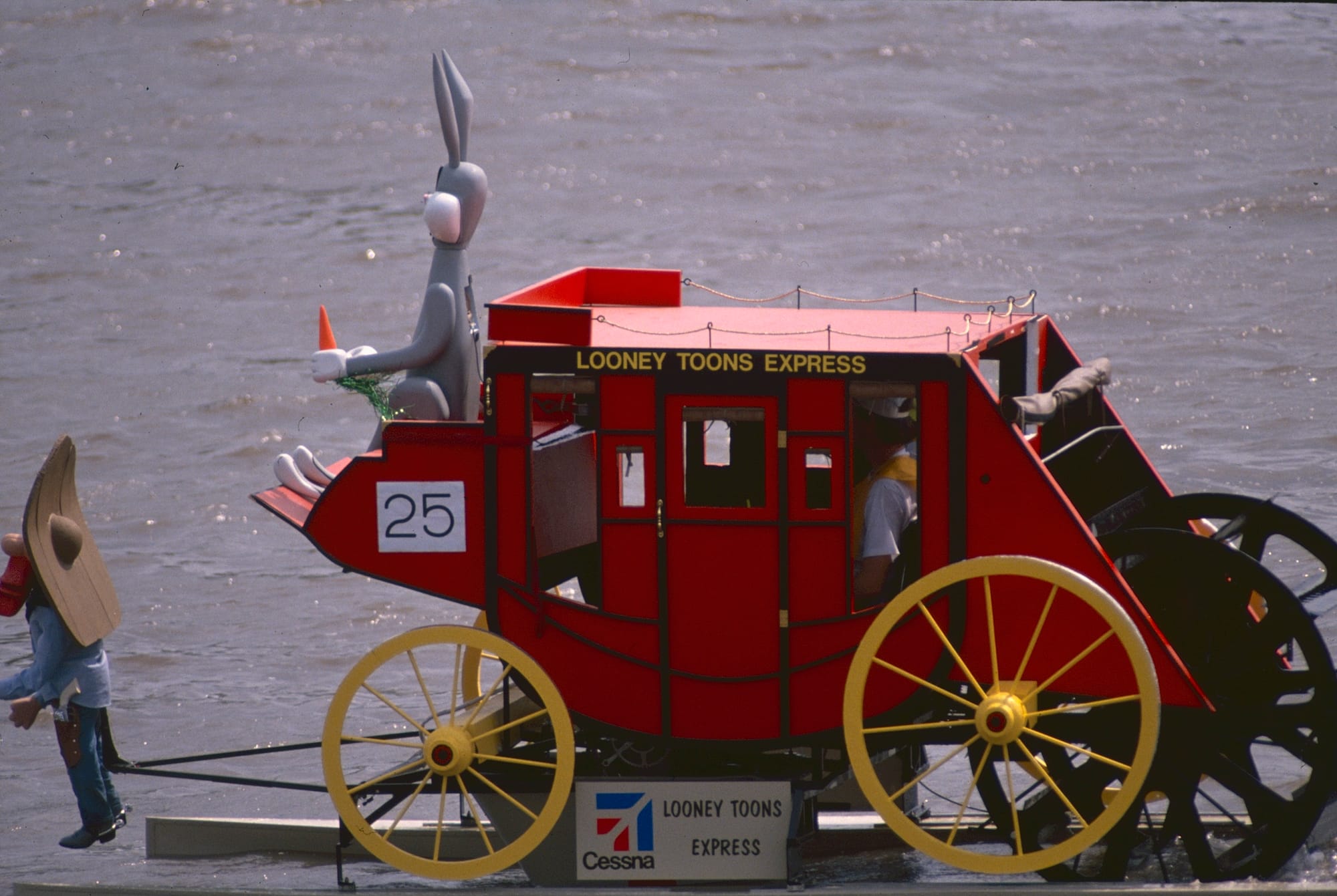
Riverfest watercraft from the era Eden Quispe evokes in "Where the River Flows Everything Will Live." Photos courtesy of Wichita Festivals, Inc.
The long neck of the “Riverfest dragon,” which adorned a well-remembered raft, extends toward the sky.
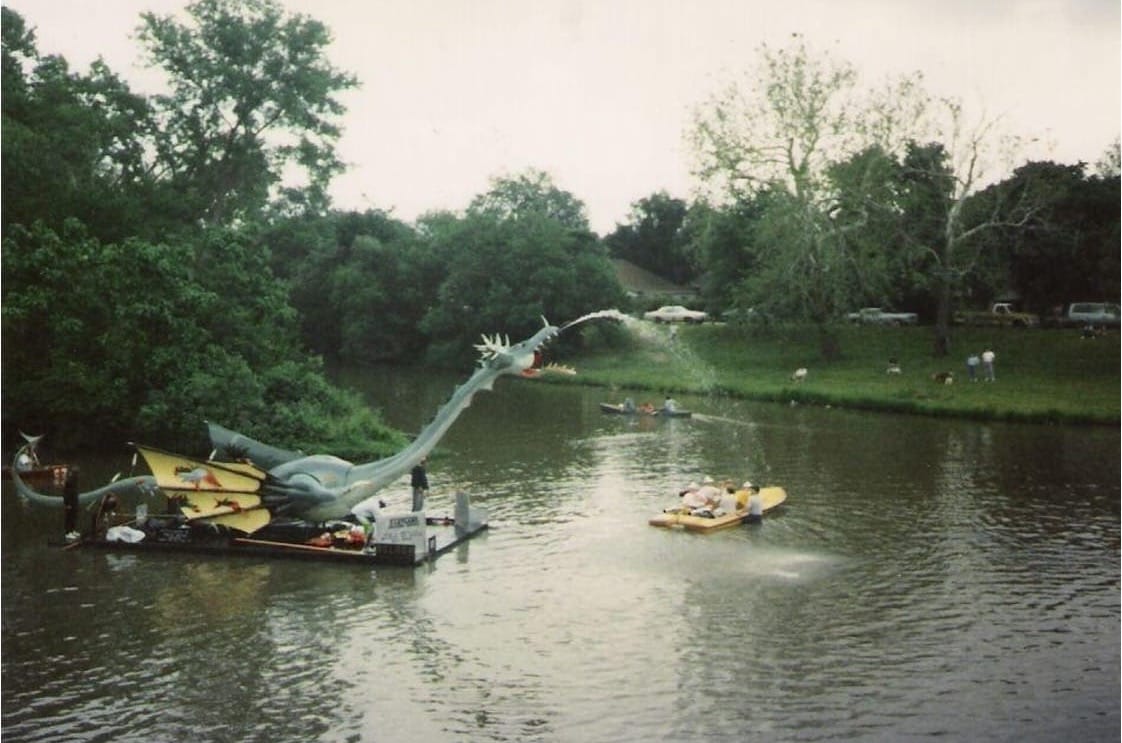
"(The dragon) represents the dark side — it's kind of scary," Quispe said in an interview with The SHOUT. "It's a representation of this darker feel."
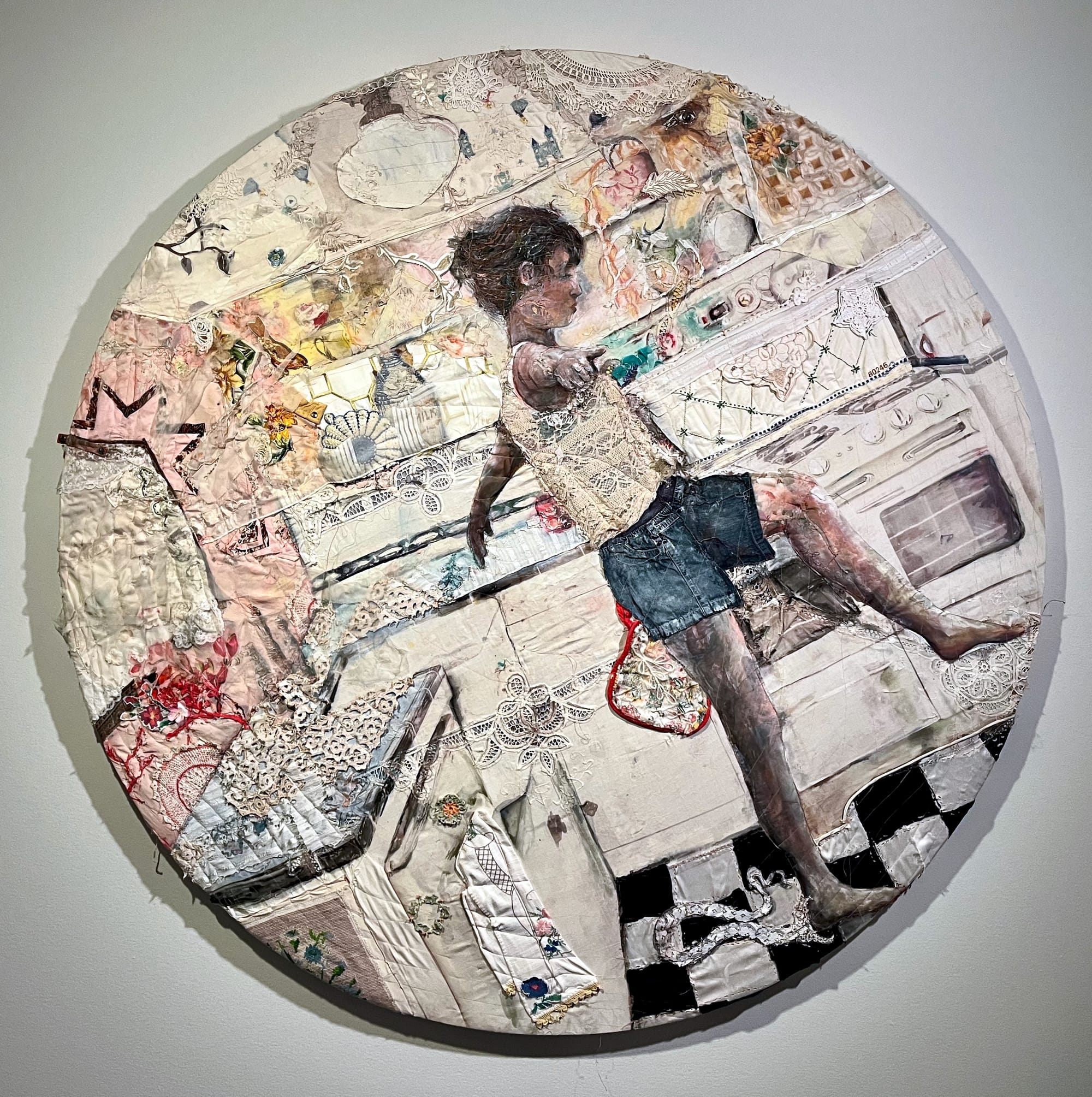
In that way, it resembles "Balance," another work in the exhibition at WAM. In both, a female figure is threatened by the presence of a serpent underfoot, a threat the girl and the woman both overcome.
One Riverfest button-holder hints at the source of the threat: A man with his arms crossed wears a bandana emblazoned with the design of the Confederate flag. Quispe says the figure is based on a photograph published in The Wichita Eagle by longtime Eagle photographer Fernando Salazar.
Nearby, two men brandish broken bottles-as-weapons. These figures complicate the artwork and acknowledge that the Wichita of Quispe's childhood wasn't all magic: Racism and violence marred the world then as they do now.
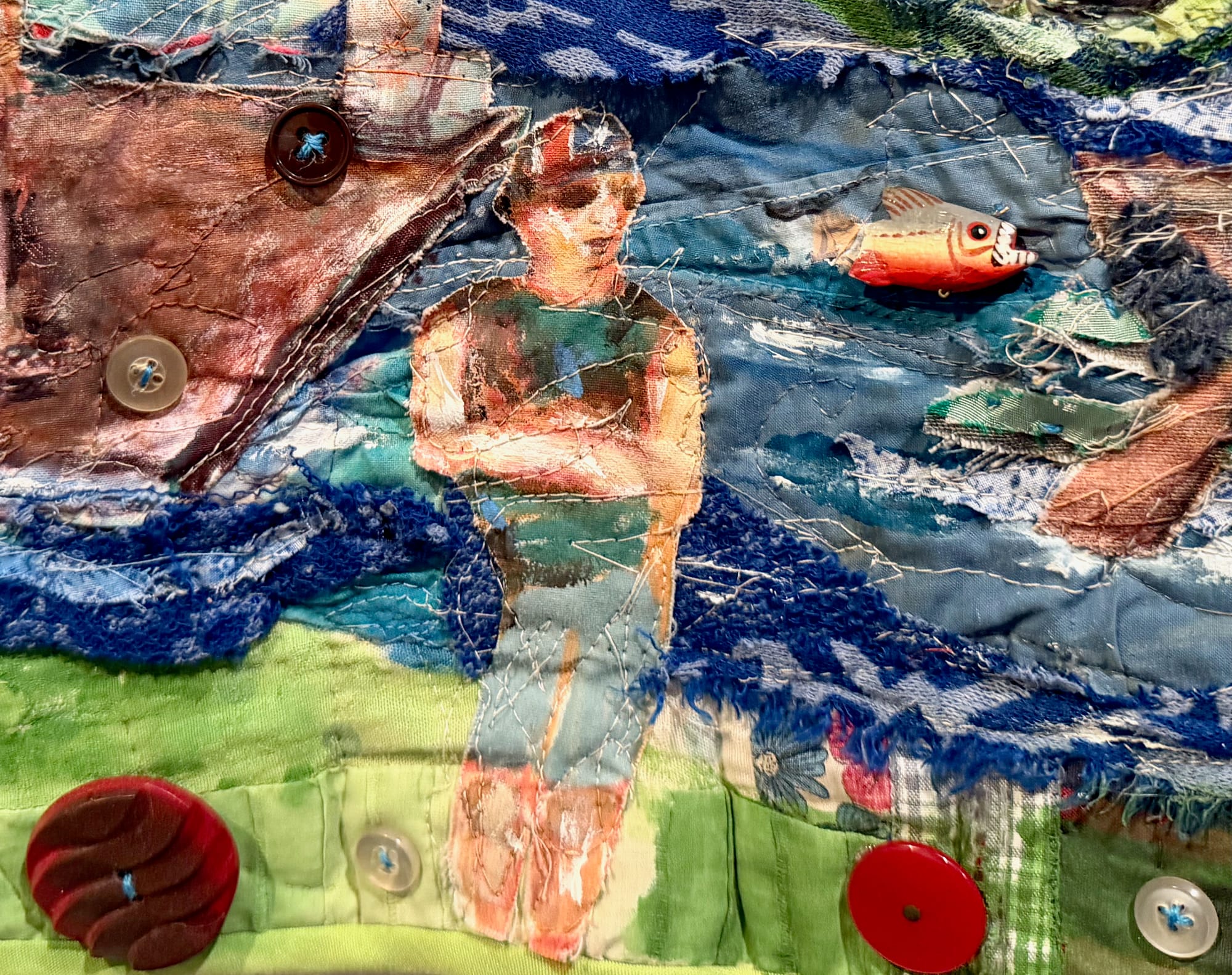
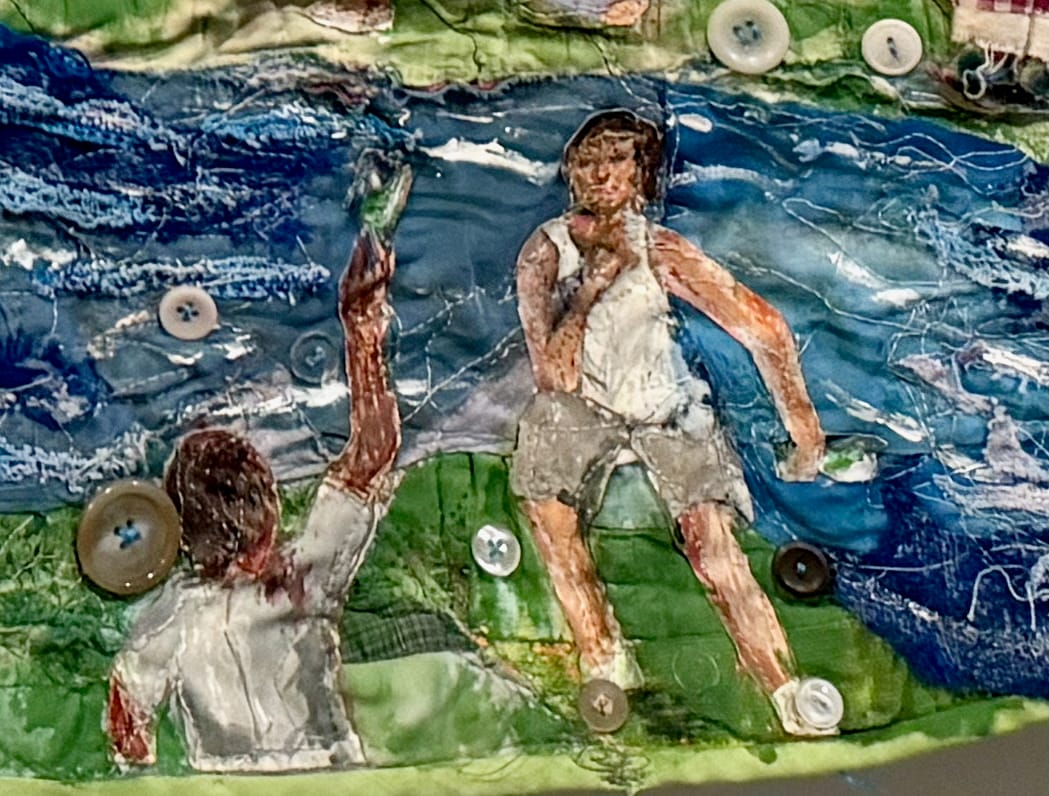
From left: A man wearing a Confederate flag bandana stands with his arms crossed; two men square off, each holding a broken bottle. Photos by Emily Christensen for The SHOUT.
Quispe used her daughter as a reference for the heroic central figure in “Where the River Flows.” The young girl's pose with outstretched hands resembles Blackbear Bosin’s “The Keeper of the Plains," the monumental sculpture and enduring symbol of Wichita that stands at the confluence of the Arkansas and Little Arkansas Rivers.
“Blackbear Bosin … talked about walking in two worlds," Quispe said. "I pulled into that narrative: What does it mean to walk in two worlds?”
Her daughter, who also helped paint this piece, is herself of two worlds: Kansas, where her mother's family stretches back generations, and Peru, her father's home country.
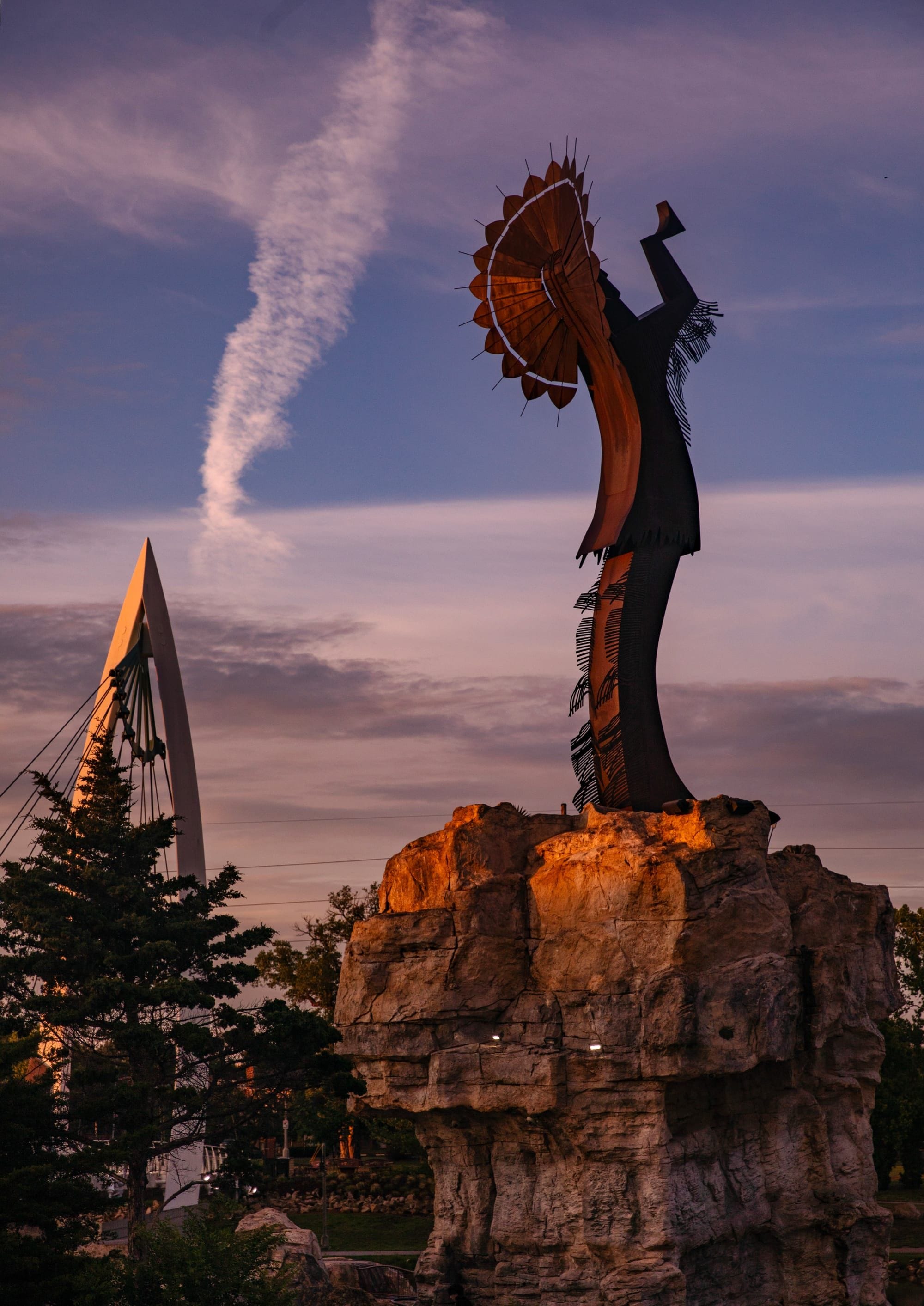
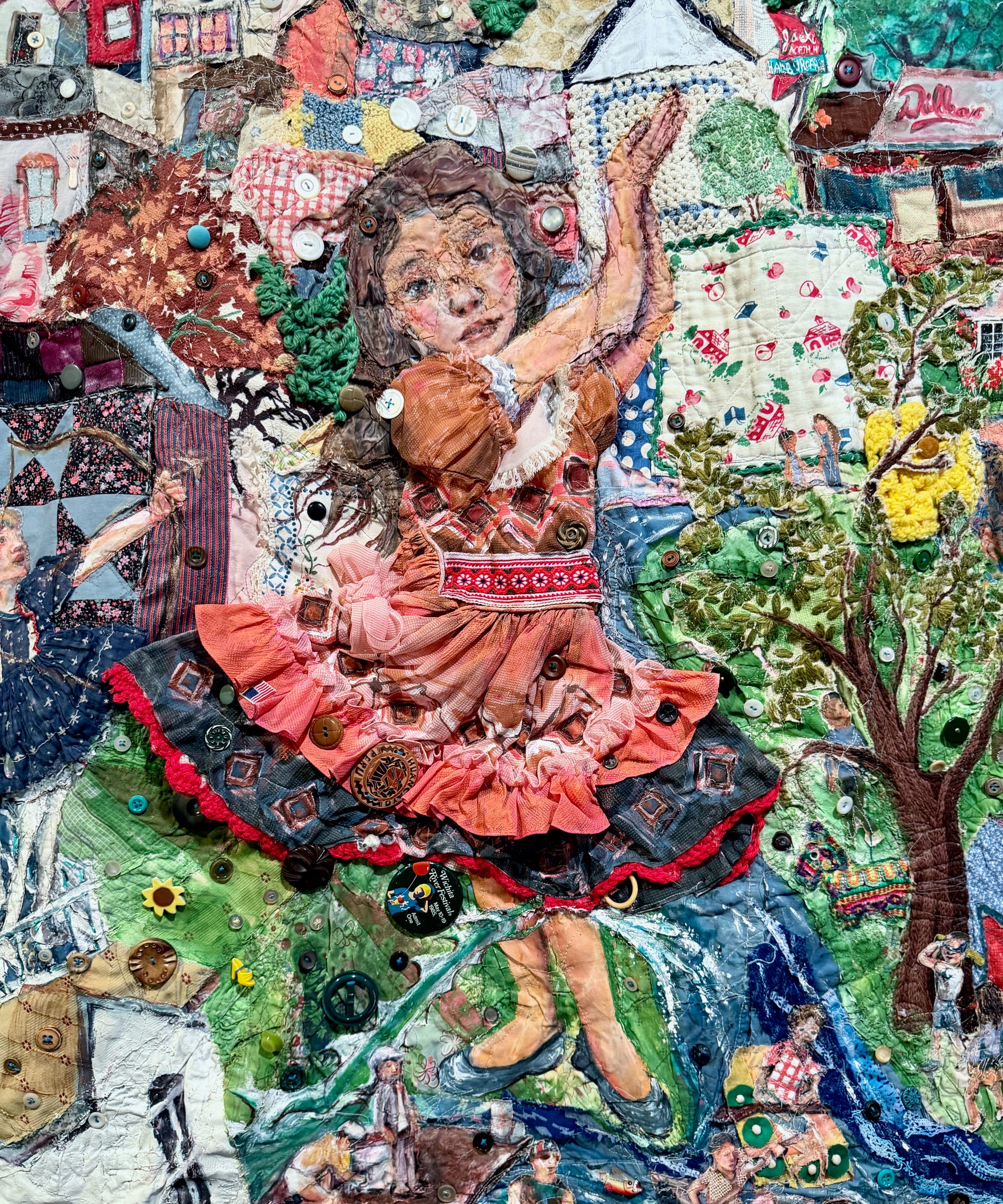
In "Where the River Flows," the girl's multiethnic identity is a source of power.
I mentioned Quispe’s exhibition in an editor’s note earlier this year:
Each of Quispe’s densely textured fiber work would make for an excellent game of “I spy,” and after her talk I noticed museum visitors lingering for an unusually long time in front of each piece. One WAM employee told me that when the show opened at 10 a.m. on Friday, staff gathered in the first-floor gallery to get a closer look — and “that doesn’t always happen.”
At the time, I couldn’t get a good photo of “Where the River Flows,” because people were crowded in front of it the whole time I was in the gallery.
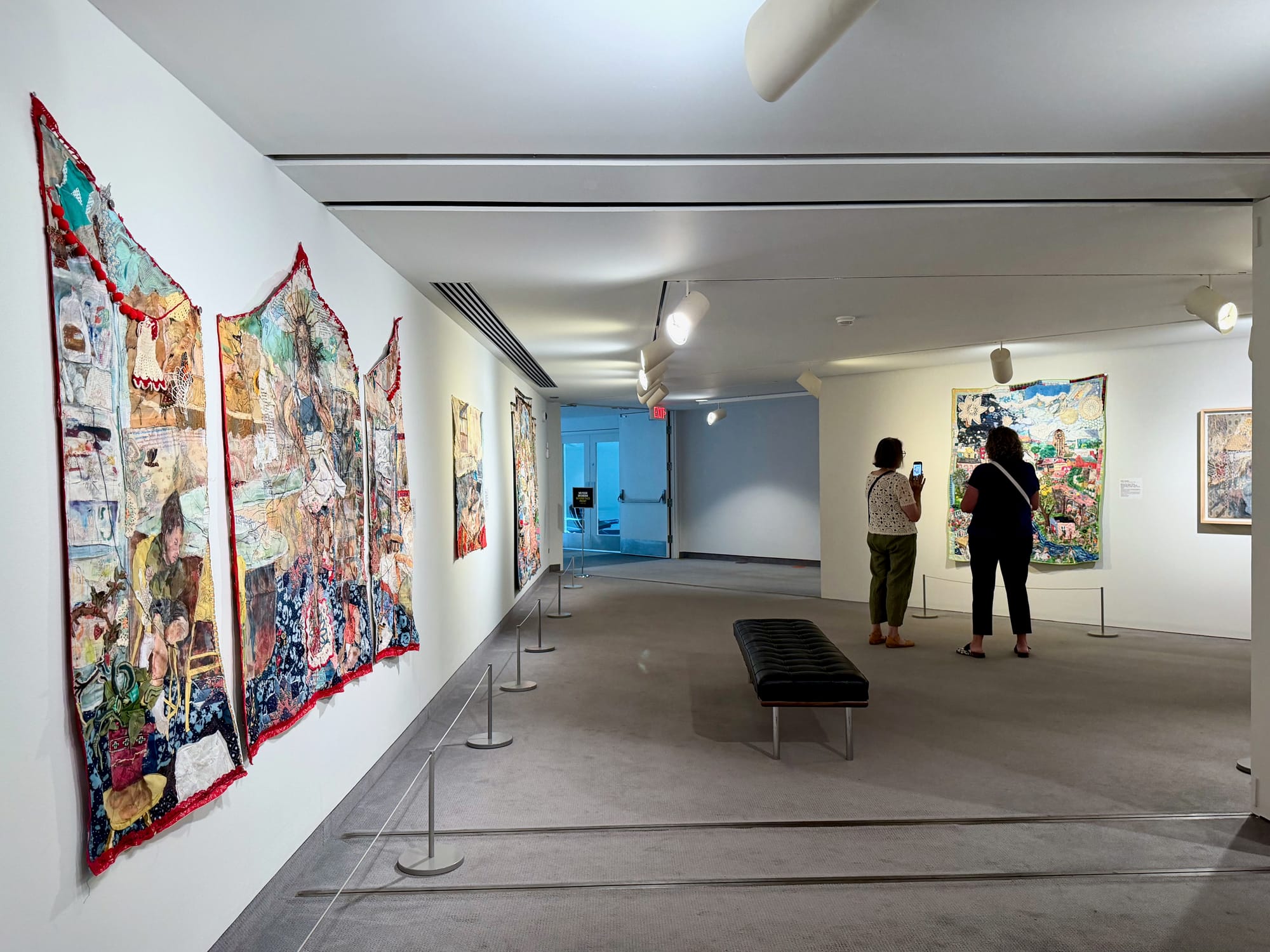
The “I spy” nature of the work is absorbing on a literal surface level — but there’s lots more to consider. It reminds me of a history painting (albeit one rendered with textiles): The artist is historicizing her own childhood in a diverse neighborhood in central Wichita, and , in doing so, she asserts that time and place is worth preserving and examining.
Perhaps best of all, Quispe offers interpretations of her personal history that differ from tired arguments about both Wichita and its annual community festival, which play out on social media between relentless civic cheerleaders and those who complain that “nothing happens here” or who romanticize the past at the expense of the present.
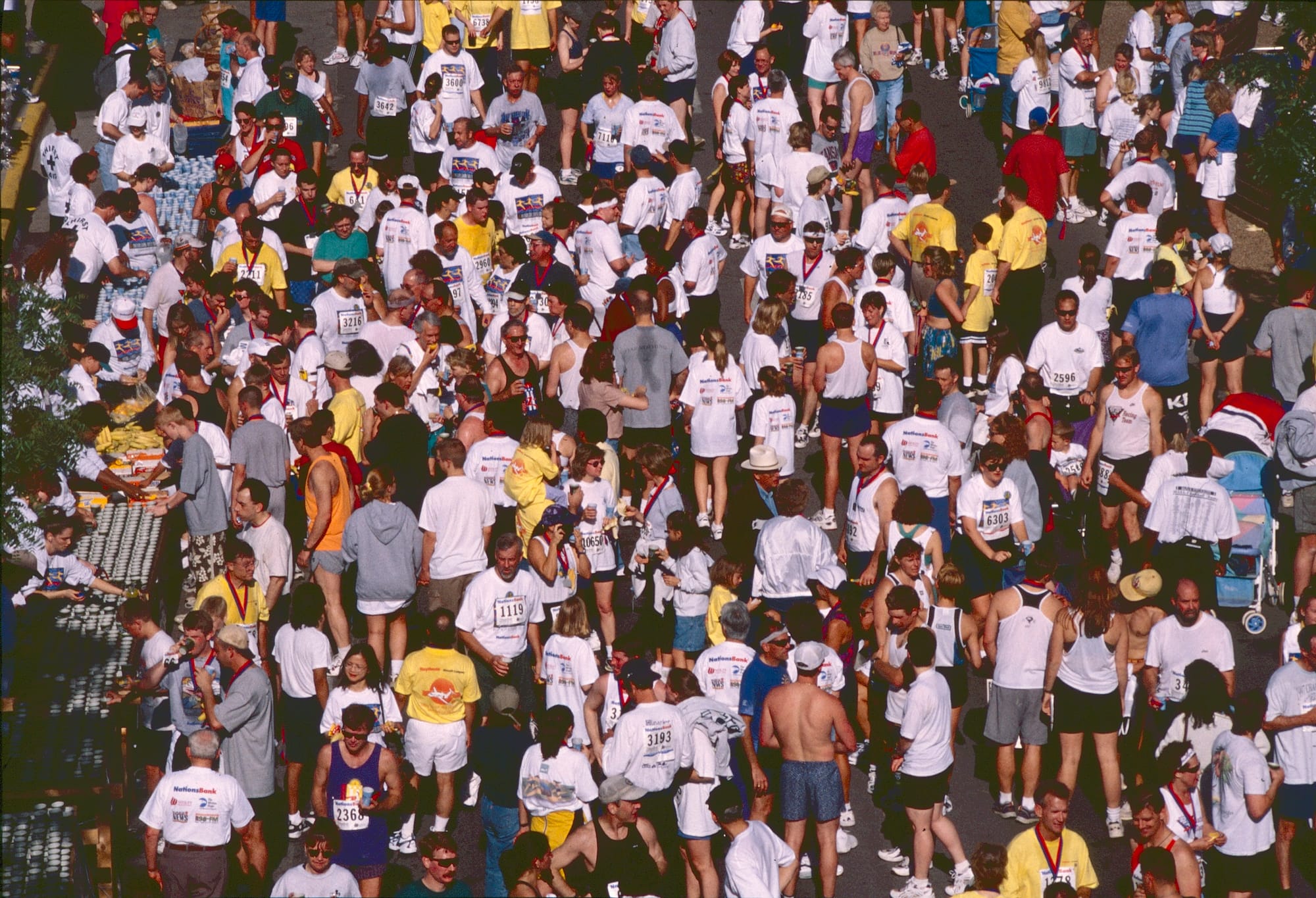
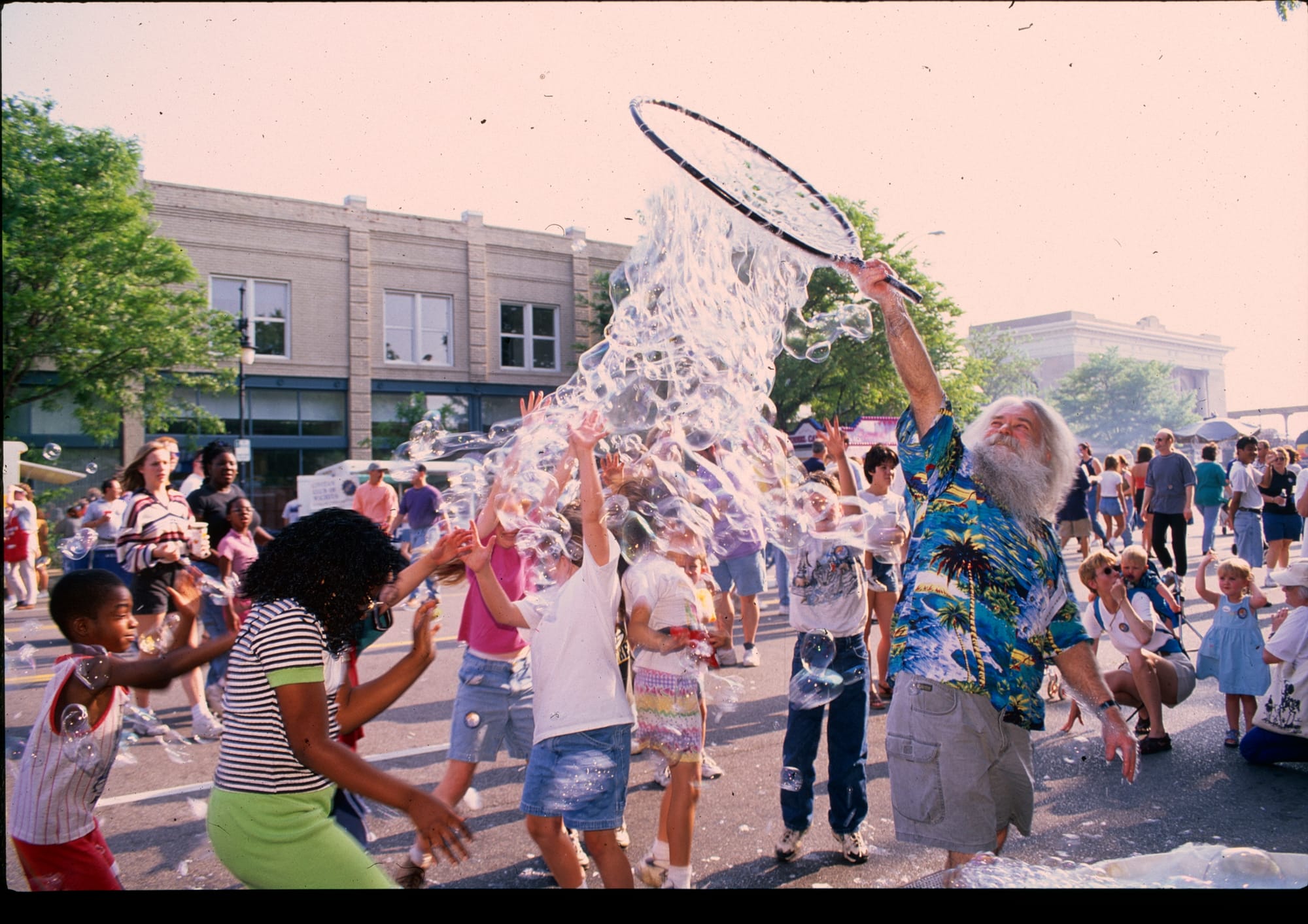
“I wanted to show both the good and bad of Wichita,” Quispe said. The good includes the city's racial and ethnic diversity, which mirrors national demographics.
“We can always improve, but we come from a position of strength.”
The Details
“Eden Quispe: Narrative Threads”
February 13-August 16, 2026, at the Wichita Art Museum, 1400 Museum Blvd. in Wichita
“Eden Quispe: Narrative Threads” is the sixth show in the Naftzger Family Regional Creatives Exhibition Series, offered in partnership with Harvester Arts. The exhibition is located in the Kurdian Gallery on the museum’s first floor.
The Wichita Art Museum is open to the public from 10 a.m.-5 p.m. Wednesday through Saturday and noon-5 p.m. Sundays. The museum has extended Friday evening hours until 9 p.m.
Admission to most galleries is free, and the building is accessible to people with physical disabilities. Free parking is available in the lot adjacent to the museum.
Emily Christensen is one of the co-founders of The SHOUT. She is a past fellow of the National Critics Institute at the Eugene O'Neill Theater Center and a recipient of an Arts Writing Grant from The Andy Warhol Foundation. Send her a message: emily@shoutwichita.com.
❋ Derby man has the kind of voice that turns heads — and chairs
❋ Socializing while sober: how some Wichitans are cultivating alcohol-free communities
❋ As a small creative business closes, the owner mourns
❋ Painting through it: Autumn Noire on 20 years of making art
❋ How a guy from Wichita resurrected 'Dawn of the Dead'
❋ Bygone Friends University museum housed curious collections
Support Kansas arts writing
The SHOUT is a Wichita-based independent newsroom focused on artists living and working in Kansas. We're partly supported by the generosity of our readers, and every dollar we receive goes directly into the pocket of a contributing writer, editor, or photographer. Click here to support our work with a tax-deductible donation.