Our overlapping humanity is on full view in 'U Bare It' at CityArts
The exhibition, a collaboration with the Ulrich Museum, combines anonymous art with interactive elements that invite intimacy. It's on view through December 23.
The Ulrich Museum of Art at Wichita State is almost halfway through a dynamic academic year of exhibitions. The museum itself is the subject of investigation in an ambitious, two-part program designed to upend many traditional hierarchies and norms.
The first part is a staggering exhibition of about 20% of the museum’s approximately 7,300 objects, titled “Bare It All,” installed from floor to ceiling in the Ulrich galleries. This effort invites the public to explore questions such as: What/why does a museum collect? Why are some objects given more cultural significance, when, and by whom? What are the logistics and challenges of cataloging, displaying, protecting, and storing valuable and diverse objects?
For the second part of this year’s programming, the museum is organizing satellite exhibitions in the wider community that include opportunities for artists and public interaction. One of these multifaceted projects, “U Bare It,” is now on view in the large, ground-level gallery at CityArts in Wichita's Old Town district.
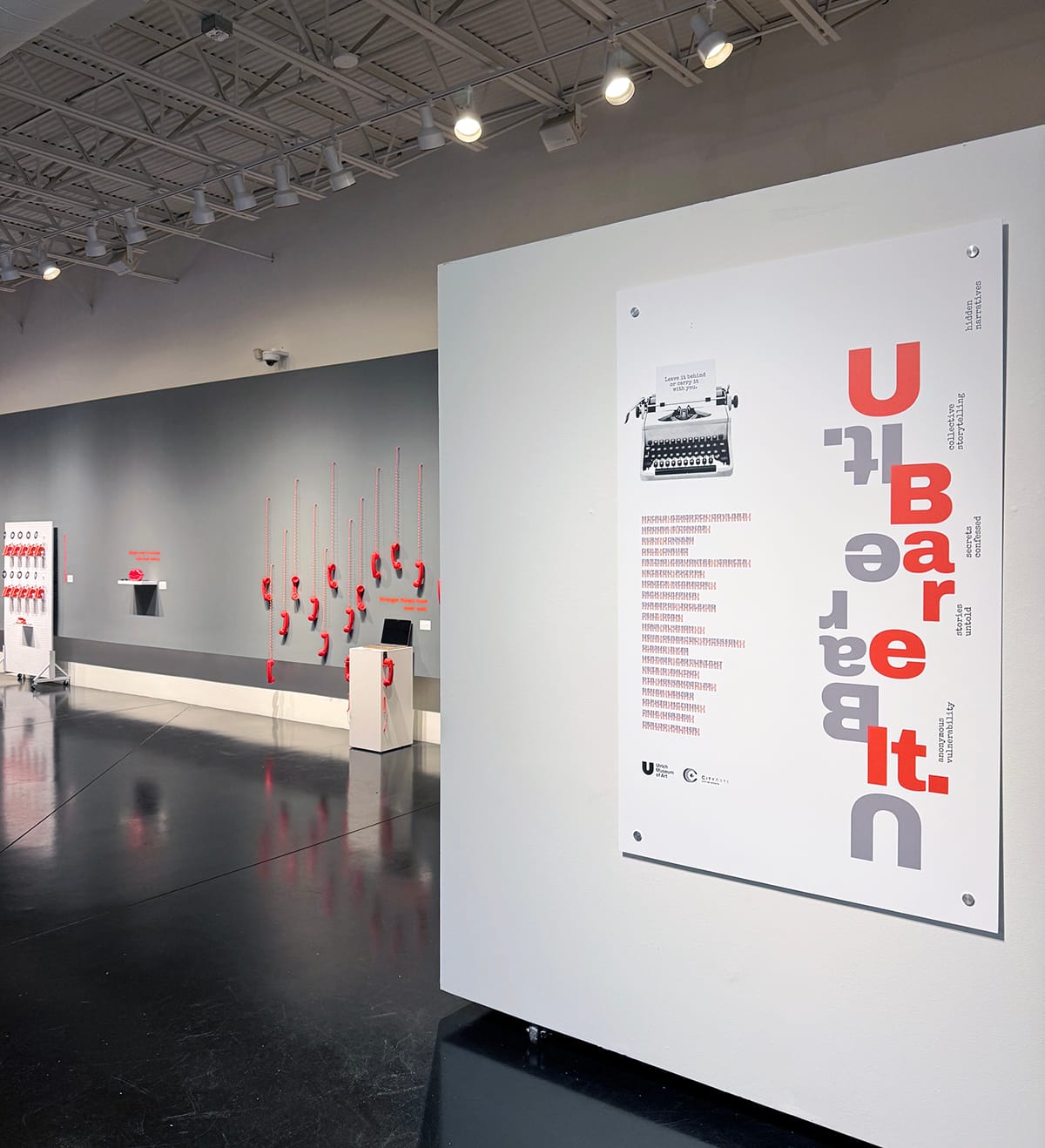
Curator Jeni Doom describes “U Bare It” as “an exhibition of anonymous works built from … hidden narratives.” According to her curatorial statement, “Every person carries a private archive: unfinished thoughts, withheld confessions, quiet contradictions, and stories that were never spoken aloud. These fragments live in the margins of our lives, remembered but never shared.”
Doom invited artists to contribute anonymous works of art that contain private narratives, elements of confession, or untold stories. These works are displayed without identifying the creators (though a list of participating artists is posted at the entrance to the gallery). And the wall text for each artwork includes the title, media, and date only when the artist chose to mention specifics. Some labels have 1-3 sentence descriptions of the artwork, while others use several paragraphs.
All of the wall labels are visually scrambled using a printing technique called “red reveal,” whereby red lenses (provided in the gallery) are required to mute cyan patterns and accentuate muted letters. This presentation, of course, plays on the idea of revealing secrets and requires a more focused level of audience participation.
Speaking of audience participation, two-thirds of the exhibition consists of various interactive installations that ask visitors to share their own private stories. These stations are diverse in format but thoughtfully designed with sleek red and white branding to guide activities. One installation of suspended red telephone receivers frames a laptop on a pedestal, sporting a connected handset and QR code.
With these tools, visitors can log a personal confession: “Something you regret, thoughts you never said, a secret you never told anyone…” The recording software will scramble the caller’s voice to protect privacy. This installation has a corresponding telephone booth connected in the atrium of McKnight Art Center on the WSU campus.
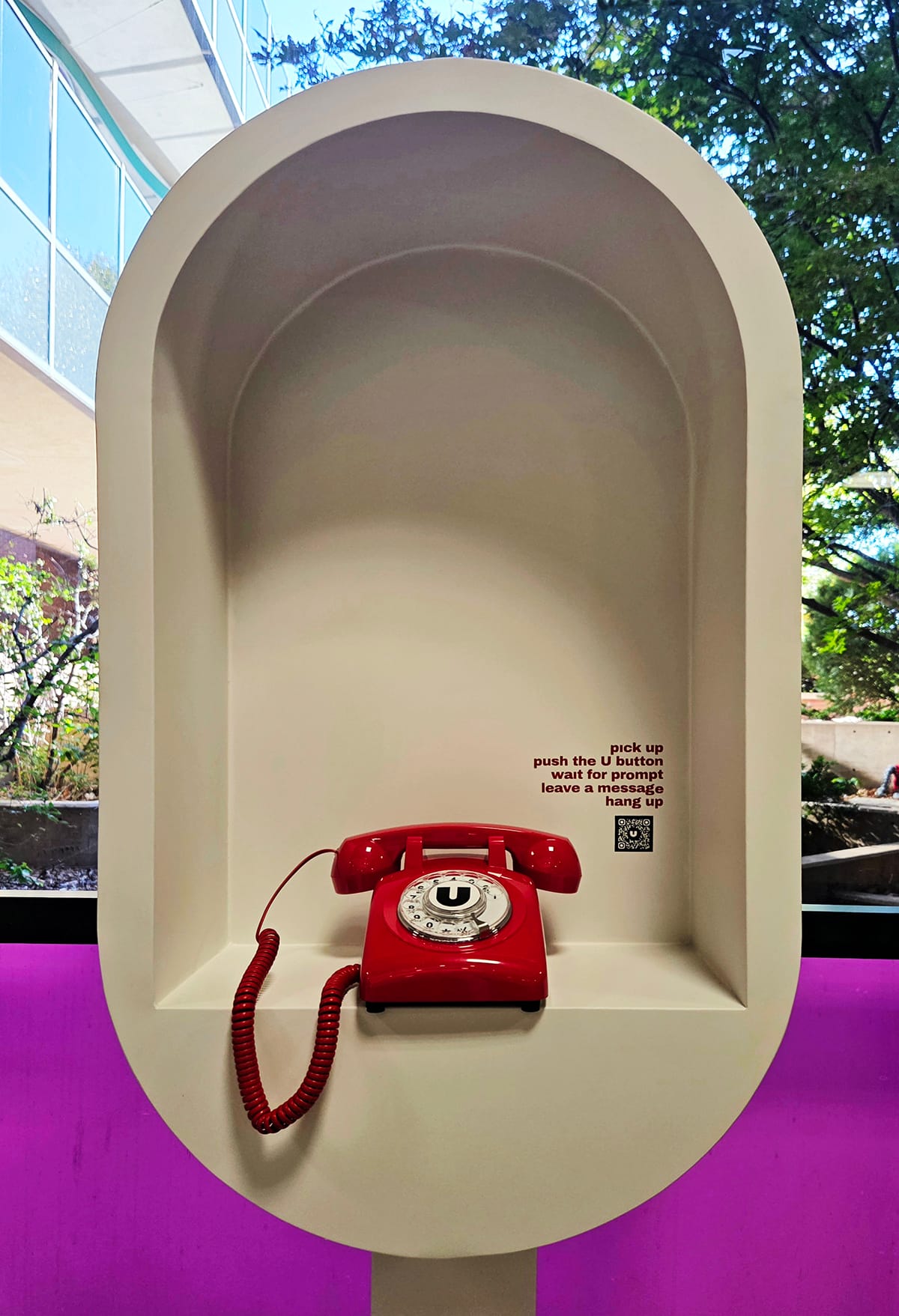
Along with the call center, other installation elements in the gallery act as metaphors for how we manage or process our inner dialogue. Audience members can type unspoken ideas at a typewriter in the corner of the gallery, and a paper shredder is available for nullifying these messages. A rack of vintage-looking magic viewfinders and cartridges are designed to spark ignored or forgotten memories, next to a label that asks, “Truth or dare to tell?”
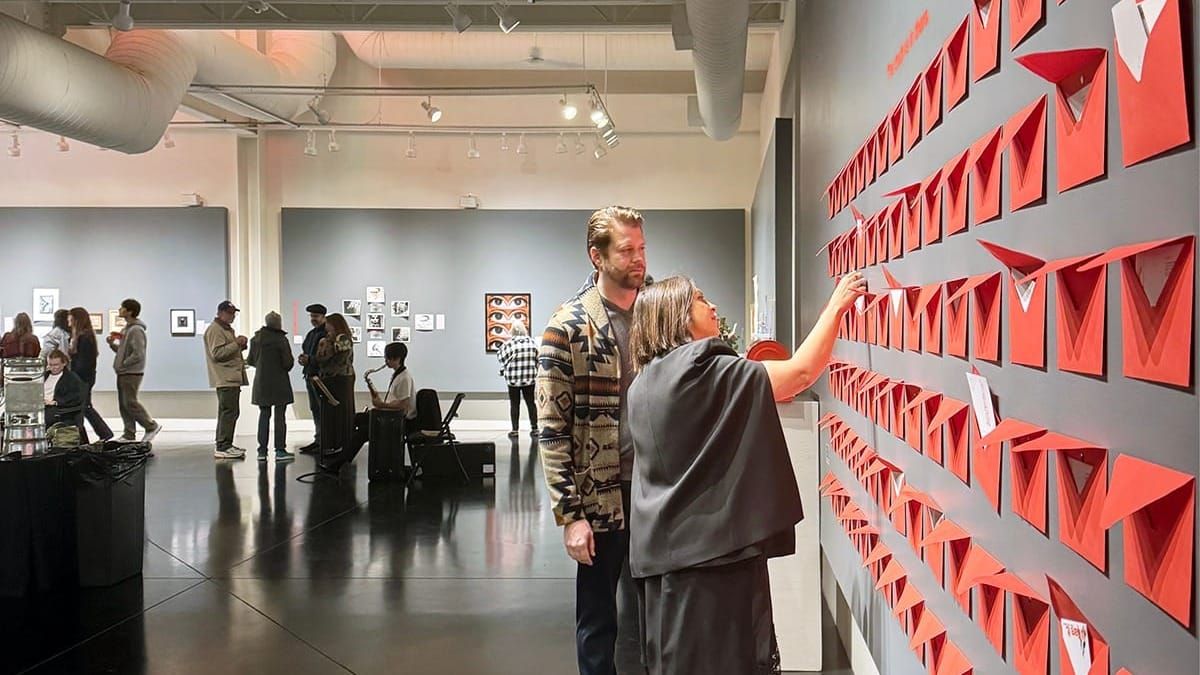
Visitors can also write private communications on postcards at the back of the gallery. These correspondences are formatted for mailing, but they can also be posted in a red metal mailbox labeled “Have the last word.” Some of these written messages are displayed in rows of red, wall mounted envelopes, unsealed for the public to read.
I read one message about anger over pancreatic cancer, another about cheating on a fourth-grade spelling test, an earnest message to future trans youth, and a blunt admission, “I would rather be married to a data center than my ex.” Reading these anonymous notes did not feel voyeuristic or creepy. Instead, these and other elements in the exhibition are quite affirming, reminding viewers of similar experiences and our overlapping humanity.
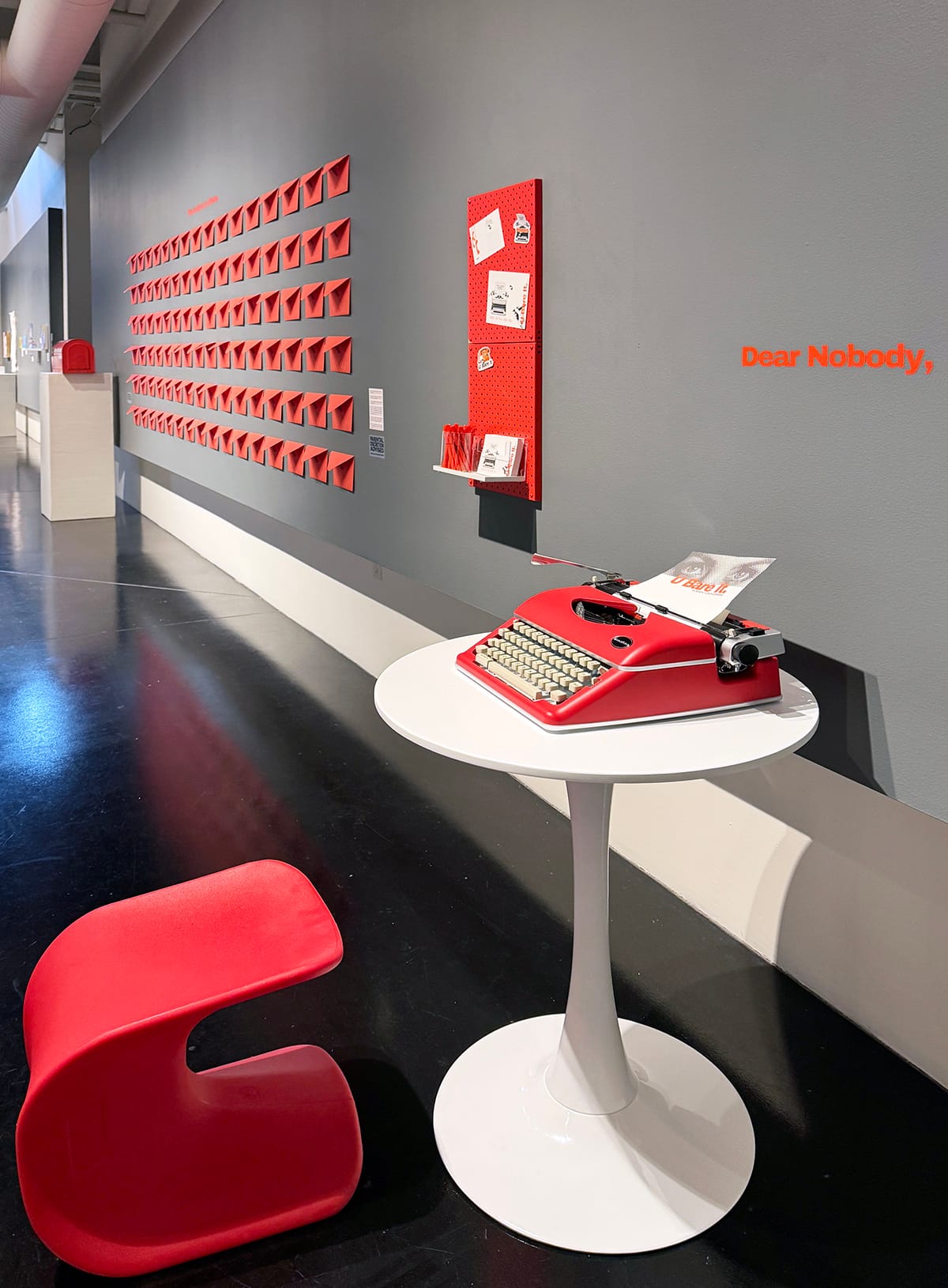
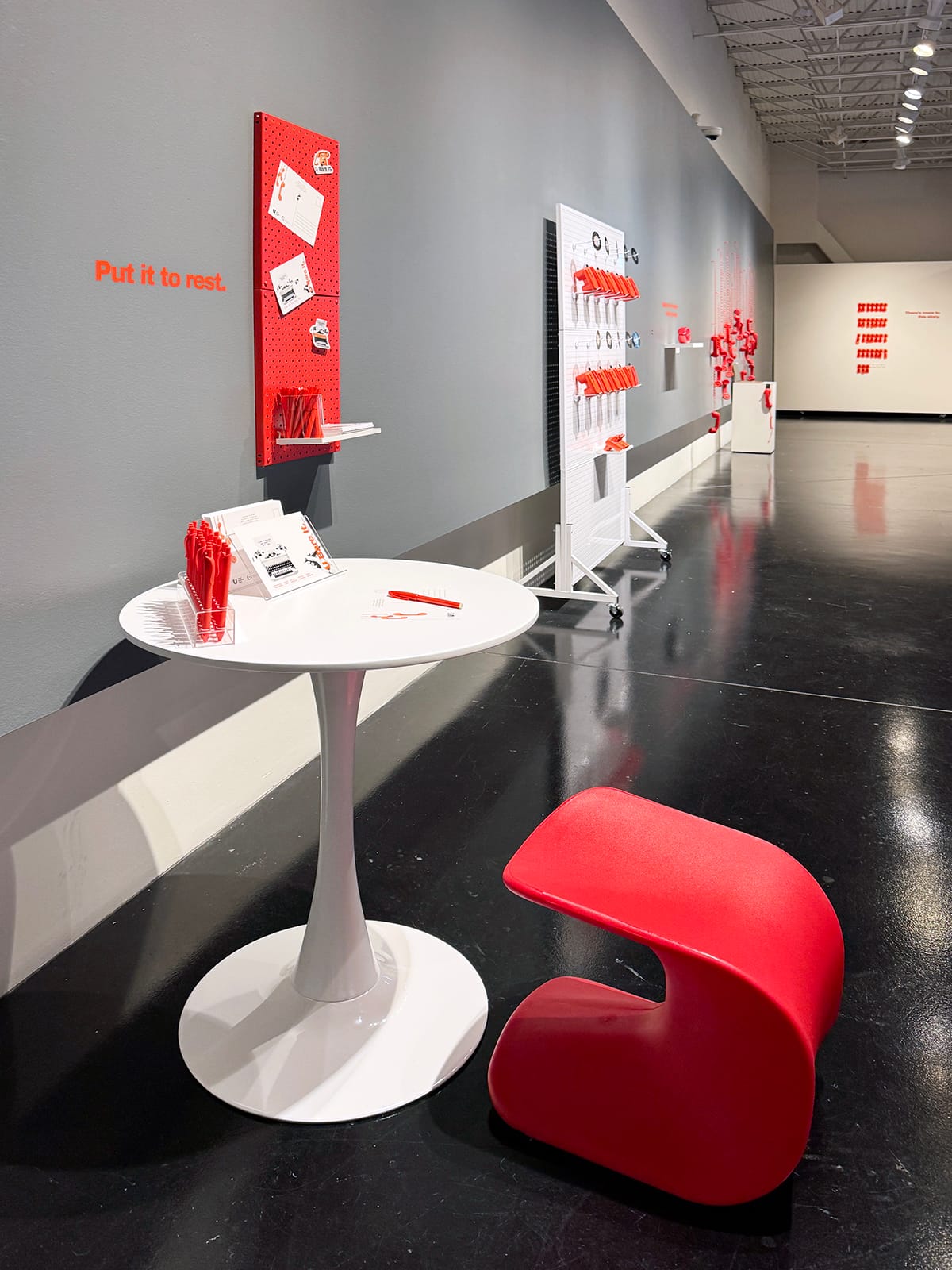
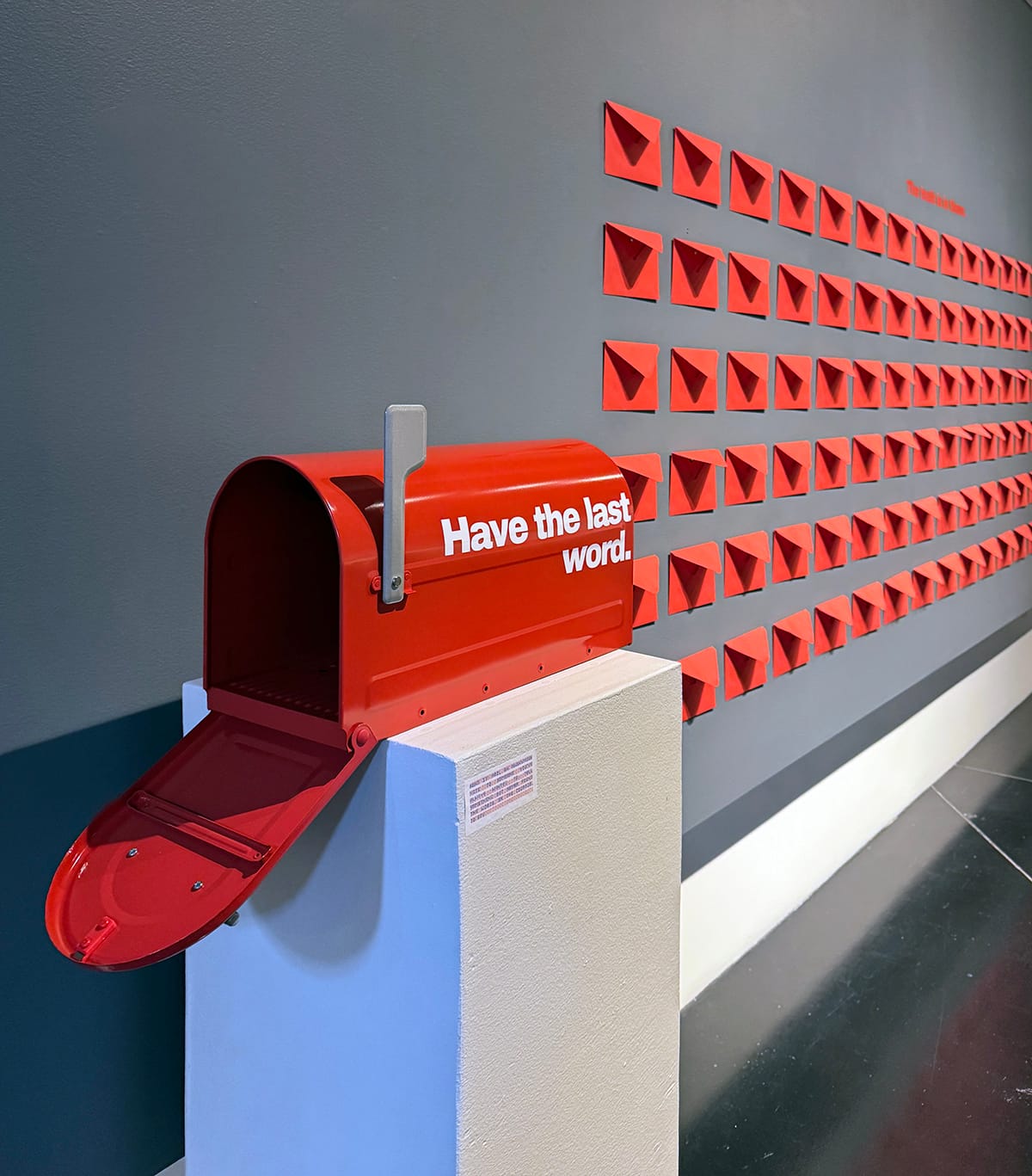
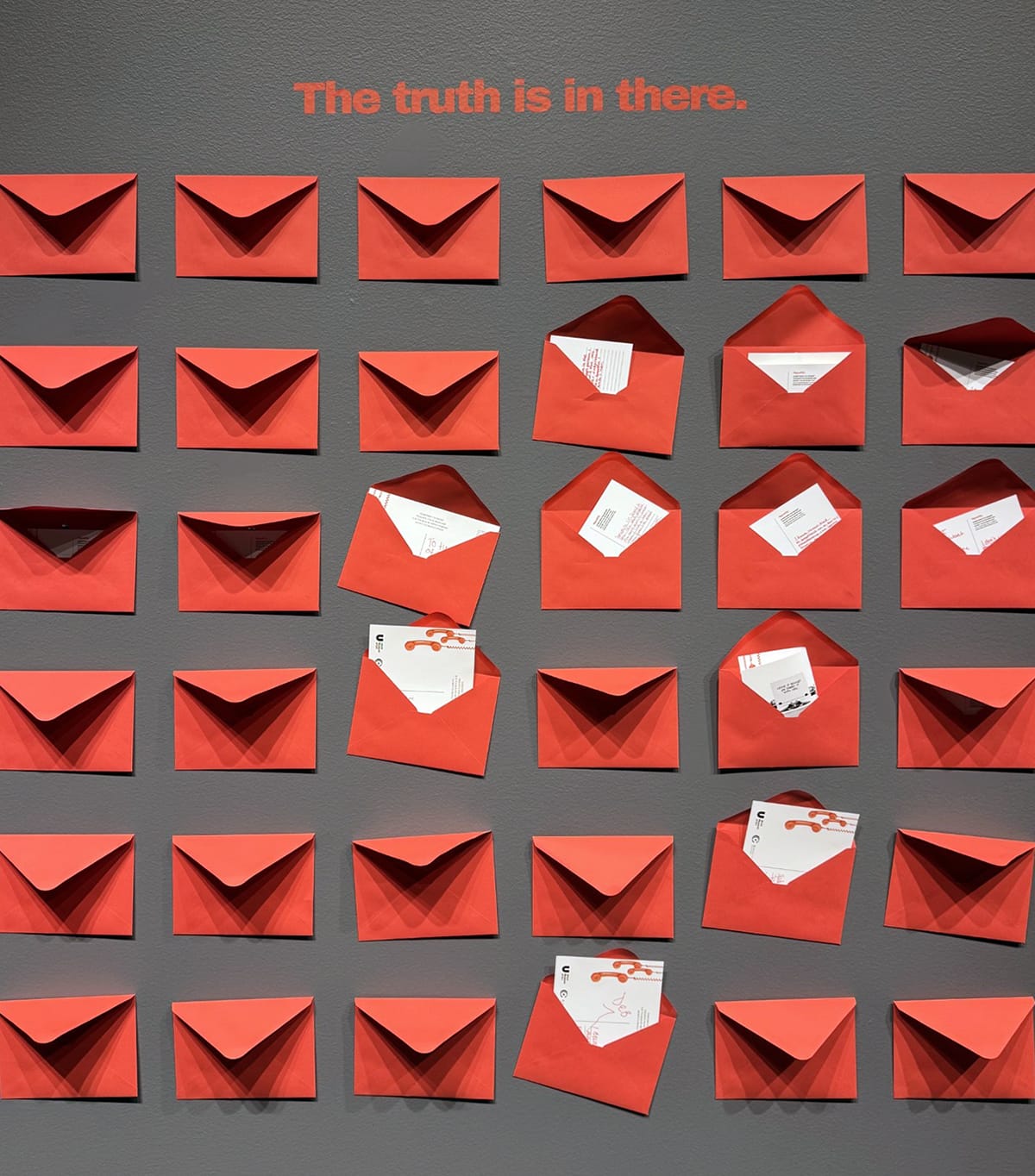
Installation views of “U Bare It.” (Jeni Doom/Ulrich Museum)
This communal feeling is perhaps best exemplified in a fluid installation featuring stones, a scale, and a suitcase. The work invites participants to inscribe emotional burdens on flat white stones with red pens. These stones can be piled upon a scale labeled “Heavy things go here.” Alternatively, visitors can pack stones into an open suitcase on a pedestal labeled “Emotional baggage claim.”
While all these interactions are designed to be metaphorically direct and a little on the nose, the public seems eager to participate. The contributions feel quite honest, referencing the weight of hunger, family trauma, and the fleeting nature of good times.
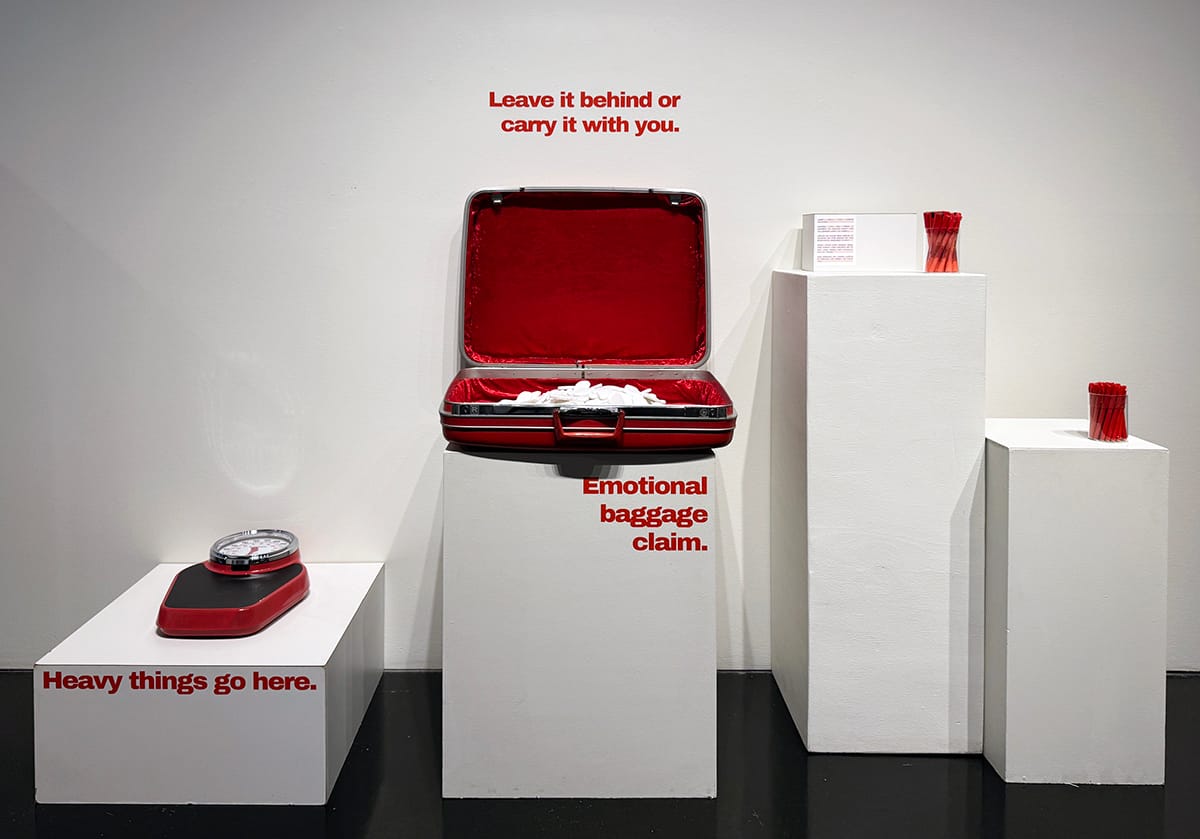
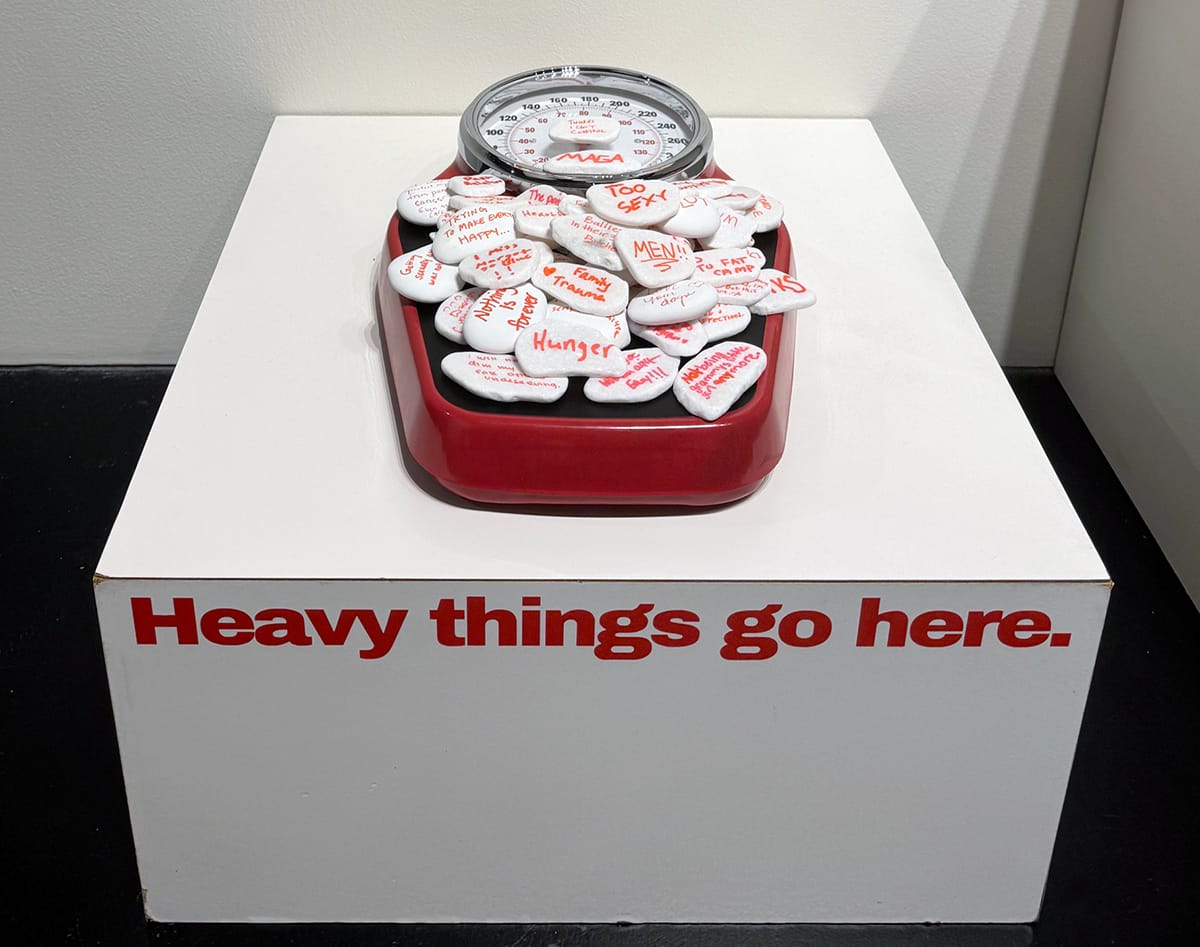
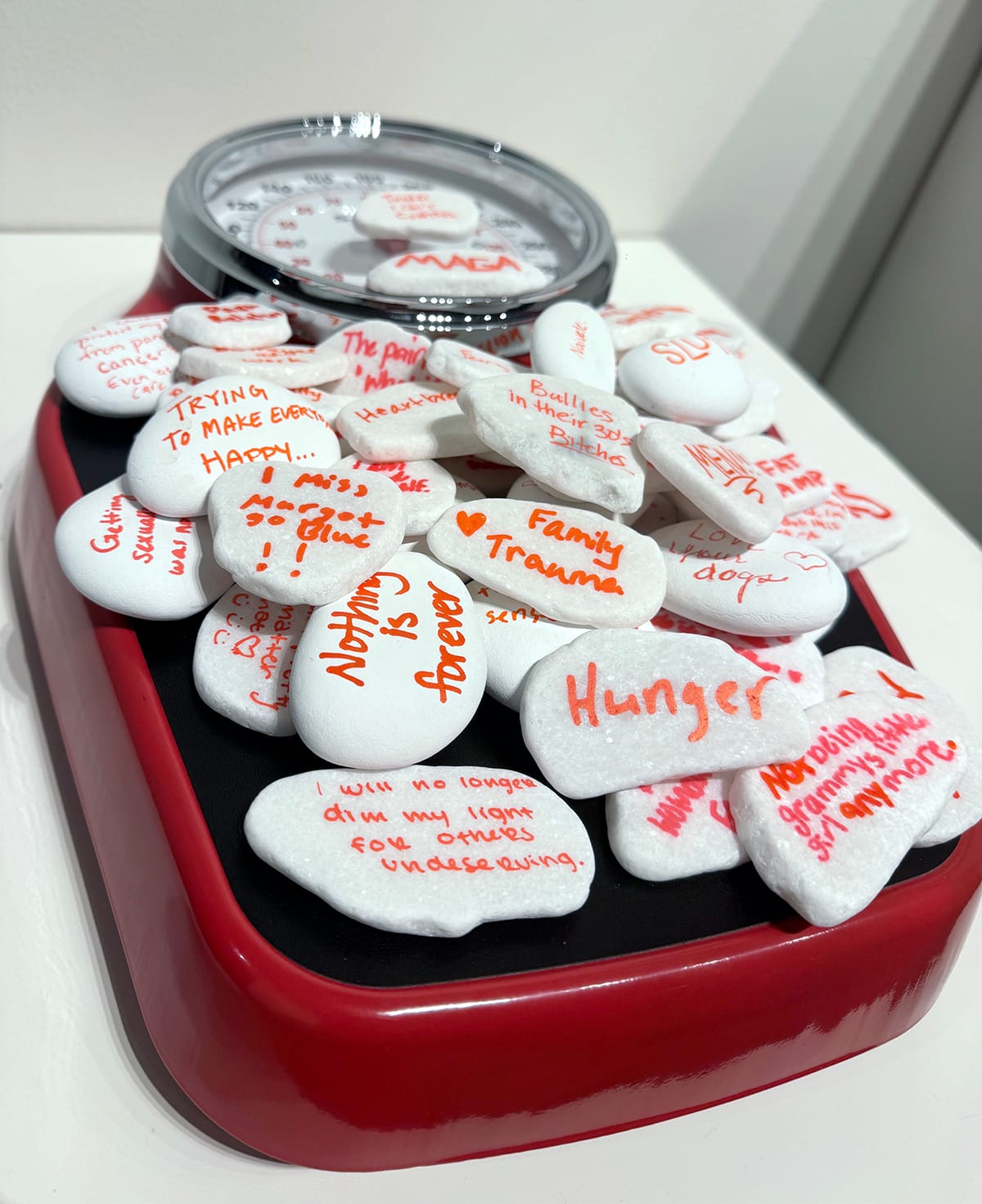
Installation views of “U Bare It.” (Jeni Doom/Courtesy)
One alcove of the large gallery is dedicated to the anonymous artworks contributed through an open call publicized by the museum. In keeping with the themes of the larger exhibition, these works are diverse in subject but unified by the intention of honesty. In most cases, these pieces rely on a direct, unframed presentation, emphasizing sincerity and vulnerability over professionalism. Doom, the curator, wanted to shift the focus away from reputation and personal branding with this part of the show. According to Doom, in removing authorship, “The work becomes less about who made it and more about what it reveals.”
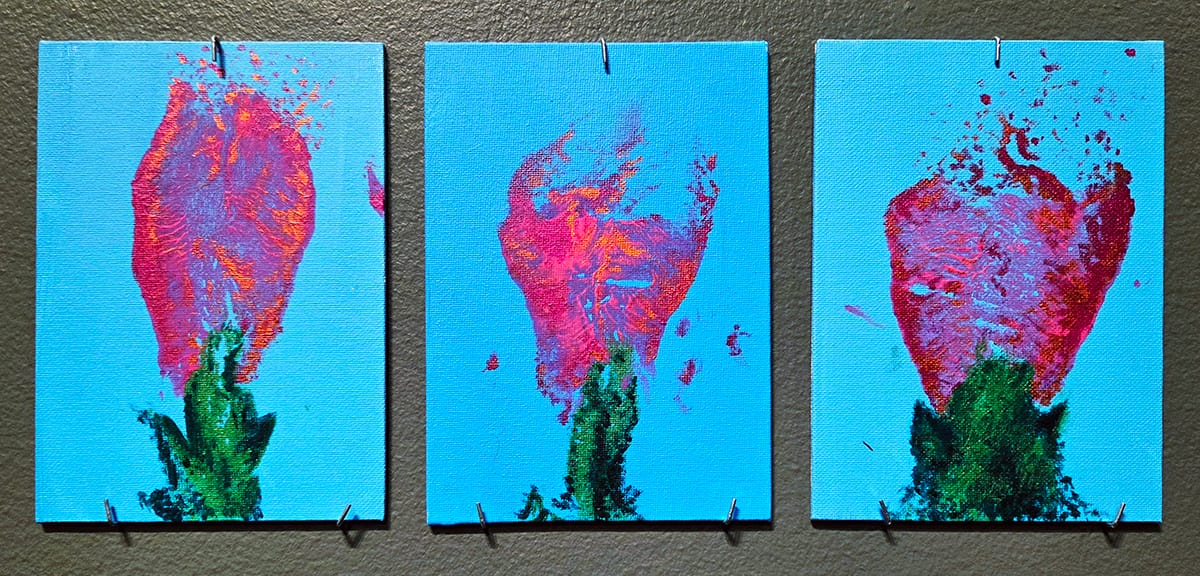
So, what is revealed? One concept that comes across in several works is intimacy. This is apparent in two adjacent works (presumably by the same artist), each consisting of a series of three small paintings on canvas board panels. The first work is titled “Tipsy Tulips” and features a clumsy red daub on top of loose greenery against a flat blue background. The artist repeats these elements across the three panels with some organic variation. In the accompanying text, we learn that the artist created the forms using water soluble paint and “human anatomy as a stencil…inspired by a secret evening of romance and a lot of laughing.”
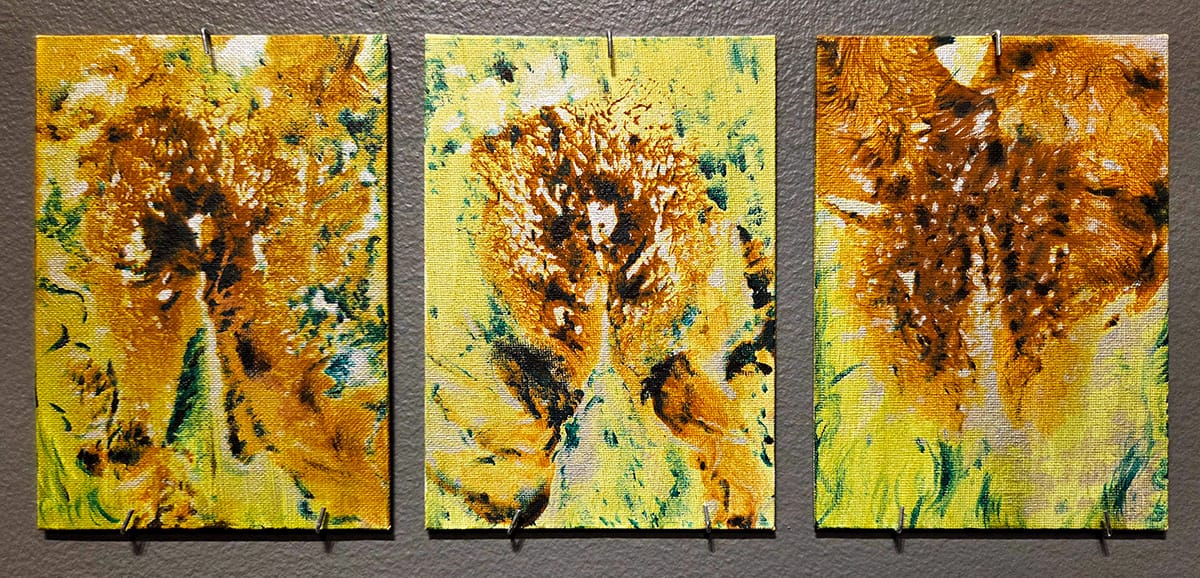
Similarly, “Prowling Tigers” uses colors and textures that evoke a grassy landscape with three repeating forms. The artist made this triptych with the same tools as in “Tipsy Tulips,” but describes this as a “secret painting that I made right after I got married. I was afraid I was losing my libido. So, I wanted to depict my sex in a more wild light.” The demure scale of these works helps them read as playful experimentation as opposed to brash exhibitionism.
Another theme in many of the works in this portion of the exhibition is the freedom to tell stories. With the burden of authorship lifted, some artists leaned into invented narratives. “Sparkly Cactus” is an iridescent creation made of curved and blocky forms with incised patterns. The sculpture is about three feet tall and sits on a pedestal. The artist lists media as “moon rocks, meteor chunks, cast in desert stardust.” This remarkable list is accompanied by a lengthy description of the origins of this specimen, which reads like an excerpt from a sci-fi novel.
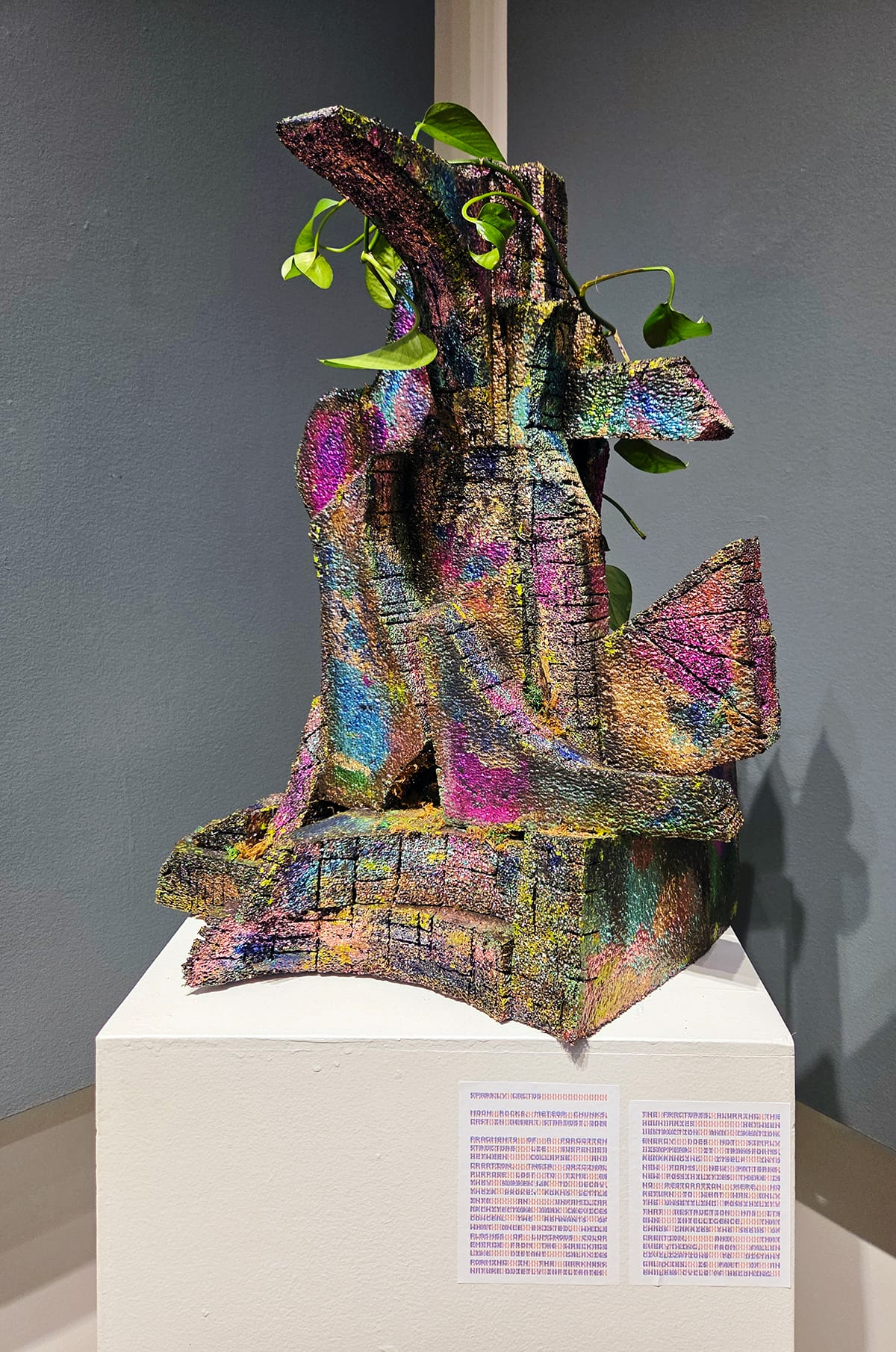
The passage alludes to a lost past, decay, transformation, and the emergence of new intelligences. The most striking thing about this piece is the huge gap between the work and the intriguing story of this object, and the way it reveals its obvious fabrication. Objectively, “Sparkly Cactus” is a few hunks of Styrofoam coated with inexpensive paints. There is a common houseplant draped over its upper limbs, representing some of the transformation the artist alludes to in the label text. But this gap between the storytelling and the presentation does not come across as inauthentic or disappointing. The eager commitment to the bit suggests an almost childlike desire to suspend disbelief with limited resources. The artist seems to be inviting the viewer to join in a game of make-believe.
Sometimes anonymity allows artists to tell nonfiction stories that are difficult to process or politically fraught. “Tempora Incognita” consists of large horizontal prints mounted to the wall like technical schematics of topographical studies. These could be arid rock formations or eroded rubble, rendered in contrasting neutrals. The artist describes these as “images which explore different ways to visualize significant, often violent events captured in sound topographies.”
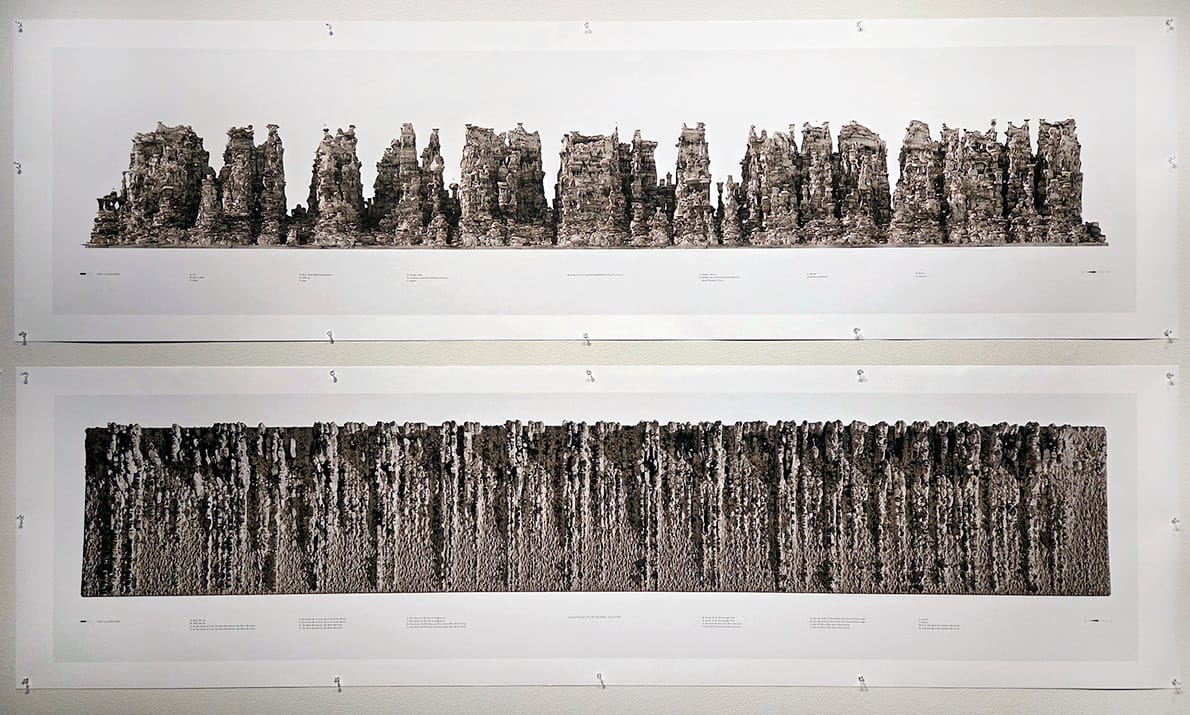
Further reading reveals that the first visual soundscape comes from a U.S. senator saying the phrase “Were there not an Israel, the United States of America would have to invent an Israel to protect her interests in the region.” As the artist explains: “The very sound of these prophetic words look like the devastated landscape of Gaza today.”
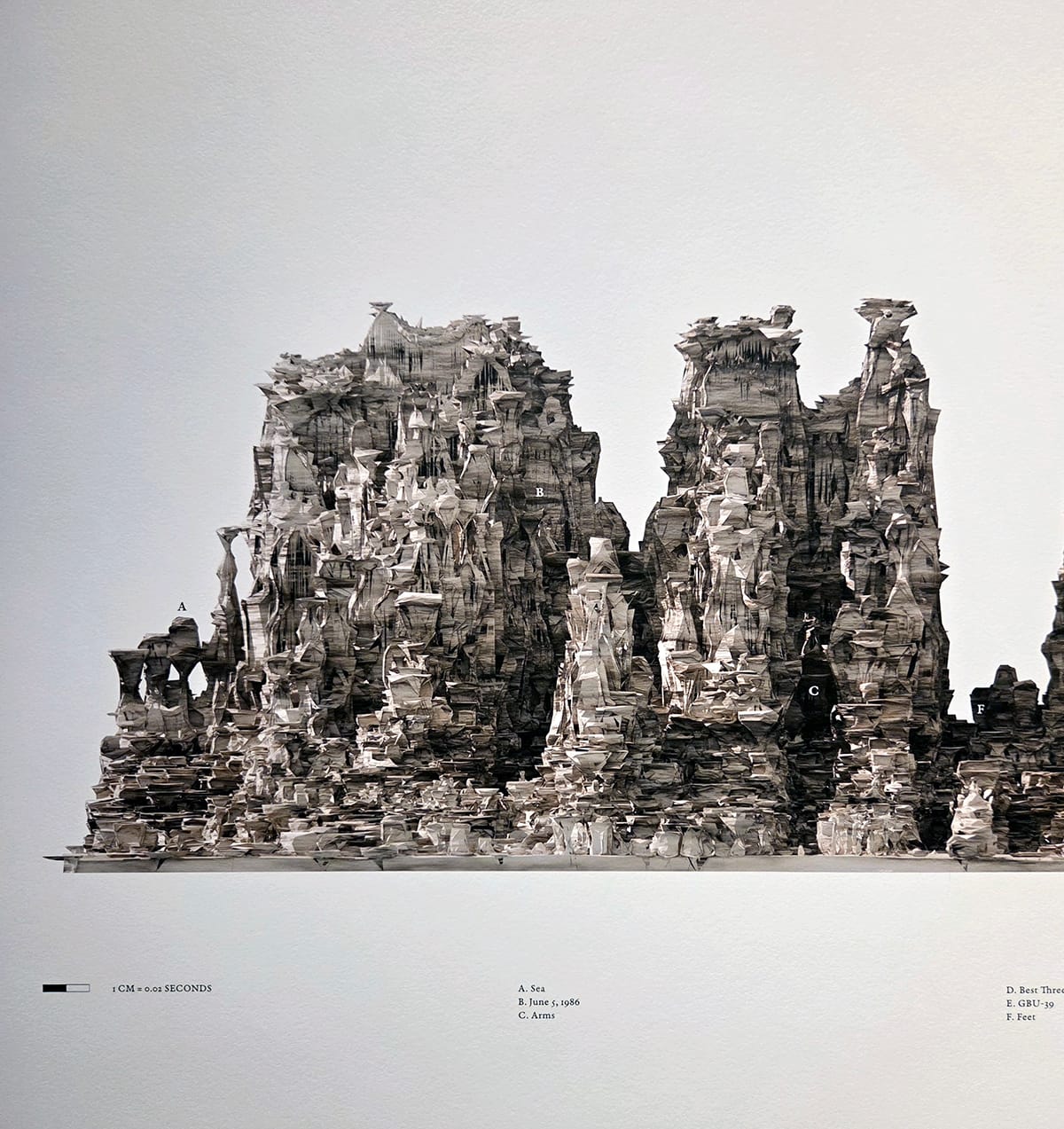
The artist has also rendered the sounds of 15-year-old Layan Hamadeh speaking to a Palestinian Red Crescent nurse while being fired upon by a tank and the voice of five-year-old Hind Rajab reciting the first verse of the Koran with a nurse while also suffering an attack by the Israeli army. These stark contexts mimic the jagged and unforgiving formations in the prints, building monuments to realities that too quickly cycle out of news headlines. As impactful as this project is, the artist states, “I consider myself as a documentarian. Authorship is the least of my interest in creating these documents.”
As a cohesive exhibition, “U Bare It” might be a bit proportionally uneven given the greater space allotted to the interactive installations in the large gallery. And I am left wondering about the segregation of the two parts of this project, curious about how the contributed artworks might interact with the hands-on elements.
But overall, “U Bare It” creates many interesting questions. Does anonymity make for better art? Does it democratize the gallery space, especially if the public is given so many tools to respond? Does it lower the risk of expression or allow for greater risks? Does it inspire more audience participation or discourage deeper investment without the incentive of public recognition? Does it increase honesty in art making, art exhibitions, and art viewing? Maybe. Or maybe it creates a completely new kind of experience.
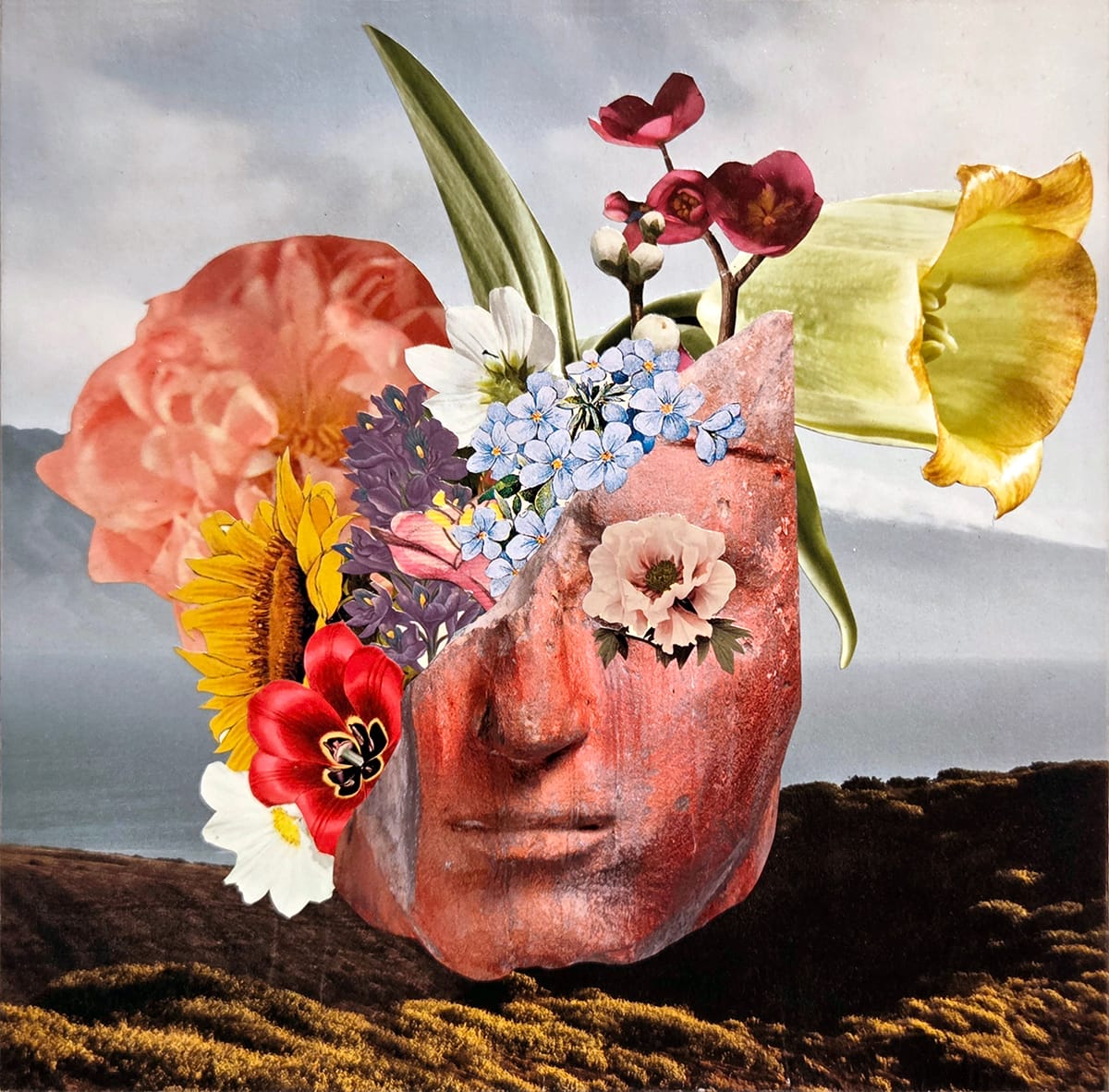
I also want to draw attention to two more exhibitions on view in CityArts' second-floor galleries. Haley Cheatham has a large collection of small-scale collages on display with the wonderful title “An Overthinker’s Guide to Hope and Whimsy: A Surprisingly Optimistic View of the World, Given the Circumstances.” These compositions blend floral, figurative, and landscape elements with decorative patterns and vintage furnishings and fashions. Cheatham’s work is on view in the Balcony Gallery.
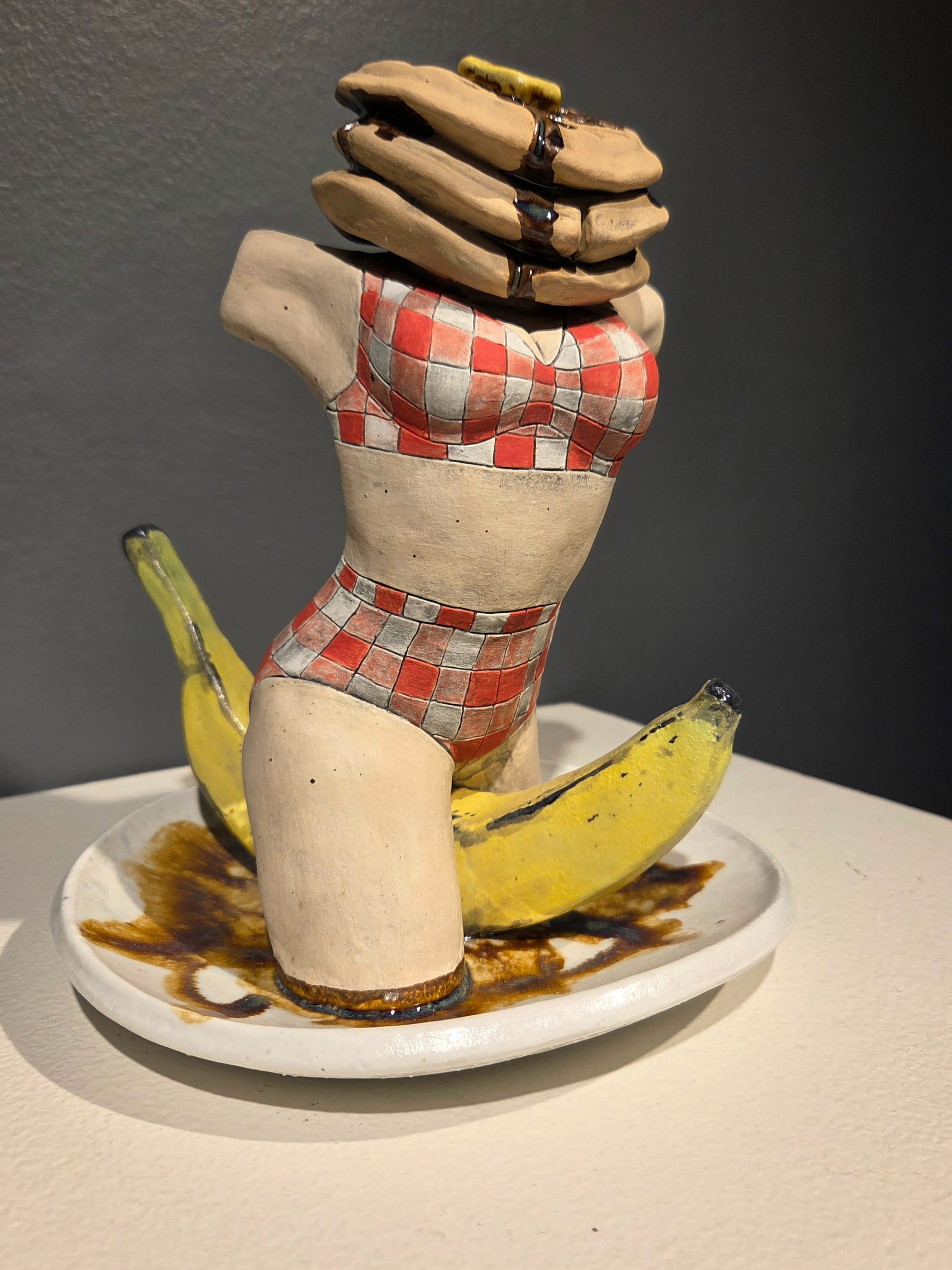
In the Boardroom Gallery, Madison Mullen is exhibiting “Attention Icon: Back for More.” Mullen developed this body of work during her recent Master of Fine Arts studies at WSU. These paintings and ceramic figures offer dissected references to the female body and fetishizing elements through images from the world of pop culture, toys, and junk food — ingredients rich in metaphor.
All three of these exhibitions are on view through December 23.
The Details
“U Bare It”
November 2-December 23, 2026, in the Main Gallery at CityArts, 334 N. Mead St. in downtown Wichita
The exhibition is curated by Jeni Doom with Caitlin Waugh.
CityArts is open 9 a.m.-8 p.m. Monday through Thursday, 9 a.m.-5 p.m. Fridays, and 9 a.m.-3 p.m. Saturdays.
Admission is free, and the facility is accessible to people with physical disabilities.
Kevin Kelly is an artist and educator. He lives and paints in Wichita and teaches art at Butler Community College in El Dorado, Kansas.
❋ Derby man has the kind of voice that turns heads — and chairs
❋ Socializing while sober: how some Wichitans are cultivating alcohol-free communities
❋ As a small creative business closes, the owner mourns
❋ Painting through it: Autumn Noire on 20 years of making art
❋ How a guy from Wichita resurrected 'Dawn of the Dead'
❋ Bygone Friends University museum housed curious collections
Support Kansas arts writing
The SHOUT is a Wichita-based independent newsroom focused on artists living and working in Kansas. We're partly supported by the generosity of our readers, and every dollar we receive goes directly into the pocket of a contributing writer, editor, or photographer. Click here to support our work with a tax-deductible donation.