Windows of Discovery: Ruth Gogel at The Clayworks in McPherson
“Fractions of Wonder” exhibits works by the late scientist-turned-photographer.
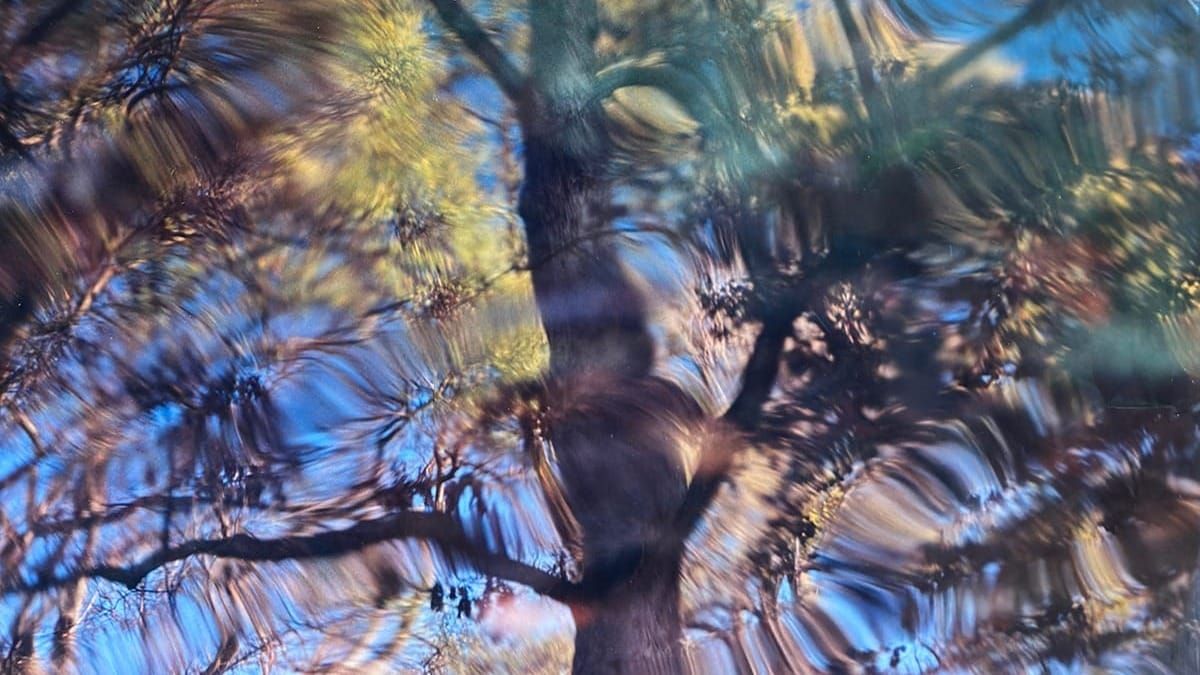
Ruth Gogel's photographs at The Clayworks' One Door North Gallery range from the monochromatic depiction of a glass office building’s façade, which morphs into waves of reflection, to an image of a tree that dissolves into a pool of blues and gold, to a study of the rigid chrome body of a motorcycle that bends into striped lines like a zebra.
The show includes entirely abstract photographs of illegible objects displayed alongside more traditional photographs of nature and other scenes. Overall, Gogel’s work reveals miraculous, brief moments of wonder that we often overlook.
Gogel transitioned to her focus on photography after a long career in science. Born in Toledo, Ohio, in 1927, she earned her Bachelor of Science degree in 1949 and master's in biology in 1950 from the University of Toledo. She worked for many years in Atlanta for the Centers for Disease Control and Prevention as an expert in mosquitoes and insect-collection techniques. Following her retirement in 1988, she applied her careful observation skills to photography and enjoyed a career as an artist for over 30 years, until her death in 2022.
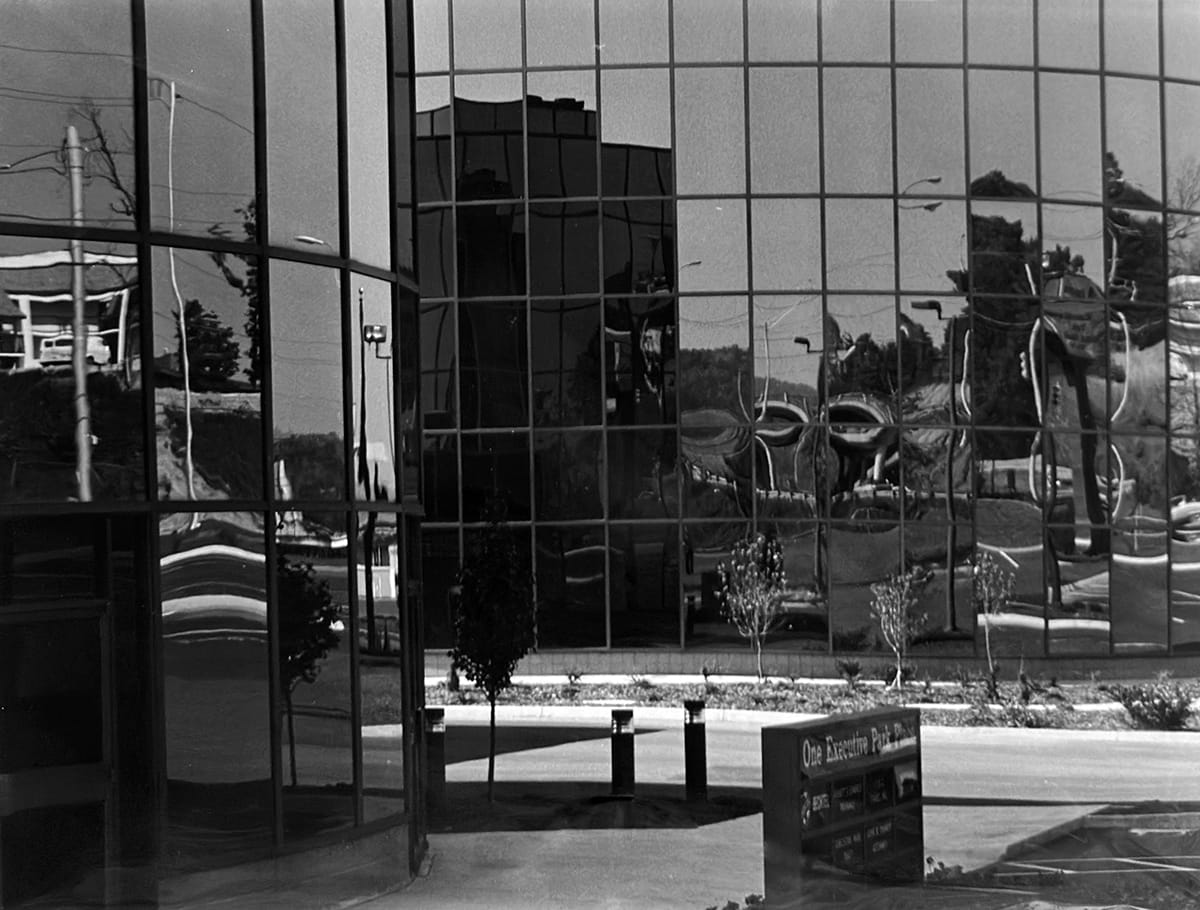
Enamored with the joy and gift of life, Gogel sought to register and share the transient moments discovered through diligent attentiveness. Take, for example, the aforementioned black and white photograph of an office building’s glass façade that dissolves the reflection of the town. The windowpanes provide structure and a grid of rectangles. However, those rectangles lose their sense of stability as the silhouettes of objects from the town become unrecognizable. Gogel uses the glass exterior as an additional recording device that captures the illusory aspect of reality.
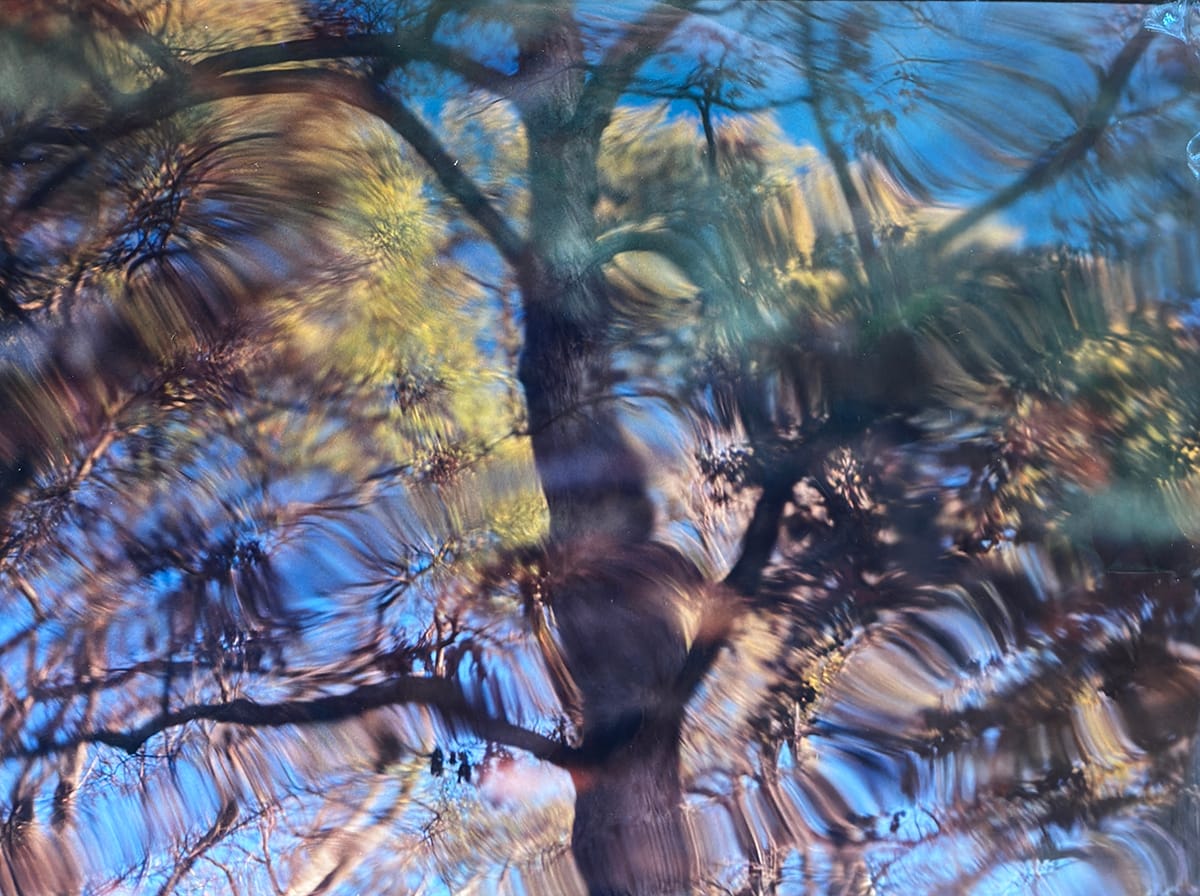
In another photograph, a tree’s trunk splits the color image vertically as its branches and leaves radiate out into the rest of the composition. Here, Gogel utilizes water and its ripples to alter the image of the tree. Patches of blue sky appear between the yellow leaves. By indirectly photographing the tree through its reflection, the resulting image exists as a landscape and an abstraction, demonstrating Gogel’s interest in natural and creative patterns.
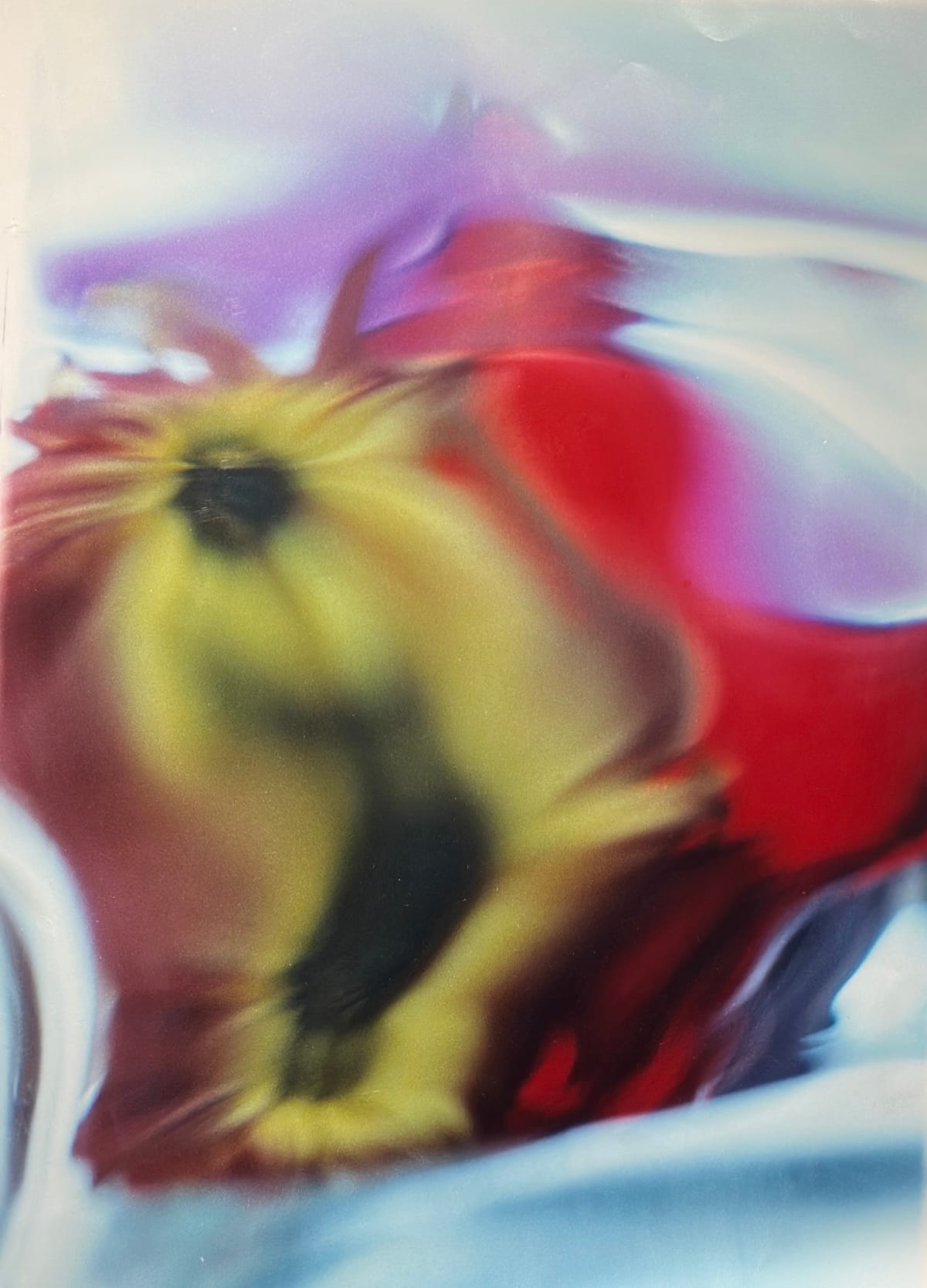
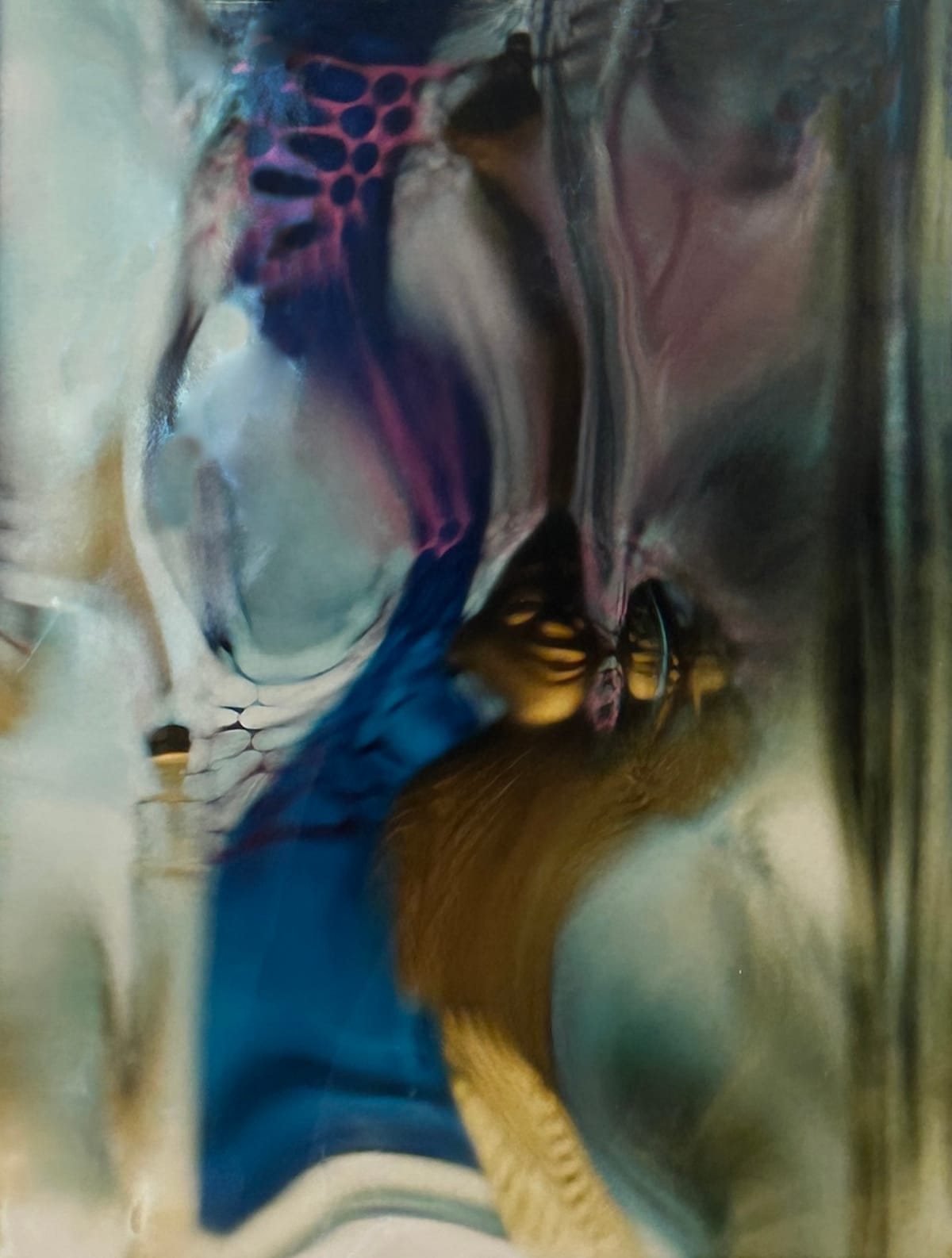
Works by Ruth Gogel: “Bowled Over,” undated, color photograph, 20 by 14 inches; “Pageantry,” undated, color photograph, 14 by 11 inches. (Antonio Ramirez/The SHOUT)
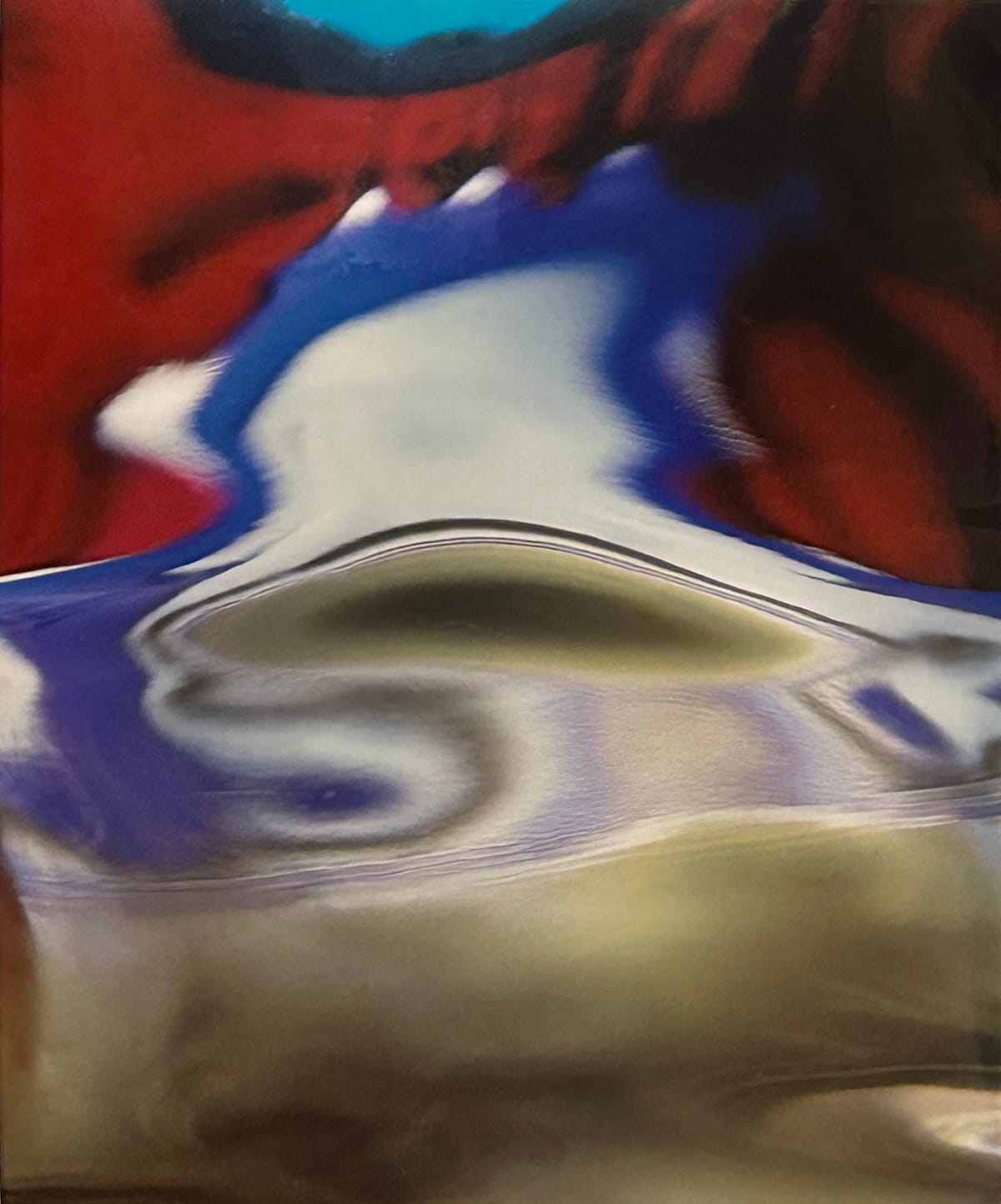
To further push her abstractions, Gogel would take photos through glass bricks, making her subject matter entirely unidentifiable. In “Going to the Fair,” Gogel divides the composition into three main fields of color: red and black at the top, white and blue in the middle, and a pale, yellowish green at the bottom. These sections spill into one another without definite boundaries. By completely obscuring the real-world subject, Gogel creates a sense of mystery, prompting us to wonder what lies behind the image.
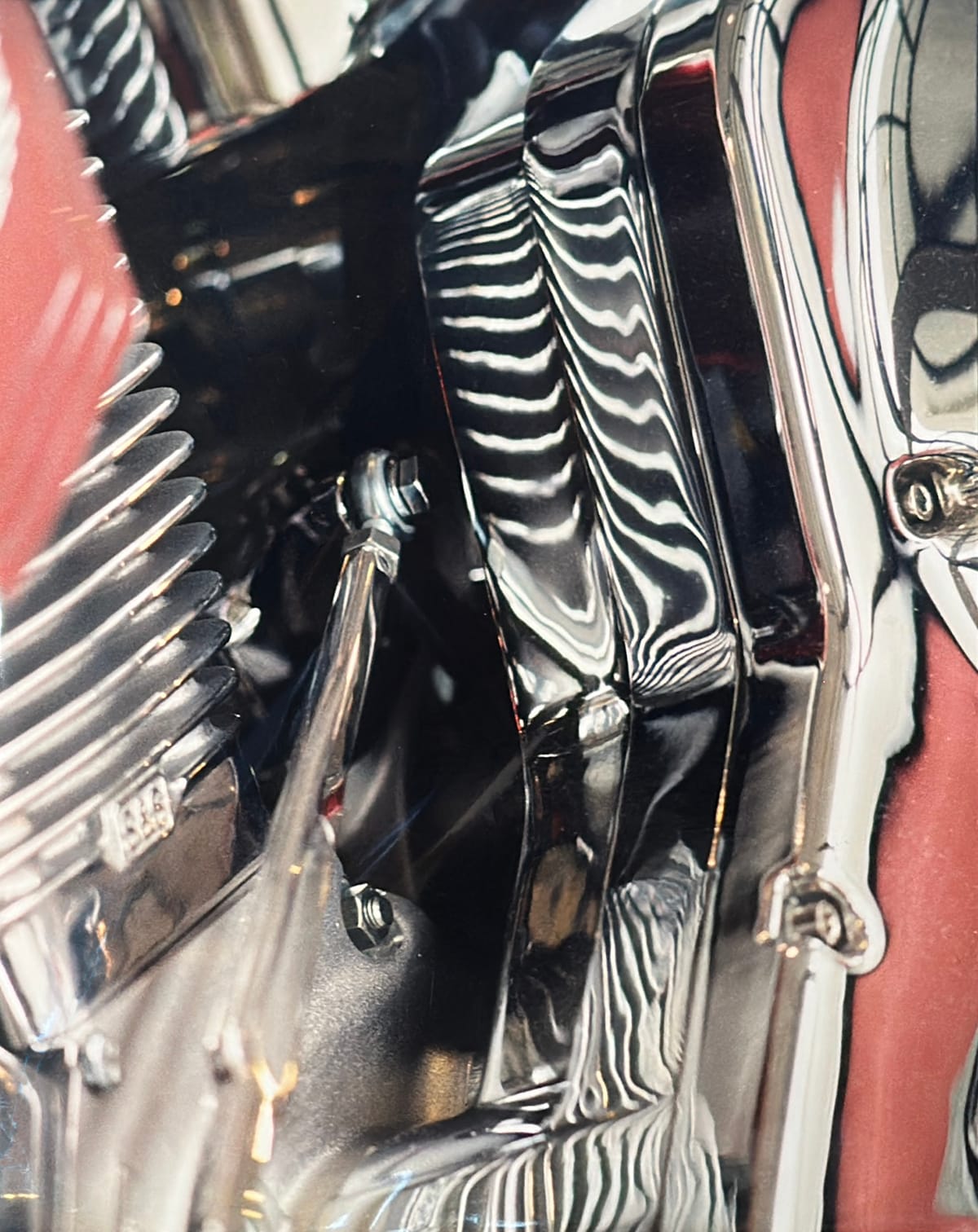
The play between recognition and abstraction, which Gogel employs to promote closer inspection, is also evident in “My Zebra.” Here, we see a close-up color image of a motorcycle’s polished chrome surface as its reflection bends the lines from the nearby mechanical body. The motorcycle’s red body paint and engine offer enough detail and identifying clues for us to identify what we see reflected on the chrome body panel on the right side. The work also captures how Gogel approached life with curiosity and wonder.
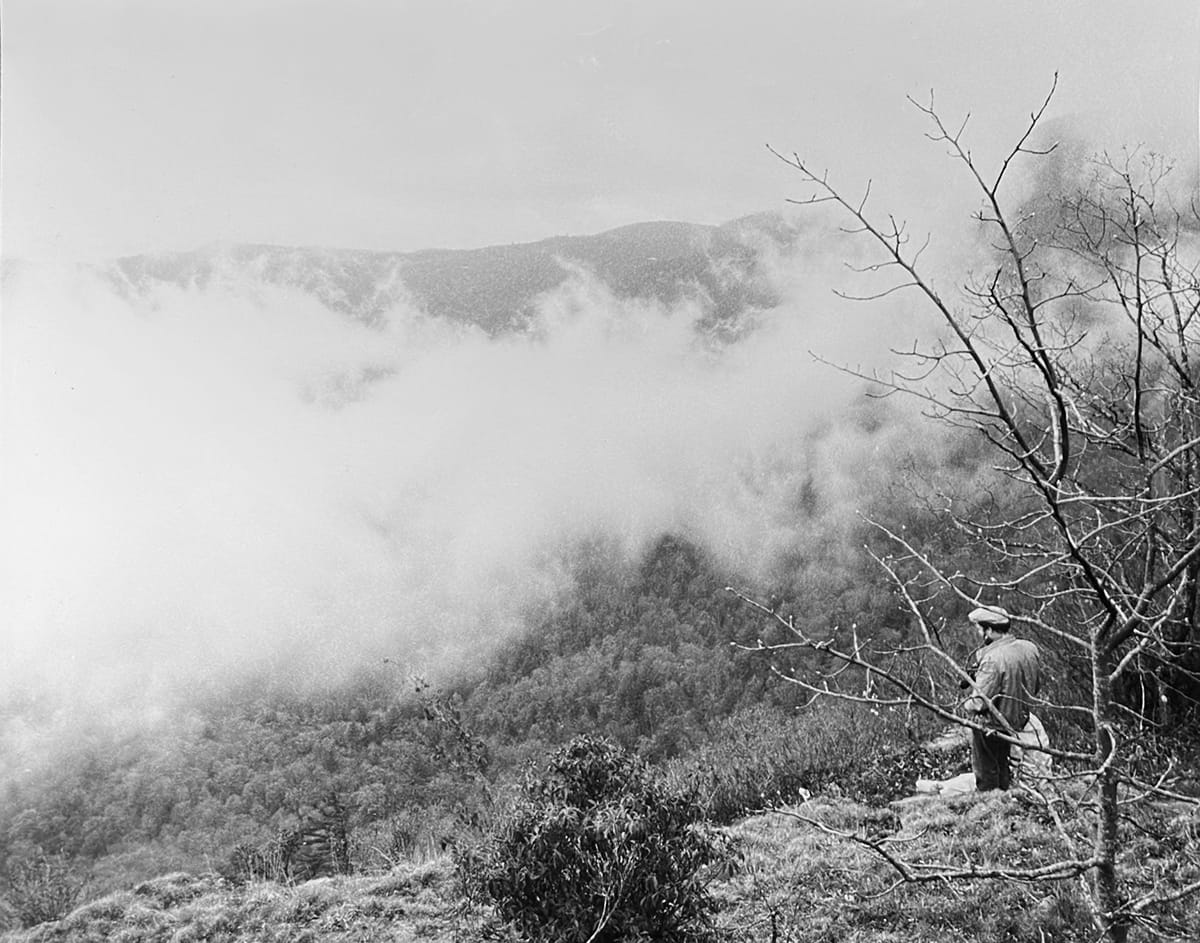
Among the more directly observational photographs is a black and white image of a cloud as it passes by the side of a mountain or forest edge. A small tree without leaves stands in the foreground on the right side of the frame, and behind this tree is a figure looking at the cloud. The fog conceals the depth and sense of scale of the terrain. Although Gogel does not attempt to abstract the landscape image, the cloud serves as a metaphorical barrier between what is seen and hidden — a trope common throughout Gogel’s practice.
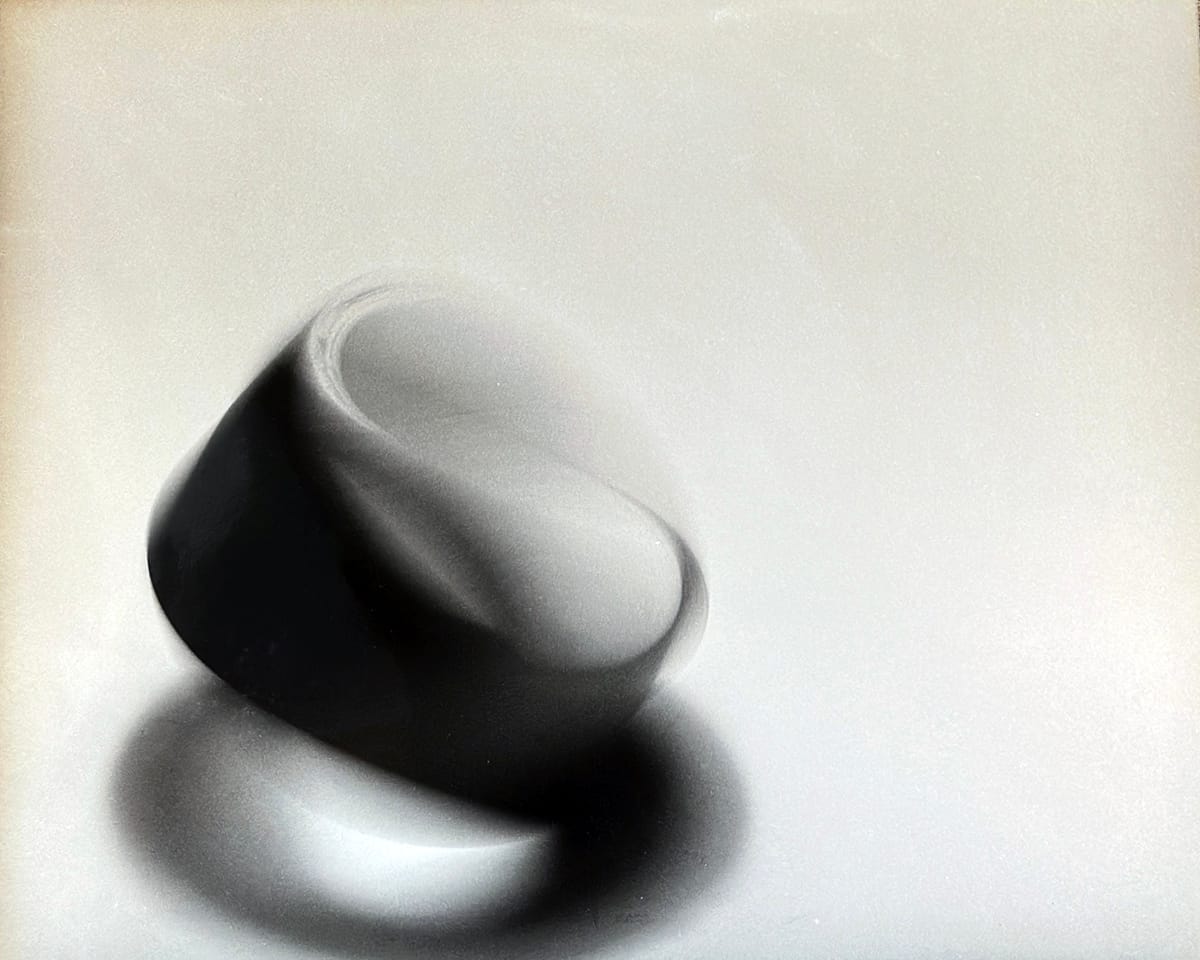
Another black and white image features a circular object in motion. Presumably a ring, I imagine Gogel slowing her camera’s shutter speed as the ring began to fall, capturing the motion blur not perceivable to the human eye. Aside from a soft shadow underneath the ring, the rest of the image is empty, offering no other clues about the object or its setting. It is the only work that depicts movement.
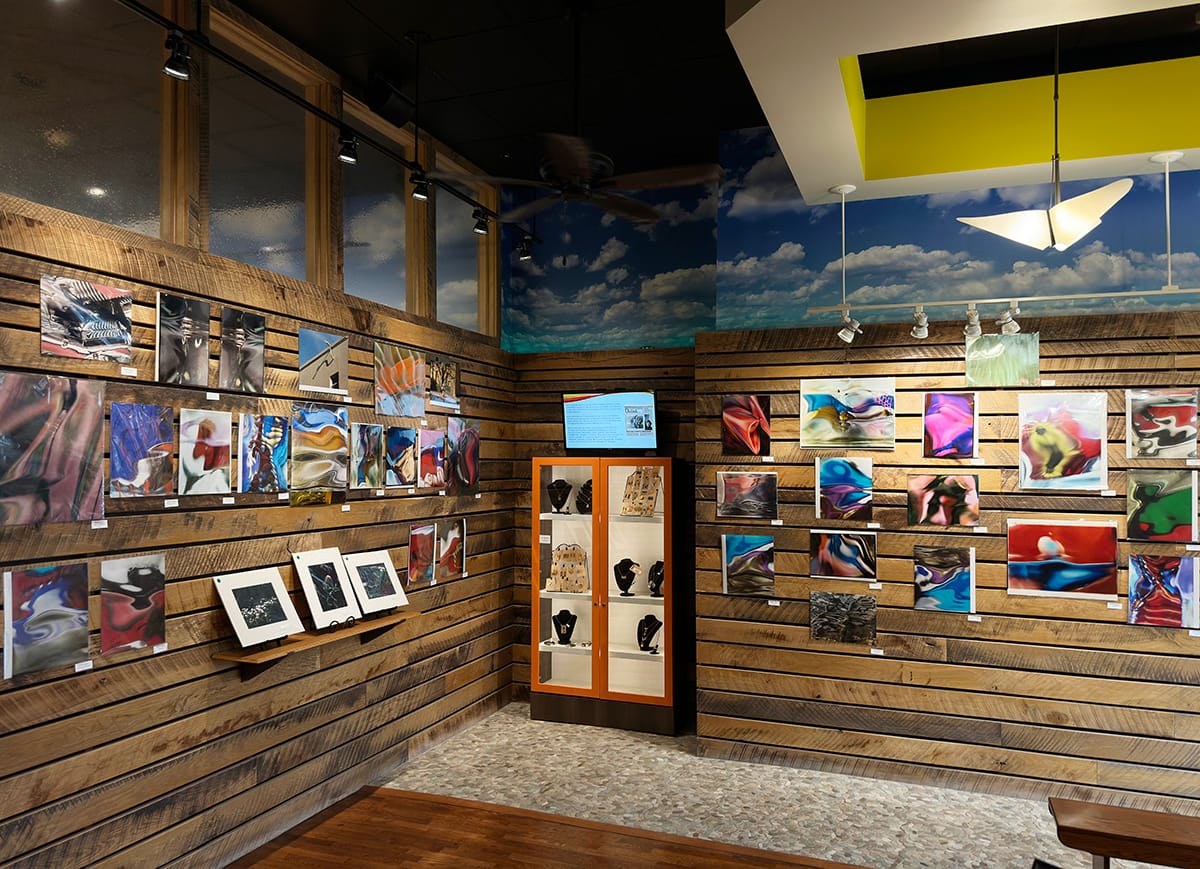
“Fractions of Wonder” brings Gogel’s works together in a dense installation. The exhibition combines vibrant color abstractions, landscapes, and everything in between across the gallery’s wooden walls, rather than separating the photographs into categories. This arrangement allows visitors to make comparisons among the various images and reflect on Gogel’s approach to photography. Viewers may notice the reoccurring patterns of waves and lines and how flowers and ripples of water appear in multiple images.
Gogel described her mission as capturing aesthetic moments and inviting viewers to experience an unusual visual journey. Outside of her work as a scientist and photographer, Gogel was also dedicated to philanthropy. She encouraged emerging artists, served in the Unitarian Universalist Congregation of Atlanta, participated in integrated groups during the Civil Rights Movement, and volunteered for civic and humanitarian causes. Her photographs alone do not represent Gogel’s entire contribution to society, but her curiosity is preserved through her photos. These works open up small windows of discovery that can enchant our daily lives.
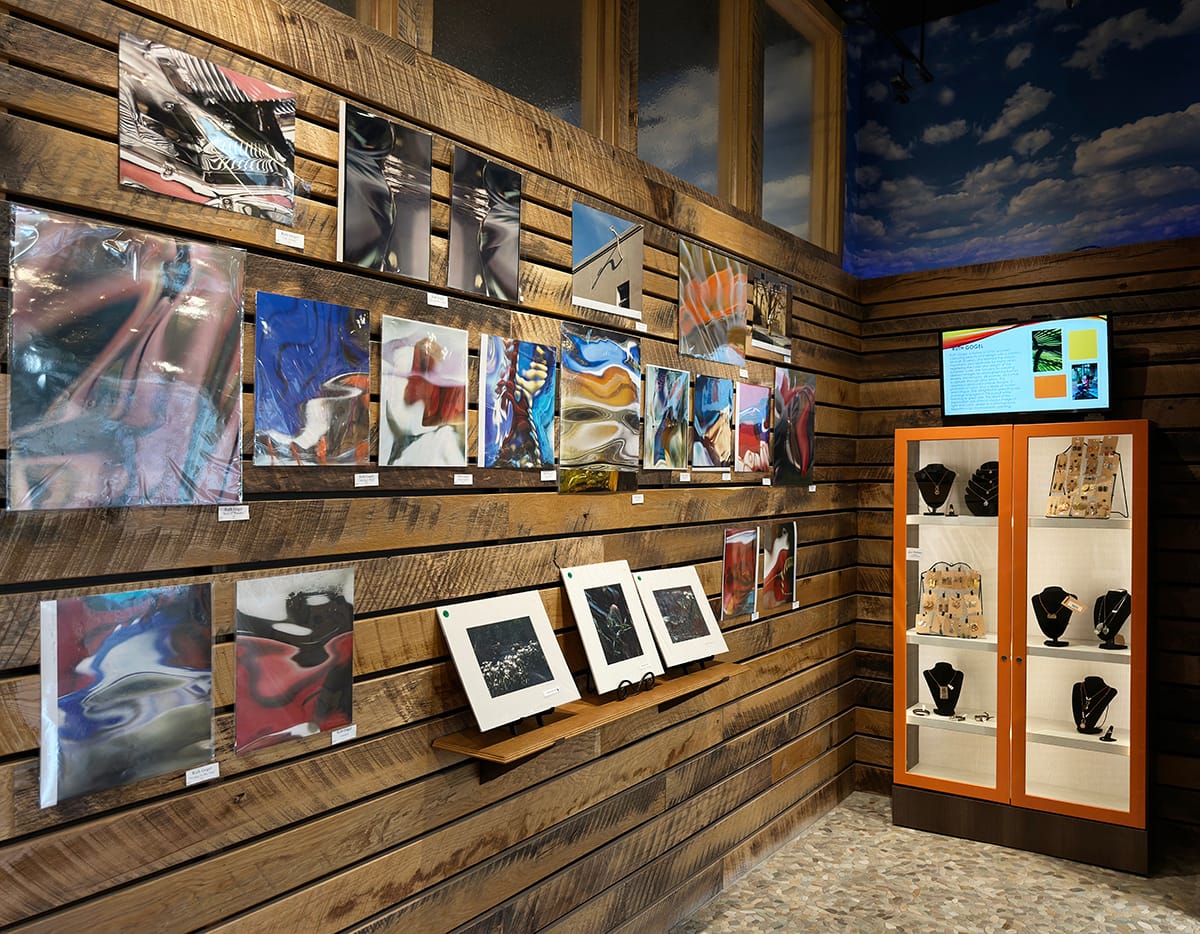
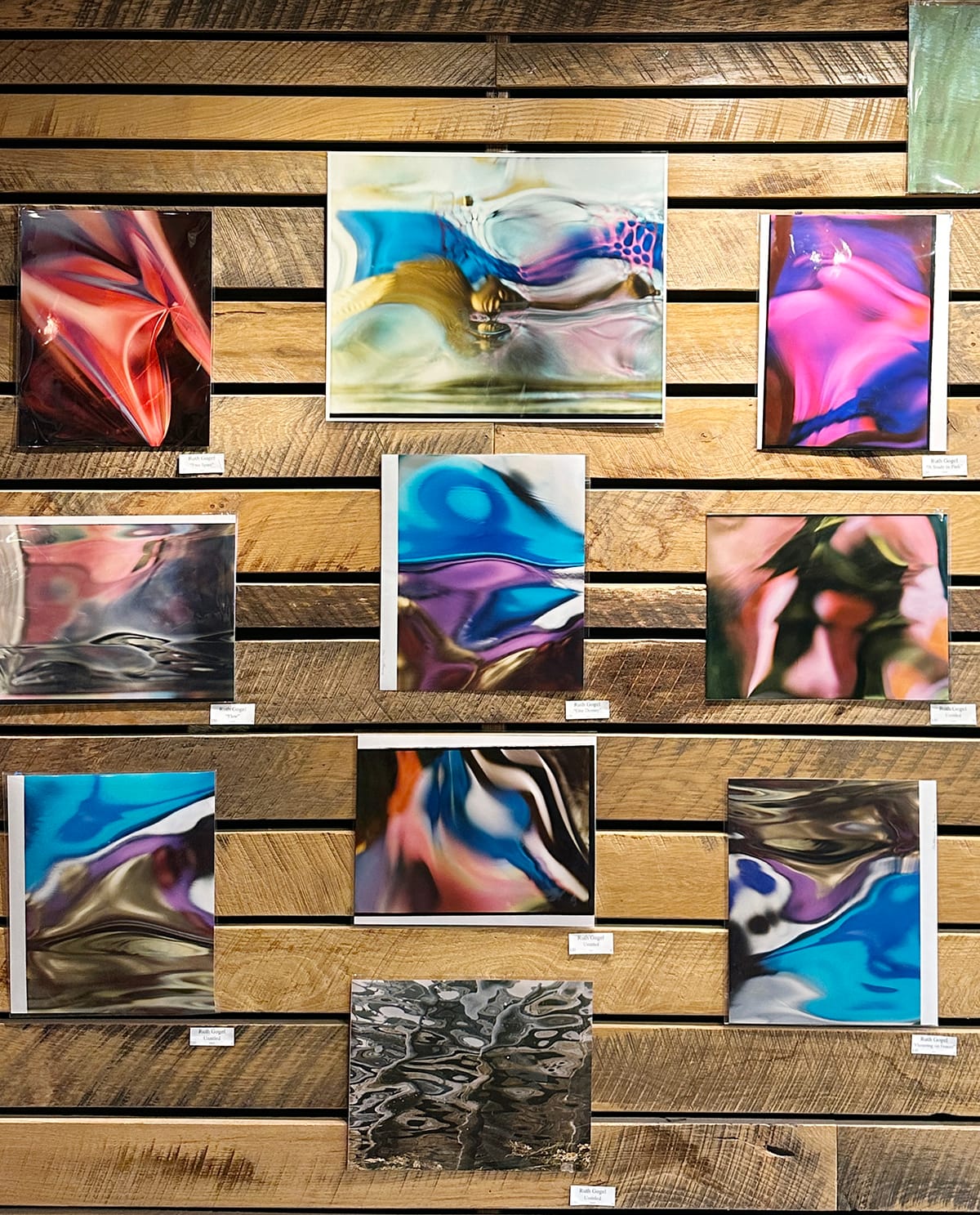
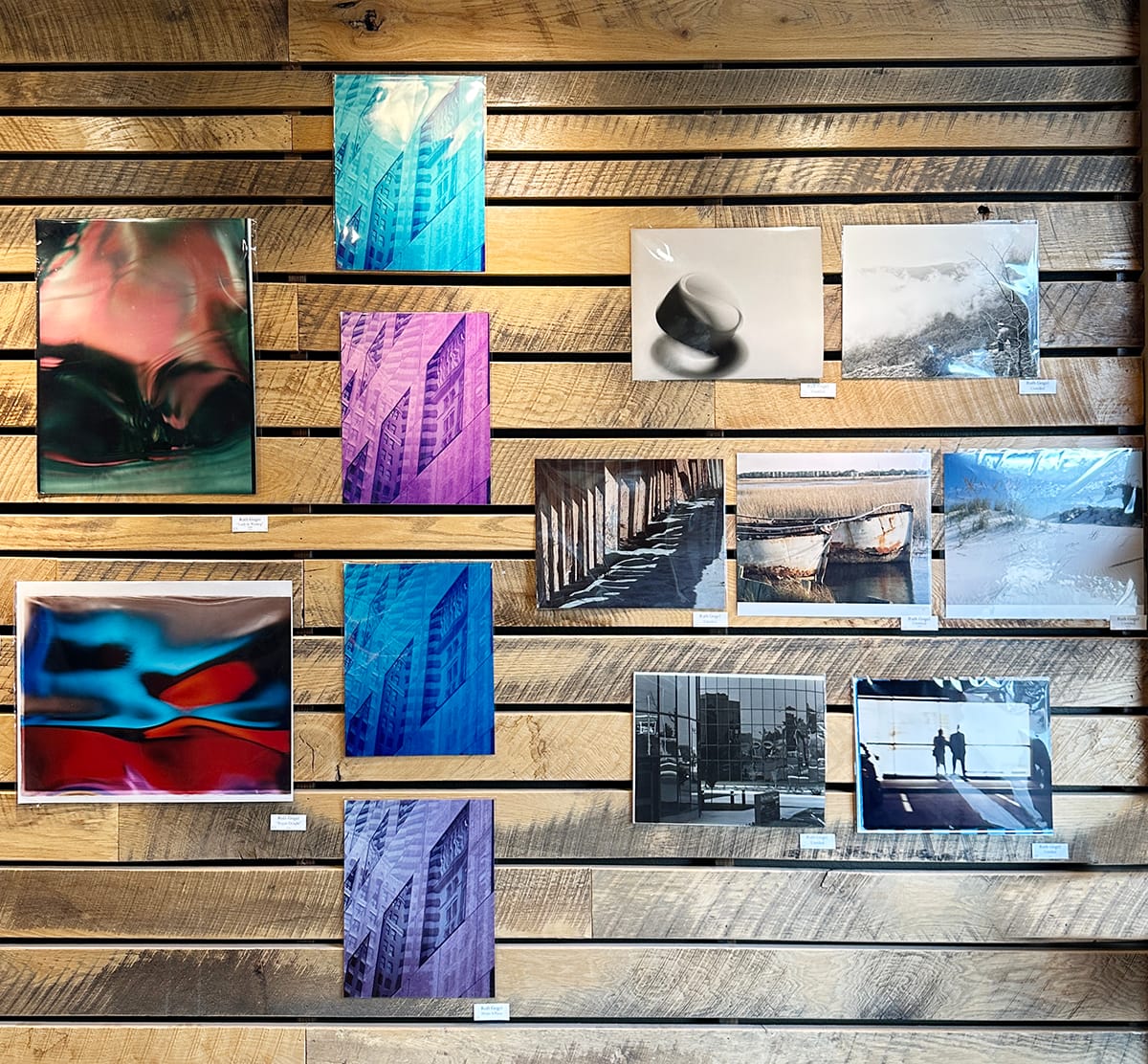
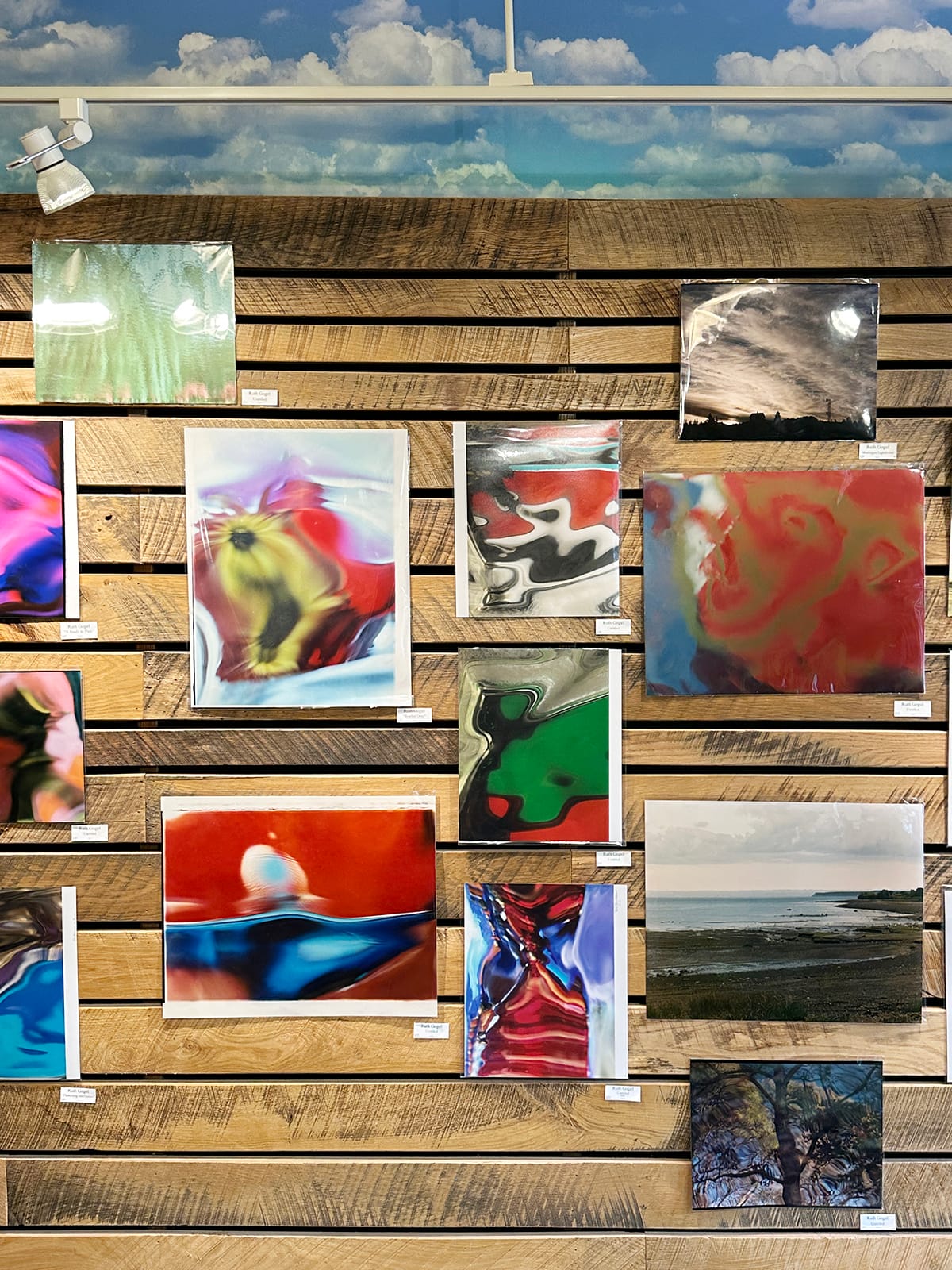
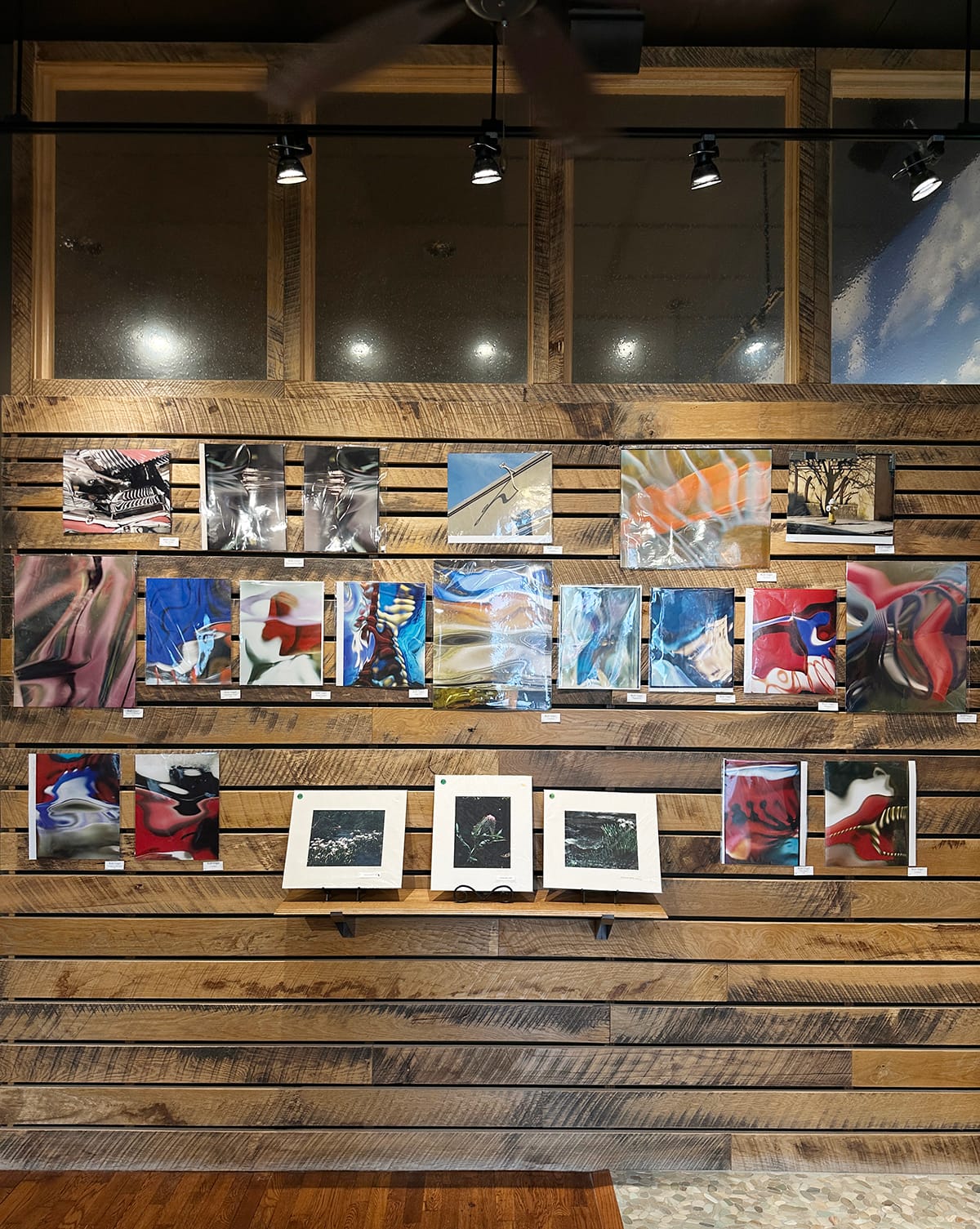
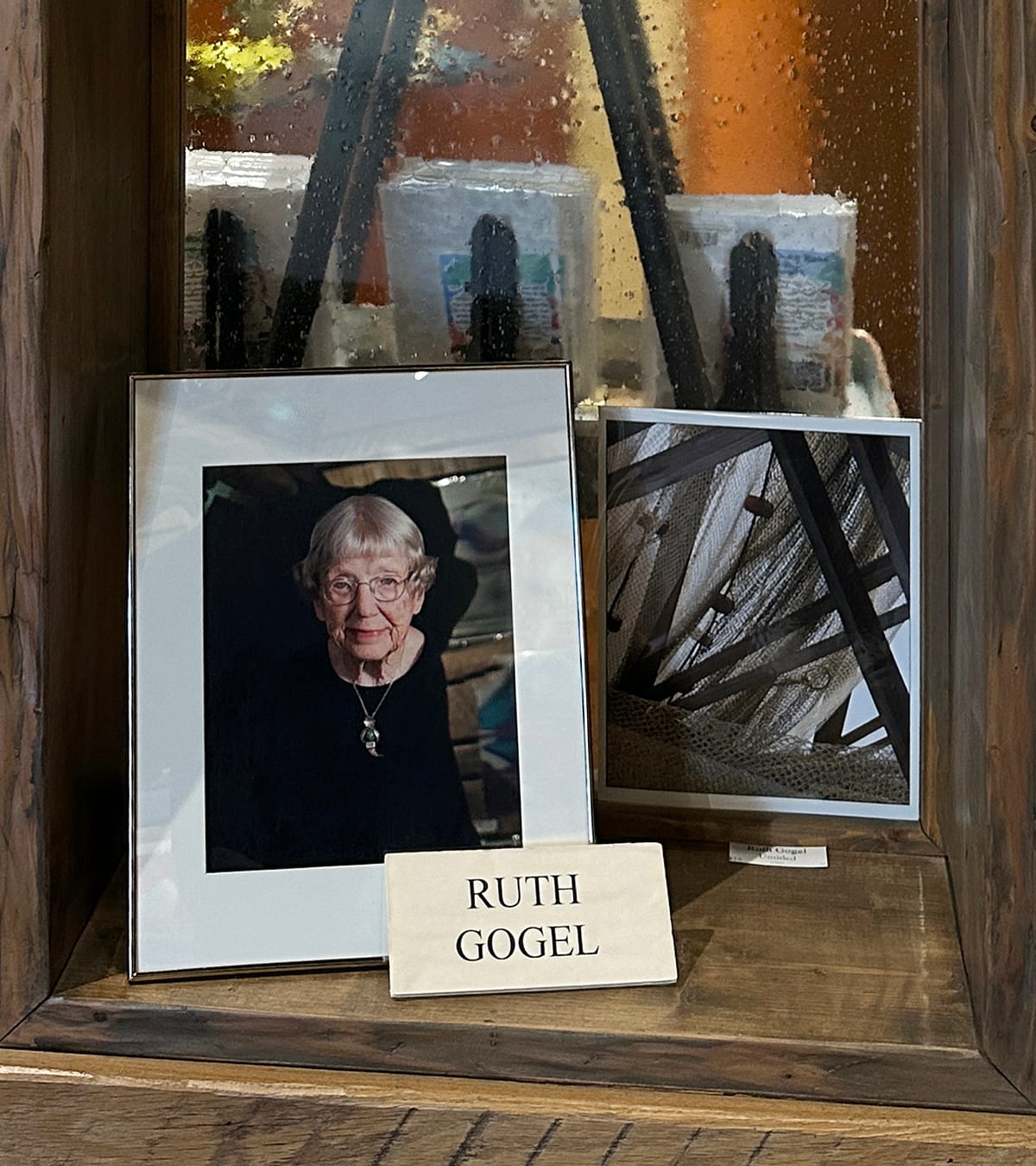
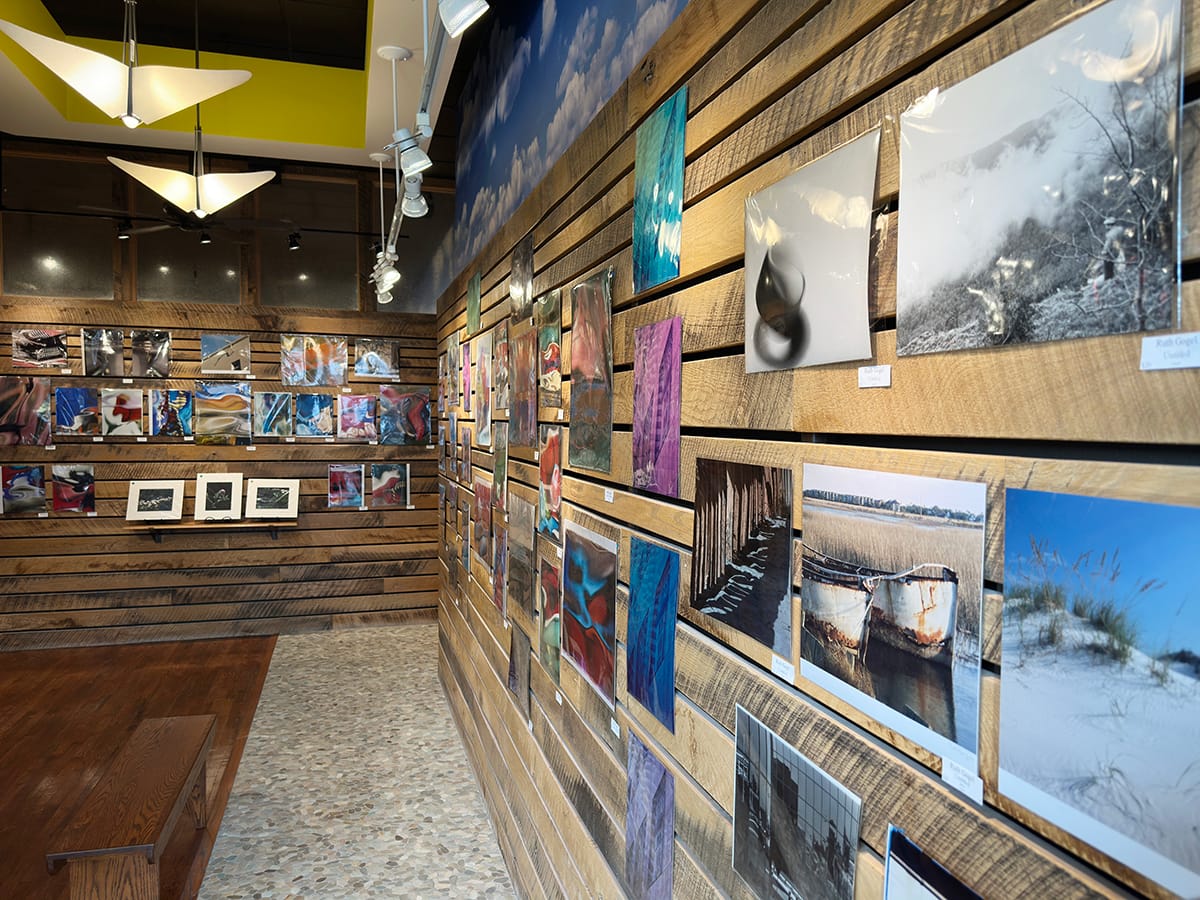
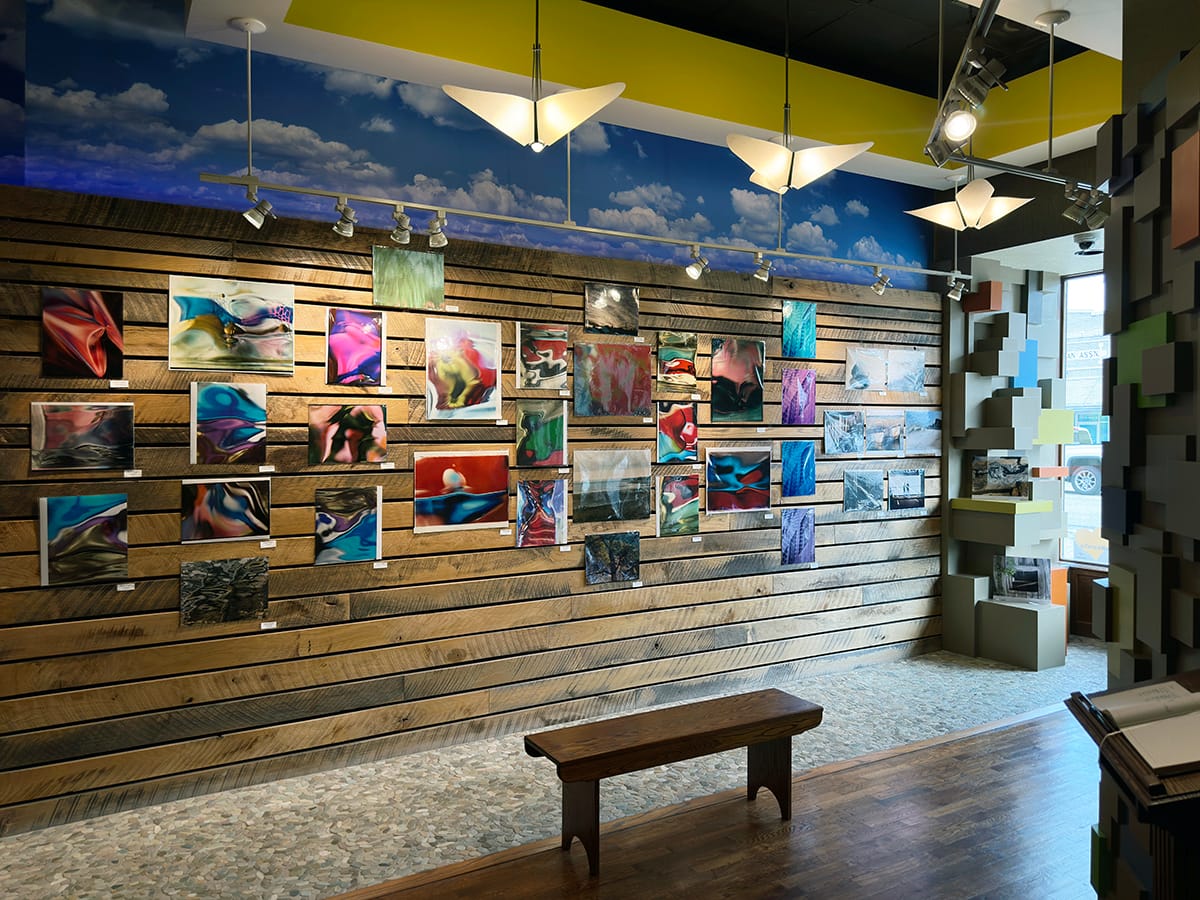
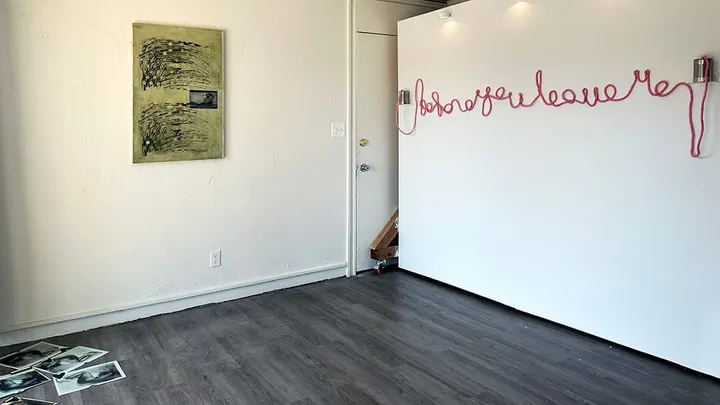
Installation views of “Fractions of Wonder” by Ruth Gogel at One Door North Gallery at The Clayworks in McPherson. (Antonio Ramirez/The SHOUT)
The Details
“Fractions of Wonder” by Ruth Goge
September-October 2026, One Door North Gallery at The Clayworks, 107 N. Main St. in McPherson, Kansas
The gallery is open 10 a.m.-3 p.m. Tuesday through Saturday and 10 a.m.-6:30 p.m. on Thursdays.
Admission is free, and the facility is accessible to people with physical disabilities.
Learn more about current and upcoming exhibitions on the One Door North Gallery website.
Antonio Ramirez is a Wichita State alumnus with a multidisciplinary background in art history, cybersecurity, and entrepreneurship. He is a curator, writer, and aspiring art dealer guided by his curiosity to explore the connections between art, culture, and innovation.
❋ Derby man has the kind of voice that turns heads — and chairs
❋ Socializing while sober: how some Wichitans are cultivating alcohol-free communities
❋ As a small creative business closes, the owner mourns
❋ Painting through it: Autumn Noire on 20 years of making art
❋ How a guy from Wichita resurrected 'Dawn of the Dead'
❋ Bygone Friends University museum housed curious collections
Support Kansas arts writing
The SHOUT is a Wichita-based independent newsroom focused on artists living and working in Kansas. We're partly supported by the generosity of our readers, and every dollar we receive goes directly into the pocket of a contributing writer, editor, or photographer. Click here to support our work with a tax-deductible donation.