
WSO's approaching season pairs notable contemporaries with classic icons
The 2026-27 Wichita Symphony Orchestra lineup includes works from luminaries as diverse as Beethoven, Tina Turner, Mozart, John Williams, and Nickel Creek's Chris Thile.
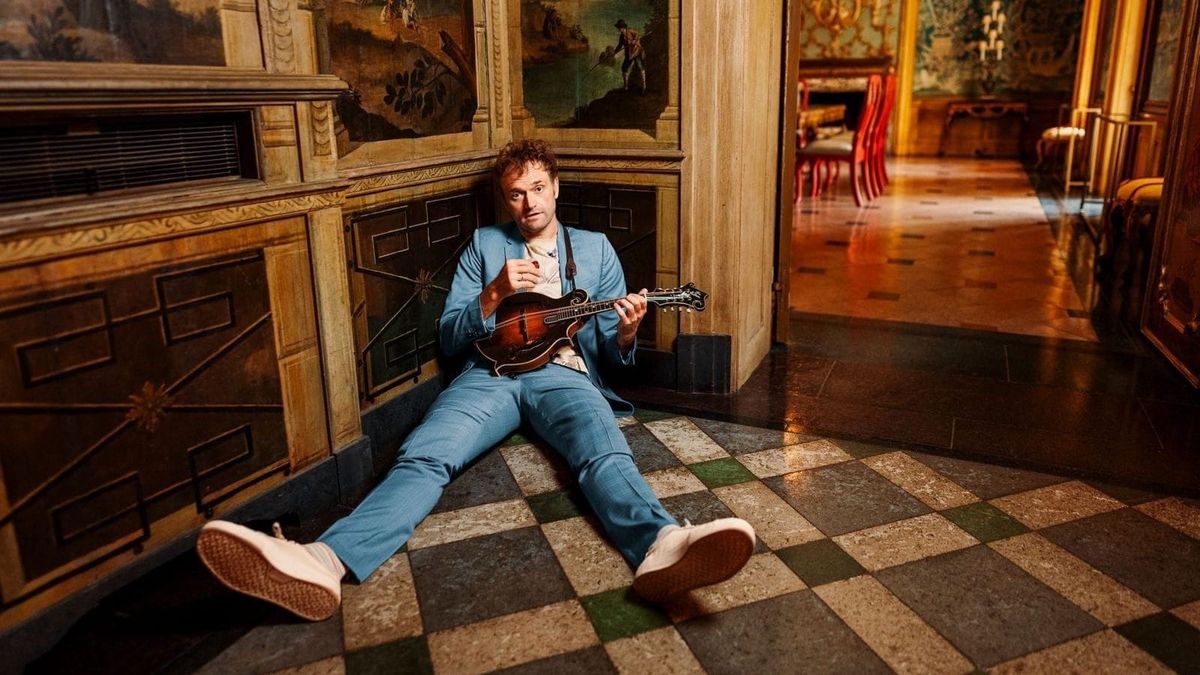
Grammy Award-winning mandolinist Chris Thile will headline with the Wichita Symphony Orchestra next spring, performing his narrative song cycle "ATTENTION!" on a March 20 masterworks program.
The Thile booking stands out among the WSO’s plans for its 2026-27 season, which will also include the return of Handel's "Messiah,” a concert performance of “Annie Get Your Gun” in collaboration with Music Theatre Wichita, the WSO's first performance of Shostakovich's Fifth Symphony in music director Daniel Hege's 16-year tenure, and a Star Wars 50th-anniversary program to close the season.
Hege and executive director Timothy Storhoff said in a joint interview that they were excited to land Thile, who is a founding member of Nickel Creek, the former host of public radio’s “Live From Here,” and a current member of the band Punch Brothers. A recipient of the MacArthur Foundation’s “genius” grant, Thile’s virtuosity and creativity stretches well beyond the bounds of bluegrass, or any other single style. Since 2013, he has been performing and recording Bach sonatas and partitas, to great acclaim.
"He's a great teacher, great host, great storyteller, phenomenal mandolinist," Hege said. "Anyone who likes music should come into this concert, and it doesn’t matter which kind of music or genre."
"ATTENTION!," which Thile composed in 2023, runs about 40 minutes and casts him as both narrator and soloist. The autobiographical piece, set at a 2005 record industry convention in San Diego, follows a 24-year-old Thile as he tries to impress a Starbucks music buyer, trades licks with Blues Traveler's John Popper on a hotel rooftop, and eventually meets Carrie Fisher, for whom he plays Princess Leia's theme on the mandolin.
“Songs don’t seem to begin or end but naturally emerge from the narration such that singing and speaking are one. Who knows what this is? Call it a ramble,” Mark Swed wrote in his review of its LA premiere.
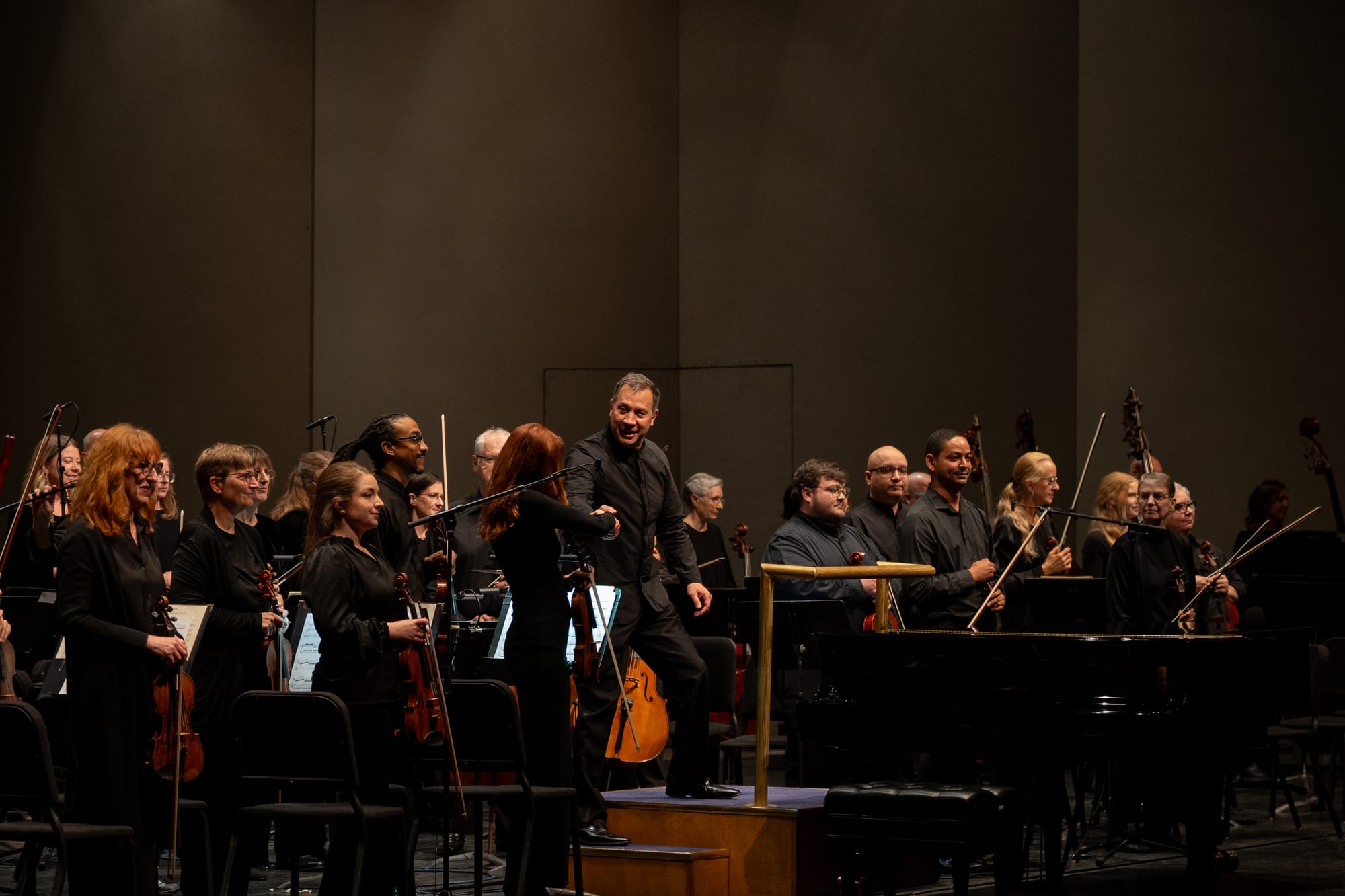
In planning each symphony season, major bookings like Thile's tend to drive the calendar, with the rest of the programs filling in around them, Hege said. Each season is about striking a balance between a variety of practical and artistic considerations — but always with an eye toward building and rewarding the creative and exploratory bond between the orchestra and its audience.
“You’re not thinking just program by program, or even season by season, but really looking over a span of several years,” Hege said. “You want to play music that people are familiar with, or at least familiar with the harmonic language, but also to have the trust that if the Wichita Symphony is playing something that is unfamiliar, it’s because they’re going to love it.”
“The audience is the first consideration, but the orchestra needs that balance as well,” Hege added. “They need to be exposed to different music, and they need to come back to music that is core to what they do.”
The balance is visible across the season's masterworks lineup, where works by living composers Polina Nazaykinskaya, Jessie Montgomery, Vivian Fung, Quinn Mason, Stacy Garrop and Thile share programs with canonical staples of the repertoire.
The masterworks calendar opens October 4 with sisters Emily and Julia Bruskin in Brahms's Double Concerto for violin and cello, paired with Nazaykinskaya's "Fractures" and Beethoven's Fifth Symphony. Hege said he has long wanted to program Nazaykinskaya, a Russian-born American composer whose music he called "very relatable on a very first listening." He framed the program as a thematic arc from struggle to resolution, with the Nazaykinskaya setting up the journey-to-triumph trajectory of the Beethoven.
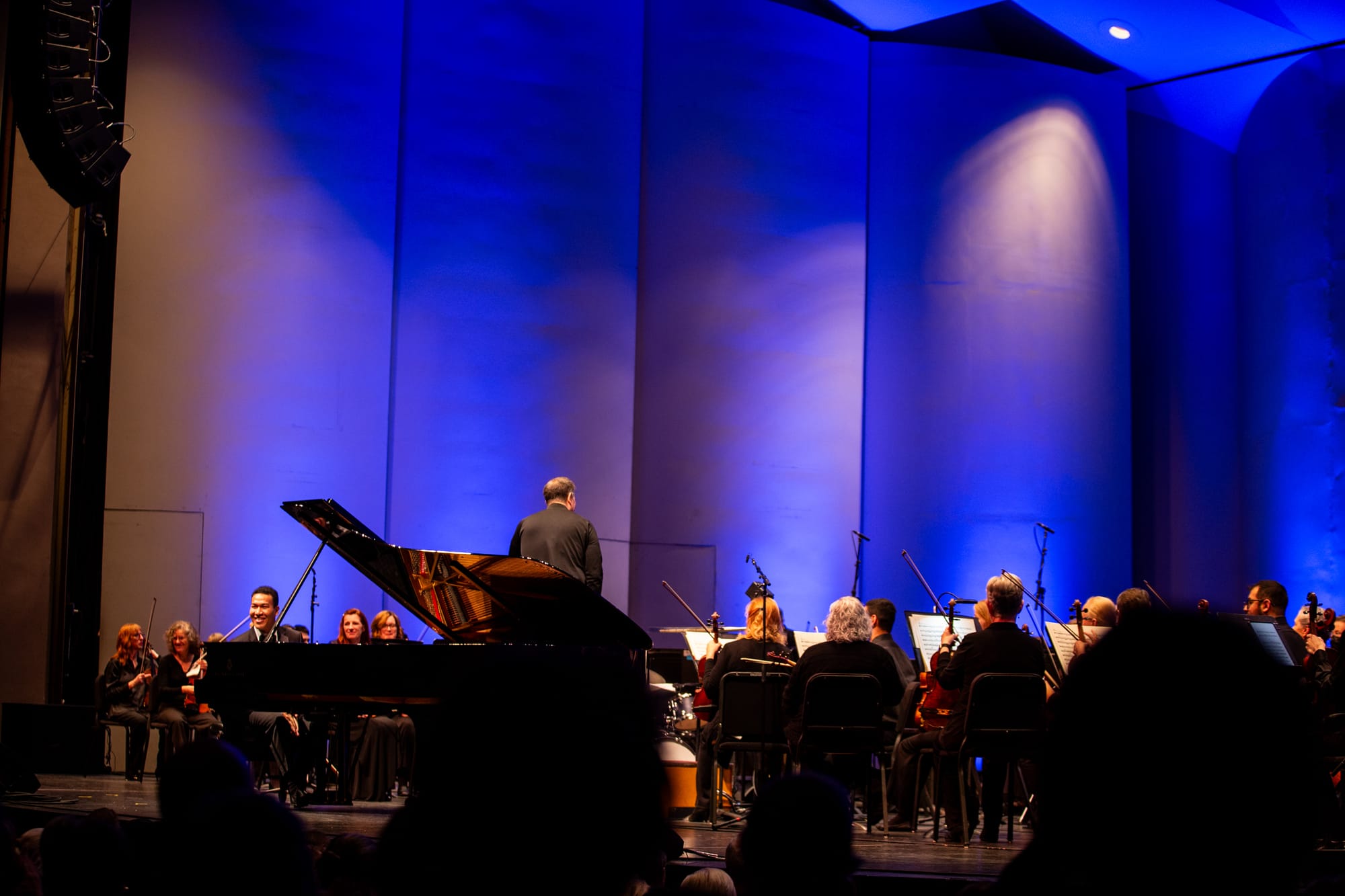
Three weeks later, on October 24, pianist Clayton Stephenson returns to perform Tchaikovsky's First Piano Concerto on a program titled "Defiance" that closes with Shostakovich's Fifth Symphony. Shostakovich composed the Fifth in 1937, after Stalin's regime had denounced his previous work, the opera "Lady Macbeth of the Mtsensk District." Following the Fifth’s premiere, the regime heaped praise on it, with propaganda suggesting that an errant composer had been brought to heel. But later, Shostakovich claimed that the symphony’s triumphal finale should actually be heard as an ironic protest: “It's as if someone were beating you with a stick and saying, ‘Your business is rejoicing, your business is rejoicing’,” he wrote. This will be Hege’s first traversal of the epic score during his 16-year tenure as WSO music director.
Beethoven appears twice on the masterworks calendar: his Symphony No. 5 in October, and the "Pastoral" Sixth Symphony on January 23, when guest conductor Vinay Parameswaran will also lead pianist Julie Coucheron in Mendelssohn's First Piano Concerto.
Hege noted that, despite their very different dramatic tones, Beethoven's Fifth and Sixth Symphonies were composed essentially in parallel. The Fifth opens with its famous “fate knocking at the door” motif and struggles upward to triumph; the Sixth is sunlit from its first measures. The Sixth, he added, is widely considered the first major work of program music in the symphonic canon, with Beethoven's explicit references to brooks, birdsong and a thunderstorm pointing the way toward descriptive symphonic writing of 19th-century figures such as Berlioz and Liszt.
"It'd be difficult to imagine a season without Beethoven on it," Hege said. "His symphonies really form the spine of the canon."
A February 21 program, "Intertwined Destinies," weaves together music by Robert Schumann, Clara Schumann and Johannes Brahms, three composers who were close friends and intimates during the 1850s. Pianist Gabriela Martinez returns to perform the WSO premiere of Clara Schumann's Piano Concerto.
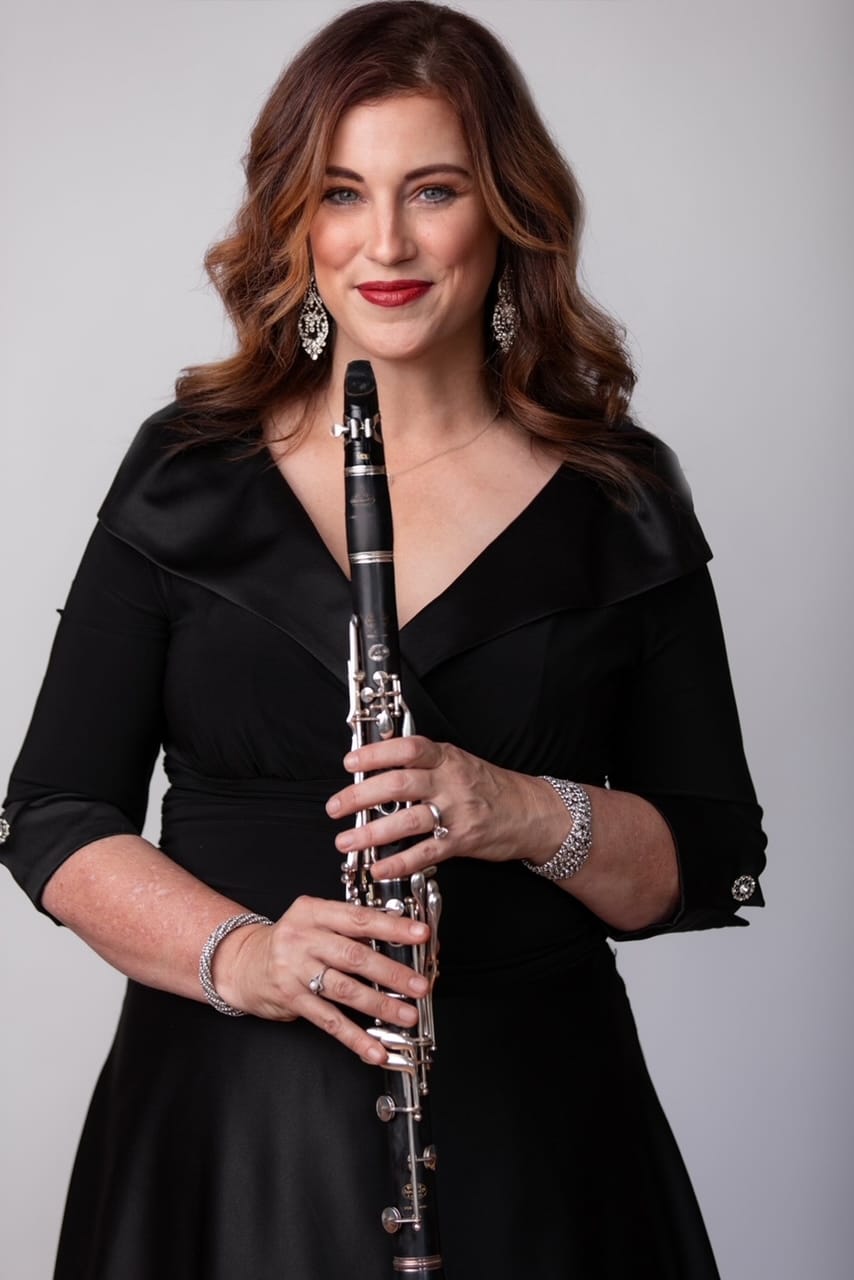
The April 18 program turns the spotlight on the orchestra's own principal clarinetist Rachelle Goter, in Mozart's Clarinet Concerto. "I've been wanting to feature her for a while," Hege said. "It's really great to have her in front of the stage, being a protagonist in such an important work."
The last time the Wichita Symphony Orchestra and Chorus performed Handel’s “Messiah,” in 2015, they used Mozart’s reorchestration. For the upcoming December 6 performance, Hege is planning to use the smaller, Baroque forces Handel originally wrote for.
"It's very pure, and it's really what he had in mind for this kind of an oratorio," Hege said. "Having done the Mozart, I felt even more strongly about coming back to Handel."
WSO’s February 6 and 7 production of Irving Berlin's "Annie Get Your Gun" puts one of America’s most enduring musical theater scores in the hands of a full orchestra. The 1946 Ethel Merman vehicle, loosely based on the life of sharpshooter Annie Oakley, includes American songbook staples "There's No Business Like Show Business," "Anything You Can Do" and "They Say It's Wonderful.” The production marks the third concert collaboration between the WSO and Music Theatre Wichita, following "Carousel" in 2017 and "South Pacific" in 2019.
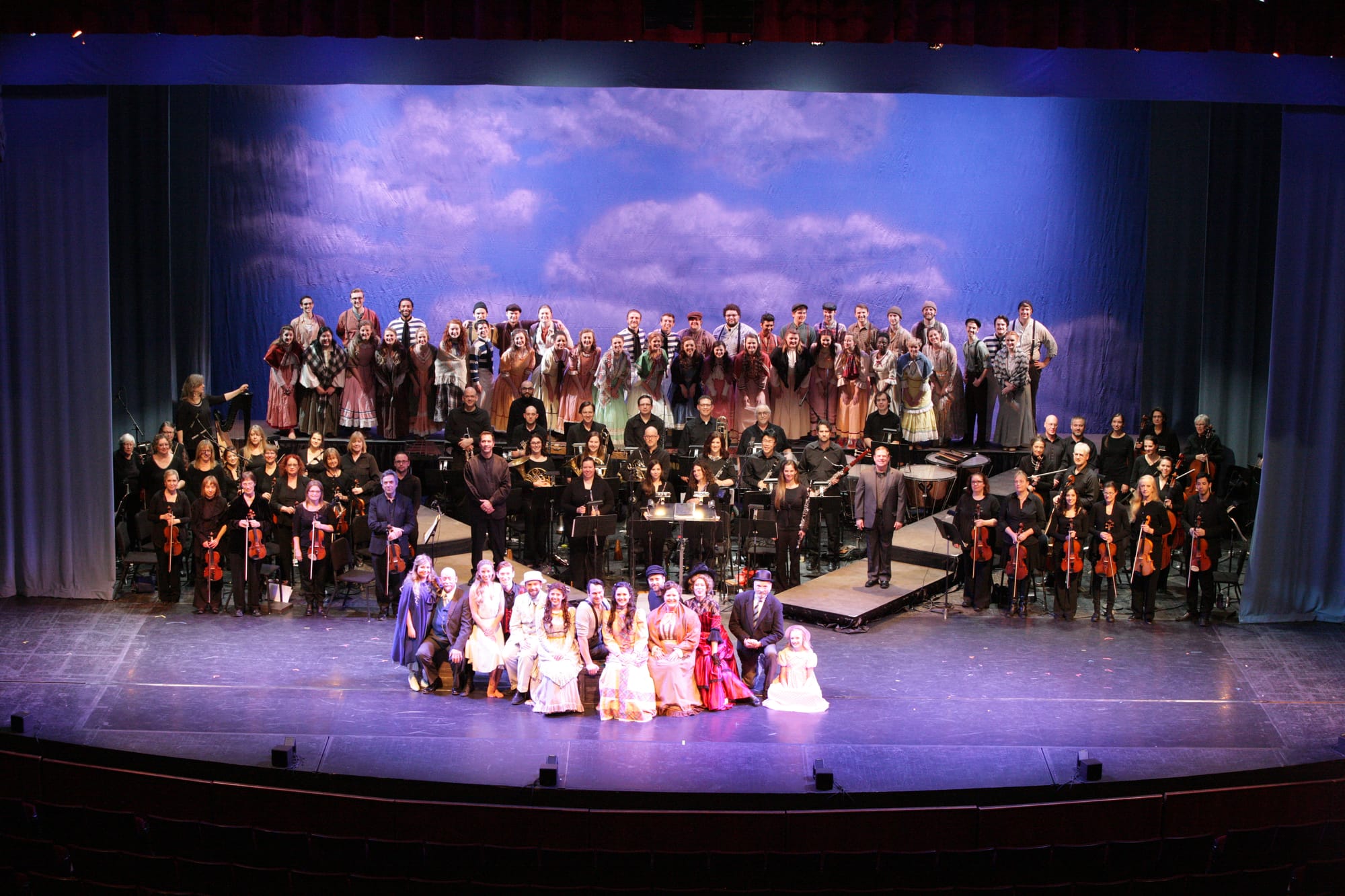
Two more pops nights round out the year. Conductor Michelle Merrill leads "Simply the Best: The Music of Tina Turner" on November 7, with vocalists Tamika Lawrence, Shaleah Adkisson and Scott Coulter. The season closes May 8 and 9 with "Star Wars at 50: A Galactic Jubilee," marking the 50th anniversary of the original 1977 film. Hege said the program will reach beyond John Williams' original trilogy of scores to include music from "The Mandalorian" and other later entries in the franchise, perhaps with an on-stage narrator threading the selections together.
Due to the anticipated demand for tickets, both the Star Wars program and "Annie Get Your Gun" will play twice, which is a change after several seasons of one performance per program. "We've been building some great enthusiasm and energy this year, with both the musicians on stage and with audiences," Storhoff said.
Hege said the response from audiences in recent seasons has felt different from what came before. "We want to continue with that feeling, with that connection with our audience, our patrons, our entire community."
The Details
Discounted Wichita Symphony Orchestra 2026-2027 subscription packages are available now, in quantities from three to 10 concerts. Single tickets go on sale July 1.
"Symphony in the Gardens," WSO's last performance of the 2025-26 season, will take place at 6 p.m. this Friday, May 15, at Botanica, 701 N. Amidon St. in Wichita.
Tickets are on sale for $135.00 and can be purchased on their website.
Sam Jack is a poet, a classical tenor, and the adult services librarian at Newton Public Library. He performs with several local groups, including Wichita Chamber Chorale, Wichita Grand Opera, and Opera Kansas. He received a Master of Fine Arts in creative writing from the University of Montana.
❋ Derby man has the kind of voice that turns heads — and chairs
❋ Socializing while sober: how some Wichitans are cultivating alcohol-free communities
❋ As a small creative business closes, the owner mourns
❋ Painting through it: Autumn Noire on 20 years of making art
❋ How a guy from Wichita resurrected 'Dawn of the Dead'
❋ Bygone Friends University museum housed curious collections
Support Kansas arts writing
The SHOUT is a Wichita-based independent newsroom focused on artists living and working in Kansas. We're partly supported by the generosity of our readers, and every dollar we receive goes directly into the pocket of a contributing writer, editor, or photographer. Click here to support our work with a tax-deductible donation.