Multi-location exhibition celebrates Lindsborg’s 1970s art scene
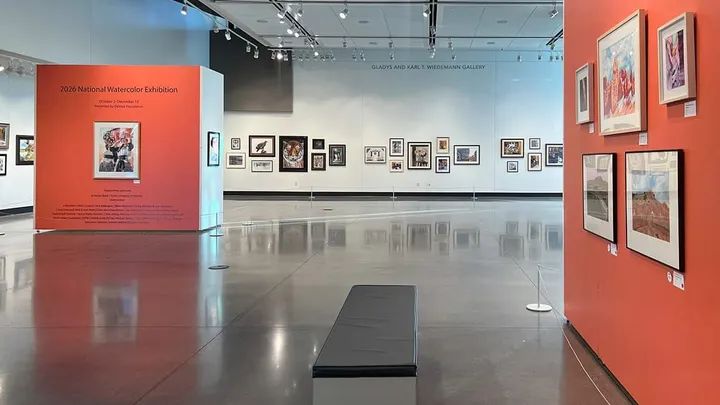
Nearly 150 works by by 77 artists are on view at the Mingenback Art Center, Prairie Sea, Smoky Valley Arts & Folklife Center, and Birger Sandzén Memorial Gallery.
Record numbers of art majors at Bethany College and working artists who lived in downtown lofts prompted the Wichita Eagle in 1972 to declare Lindsborg as Kansas’ “only claim to an art colony.”
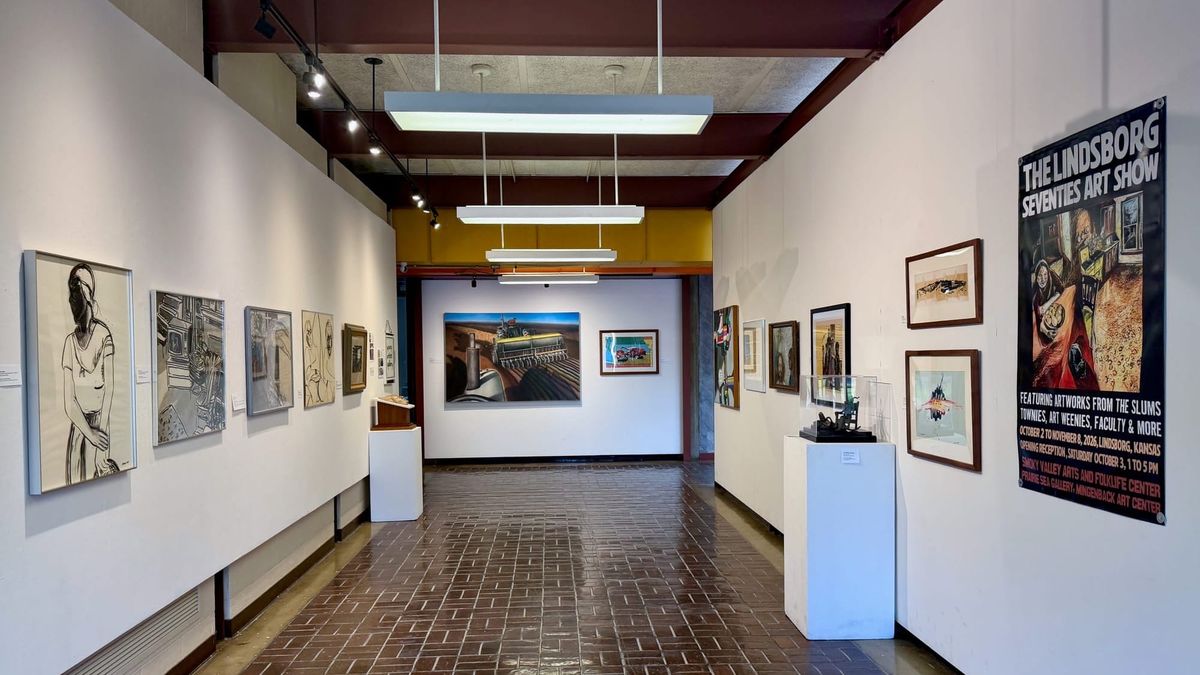
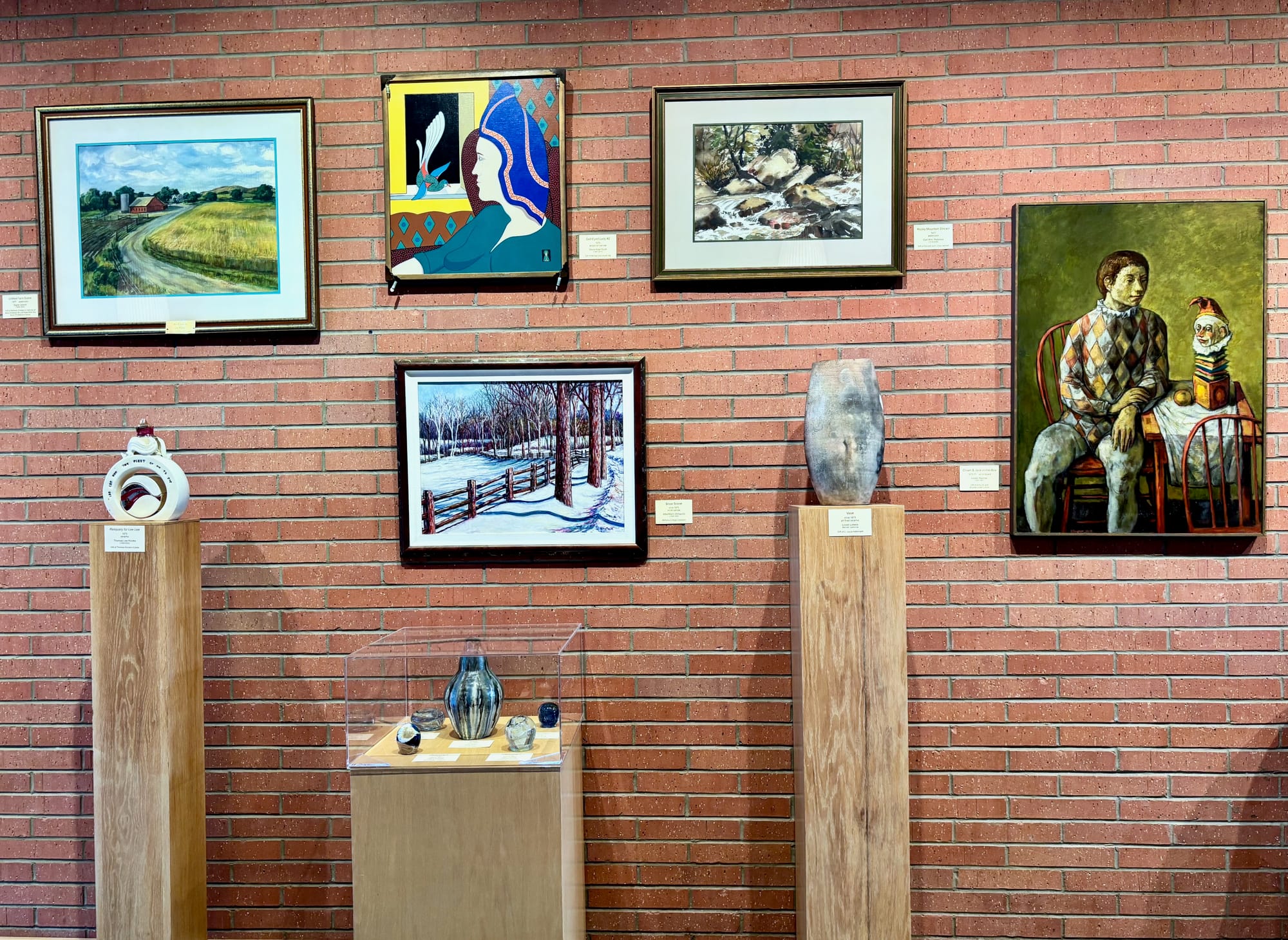
“The Lindsborg Seventies Art Show,” a concurrent exhibition on view at four locations until November 8, takes a fond look back at the defining decade when artists lived and worked in studios along the brick-paved Main Street and gathered in the evenings at the Ol’ Stuga bar.
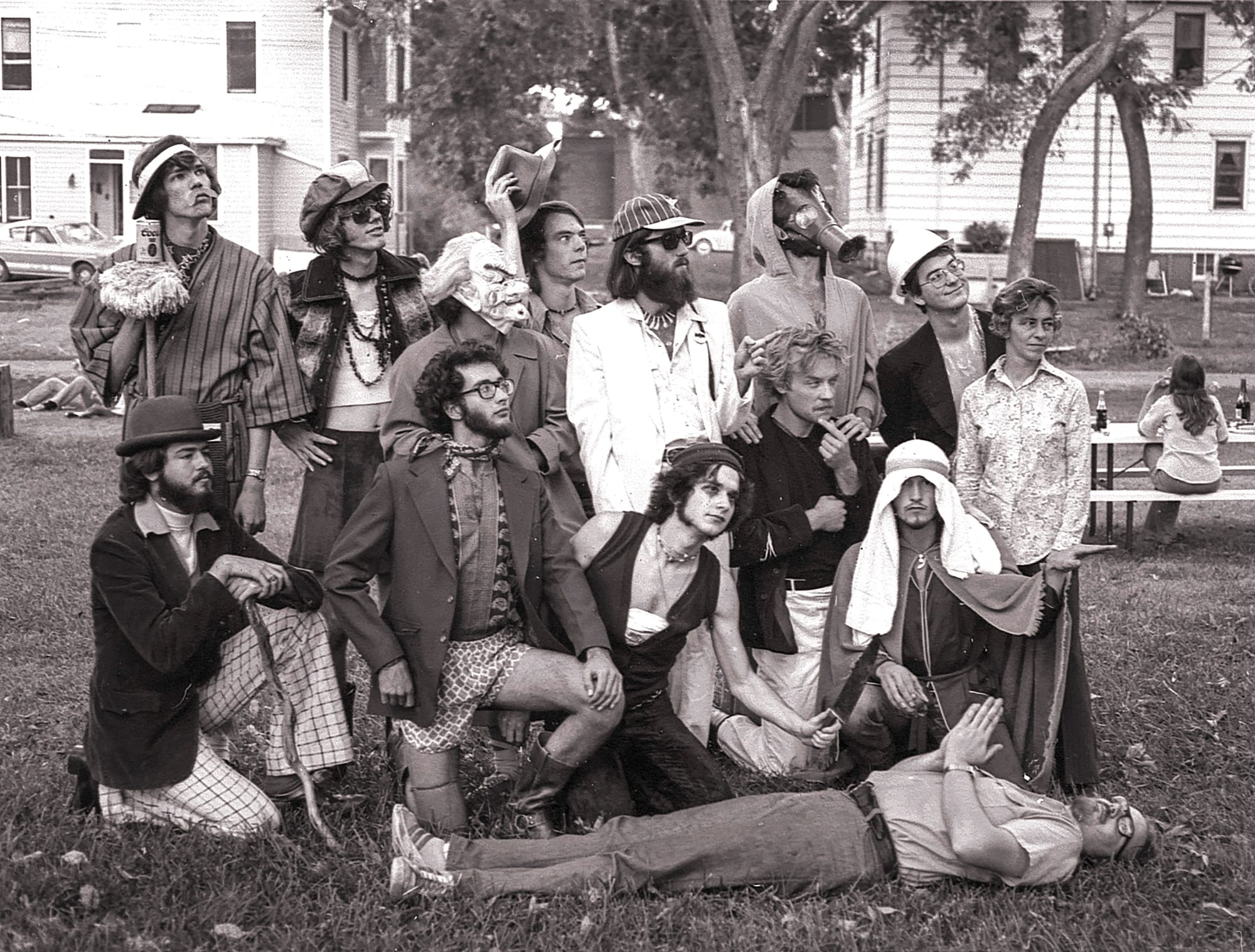
Three of the curators for the show — Bethany art graduates Ray Troll, Richard Klocke and Laura Rempel Klocke — lived in upstairs apartments on Main Street. Klocke and Rempel Klocke lived with other students in apartments (two shared a bathroom) known as the “slums” on the second floor of a building at the corner of Main and Lincoln where the Sundstrom Conference Center now stands. Artist residents on the other side of Main Street included Troll and artist Mike Hartung.
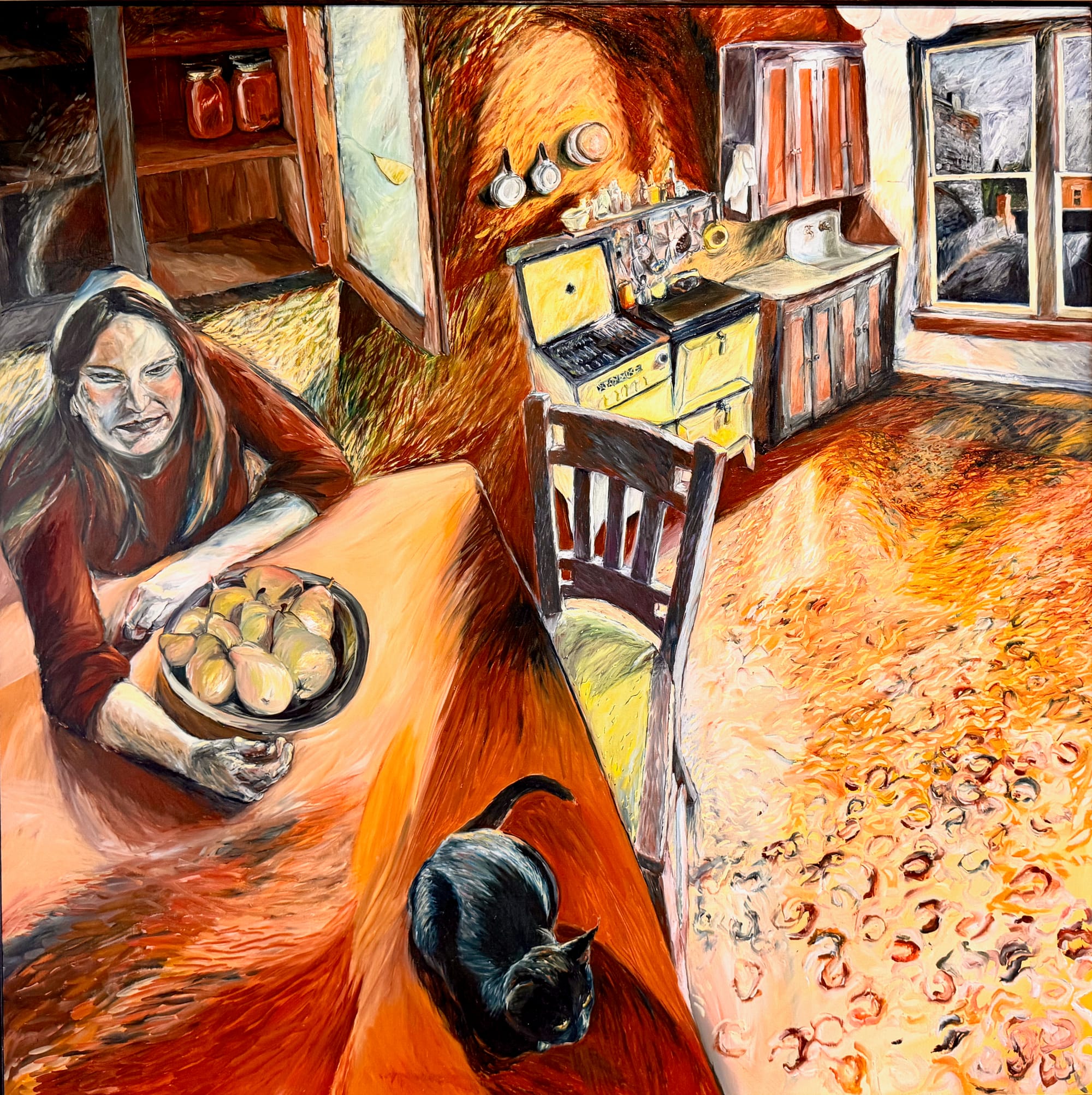
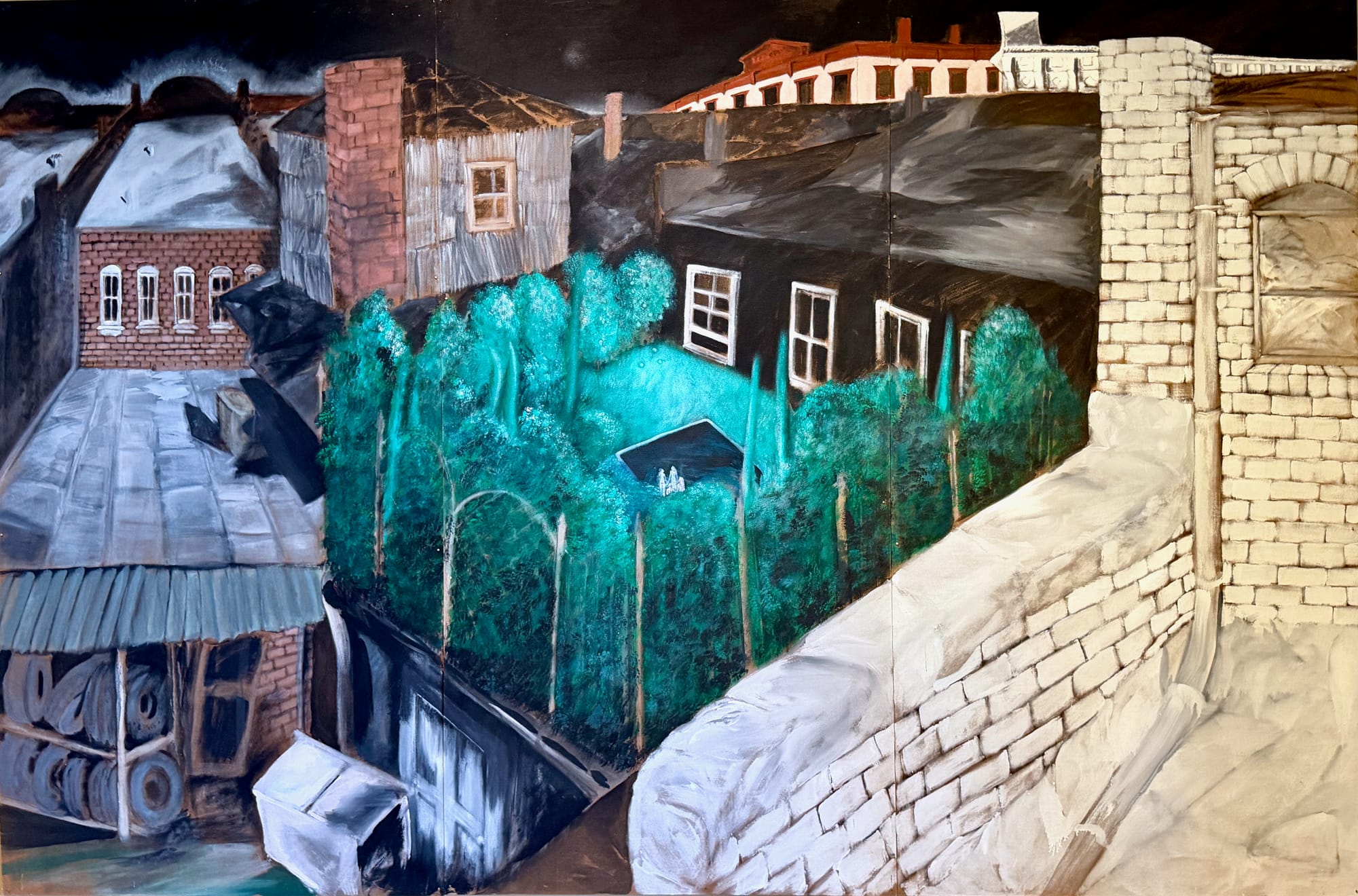
Lester Raymer’s Red Barn Studio on South Main added to the creative synergy of the time. There, he created paintings, prints and three-dimensional works, some of which are on view in museum collections, at the Red Barn Studio Museum. On the north edge of town, Bethany was in the midst of a renaissance marked by record enrollment and new buildings, including the Mingenback Art Center.
“Lindsborg’s Seventies art scene left an indelible mark on my life,” Troll wrote in the intro to his 2023 book, “Halcyon Days of the ’Borg: A Photographic Memoir.” “Maybe it was the cultural residue of the Sixties lingering in the air, but the excitement of creativity was palpable in that town, in the streets, in the bars, in the raucous parties in the ‘slums’ above Main Street.”
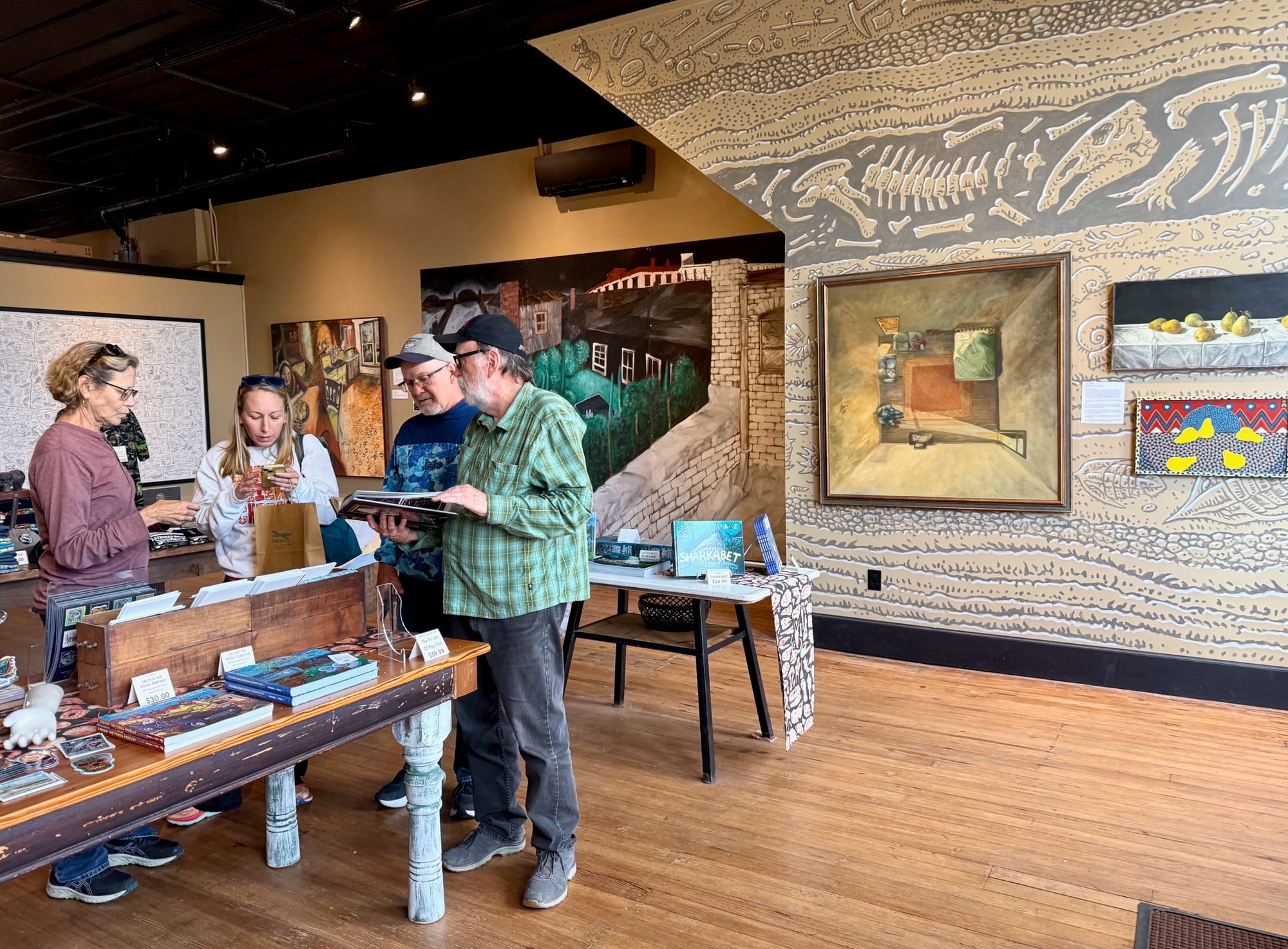
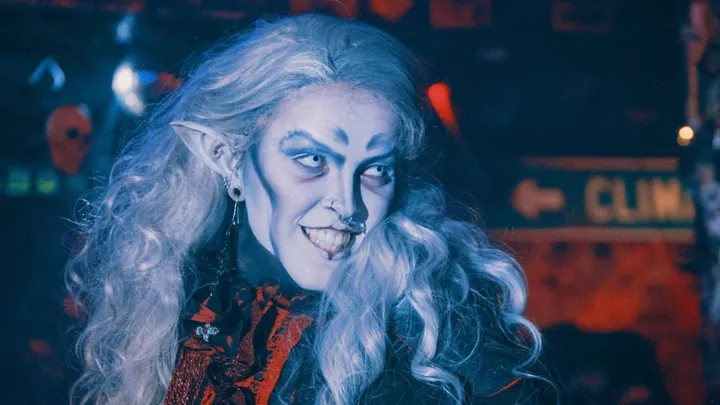
Troll’s Prairie Sea on Main Street, which he and his wife Michelle opened in 2023, is one of the locations for the exhibition. On a recent weekday, he reminisced about college days and how the artists inspired each other. “There’s a phenomenon that happens when there’s a cluster and you feed off each other,” said Troll, who also bartended at the Ol’ Stuga and Brunswick.
At the time there were about 80 art majors at Bethany, he said, as well as four full-time professors and several “townie” artists.
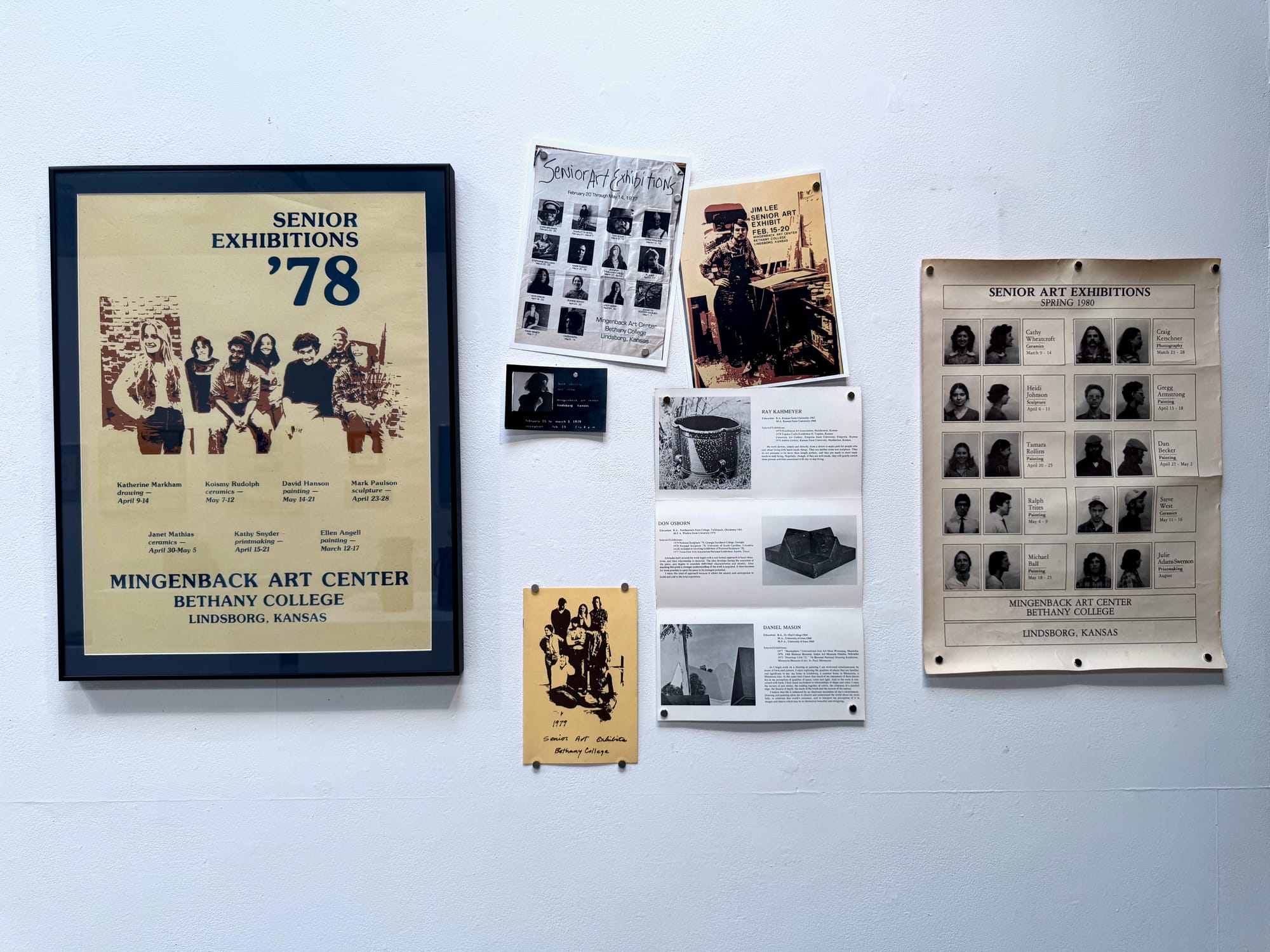
The exhibition includes 139 works by 77 artists, said Marsha Howe, exhibition co-curator and former director of the Red Barn Studio Museum. About 40 artists from New York to California attended the opening, which turned it into a joyous reunion.
Howe’s daughter Emily, the current director of the Red Barn, came up with the idea for the exhibition in 2022 while working as event coordinator for the Sundstrom Conference Center.
“I knew that some artists lived there, and during that time the apartments above the Sundstrom and downtown were affectionately called the ‘slums’ by the artists and people who lived there,” said Emily Howe, who conceived of an exhibition focusing on the “slums” artists.
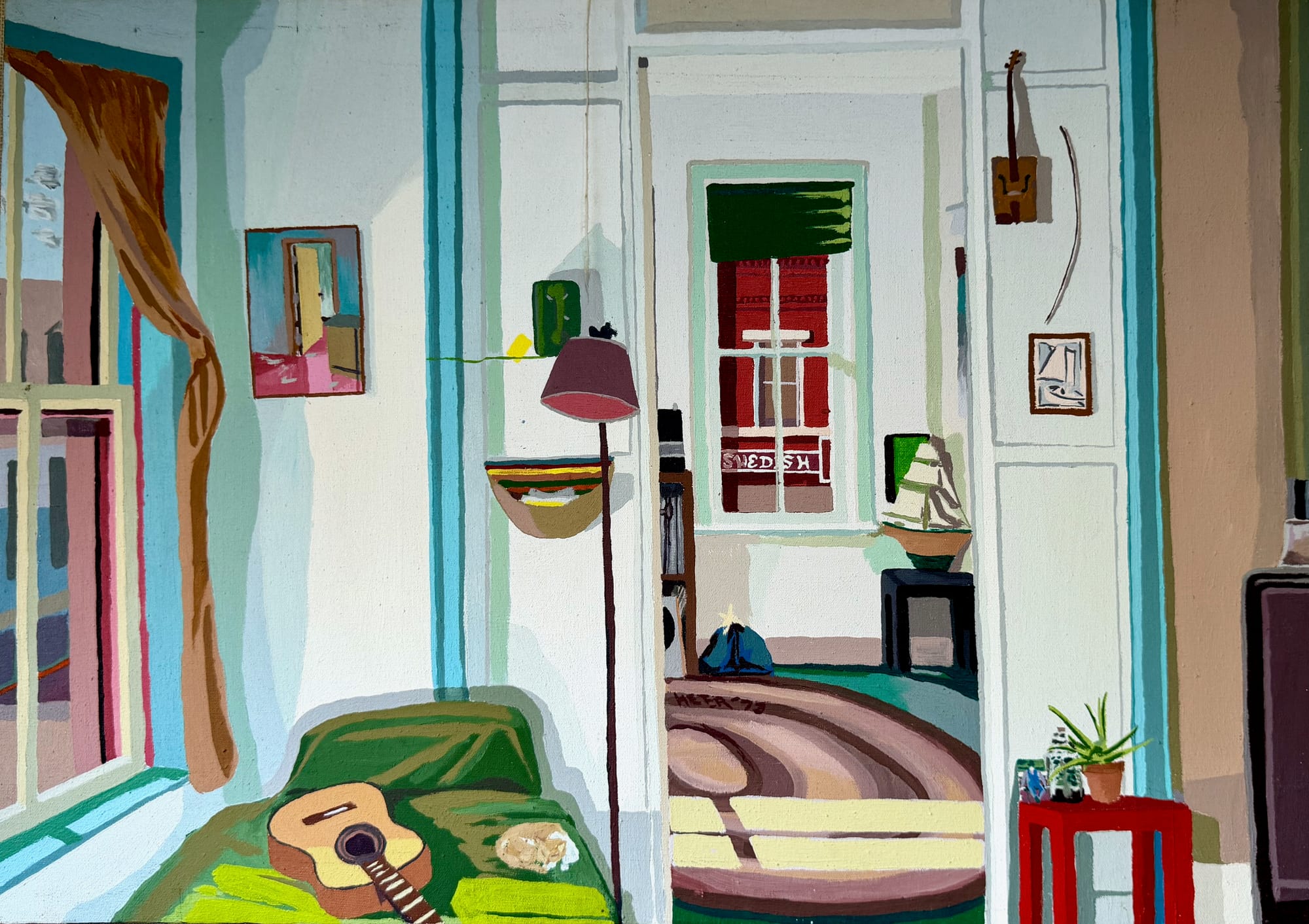
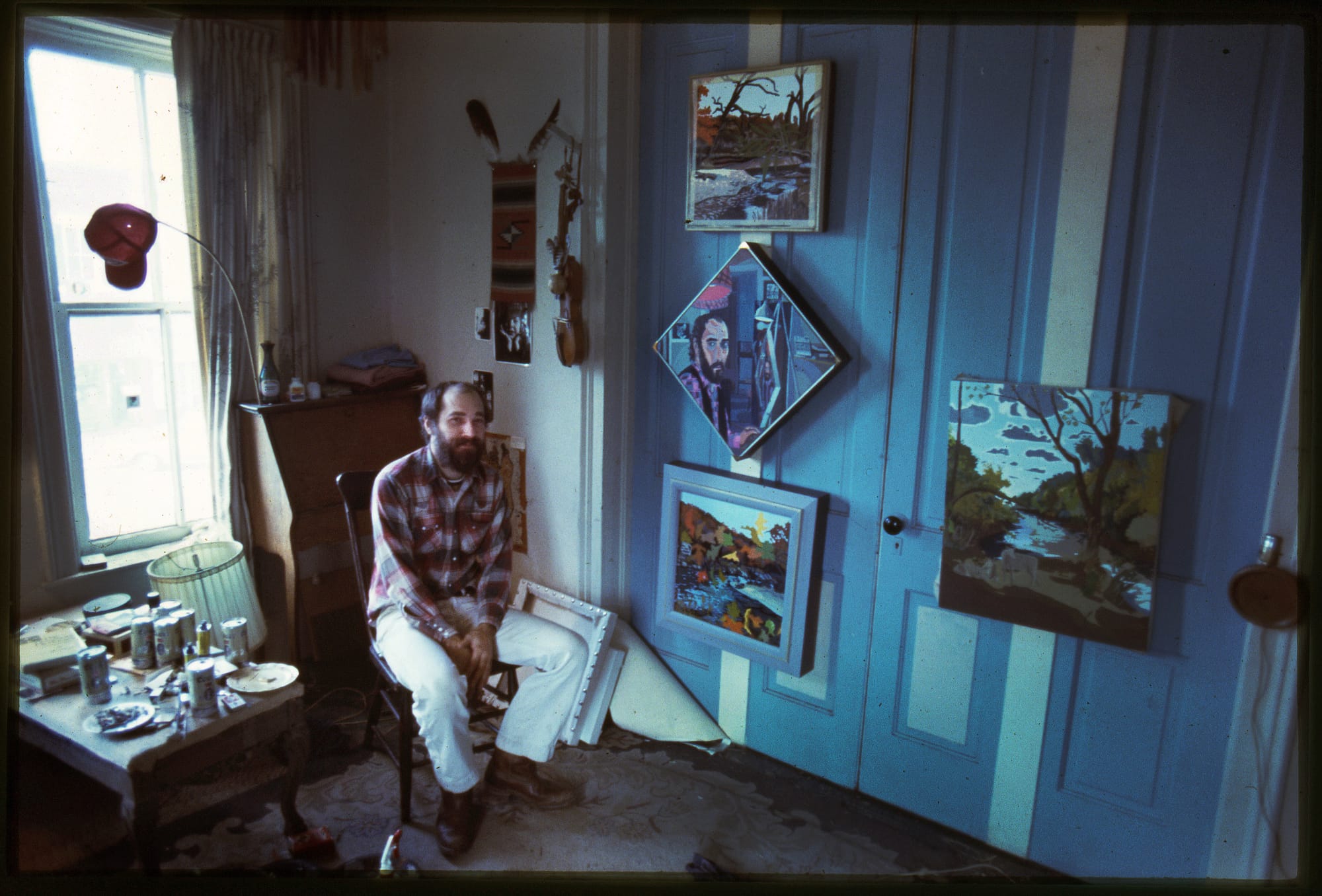
She credits Troll and her mom for expanding the idea to more artists of the time and “running with it.” Klocke and Rempel Klocke, who had kept in contact with many of the artists as well as being “amazing collectors,” joined the curatorial team and contributed a great deal to the “historic homecoming,” she said.
Klocke and Rempel Klocke lived in one of the second-floor apartments known as the “slums” as art students in the mid-1970s. After earning their Master of Fine Arts degrees at the Art Institute of Chicago, they settled in Lawrence, where Richard worked at the University of Kansas’ Spencer Museum of Art.
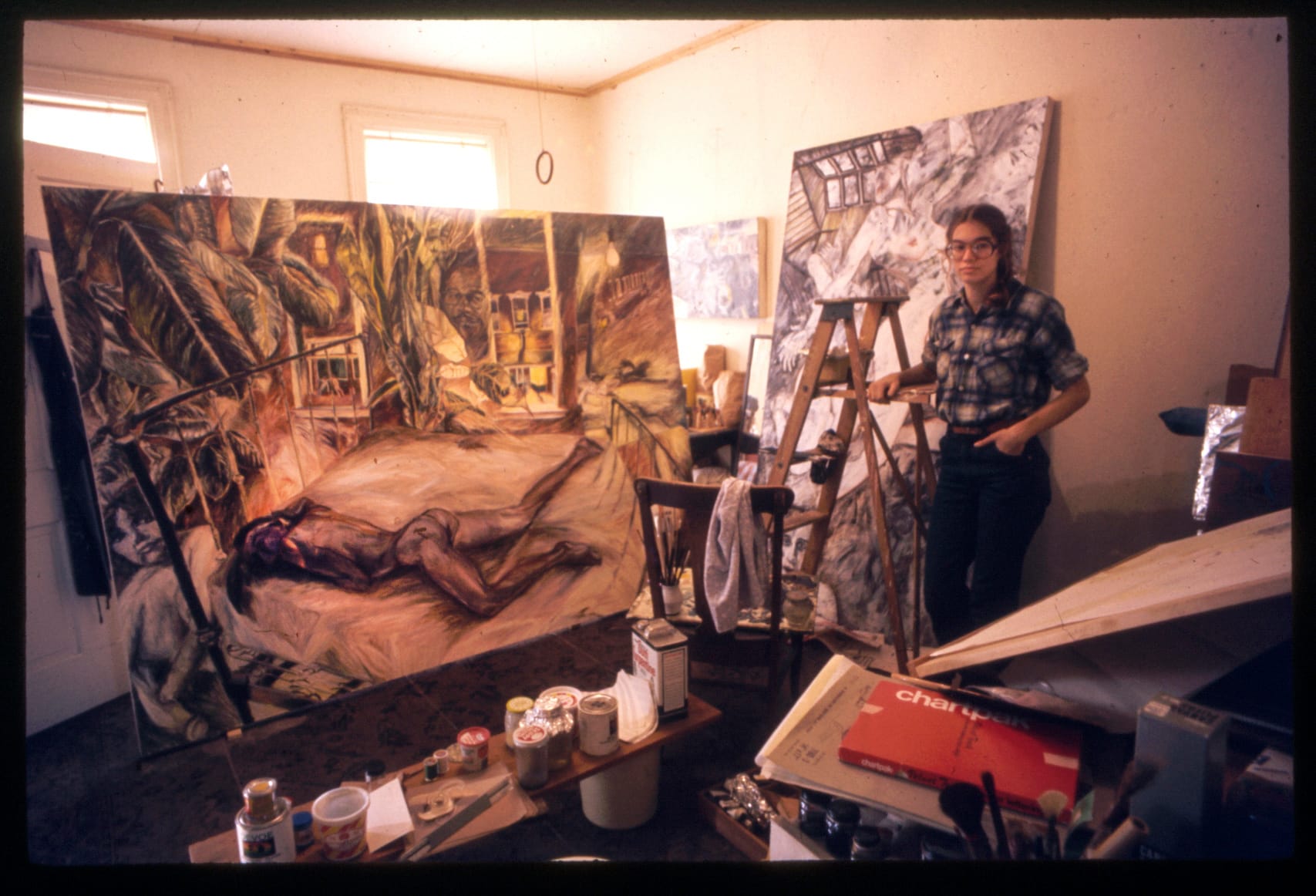
The four curators began planning for the exhibition and tracking down dozens of artists a year ago. It took a week to hang the works loaned by artists and collectors at the three main locations: Smoky Valley Arts & Folklife Center and Prairie Sea, both on Main Street, and Mingenback Art Center on the Bethany campus. In addition, the Birger Sandzén Memorial Gallery hung a dozen pieces from its permanent collection.
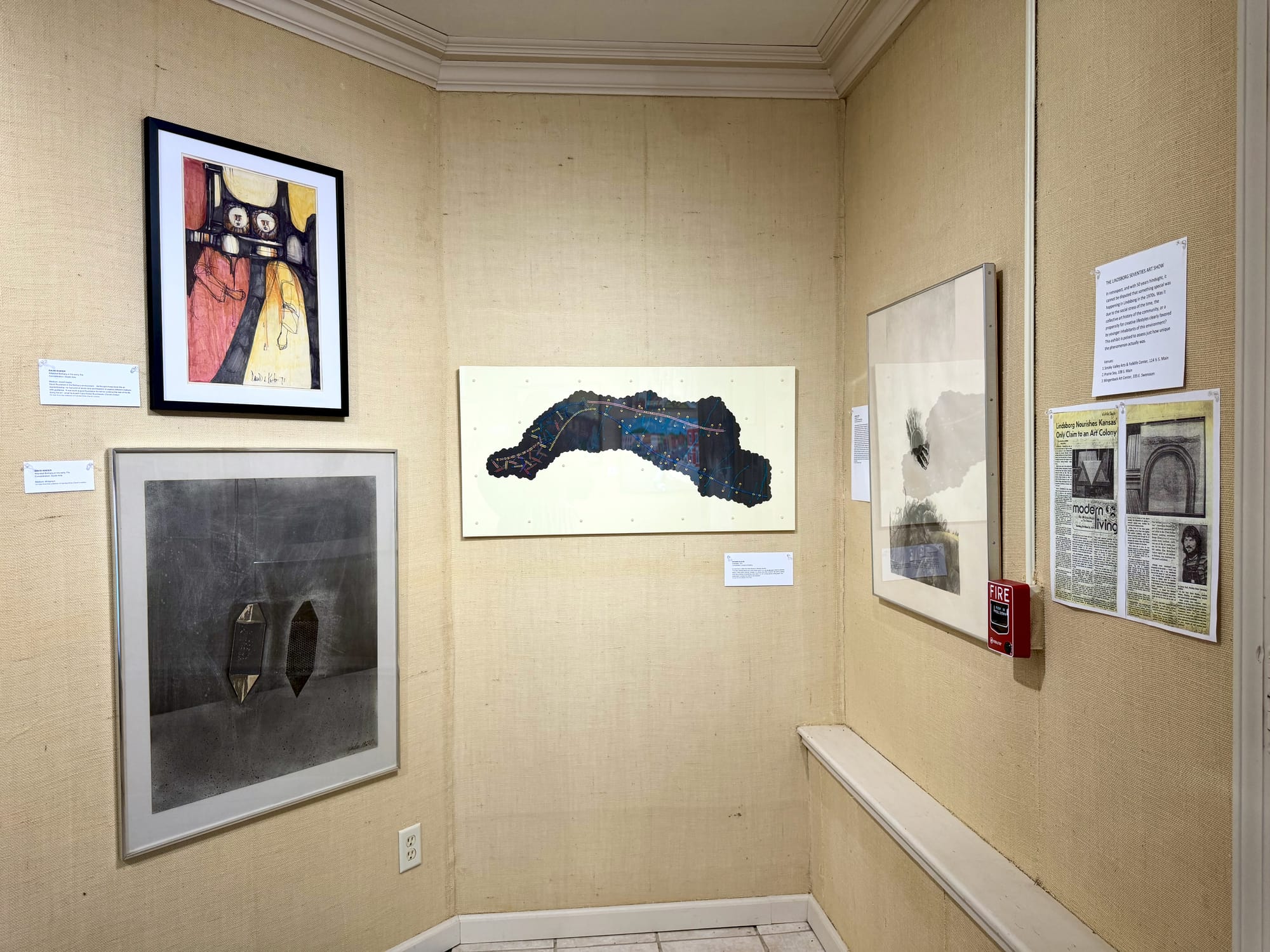
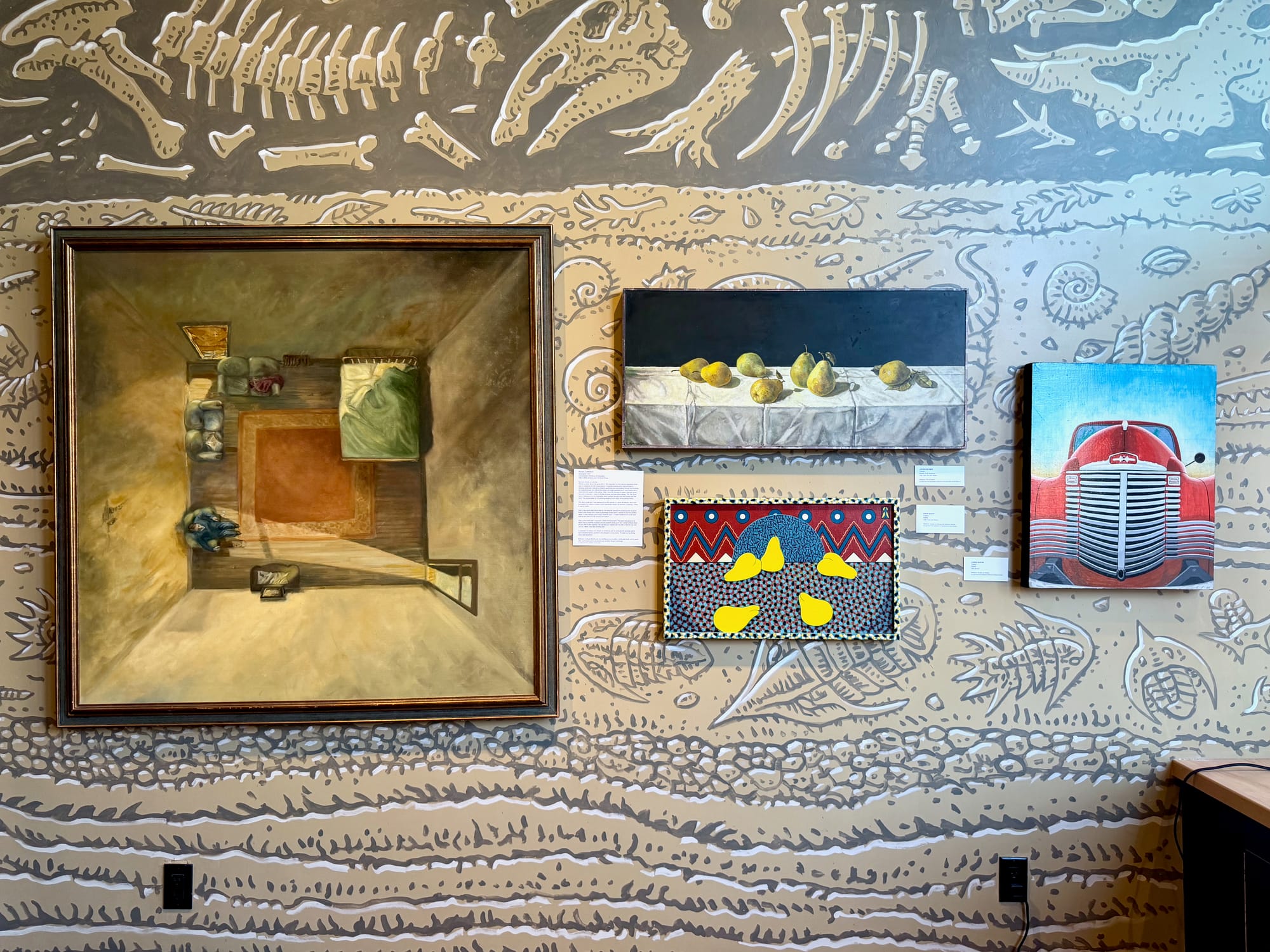
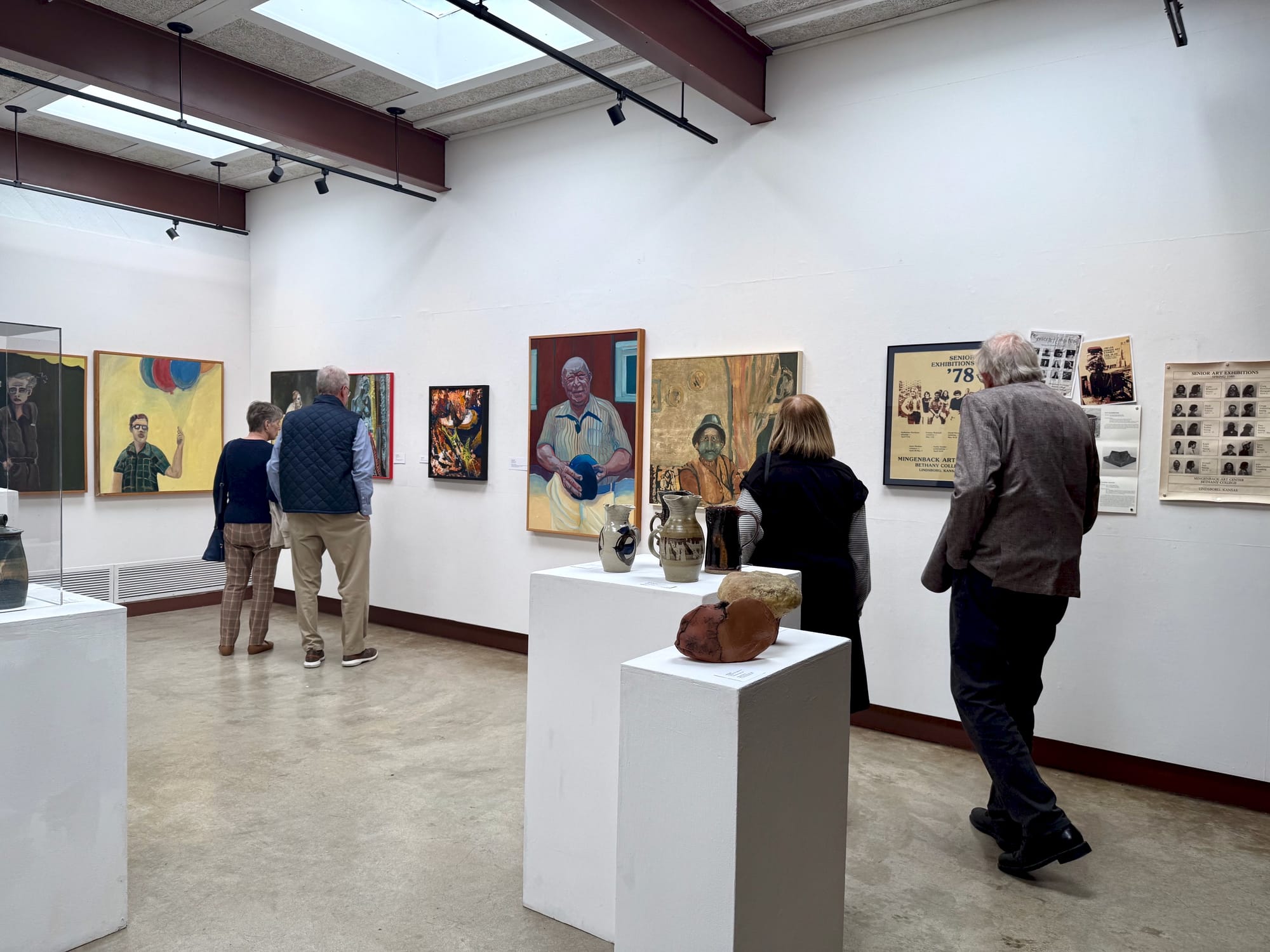
In a lecture at the Sandzén on October 18, Randall Griffey, program director for American art at the Henry Luce Foundation, drew comparisons between the Lindsborg artists’ work with such nationally known artists of the time as Alice Neel, Andy Warhol and Roy Lichtenstein. He noted that professor Ray Kahmeyer’s ceramics during that period also dovetailed with an ascending national studio crafts movement.
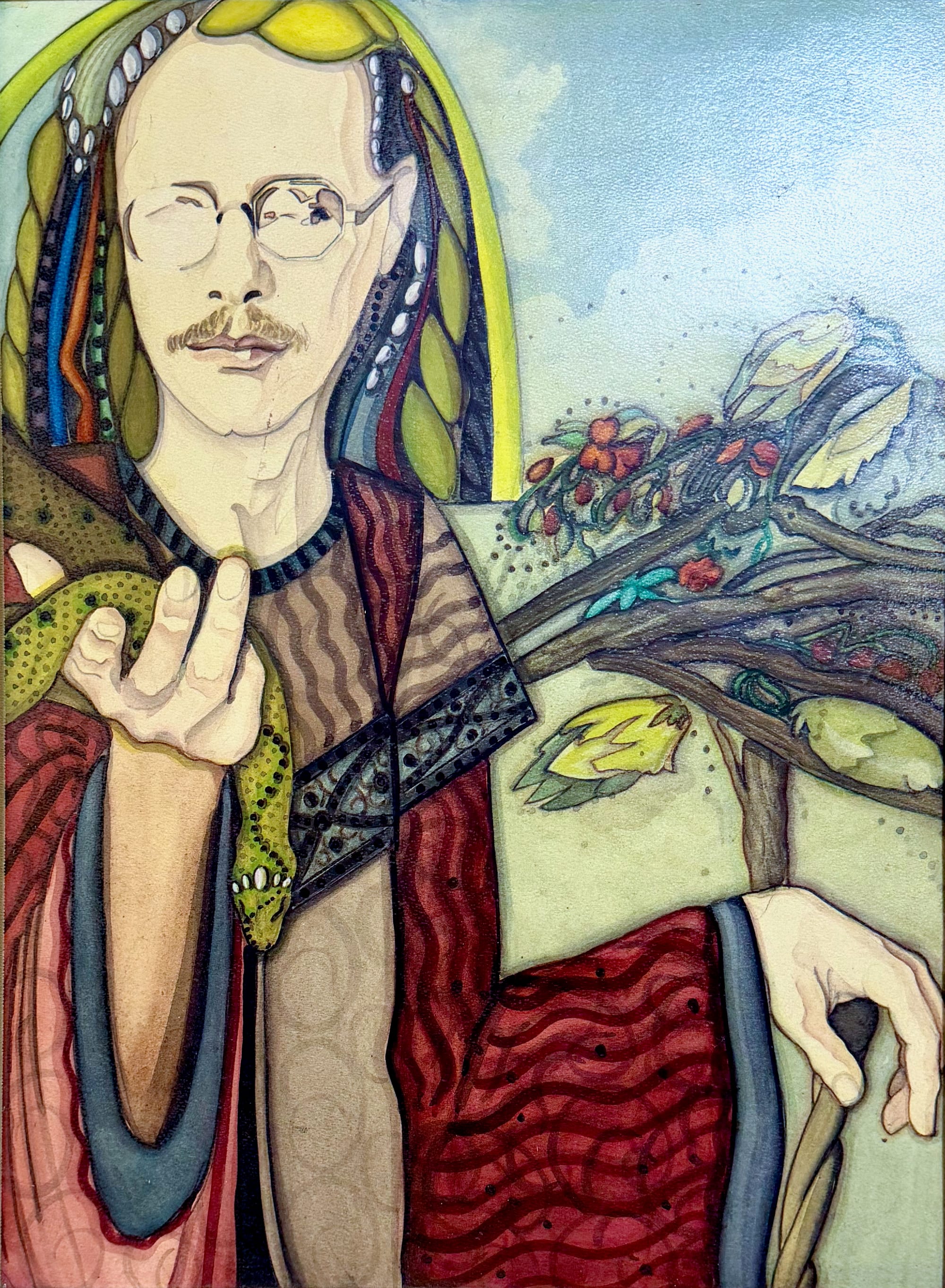
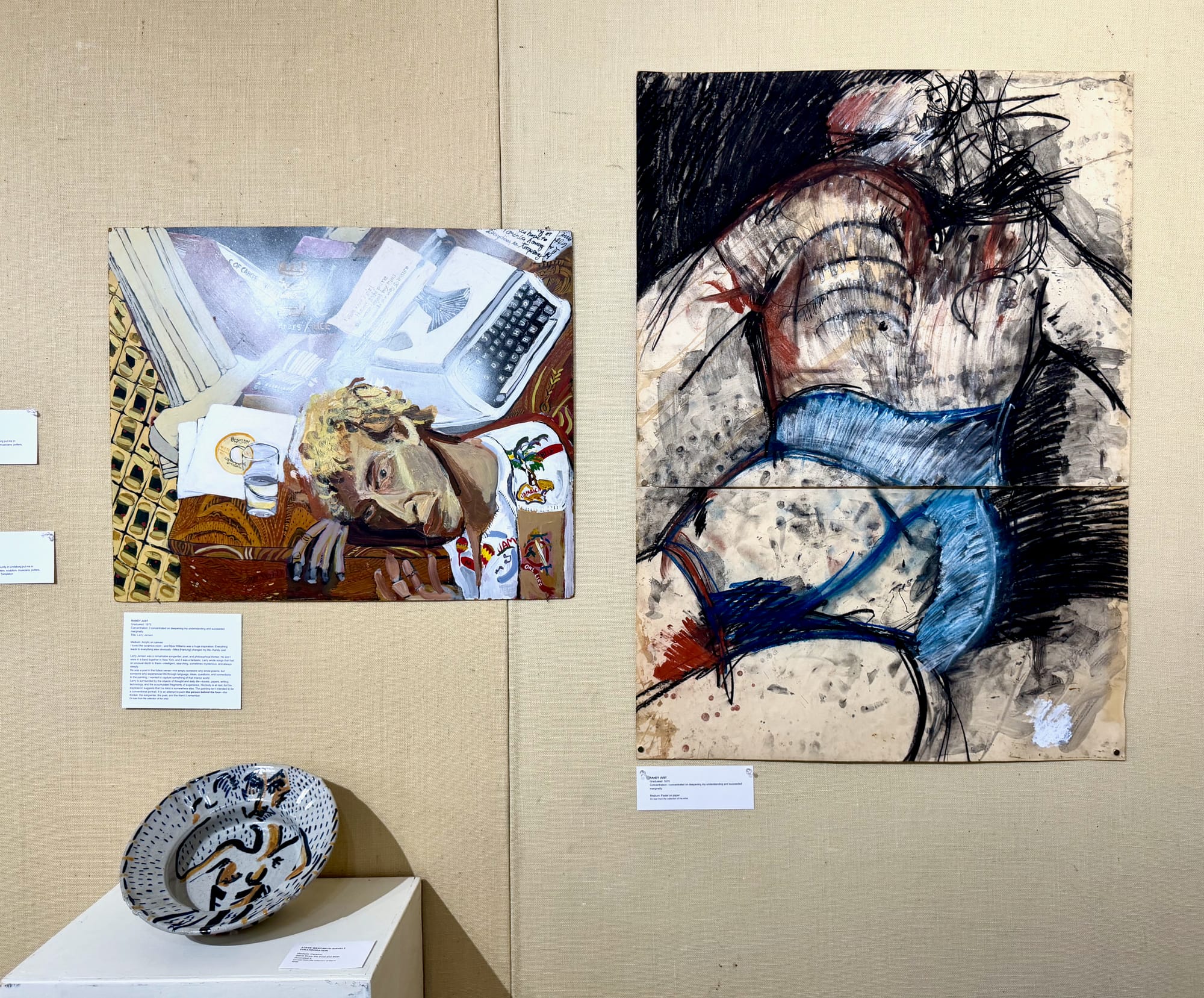
At one point Bethany enrolled as many as 100 art majors during the 1970s, according to Griffey. As an influx of baby boomers swelled college enrollments nationwide, Bethany followed suit, reaching a peak enrollment of 850, a noticeable population in the north-central Kansas town of only 2,400 residents.
Troll sees the current exhibition “as a way to keep the torch going.”
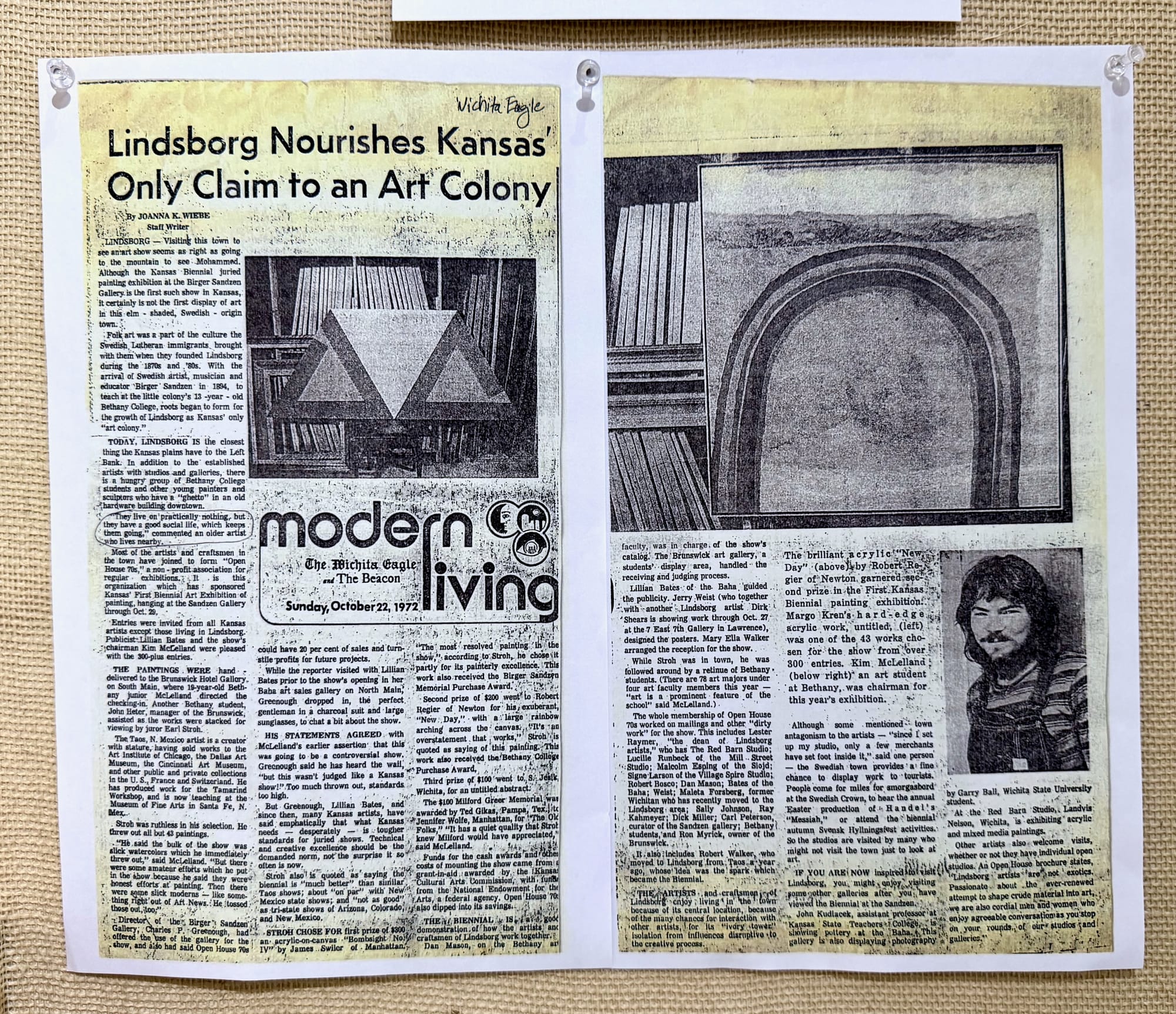
For their part, the Trolls — Alaska residents since the early 1980s — purchased a historic Lindsborg building in 2022 that had space for a downstairs gallery and upstairs apartment in an area they affectionately call SoMa (South Main). The gallery features books, illustrations, maps and T-shirts with Troll’s distinctive and world-famous depictions of fish and fossils.
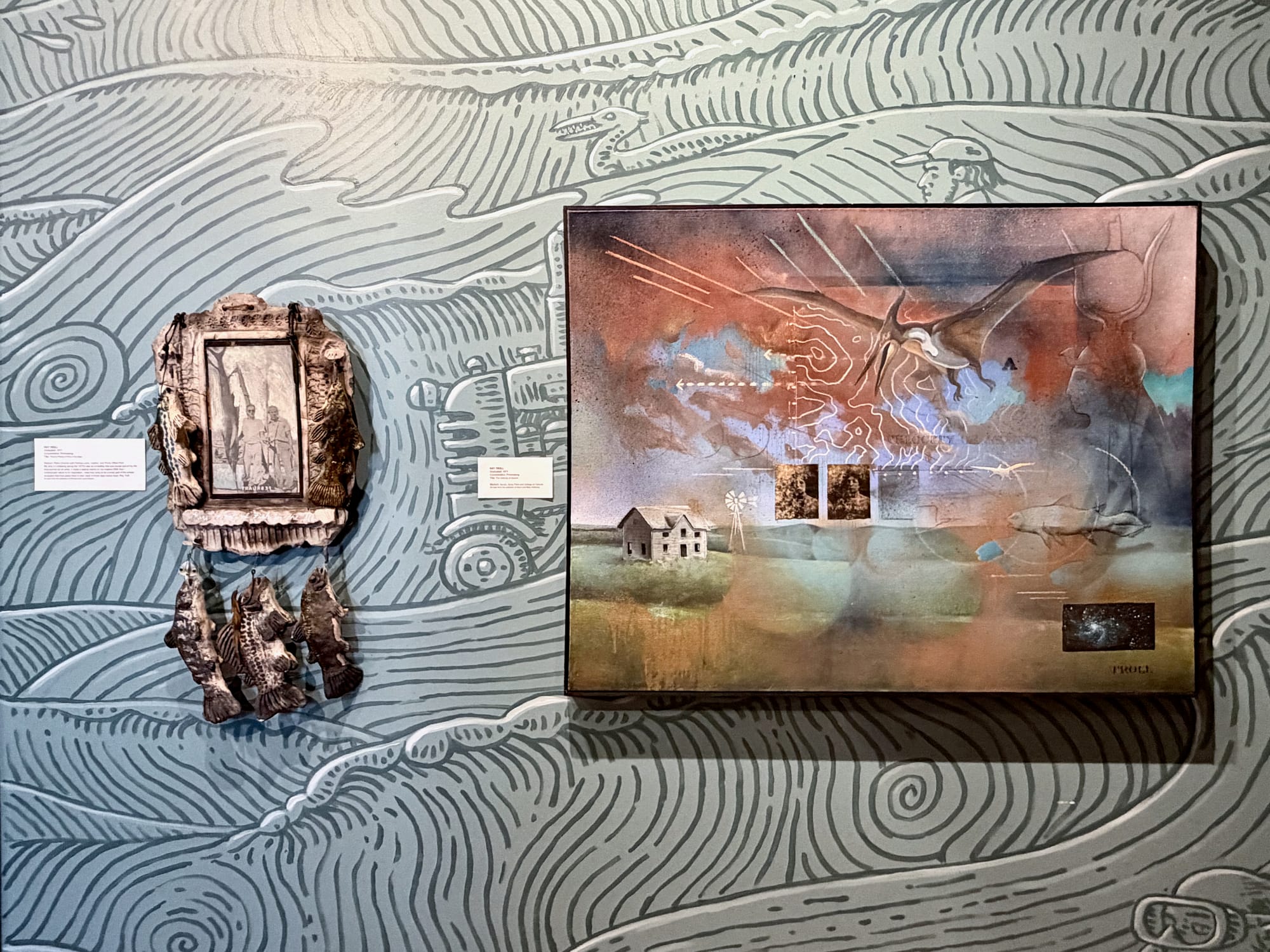
The Trolls now split their time between Ketchikan and Kansas, where Ray Troll once again resides in an upstairs apartment on the west side of Lindsborg’s Main Street next to artist Mike Hartung, who has lived in the same apartment since the 1970s.
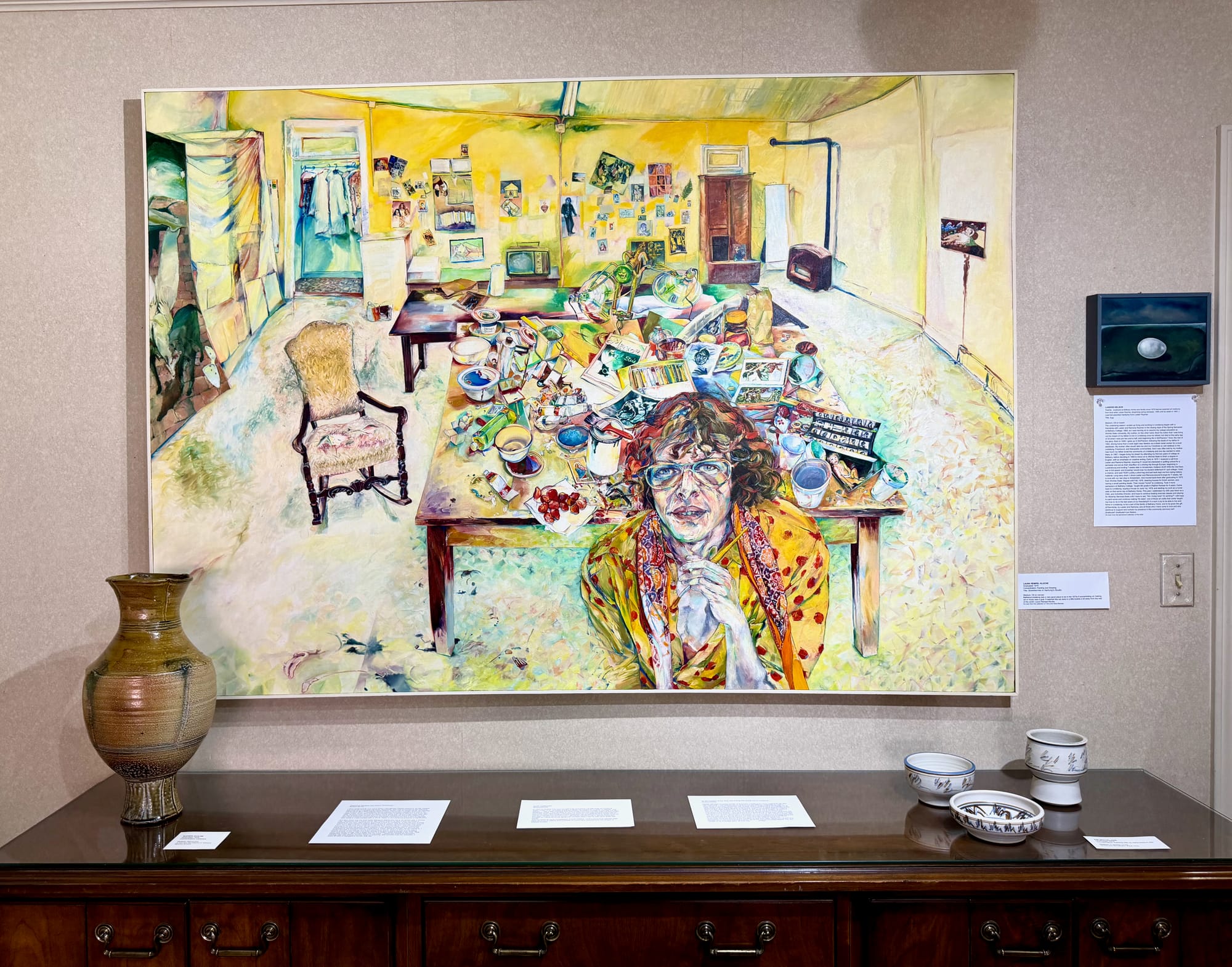
While the exhibition focused on a single decade, Lindsborg began its trajectory toward becoming an arts epicenter during Birger Sandzén’s tenure as an art professor at Bethany College. In addition to influencing generations of students and becoming an internationally known painter and printmaker, he helped found the Messiah Arts Festival in 1882, an annual Lindsborg tradition that continues 145 years later.
The Details
“The Lindsborg Seventies Art Show”
October 2-November 8, 2026, in Lindsborg, Kansas
The exhibition is on view at four locations in Lindsborg:
- Mingenback Art Center, on the corner of Olsson and 2nd Streets, open daily 9 a.m.-5 p.m.
- The Birger Sandzén Memorial Gallery, 401 N. 1st St., 10 a.m.-5 p.m. Tuesday-Saturday and 1-5 p.m. Sundays
- Smoky Valley Arts & Folklife Center, 114½ S. Main, open 1-5 p.m. Friday-Sunday
- Prairie Sea, 108 S. Main St., open 1-5 p.m. Friday-Sunday while the exhibition is on view
If you miss the current exhibition, the Red Barn Studio Museum and Sandzén Gallery are open year-round. The annual Holiday Artists’ Studio Open House, this year on December 5, is a good time to visit. Find more info at redbarnstudio.org.
Cynthia Mines is the author of “For the Sake of Art: The Story of a Kansas Renaissance,” a 2016 Kansas Notable Book that tells the story of McPherson resident Carl Smalley, Birger Sandzén’s only art dealer and organizer of the nationally known McPherson schools art exhibitions and resulting collection. She lives near Lindsborg.
❋ Derby man has the kind of voice that turns heads — and chairs
❋ Socializing while sober: how some Wichitans are cultivating alcohol-free communities
❋ As a small creative business closes, the owner mourns
❋ Painting through it: Autumn Noire on 20 years of making art
❋ How a guy from Wichita resurrected 'Dawn of the Dead'
❋ Bygone Friends University museum housed curious collections
Support Kansas arts writing
The SHOUT is a Wichita-based independent newsroom focused on artists living and working in Kansas. We're partly supported by the generosity of our readers, and every dollar we receive goes directly into the pocket of a contributing writer, editor, or photographer. Click here to support our work with a tax-deductible donation.