A Wichita guitar legend gets time in the studio
Musician and teacher Craig Owens has been around for years. Thanks to a former student, he now has a studio album to show for it.
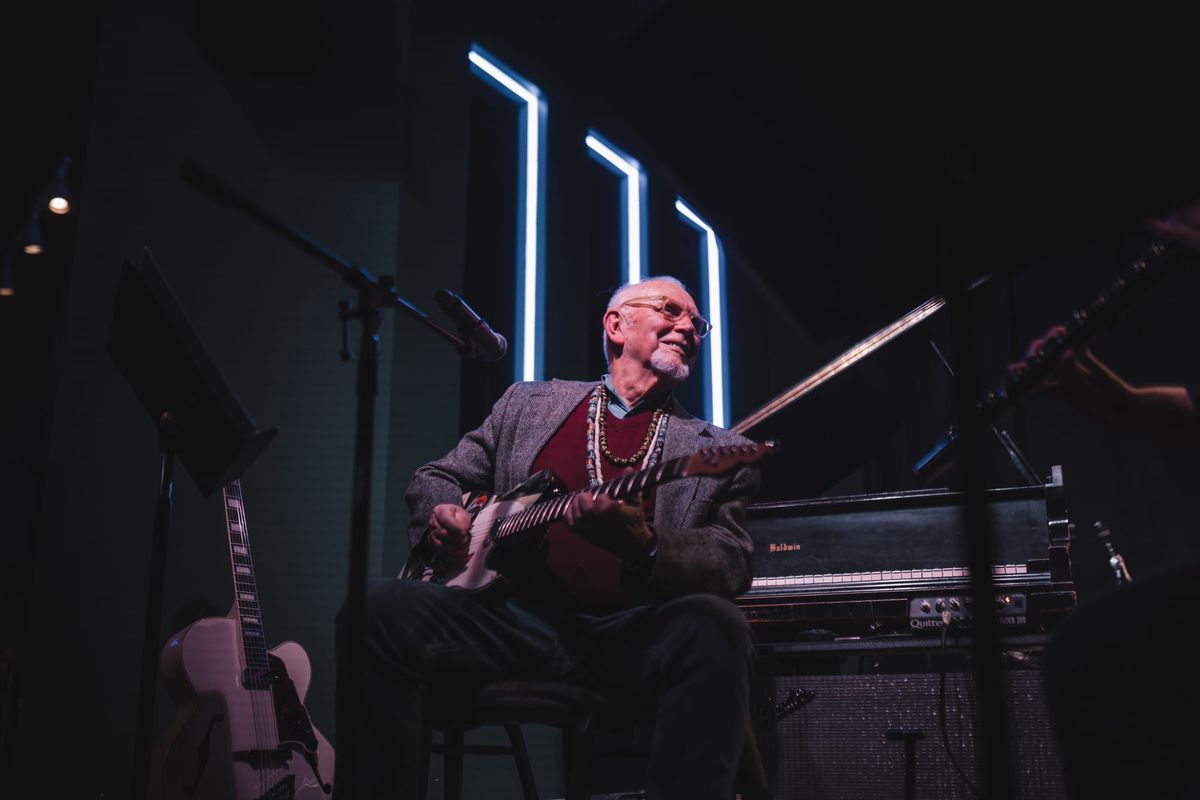
Guitarist Craig Owens has been a Wichita institution for decades: as a player and performer with his long-running Bodo Ensemble, as a music teacher at Wichita State (he retired in 2013), as a mentor to numerous younger artists interested in improvisatory playing and creative composition.
Despite his years of activity as a veritable one-man scene, Owens hasn't been well served by the recording industry — Discogs lists just one album under his name, 1993's “The Seven Martyrs of Tehran,” the sole release of the Buffalo label. Amazon lists a few more, some of them CD-Rs, most of which you can find in the dusty corners of streaming platforms. (One of these, 1998's “The Christmas Album,” appears to exclude any recognizable Christmas songs.)
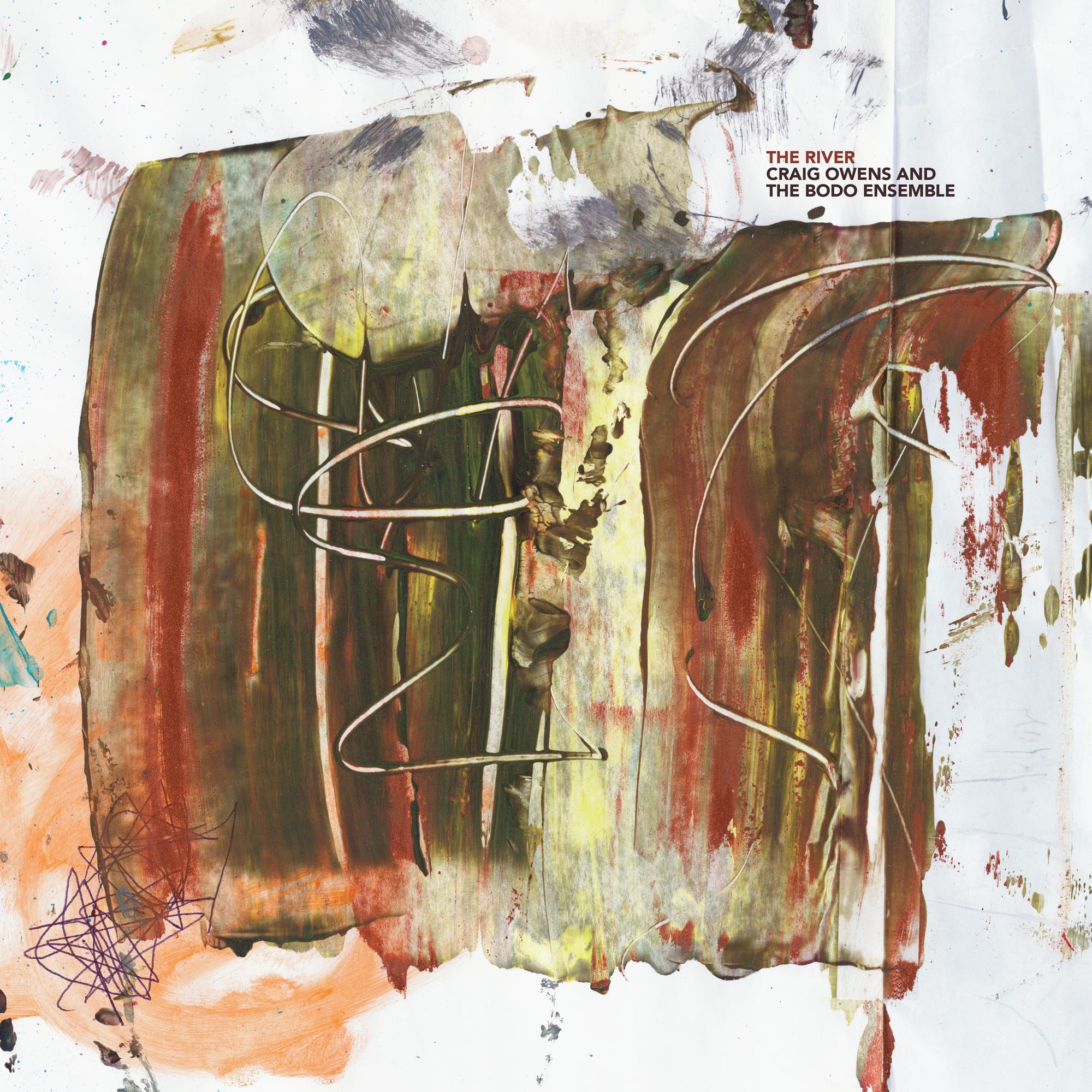
One of Owens' former students, Wichita guitarist David Lord, has ended that drought by getting Owens and a new version of the Bodo into the studio and putting the results out on his own label Cloud Ear Records. Instead of a grand statement, however, Owens and his group deliver a tight yet still eclectic set of original material.
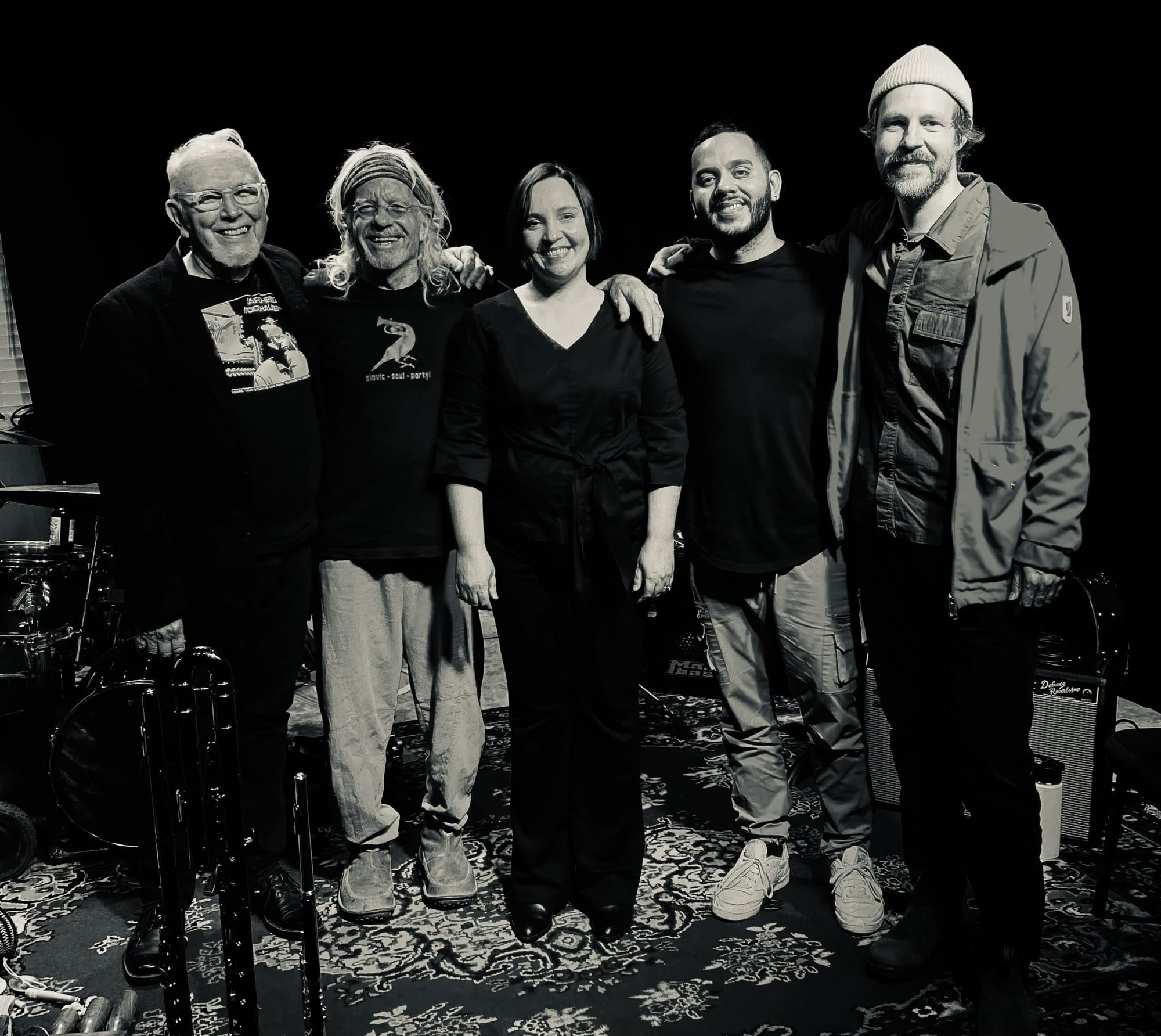
This version of the Bodo features newer members Miguel Santana Morales on double bass and Ellen Johnson Mosley on flute, with only drummer Randy Bowen remaining from the group's founding in 1989. Deep Bodo heads will notice the absence of reeds in this group's arsenal – previous albums made heavy use of saxophone (usually Andrew Bishop) and bass clarinet (mostly Michael Unruh). Owens once relied on the throaty timbres of those instruments to give his tunes a hefty swing — with Mosley as his only front-line counterpart, his tunes move more nimbly and show more color. The opening title track summons the syncopated mojo of Eddie Harris' much-covered "Freedom Jazz Dance," with Owens and Mosley bobbing and weaving around a taut melodic line, supported by the brisk tempo of the drums and the limber hop of the bass. It's an old-school style that recalls the jazz of the late '60s, minus the Beatles-esque chordal harmonies and psychedelic tracers of the flower-power era. Though later tracks explore other modes such as blues ("Crime Dog Bodo: Searching for Janessa") and free groove ("Ballad for Kahabi"), the no-nonsense, unfussy evocation of bygone days persists.
Owens has a dry, bristly tone that stops just short of aridity, which nicely complements Mosley's woody trill. On previous albums, most of them live recordings, Owens showed hints of the sprawling, buttery legato favored by Midwestern guitarists like Pat Metheny. Here, he operates in a much more contained zone. At times, his soulful single-note runs suggest Grant Green, as on "Zadi's Agouti," while on "Bodo and the Dolphins" he drops a few circular clusters reminiscent of an unusually experimental Jim Hall. Most tracks begin with short sections of gestural abstraction before getting down to business; these brief open-ended passages showcase the intuitive abilities of the players and the textural panache of the band, but they might leave adventurous listeners wanting more. The reined-in quality of “The River” puts the focus squarely on Owens' efficiently eccentric compositions, while leaving just a smidgen of space for unexpected shifts and spontaneous detours. These compact departures, while never long or intense, keep things from getting too buttoned-down.
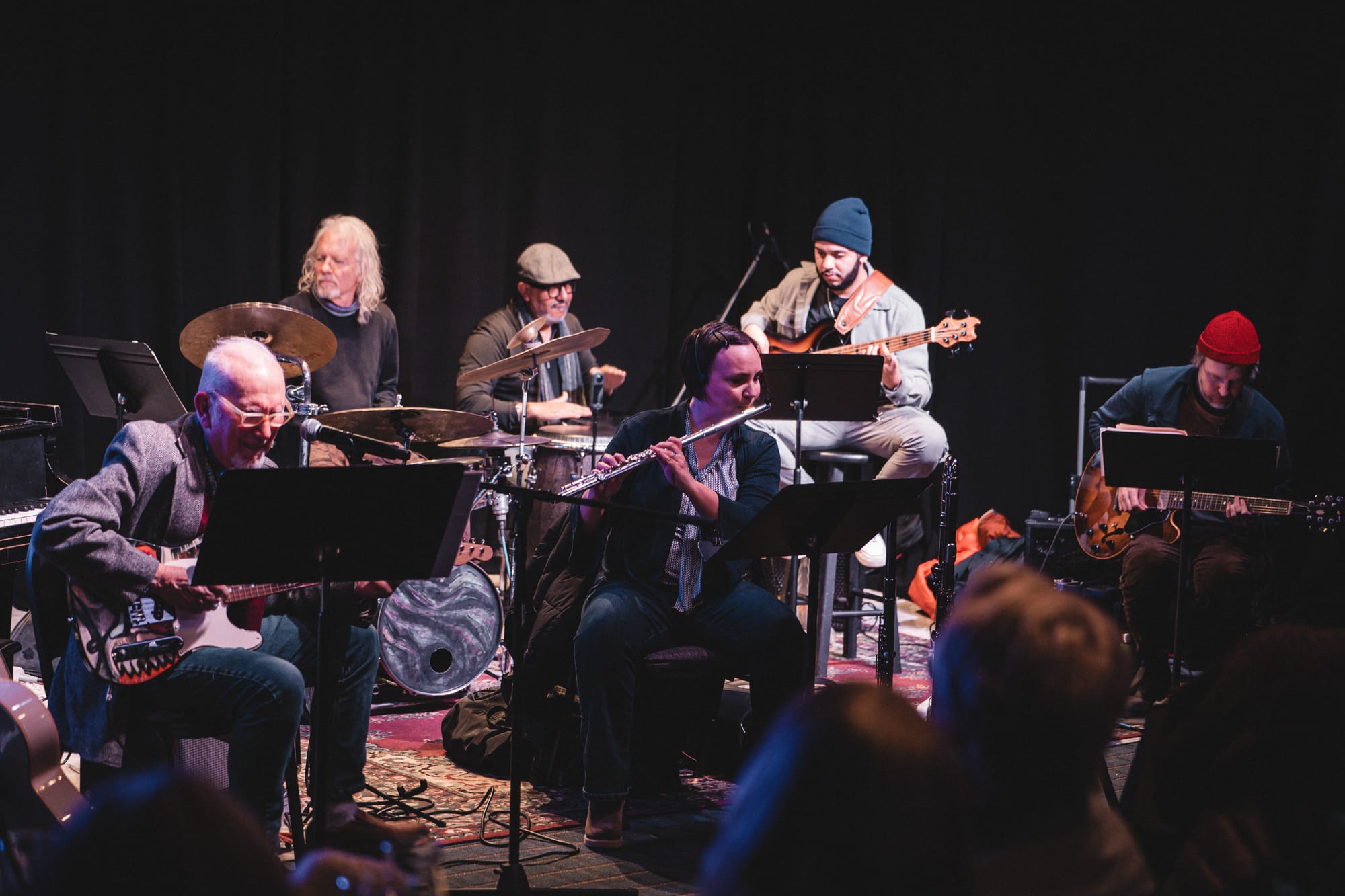
Owens isn't afraid to get at least a little goofy, either. He shows off his scatting skills on "Bodo and the Dolphins," thankfully coming off as more lightly ironic than earnest, and a tangy, high-1970s' melody erupts in the middle of "Crime Dog" before just as suddenly breaking down into funky segments, from which it never reassembles. Lord, who's frequently worked with Jeff Parker, maybe the most prominent jazz guitarist of this decade, sits in on three tracks, supporting his old teacher with offbeat chords and oblique counterpoint. On closing track "Then and When," the two guitarists, over an impressively trainlike rhythm from Bowen and Morales, blend bossa nova, flamenco and traces of bebop into a flexible, strangely coherent whole.
With “The River,” Owens refrains from summing up his long, varied and largely undocumented career or make a big provocative swing. Instead, he made a modestly scaled record capturing where he and the Bodos are now, doing what they've always done. Understatement has a quiet ambition and assurance of its own. Hopefully, more updates will follow.
The Details
"The River," Craig Owens and the Bodo Ensemble
"The River" releases on July 10, 2026. For more information about the group, visit Cloud Ear Records' website. The album and vinyl are available for pre-order on Bandcamp.
Craig Owens and the Bodo Ensemble will have an album release show 8 p.m. this Saturday, July 11, 2026 at Walker's Jazz Lounge, 252 N. Mosley St., in Wichita.
Reserved tickets are $22.35 and Walker's shows are 21+. Tickets can be purchased on Walker's website.
The facility is accessible to people with physical disabilities.
Reed Jackson lives, works and buys records in Kansas City, where he is frequently mistaken for Adam Savage. He is the managing editor of the Spectrum Culture website and has written for Aquarium Drunkard, Spin, Still Alive!, Revolver, and several now-defunct publications. His likeness has appeared in more than one newspaper comic strip.
❋ Derby man has the kind of voice that turns heads — and chairs
❋ Socializing while sober: how some Wichitans are cultivating alcohol-free communities
❋ As a small creative business closes, the owner mourns
❋ Painting through it: Autumn Noire on 20 years of making art
❋ How a guy from Wichita resurrected 'Dawn of the Dead'
❋ Bygone Friends University museum housed curious collections
Support Kansas arts writing
The SHOUT is a Wichita-based independent newsroom focused on artists living and working in Kansas. We're partly supported by the generosity of our readers, and every dollar we receive goes directly into the pocket of a contributing writer, editor, or photographer. Click here to support our work with a tax-deductible donation.