Kansas filmmakers shine in shorts program at Tallgrass Film Festival
The Wichita festival will screen a mix of documentaries and narrative films during the Kansas Shorts block on Sunday.

The best chance to get a look at Kansas filmmaking talent is Tallgrass Film Festival’s Kansas Shorts.
“Wow, Kansas filmmakers are really leveling up,” an audience member commented last October as we shuffled out of the theater after watching a slate of quality films made by Kansas natives.
That assessment holds true for this year’s Kansas Shorts selections. Three documentaries and three narrative films will screen at 11 a.m. Sunday at Boulevard Theatres Old Town. Tickets are $15 plus tax (and a $1.79 fee if you buy online), or entry to this program is included in with a festival pass.
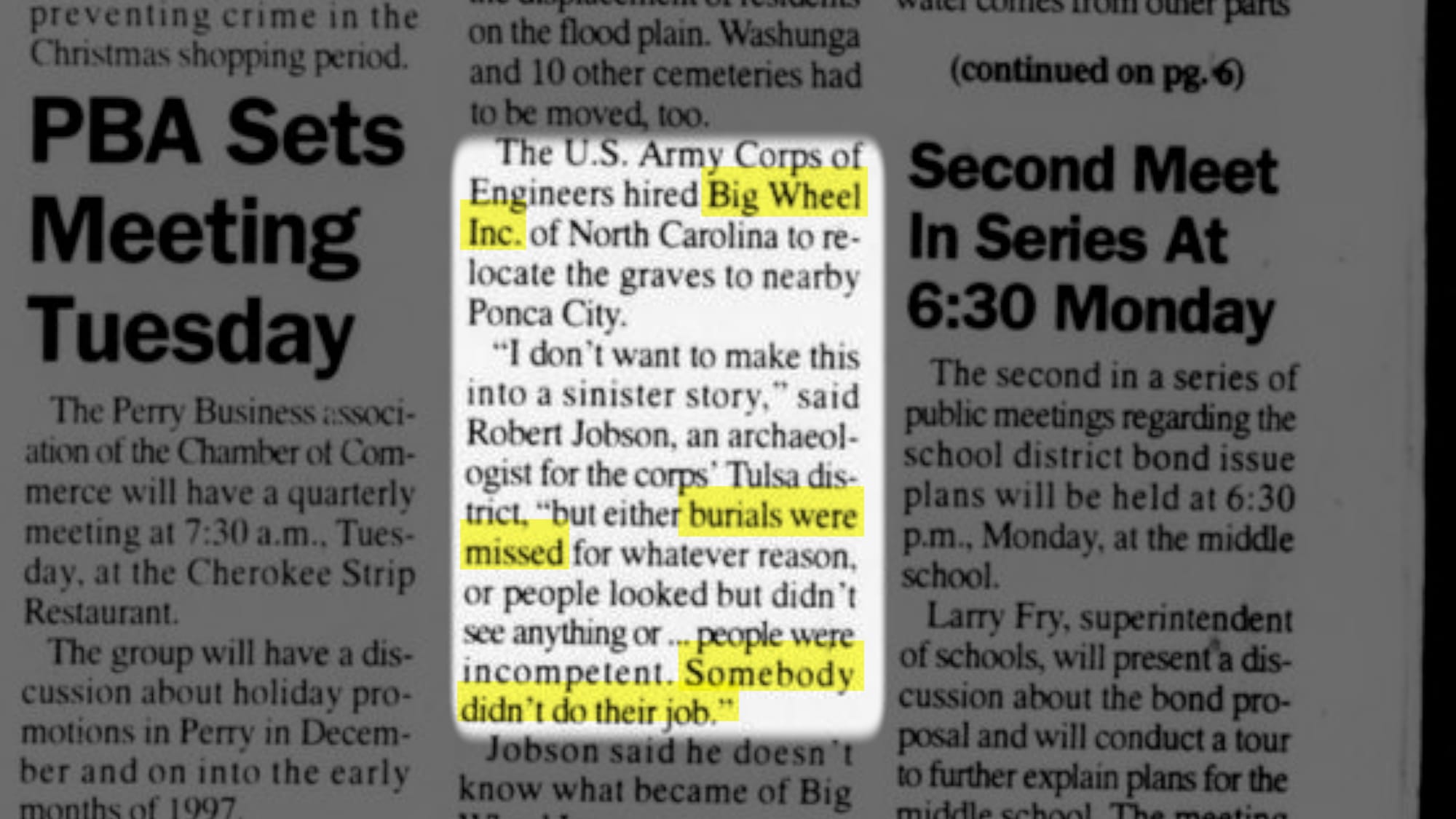
“Flooding Kaw Nation: Submerged Cities, Desecrated Graves, and Kaw Lake”
2026, 26 minutes
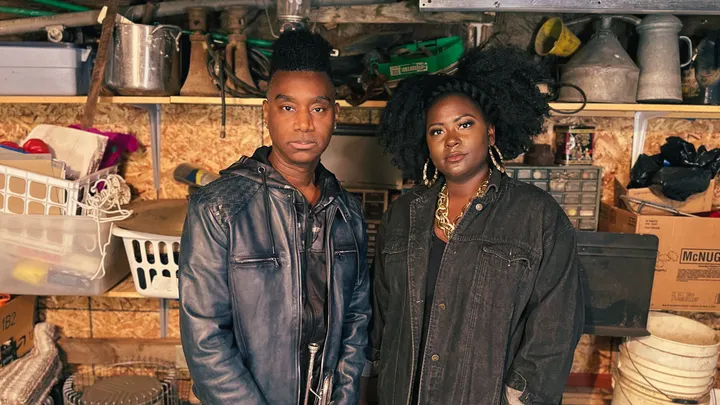
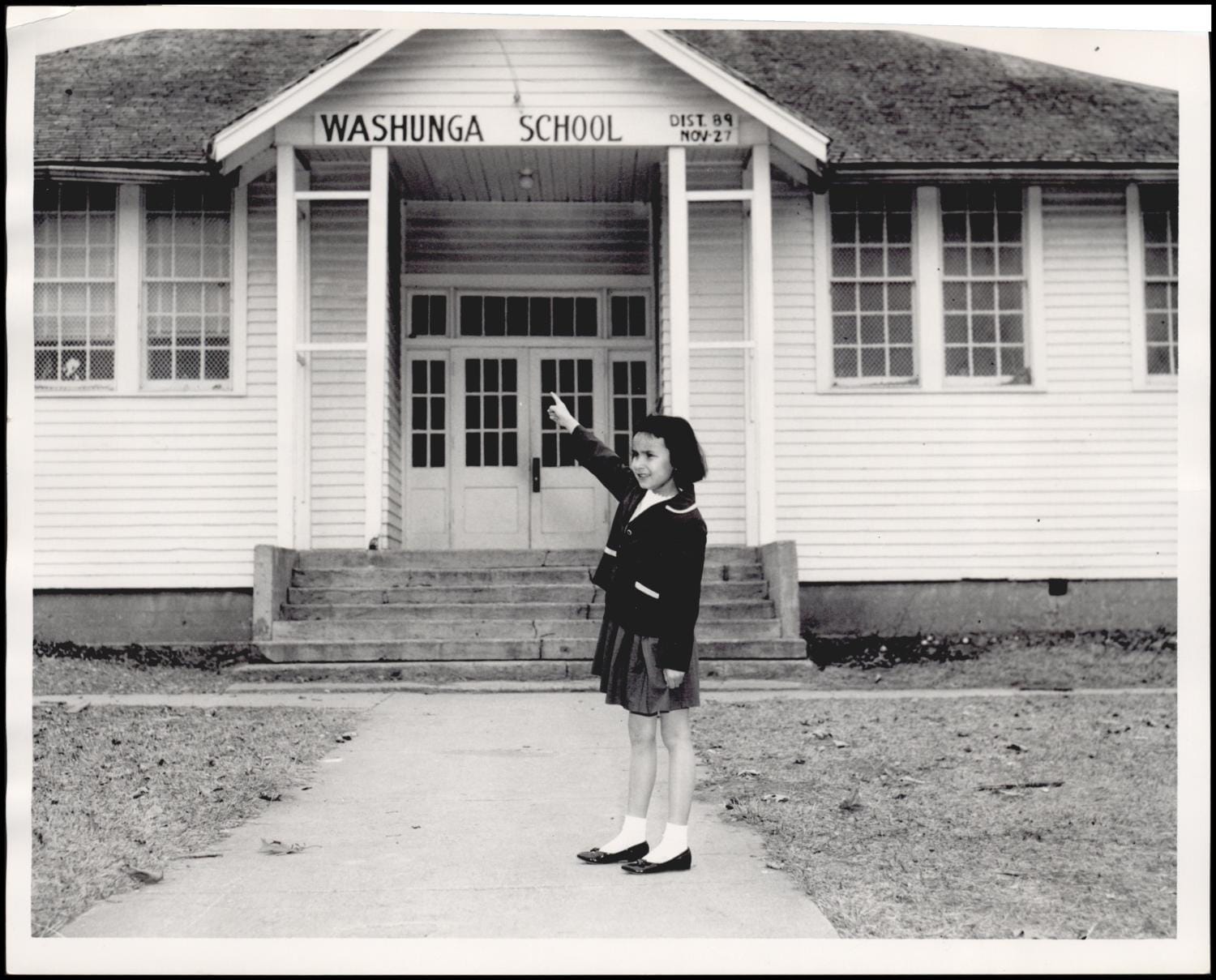
Kansas professors Tai Edwards and Lisa Tatonetti examine a shameful chapter of regional history in “Flooding Kaw Nation.” After the U.S. government forced the Kaw people from Kansas in the late 1800s, they purchased land in northern Oklahoma from the Cherokee Nation. In the 1970s, the government intruded again, using eminent domain to build a dam that flooded thousands of acres of territory held by the tribe. Kaw Lake subsumed Washunga, Oklahoma, which included a cemetery that the U.S. Corps of Engineers pledged to move.
In macabre fashion, members of Kaw Nation discovered in the mid-1990s that a contractor carried out the exhumation improperly. “Flooding Kaw Nation” traces the discovery of the desecration and its impact. The filmmakers interleave community interviews with smart use of archival materials to tell a powerful, heartbreaking story.
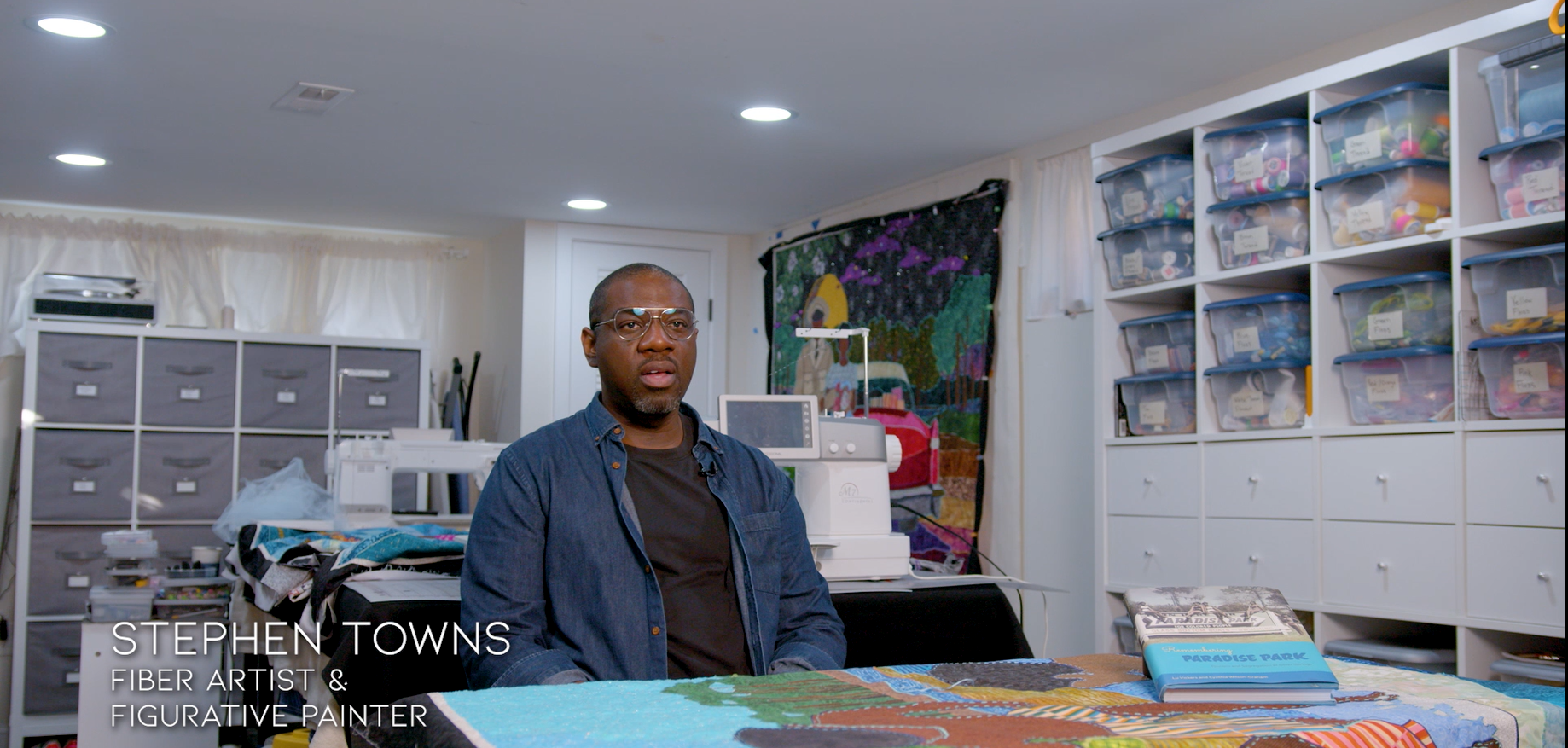
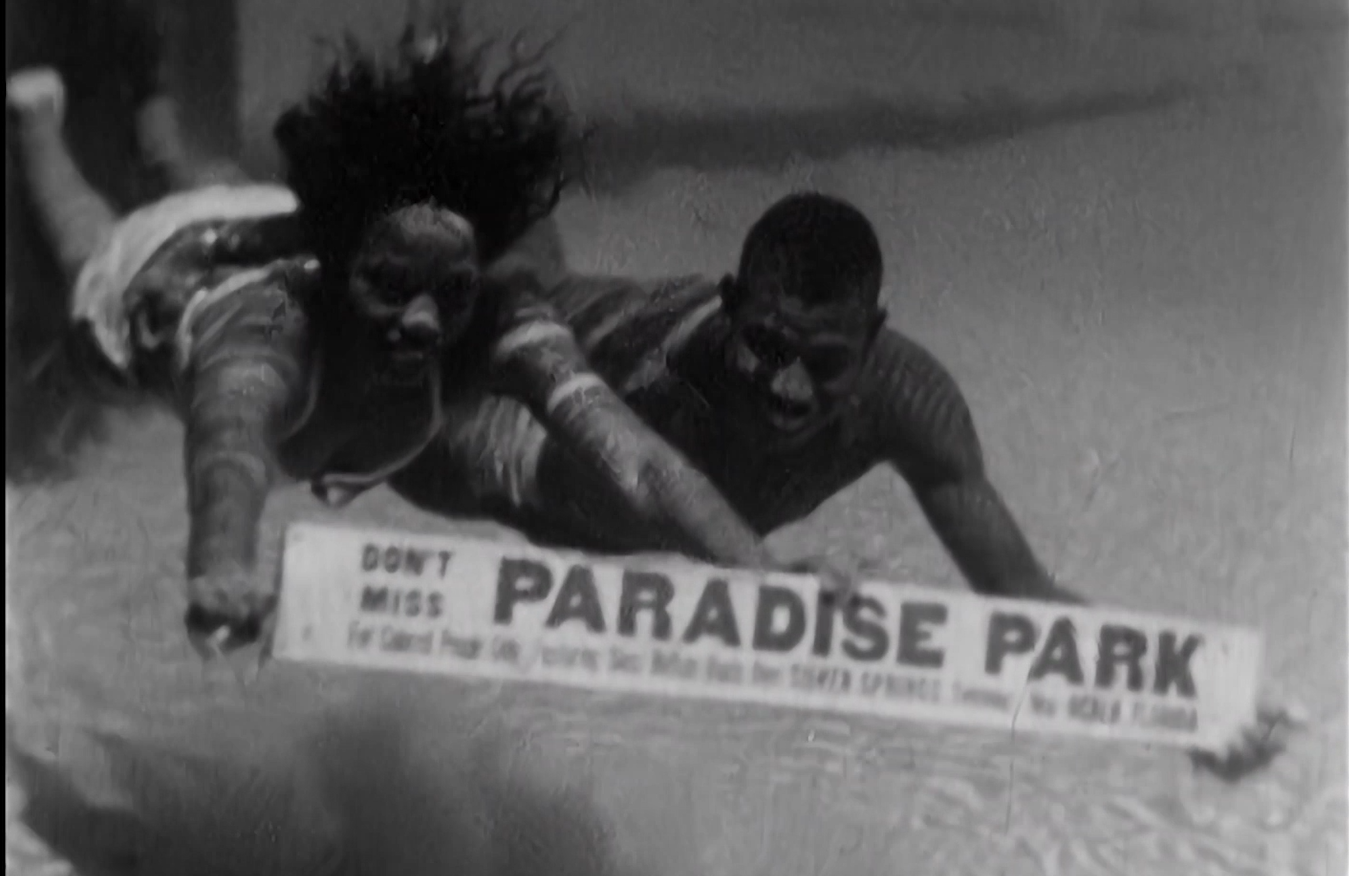
“Safer Waters: Artist Stephen Towns on Paradise Park”
2025, 25 minutes
During the 20th century, Florida established itself as a tourist destination. But for the majority of the 1900s, Black Americans were barred from visiting most of the Sunshine States’s attractions. Paradise Park was an exception. Travelers from across the U.S. joined Black Floridians to swim, ride glass-bottomed boats, dance, hunt Easter eggs — even get baptized. Artist Stephen Towns used archival materials to create paintings and quilts that capture the freedom and joy the park represented. Towns’ Paradise Park series formed the backbone of a recent exhibition at the Wichita Art Museum.
Instead of publishing a book-length catalog to accompany the exhibition, WAM produced a film by curator Tera Lee Hedrick, director of collections and exhibitions Chloe Lang, and Florida writer Lu Vickers, whose book inspired Towns’ series. “Safer Waters” shifts between the history of the park and a studio interview with the artist, who says “I had to figure out a way to bring that story to light.”
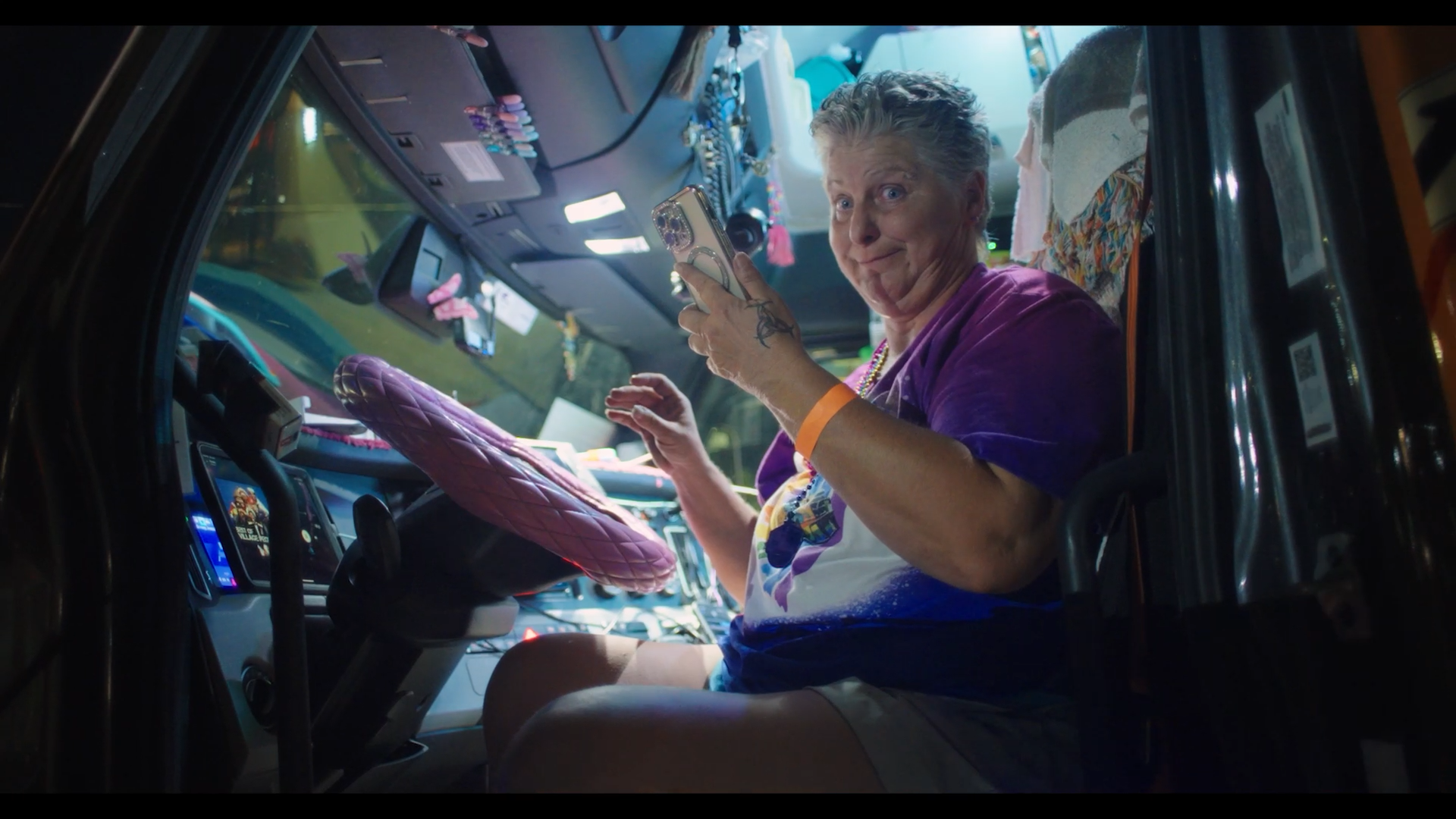
“Rainbow Rider”
2026, 25 minutes
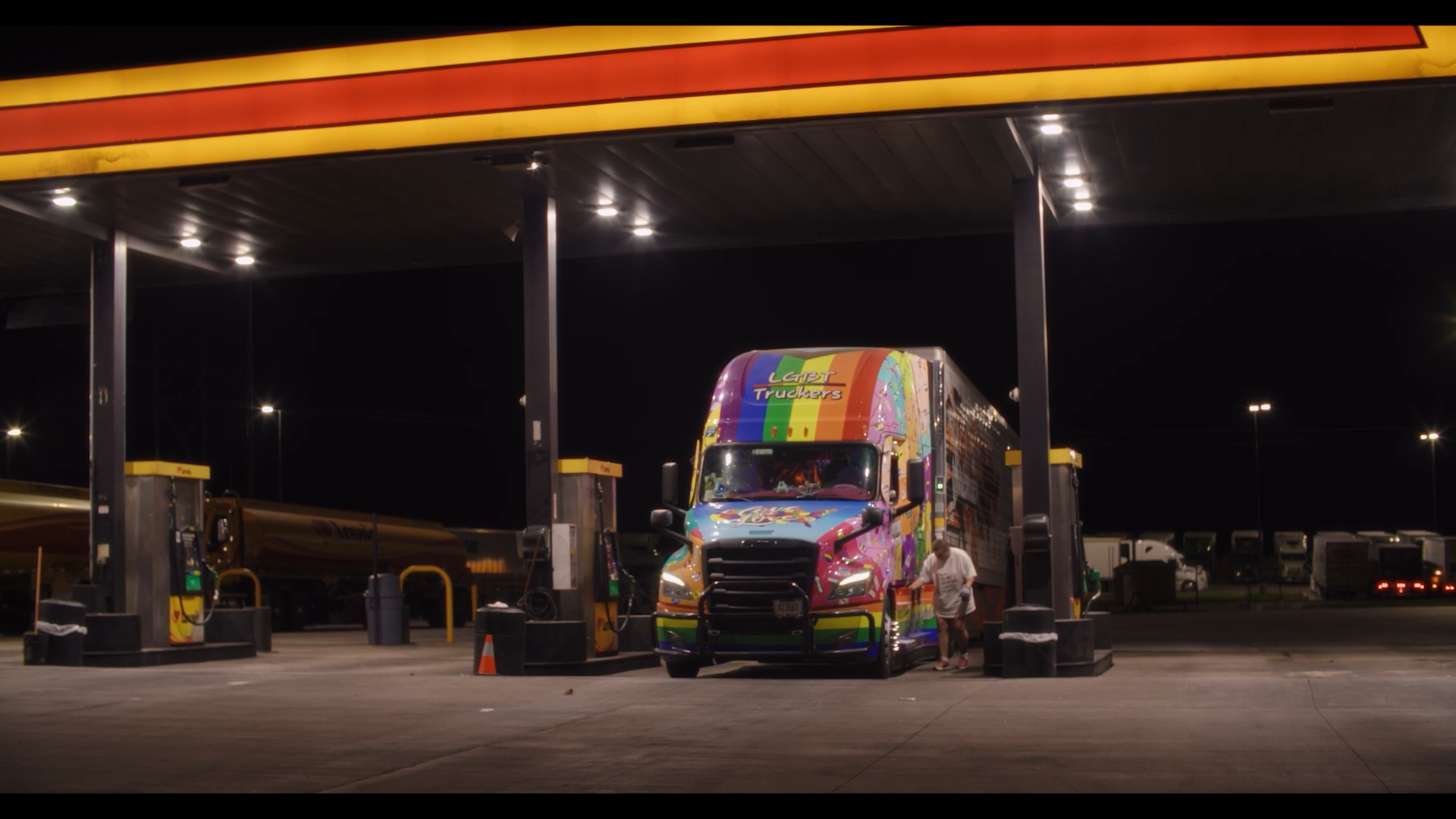
“This is the last bastion of American cowboy,” says Shelle Lichti. “You know, truckers are the concrete cowboys.”
Behind the wheel of the Rainbow Rider, her 18-wheeler wrapped in the colors of the Pride flag, Lichi blazes her own trail. This documentary follows the founder of LGBT Truckers as she crisscrosses the country hauling freight and dodging would-be vandals. In between runs, Lichti makes appearances at trucking and Pride events (including Salt City Pride in Hutchinson, Kansas).
Lichti, who founded a conference line for queer truckers after she lost a friend and fellow trucker to suicide, is an undeniably compelling character. Director Georgia Krause teases out her personality and personal history in a series of brightly colored vignettes.
The executive producer of “Rainbow Rider” is Olathe, Kansas native Sav Rodgers (“Chasing Chasing Amy”).
“Hit-Woman”
2026, 3 minutes
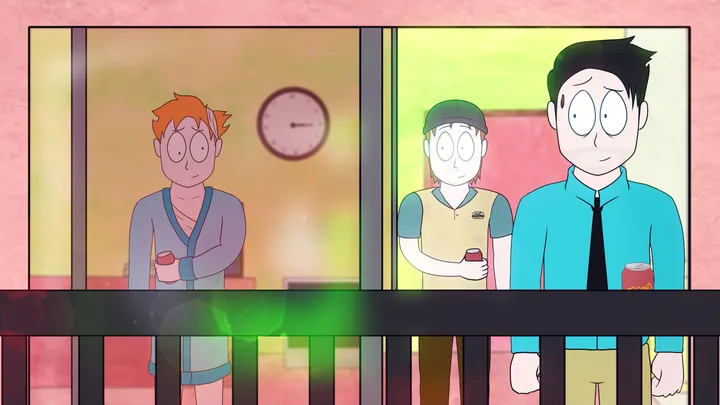
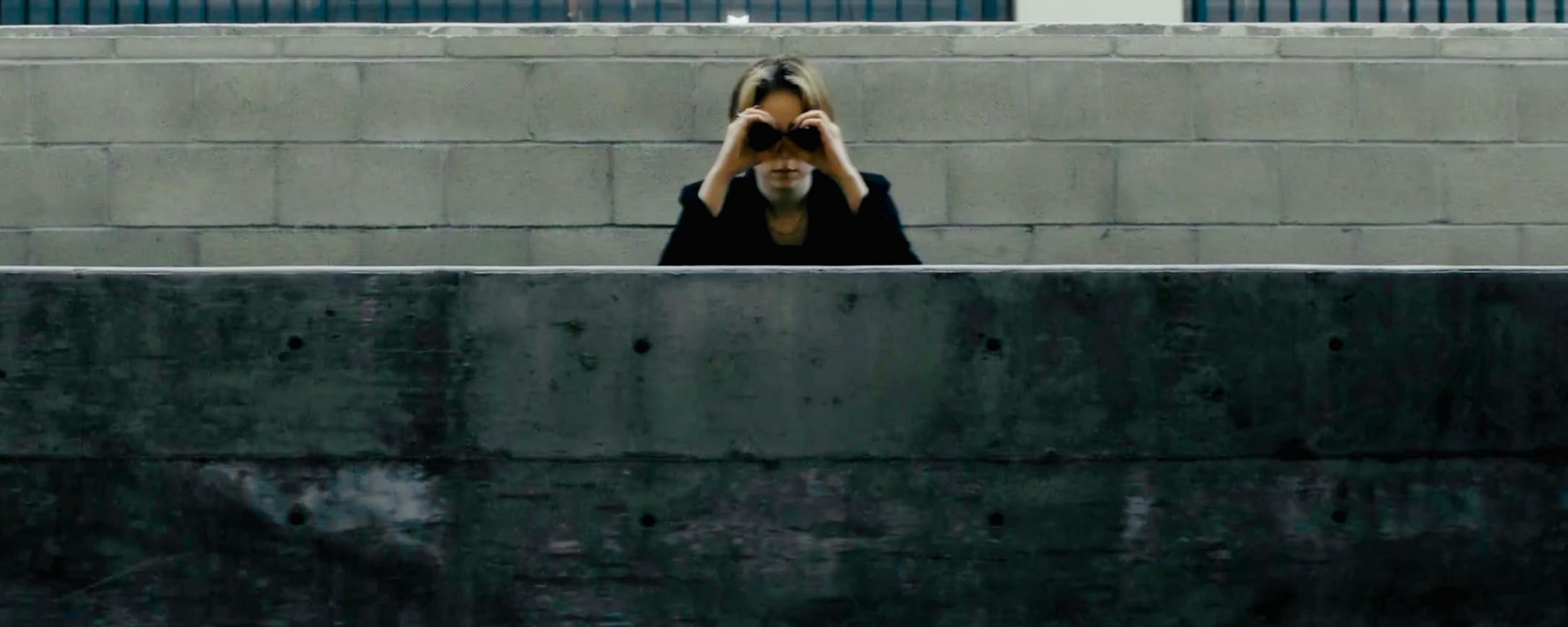
As assassin and target, Sophia Elizabeth and Theo Meshoulam bring cartoonish physicality and pantomimed weapons to what would could have been a violent miniature thriller by writer-director (and Winfield, Kansas native) Malachi Lewis.
But the real star of “Hit-Woman” is the sound design, which fills in for the absence of guns, swords, and even a bow and arrow. Analog sketches carry the film’s scrappy quality into the ending credits.
“It’s Nice to Finally Meet You”
2026, 15 minutes
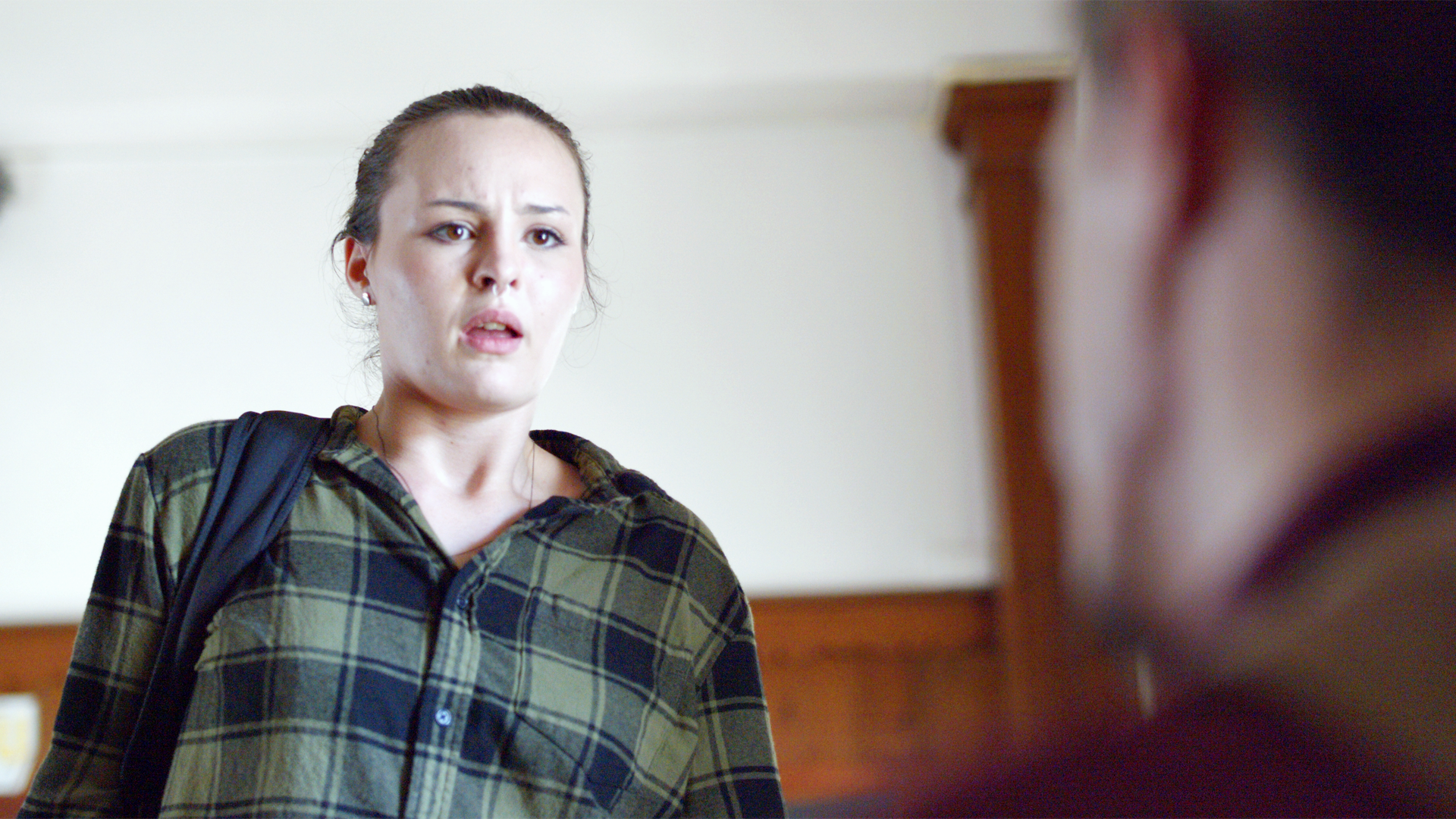
Kate Compton and Aaron Kunkel wrote and produced this narrative about a college student anxiously awaiting her first opportunity to “meet the parents.” But “It’s Nice to Finally Meet You” is grounded in emotional territory that couldn’t be farther from films like “The Family Stone” and “Meet the Fockers.” In the end, the choice of tone pays off.
The Wichita State School of Performing Arts organized “It’s Nice to Finally Meet You” as part of its 2025-26 season. So far, the film has been accepted into 13 festivals, said Compton, who also directed. Current and former Wichita State faculty Joseph Urick, Amy Baker Schwiethale, and Ed Baker appear, as does Wichita theater stalwart Vonda Newby-Schuster as a mother who's barely holding it together. Kelsi Harris, who stars as Hannah, and other WSU students get their first on-screen experience in the film.
“We’re All Sorry Souls”
2026, 11 minutes
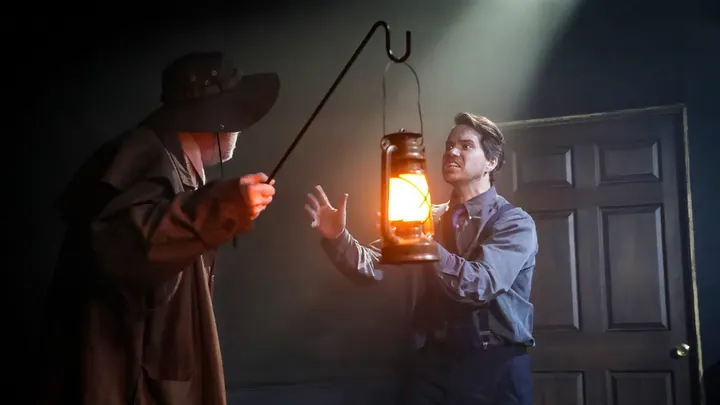
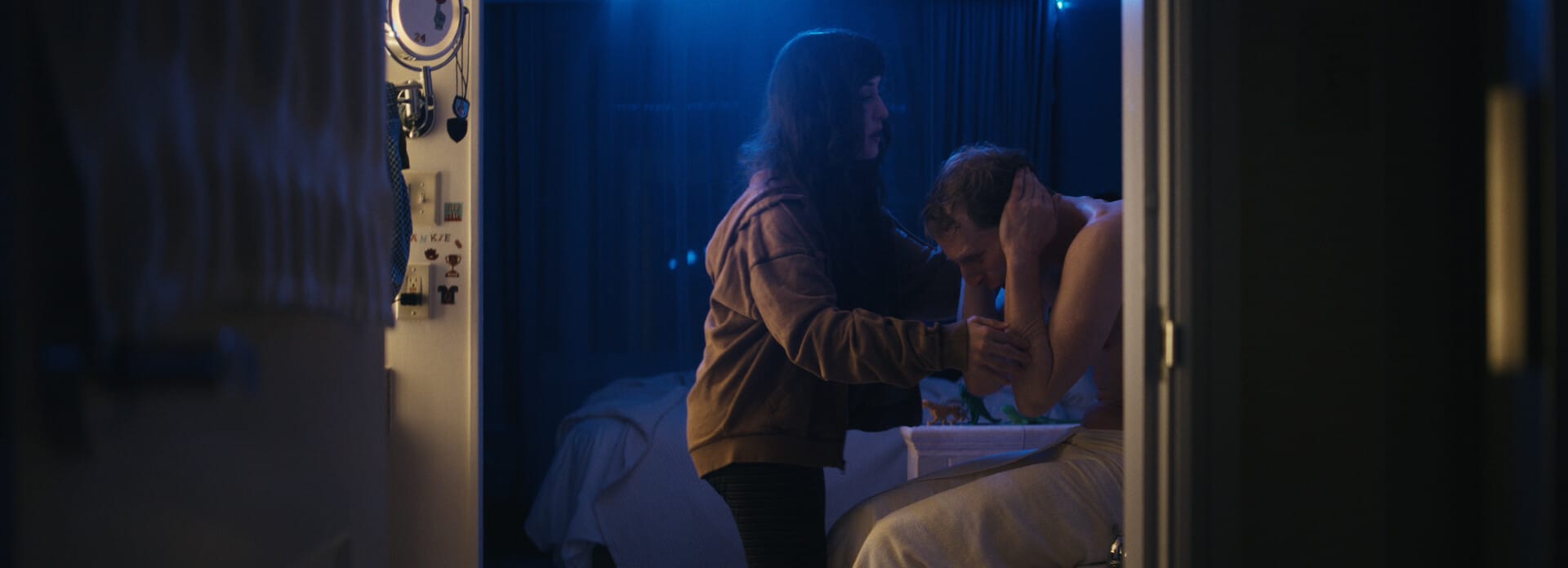
The only world premiere on the Kansas shorts program, “We’re All Sorry Souls” centers on Frieda (Ani Mesa-Perez), a ski lift operator in Vail, and her neurodivergent brother Frankie (Daniel O'Neill). After the death of their mother, the pair struggle to survive in one of the most well-heeled tourist enclaves in the U.S.
Alessandra Mesa directs “We’re All Sorry Souls,” which multiple current and former Kansans worked on. They include actor and story collaborator Gil Perez-Abraham and director of photography and editor James Rico.
The Details
Kansas Shorts at the Tallgrass Film Festival
11 a.m.-1 p.m. Sunday, October 18, at Boulevard Theatres at Old Town, 353 N. Mead St. in Wichita's Old Town Square
Tickets are $15 plus tax (and a $1.79 fee if you buy online). You can also purchase individual tickets in person at the Tallgrass box office.
Tallgrass pass holders can get into this (and any other festival film) at no additional cost.
Eight other shorts blocks will screen at Tallgrass this year, including programs centered on work by emerging filmmakers, documentary films, and animation shorts.
- Watch trailers for the Kansas shorts and buy a ticket to the program online
- Browse the Tallgrass Film Festival schedule and film guide
- Buy festival passes
Emily Christensen is one of the co-founders of The SHOUT. She is a past fellow of the National Critics Institute at the Eugene O'Neill Theater Center and a recipient of an Arts Writing Grant from The Andy Warhol Foundation. Send her a message: emily@shoutwichita.com.
❋ Derby man has the kind of voice that turns heads — and chairs
❋ Socializing while sober: how some Wichitans are cultivating alcohol-free communities
❋ As a small creative business closes, the owner mourns
❋ Painting through it: Autumn Noire on 20 years of making art
❋ How a guy from Wichita resurrected 'Dawn of the Dead'
❋ Bygone Friends University museum housed curious collections
Support Kansas arts writing
The SHOUT is a Wichita-based independent newsroom focused on artists living and working in Kansas. We're partly supported by the generosity of our readers, and every dollar we receive goes directly into the pocket of a contributing writer, editor, or photographer. Click here to support our work with a tax-deductible donation.