Documentary presents American Girl dolls — and their creators — as feminist icons
Christy Wegener's 'All American Girls' is a selection at Wichita's Tallgrass Film Festival.

The wildly popular American Girl dolls portray trailblazing youngsters whose stories are rooted in U.S. history. Four decades after the dolls first appeared, many of the Millennials who grew up with them still nurture their childhood obsession and channel it into their own kind of creative resistance.
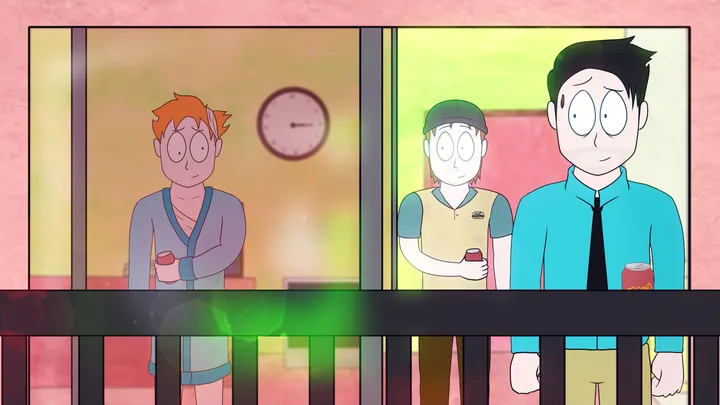
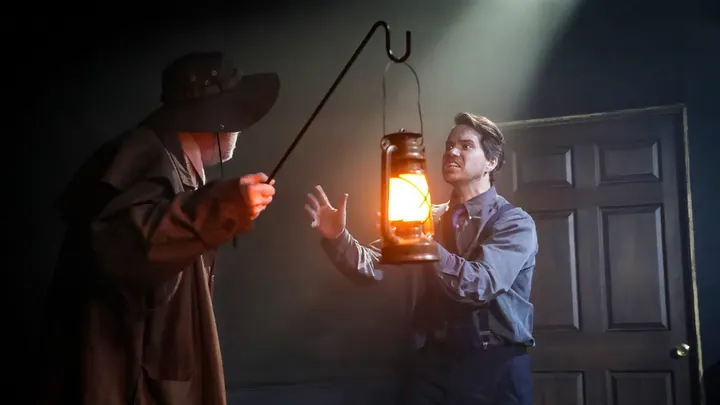
One uses her dolls to make stop-motion films. Two others run a satirical, politically charged Instagram account. A fourth posts gender-bending American Girl content.
“All American Girls,” a new documentary directed by Overland Park, Kansas, native Christy Wegener, presents these social-media-era creators as the keepers of the American Girl flame.
The film, which screens at the Tallgrass Film Festival this weekend, shifts back and forth between American Girl superfans and academics and a history of the company and his founder, Pleasant Rowland. The fans are a fascinating sociological case study unto themselves (“It just feels like keeping a bit of the the magical whimsy alive from my childhood,” says the founder of Dress Like an American Girl Doll Day). But interviews with the notoriously low-profile Rowland and her friend and collaborator Valerie Tripp are the heart of the film.
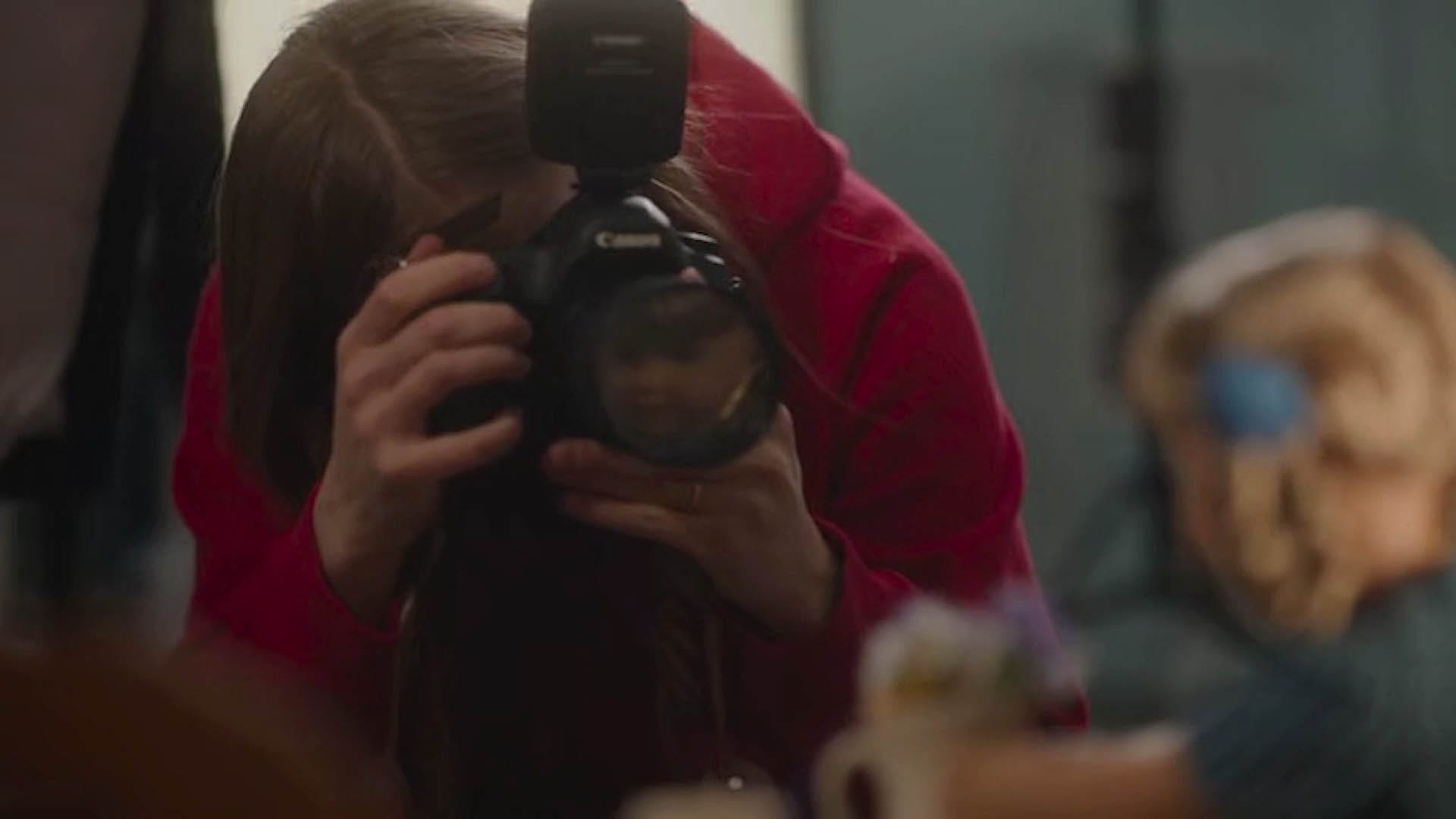
A visit to the living-history destination Colonial Williamsburg inspired Rowland to create a line of history-inspired dolls (“I just saw it,” she says).
Despite her nearly immediate success, Rowland faced intense skepticism from the male-dominated toy industry.
“Girls liked it,” Rowland says. “And from then on, we didn’t really listen to the men very much, I have to be honest. They didn’t get it. How could they? You know, this was girl to girl. And this was our life and our world. And that was what the success was built on.”
At first, “All American Girls” presents the company’s founding in the mid-1980s as a stroke of improbable genius. But after its 94-minute runtime, viewers will understand that Rowland’s success is rooted in her background in education and publishing, her work ethic and perfectionism (her employees joke that “PTR” is both Rowland’s initials and code for “prepare to redo”), and her openness to collaboration (“You don’t do these things alone”).
“All American Girls” doesn’t shy away from less-than-flattering aspects of Rowland or her company, which received criticism for its associations with white, upper-middle-class girlhood. After 13 years, Rowland sold to Mattel, and the documentary touches on the subsequent Barbie-fication of her creation.
The documentary team pulled the pithiest and most visually arresting moments from a staggeringly large pool of scenes and interviews, which include many former American Girl employees and collaborators. A complicated (but seemingly effortless) structure, smart editing, strong visuals, and one exceptional needle drop (Olivia Rodrigo’s “All American Bitch”) keep the film rolling along.
Notably, the large number of period broadcast TV clips and social media videos are presented onscreen as though on a phone held by an American Girl doll, which unifies the disparate footage and adds a dose of visual humor. It’s as though the filmmakers got into the spirit of celebrating American Girl dolls in their own way.
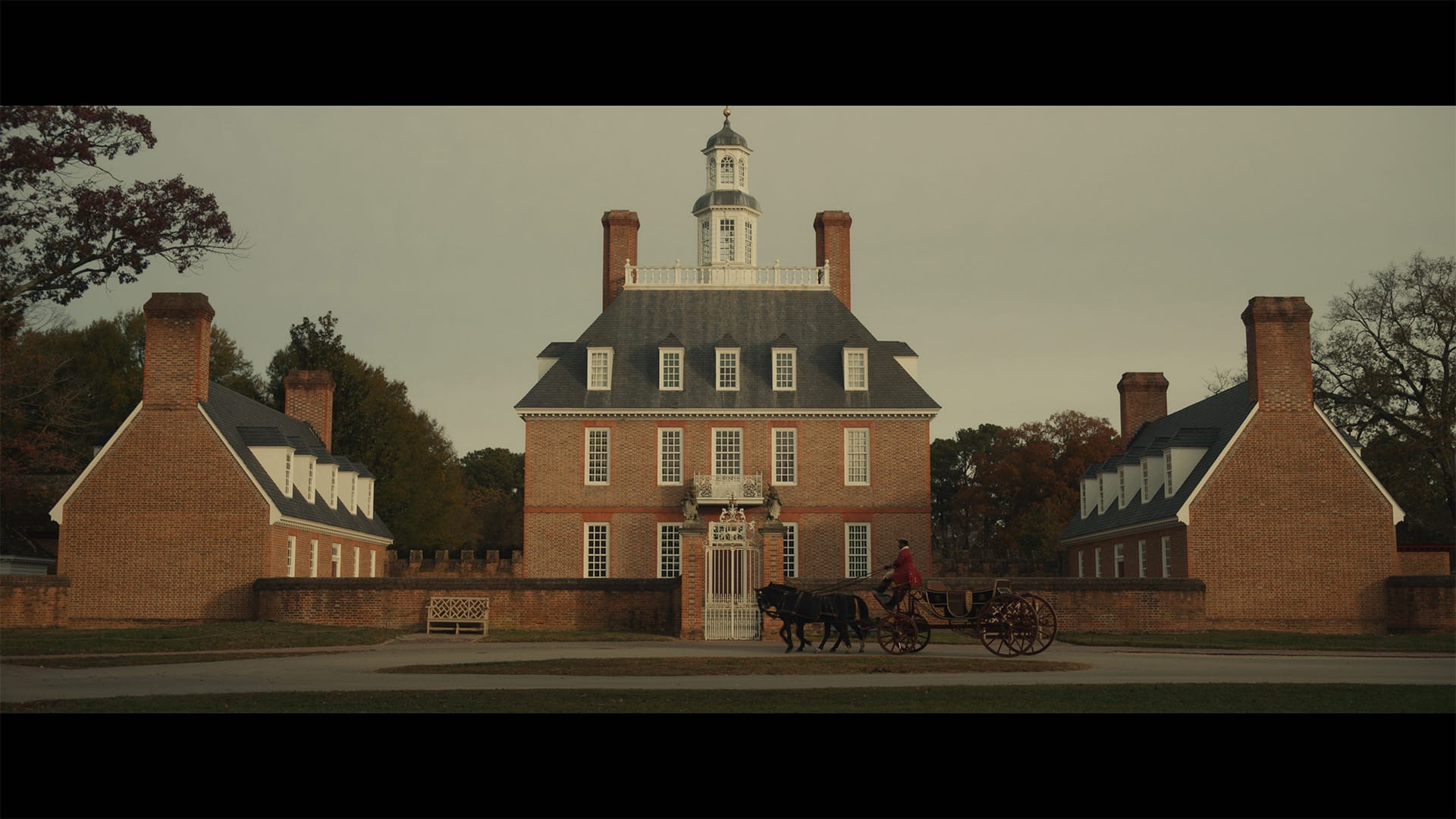
The vibrant, girly graphics contrast with the documentary’s earnest tone and its occasionally heavy subjects. In one unguarded moment during a conversation with Connie Porter, author of the Addy books, and American Girl collector Blake Changnon, Tripp says our current moment reminds her of the 1930s, which saw the rise of fascism.
“One of the reasons why I think there's been a resurgence of interest in the American Girl collection andstories is that I think we're in a period that's rather discouraging, actually, for young women,” she says in an interview. “I think that some of the hard-won right that we fought for, we need being eroded.”
Ultimately, director/producer Wegener and producer Andrea Berman make a compelling argument for the cultural importance of American Girls. The dolls represent the wonder, imagination, and curtsey nature of girlhood. But, like the women who created them, they also share the steely-eyed gaze of a revolutionary.
The Details
“All American Girls”
11:45 a.m. Sunday, October 18, at Boulevard Theatres at Old Town, 353 N. Mead St. in Wichita's Old Town Square
The film also screened Friday, October 16.
Tickets are $15 plus tax (and a $1.79 fee if you buy online). You can also purchase individual tickets in person at the Tallgrass box office.
Tallgrass pass holders can get into this (and any other festival film) at no additional cost.
- Watch the trailer for "All Ameian Girls" and buy a ticket to sceening
- Browse the Tallgrass Film Festival schedule and film guide
- Buy festival passes
More Tallgrass coverage in The SHOUT
- In Tyler W. Moore's 'Brimstone Terrace, hell is what you make it [Anna Andersen]
- Kansas filmmakers shine in shorts program at Tallgrass Film Festival [Emily Christensen]