Vivian Zavataro to depart the Ulrich Museum of Art for a new job in California
Plans for a new vault, increased attendance, and a capable staff leave the Wichita State Museum ‘better than I found it,’ she said.
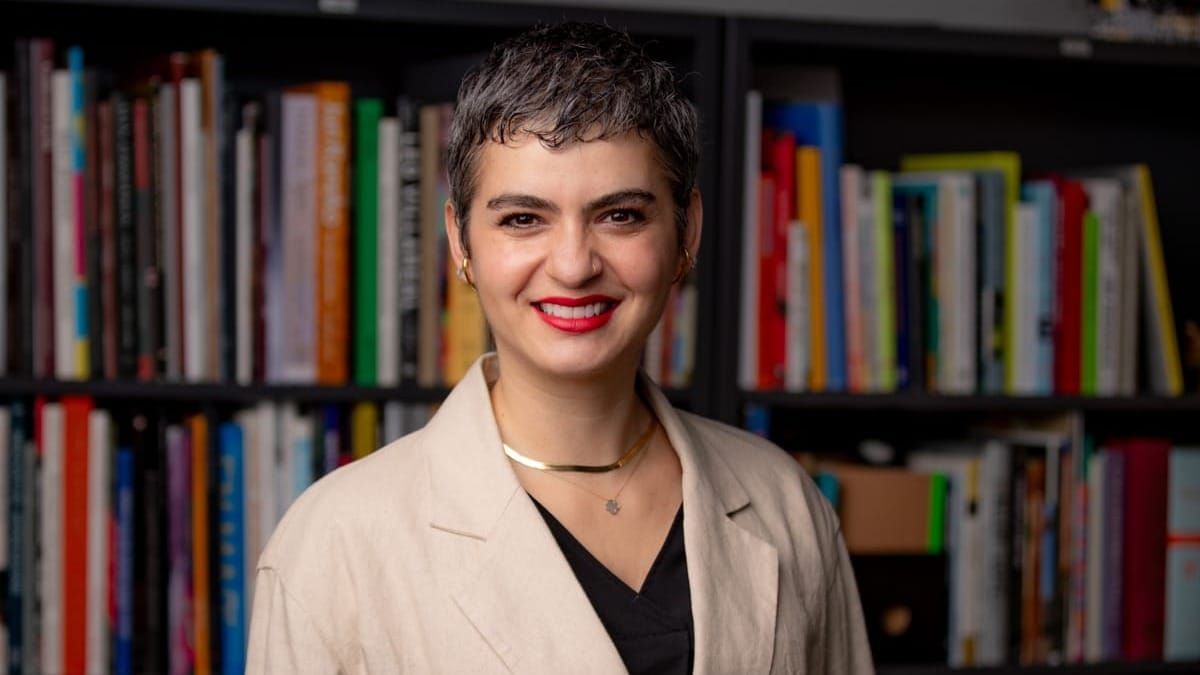
After four years leading the Ulrich Museum of Art at Wichita State, Vivian Zavataro will depart for the Riverside Art Museum in southern California. Her last day is Friday.
Marie Bukowski, dean of WSU’s College of Fine Arts, will serve as interim director.
“(Vivan) really turned the Ulrich around,” said Pam Bjork, the chair of the Ulrich Advisory Board. “She’s so vibrant. She engaged the community in a wide-ranging way, and we have been lucky to have her.”
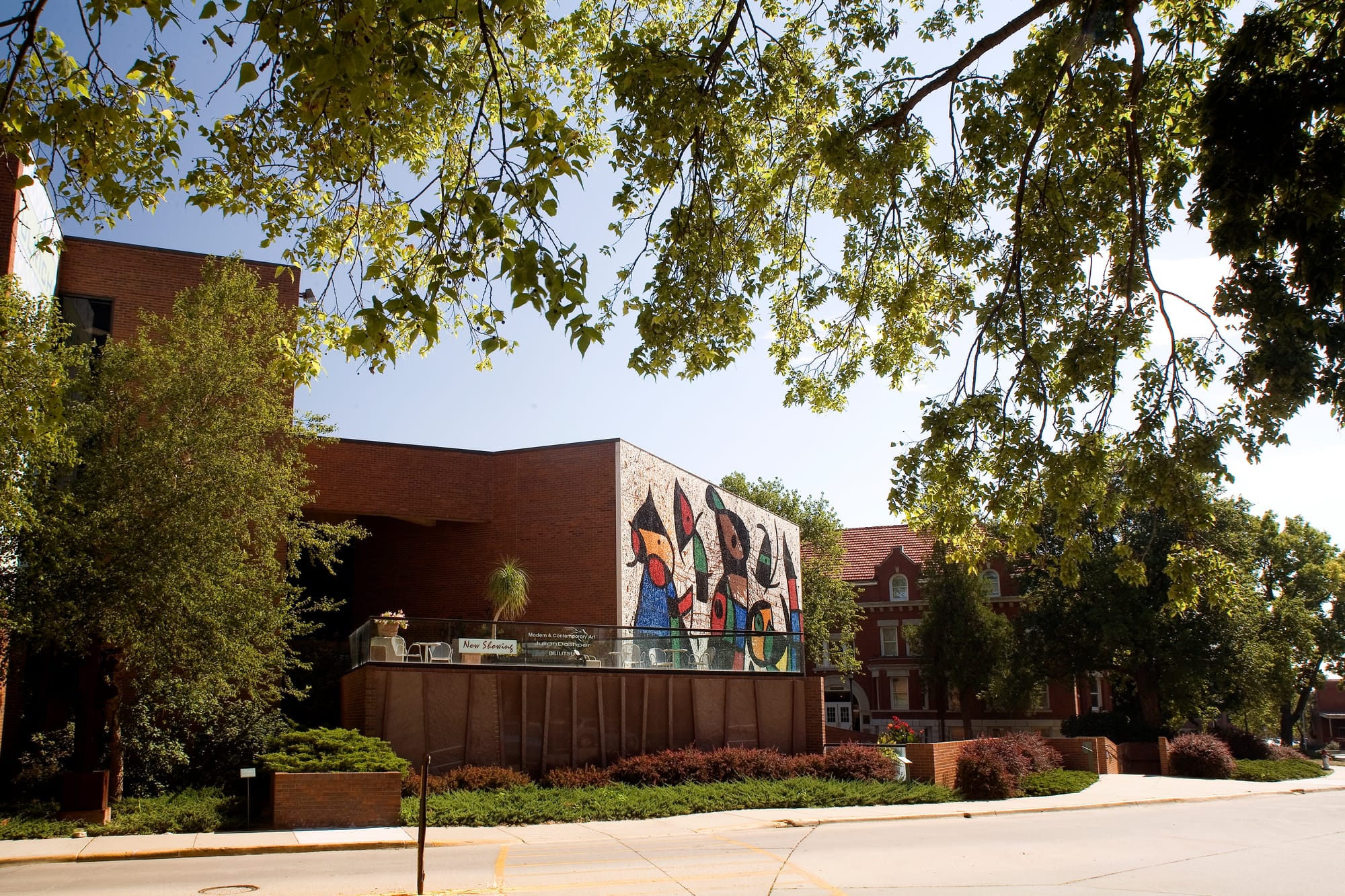
Zavataro’s tenure at the Ulrich has been defined by curatorial work aimed at audience engagement as well as attention to practical considerations, including plans for a new storage vault for the museum’s collection of more than 7,000 artworks.
“That was definitely one of my main goals, to get the Ulrich more space so we can continue to collect the art of our time,” Zavataro said in an interview with The SHOUT.
The original vault is about 800 square feet, which makes storage of the museum’s collection something of a puzzle, “like Tetris,” she said. And some works simply don’t fit at all: A monumental painting by Bob Motherwell, which is currently on loan, has been stored in the director’s office.
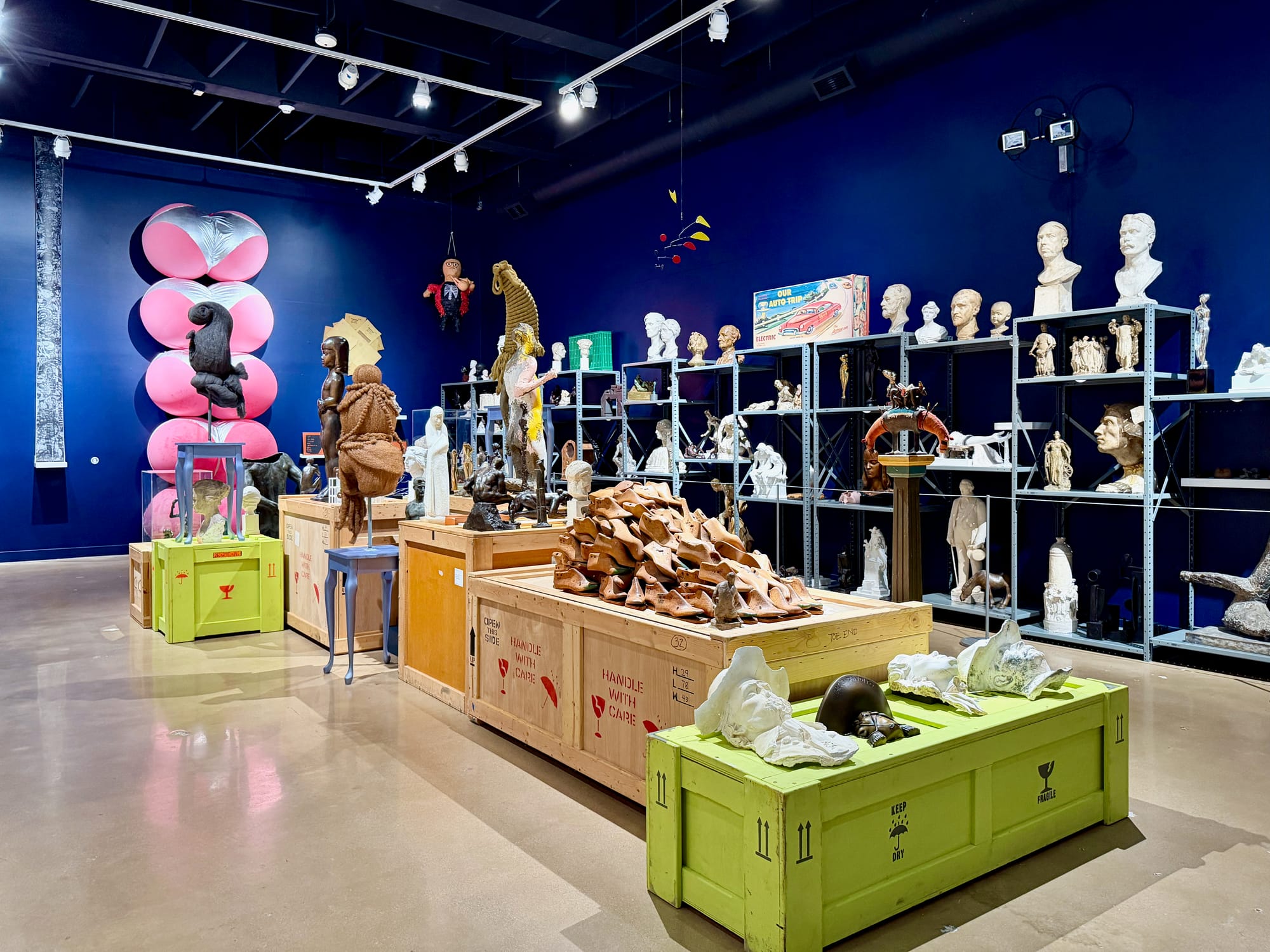
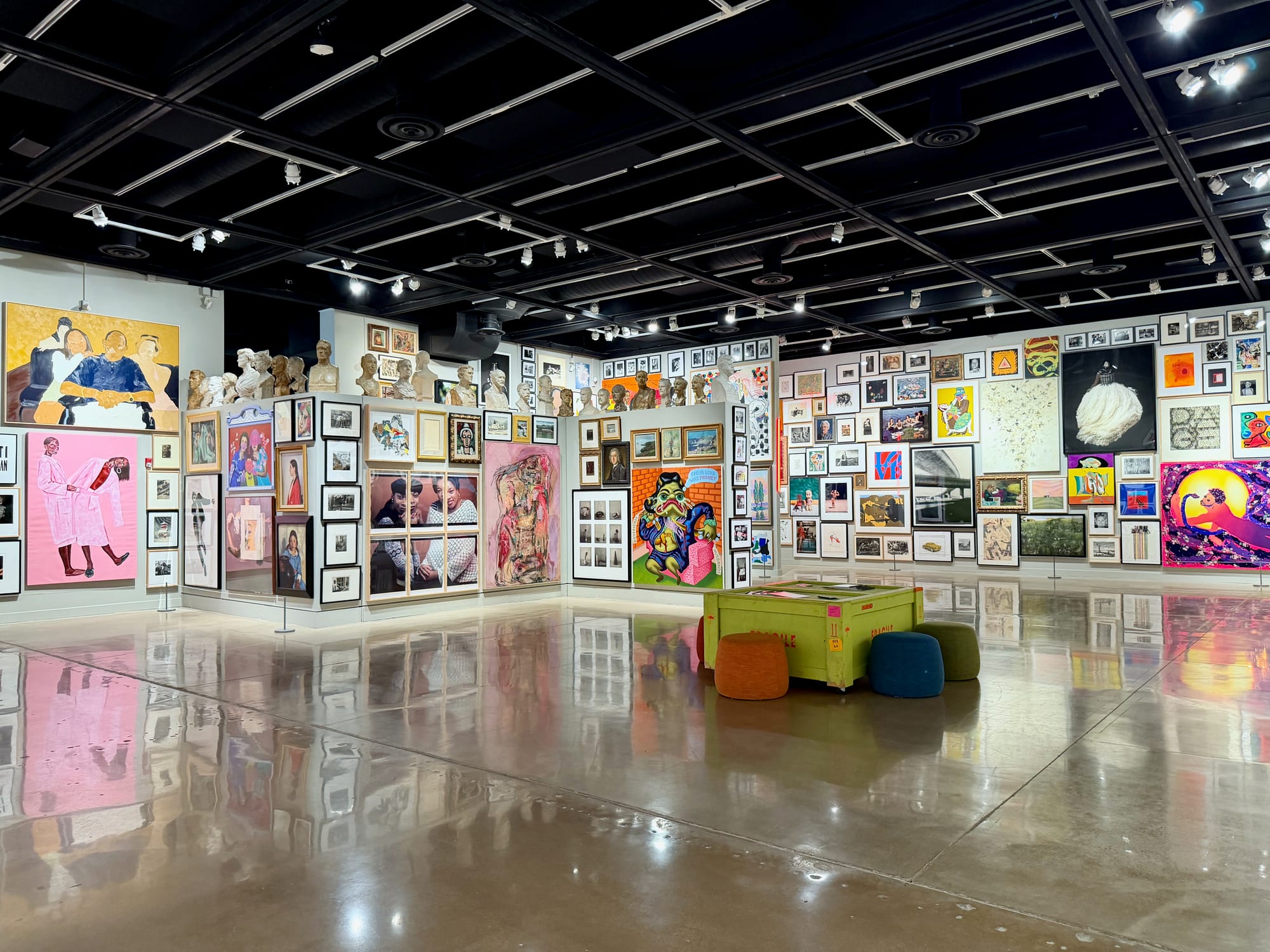
The majority of the museum’s permanent collection is currently on view in “Bare It All.” The sprawling salon-style exhibition opened August 27 and will be on view throughout the academic year.
Zavataro said the plan is to transport the works to the new vault when the exhibition is de-installed next May. The new storage space, which the university is currently renovating, will be located in the Media Resources Center building near Ablah Library on the east side of the academic campus.
“I'm really proud of ‘Bare It All’ and actually kind of relieved that it happened at this time because it would be up for a year, to give the team time to find the director that they want and without having to flip the galleries and come up with new programming,” Zavataro said.
The exhibition schedule is set for the next three years, which should also ease the transition to new leadership, she said.
The search for a new director will be the museum’s third since spring 2018. Prior to Zavataro’s arrival, Leslie Brothers was at the helm for less than four years. The Ulrich has had five other directors since its founding in 1974.
The museum is also missing a permanent curator since Jo Reinert took a position with the city of Lancaster, California, more than a year ago. A search that took place earlier this year did not result in a hire. In an email statement, Bukowski, the interim director, said the Ulrich will continue to work with an interim curator until a new director is in place.
Nevertheless, Zavataro sees the museum’s current staff as a major asset.
“It's a really tight team, and I think that's our strength right now,” she said. “Keeping that team engaged … and also trusting them to do what they know how to do, is going to be key for the museum to keep moving forward.”
A Midwestern Sojourn
Zavataro’s final interview for the Ulrich directorship doubled as her first visit to the Midwest. Born and raised in Brazil, she came to Wichita from Reno, Nevada, where she led the Lilley Museum at the University of Nevada-Reno.
A search firm hired by WSU contacted her about the Ulrich job, Zavataro said. The museum’s contemporary focus, its collection, and its annual acquisition budget of about $180,000 were all factors in her decision to take the position.
Zavataro describes herself as a “passionate curator,” and during her time at the Ulrich she played an active role in exhibitions. Beginning in January 2024, she curated a series of participatory exhibitions as part of a project called the “Ulrich Co-Lab.” The project concluded with a larger capstone exhibition this past spring.
The Ulrich Co-Lab worked with local artists to pair their work with items from the collection and asked museum visitors to give feedback on works in the collection — and even contribute their own objects for display.
“I do know from data we collected that people trust the museum more than they did before,” Zavataro said. “We have more diversity in age … Students are more engaged.”
She cited increased attendance and program participation as other accomplishments. Bjork also noted that Zavataro shepherded the museum through its reaccreditation with the American Alliance of Museums.
The Next Chapter
Zavataro’s new position as executive director of the Riverside Art Museum will put her in charge of a much larger staff and offer a challenge she relishes: creating connections between two very different collections.
The museum was founded in the 1960s, but four years ago it partnered with the city of Riverside and entertainer and noted art collector Cheech Marin to create the Cheech Marin Center of Chicano Art & Culture, which is housed in a separate building.
“That for me was really super exciting, thinking about the possibilities and the exhibitions that we could do with that collection,” Zavataro said. Her master’s thesis was “how to make sense of two collections that are very different.”
“I’m really excited about marrying the two (collections),” she said.
But she also treasures her time in Wichita.
“I've lived in a lot of places, and I think this was the first time that I felt so welcome,” Zavataro said.
She said she’ll miss working with the Ulrich staff, whom she considers friends, and the museum collection, which includes a Joan Mitchell painting and a photograph by Ayana V. Jackson that rank among her favorites
Her other favorite things about Wichita include the sky, the storms, its abundance of Lebanese food, and the arts community.
“I think we're really lucky to be in a place where everybody's so supportive of each other,” she said. “It's a very collaborative bunch, which is not the case in every city.”
Leaving “is bittersweet,” she said, “but it’s time for the next adventure.”
Bjork, the chair of the Ulrich Advisory Board, echoed that sentiment.
“It’s bittersweet that she’s leaving, but we’re thrilled that this opportunity came along. It’s a big move for her.”
Emily Christensen is one of the co-founders of The SHOUT. She is a past fellow of the National Critics Institute at the Eugene O'Neill Theater Center and a recipient of an Arts Writing Grant from The Andy Warhol Foundation. Send her a message: emily@shoutwichita.com.
❋ Derby man has the kind of voice that turns heads — and chairs
❋ Socializing while sober: how some Wichitans are cultivating alcohol-free communities
❋ As a small creative business closes, the owner mourns
❋ Painting through it: Autumn Noire on 20 years of making art
❋ How a guy from Wichita resurrected 'Dawn of the Dead'
❋ Bygone Friends University museum housed curious collections
Support Kansas arts writing
The SHOUT is a Wichita-based independent newsroom focused on artists living and working in Kansas. We're partly supported by the generosity of our readers, and every dollar we receive goes directly into the pocket of a contributing writer, editor, or photographer. Click here to support our work with a tax-deductible donation.