‘Tosca,’ ‘Cav/Pag’ anchor Wichita Grand Opera’s new season
Other 2026-27 offerings include 'Amahl and the Night Visitors,' 'The Light in the Piazza,' the Vienna Boys Choir
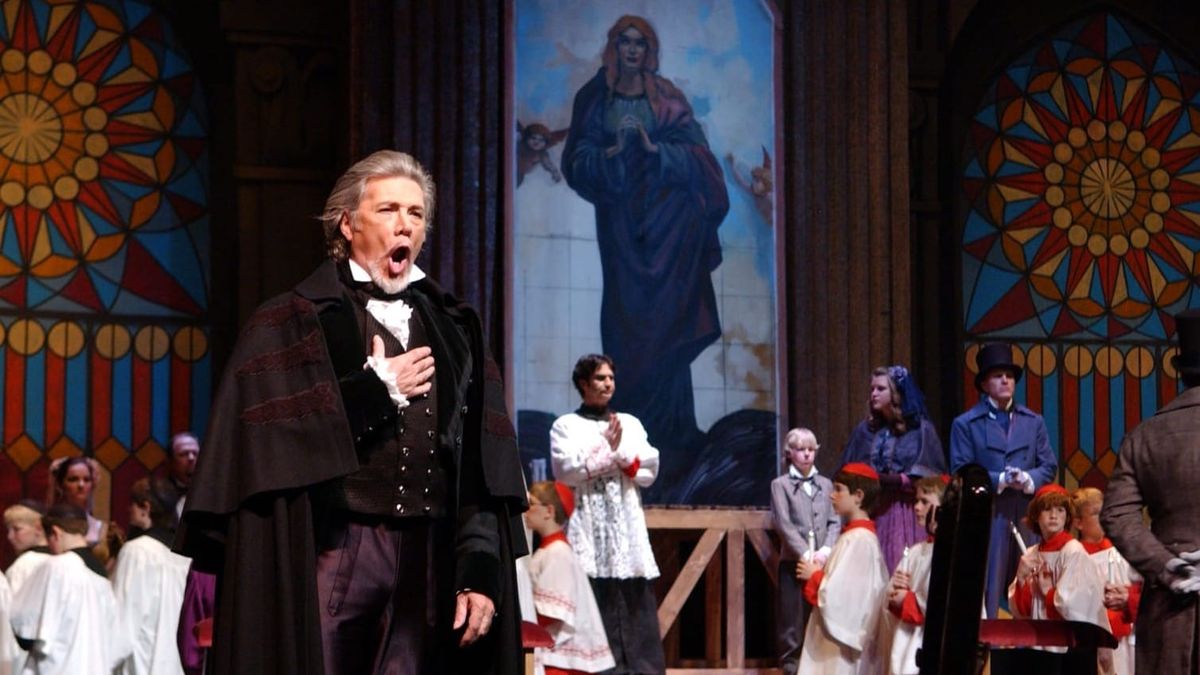
For its 2026-27 season, Wichita Grand Opera is highlighting works that deploy beautiful music to tell intensely dramatic stories.
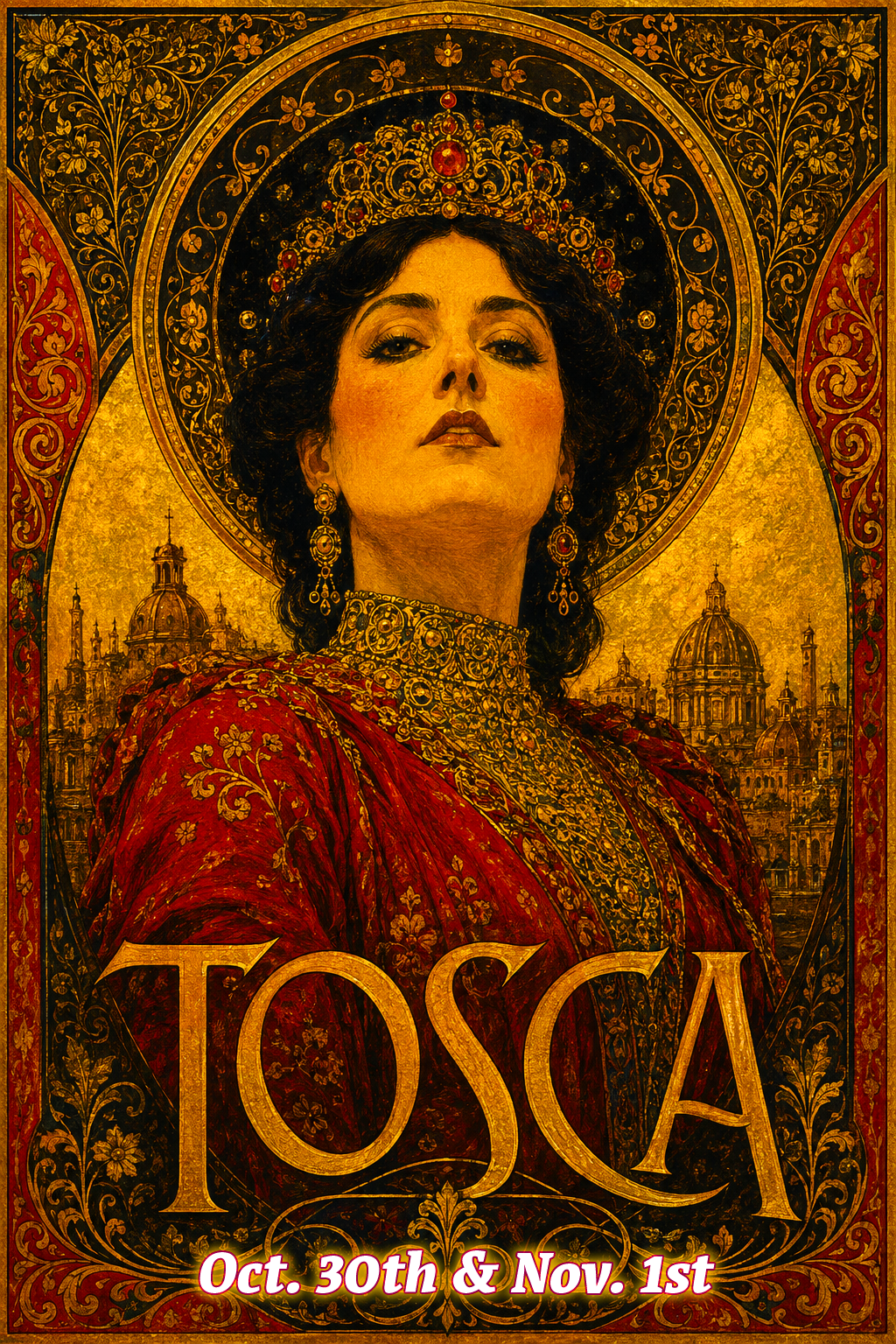
The season's two main-stage opera productions will help the company live up to the “grand” promise of its name, with large casts and choruses on the Century II Concert Hall stage supported by a full symphony orchestra in the pit. Puccini’s “Tosca” opens on October 30, with a second performance November 1. The traditional double bill of Mascagni’s “Cavalleria rusticana” and Leoncavallo’s “Pagliacci” will follow next spring, April 10-11.
All three operas reflect the late-19th-century Italian turn toward dramatic realism, or “verismo.” These works tell stories “not about counts and countesses, dukes and duchesses, but about real people, real flesh and blood,” said Whitney Reader, WGO's artistic and general director.
Puccini’s “Tosca” follows the singer Floria Tosca and painter Mario Cavaradossi as they become entangled with the sadistic police chief Baron Scarpia. Murder, torture, execution and suicide all figure in the action. Reader said he is excited to conduct the opera for the first time.
“The piece really burns. Once it starts, it doesn’t stop,” he said. “It doesn’t let up in intensity or pace. It’s a real thriller. Though we don’t normally associate ‘thriller’ with opera, this one truly is. It's a very sharply honed drama.”
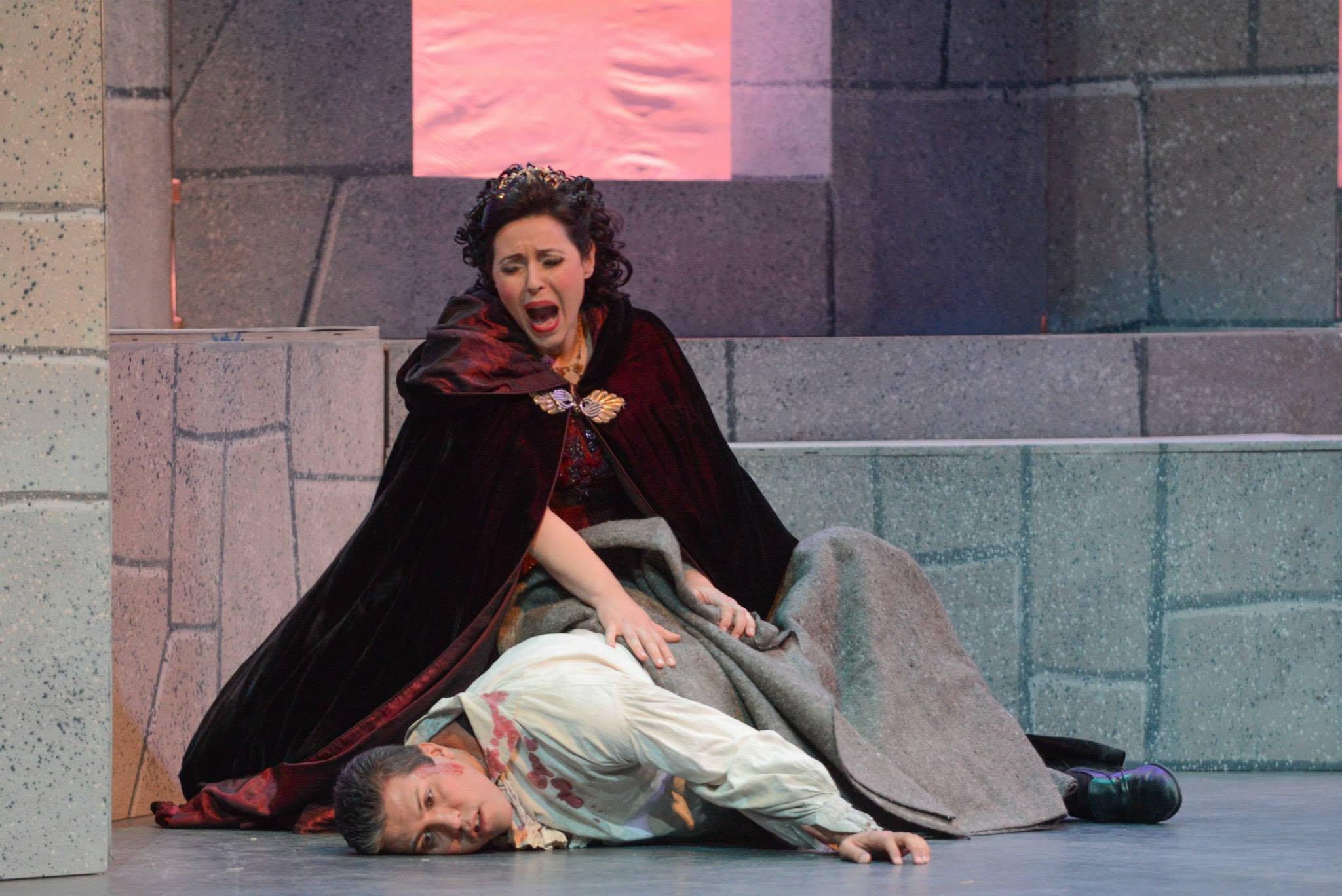
Brutality is only one side of the opera. The work's violence can be blunt and immediate, but the score also makes room for moments of religious grandeur, intimacy and lyrical repose.
“There’s a spot at the beginning of Act 3 when a little shepherd boy sings, and then, after that solo sung by a child, you hear the bells of all of Rome floating through the air,” Reader said. “It’s one of the most hauntingly beautiful moments in all of opera.”
Active as a composer from the 1880s into the 1920s, Puccini was a pivotal figure in Italian opera’s move away from the formal structures of bel canto and toward a freer, more dramatic style. “It’s more cinematic in its structure and scope, with a lot of lush orchestration that didn’t necessarily exist before,” Reader said.
If “Tosca” carries the qualities of verismo into Puccini’s distinctive theatrical world, WGO’s April 10 and 11 pairing of “Cavalleria rusticana” and “Pagliacci” goes straight to the movement’s heart. Both are one-act operas, and they have been paired so often that opera audiences commonly refer to the double bill simply as “Cav/Pag.”
Mascagni’s “Cavalleria rusticana” unfolds in a Sicilian village on Easter morning, with sexual jealousy and betrayal driving the drama toward violence. Its famous orchestral intermezzo was featured prominently in “The Godfather Part III,” and WGO plans to build its annual Opera Ball around the opera this year, with what Reader described as a “Godfather” theme.
In Leoncavallo’s “Pagliacci,” a traveling troupe performs a play as the jealousy and betrayal in the performers’ real lives begin to bleed into the drama they are presenting. The opera's most famous aria is “Vesti la giubba,” which embodies the familiar cultural image of the clown who must perform through heartbreak.
All three operas will be sung in Italian, with English supertitles — translations projected above the stage — throughout the performances.
Around those two main-stage productions, WGO’s season ranges more widely in scale and tone.
In an expansion of an existing partnership, all of the season's opera performances will be presented in collaboration with Wichita State University Opera Theater. WSU students will bolster the chorus and sing supporting roles.
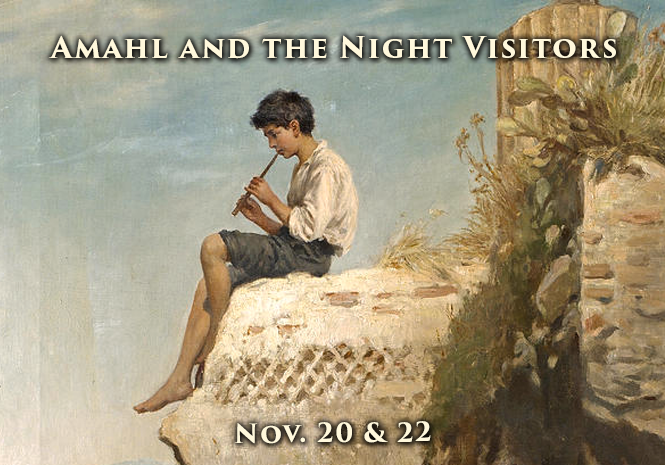
Wichita Grand Opera will visit WSU Opera Theater's home base, Miller Concert Hall, on November 21 and 22, to present Gian Carlo Menotti's English-language opera “Amahl and the Night Visitors.”
The roughly 50-minute opera tells the story of a poor boy and his mother whose home is visited by the Three Kings on their way to Bethlehem. Reader called it “very family-friendly” and said WGO hopes to bring as many children into the audience as possible.
The production also brings Reader back to his own beginnings in opera. He made his professional debut conducting “Amahl” with Opera Kansas in 2001, also at Miller Concert Hall.
“It’ll be nice to have that debut come full circle,” Reader said. “It’s very sweet but also has a very profound message about compassion and love. It never gets old, somehow.”
WSU students will sing many of the supporting roles and perform in the chorus, with WSU professor Alan Held directing.
An Italian setting returns for the season finale, “The Light in the Piazza,” May 8 and 9 at the newly renovated Orpheum Theatre.
The musical follows a young American woman who travels to Italy with her mother and falls in love with an Italian man. Reader described its score as classically orchestrated and said he has heard conductors compare its sound to Ravel.
WGO will present “Piazza” in the same semi-staged format it used for last season's “West Side Story,” with the orchestra visible onstage alongside the singers.
“Having the orchestra on stage always adds something,” Reader said. “It’s wonderfully fascinating to watch people — especially our WGO orchestra, which is mostly members of the Wichita Symphony — playing their instruments with such virtuosity.”
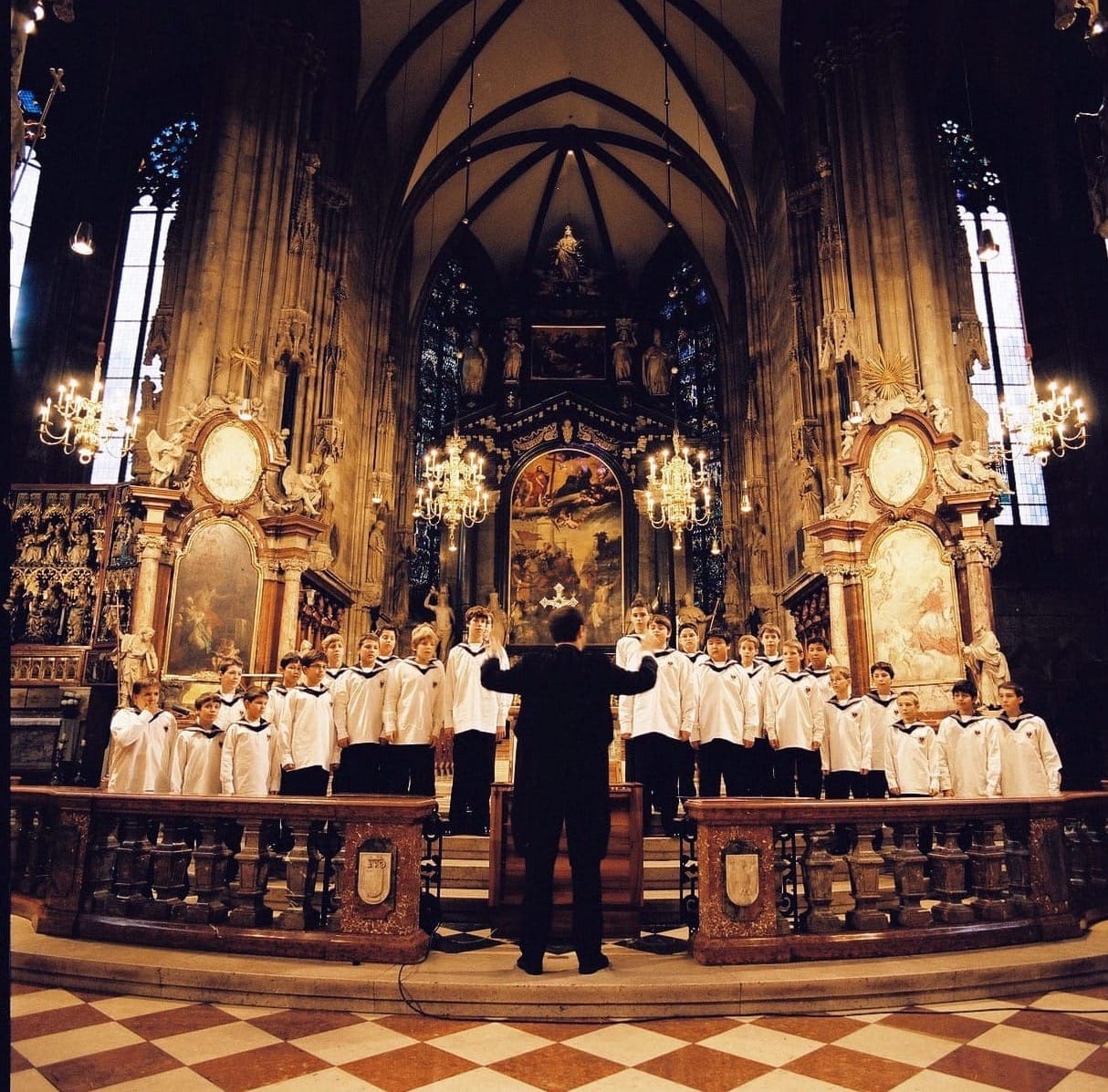
The season will actually begin one night before “Tosca,” when WGO hosts the Vienna Boys Choir October 29 at the Cathedral of the Immaculate Conception in downtown Wichita. Reader said the program will be a potpourri highlighting the traditional Austrian music for which the choir is world-renowned.
WGO will also present house concerts focused on Italian art and folk songs during the season, along with its annual Opera Ball. The company is offering an all-season “Avanti Associata” membership, which includes season tickets as well as access to house concerts and other special events. Tickets and more information are available at www.wichitagrandopera.org.
Sam Jack is a poet, a classical tenor, and the adult services librarian at Newton Public Library. He performs with several local groups, including Wichita Chamber Chorale, Wichita Grand Opera, and Opera Kansas. He received a Master of Fine Arts in creative writing from the University of Montana.
❋ Derby man has the kind of voice that turns heads — and chairs
❋ Socializing while sober: how some Wichitans are cultivating alcohol-free communities
❋ As a small creative business closes, the owner mourns
❋ Painting through it: Autumn Noire on 20 years of making art
❋ How a guy from Wichita resurrected 'Dawn of the Dead'
❋ Bygone Friends University museum housed curious collections
Support Kansas arts writing
The SHOUT is a Wichita-based independent newsroom focused on artists living and working in Kansas. We're partly supported by the generosity of our readers, and every dollar we receive goes directly into the pocket of a contributing writer, editor, or photographer. Click here to support our work with a tax-deductible donation.