The curtain falls: Locals weigh in on the American College Theater Festival’s severed ties with the Kennedy Center
Last December, the ACTF decided to suspend their affiliation with the center "due to circumstances and decisions that do not align with (the) organization’s values."
For Newman University alum Chelsea Smet and Linda Starkey, former director of the School of Performing Arts at Wichita State, the enthusiasm for participating in past college theater award competitions at the Kennedy Center of the Performing Arts is still very evident, even though those events happened years ago.
Whether other local college theater students and faculty will experience the same euphoria is now in doubt.
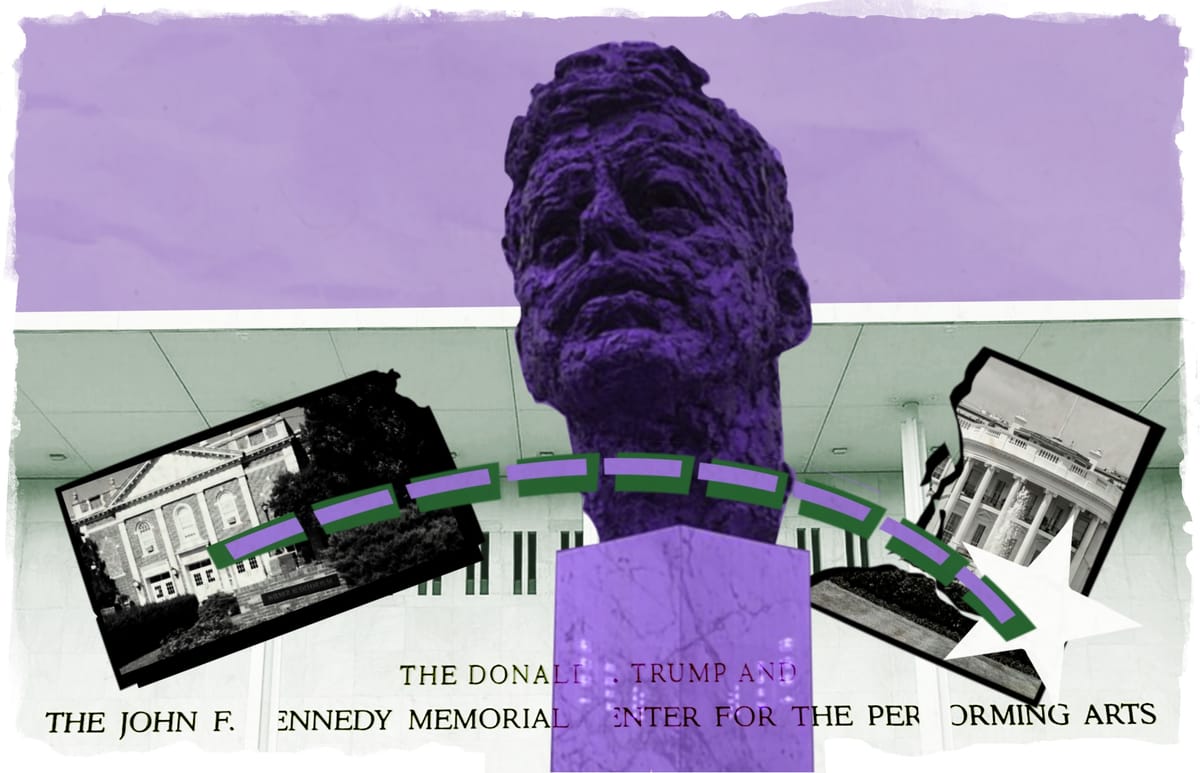
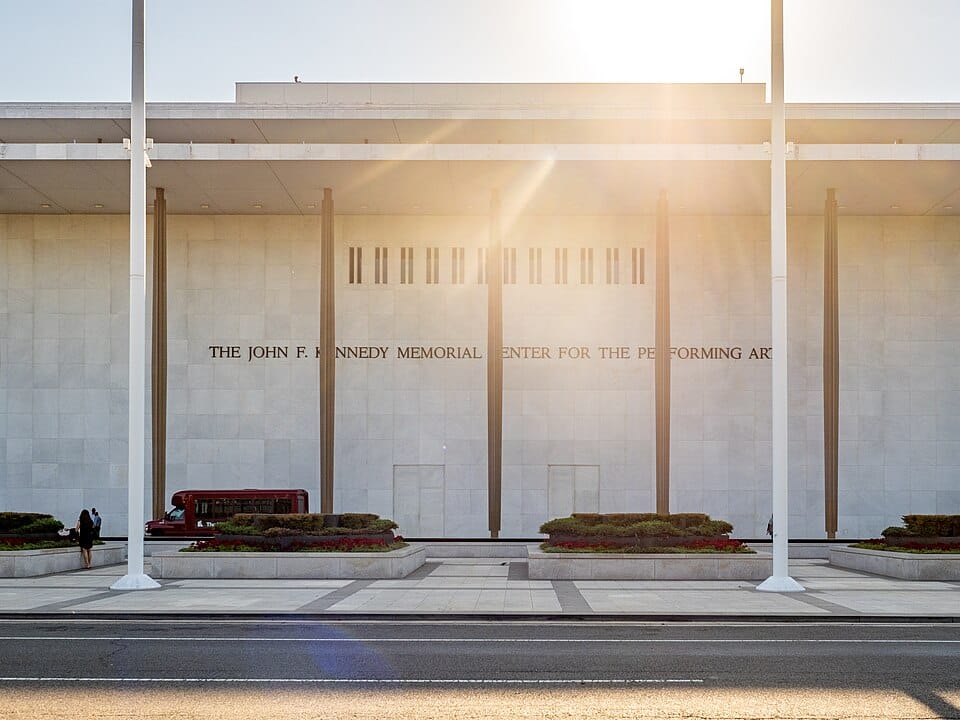
Within two days of the news that the Kennedy Center board was adding President Trump’s name to what was congressionally approved as a living memorial to President John F. Kennedy in Washington, D.C., the ACTF announced it was suspending its nearly six-decade-long affiliation with the center.
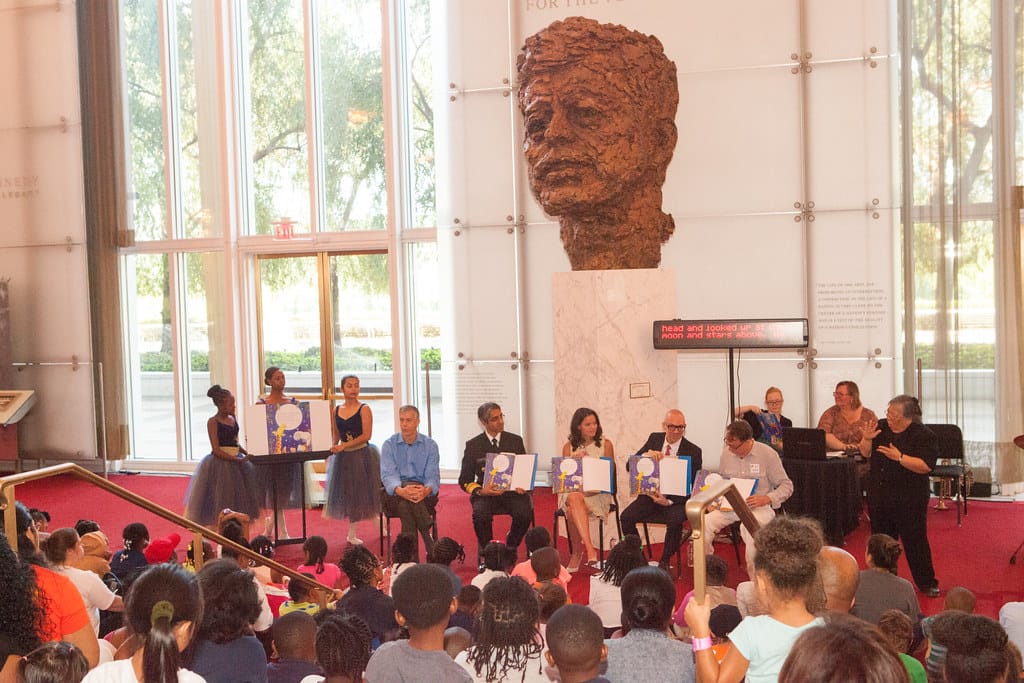
“Unfortunately, our affiliation with the Kennedy Center is no longer viable,” the ACTF wrote in its Dec. 20 post to its Facebook page.
“Due to circumstances and decisions that do not align with our organization’s values, the National Committee, which includes regional leadership (regional chairs, regional playwriting chairs, regional design, technology, and management chairs, and the building opportunity through leadership and development chairs), has voted to suspend our affiliation with the Kennedy Center. We are proceeding with the eight vibrant regional conferences as planned for 2026.”
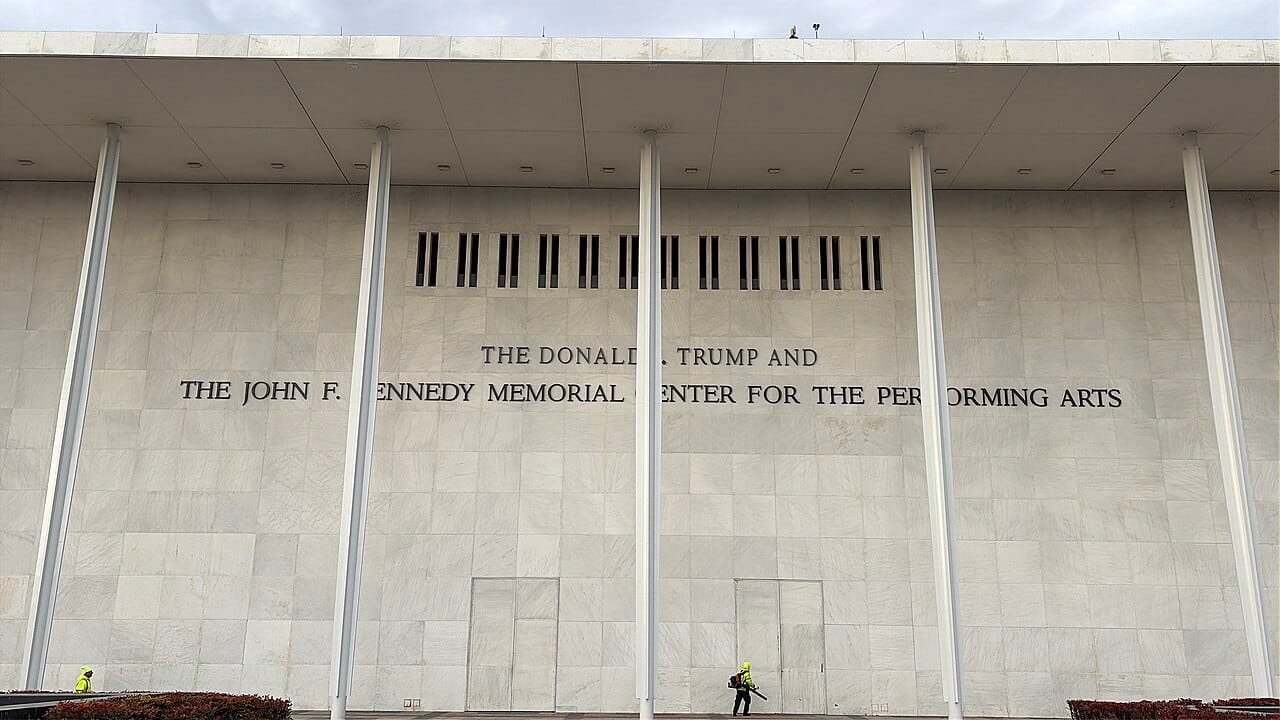
About a month later, at the end of January, Trump made a surprise announcement that he planned to shut down the center in July for two years for what he’s called a rebuild.
WSU and Newman faculty members and theater alums interviewed by The SHOUT said they respect the ACTF’s decision to suspend its 58-year partnership with the Kennedy Center.
“I appreciate the ACTF taking a stand,” said Sheldon Mba, program director and assistant professor of acting and theater studies at WSU. “I don’t consider it a political stand but a clarification of its values. Nowadays, it’s so important to be clear as to what your mission is and how you go about it.”
That mission, according to the ACTF website, includes encouraging, recognizing, and celebrating the finest and most diverse works in college and university theater programs.
“I think if you're talking pragmatically, it was probably the right decision,” Smet said. “When the Kennedy Center got renamed and fully aligned with the current administration, you're putting yourself in a position where individual colleges might choose to not participate in this festival because of the beliefs of the students and the teachers and the comfort level of those people,” Smet said. “And that makes me sad, the thought of a department feeling like they have to pull out of something that was so fundamental in making me the artist I am.”

In 2015, Smet took second place in the KCACTF national playwriting competition, which recognizes emerging student playwrights. Her script for “Fair Departure” was just the second full-length play she’d ever written. The Maize High School and Newman University alum now runs her own theater company, Smet Theatrics, in the Kansas City area.
“There’s the part of me that's like, you know, keep up the association, because there's a prestige and an importance that comes with it,” she said. “And then there's the louder part of me that says but is that an association that students now would want?”
‘A big deal’
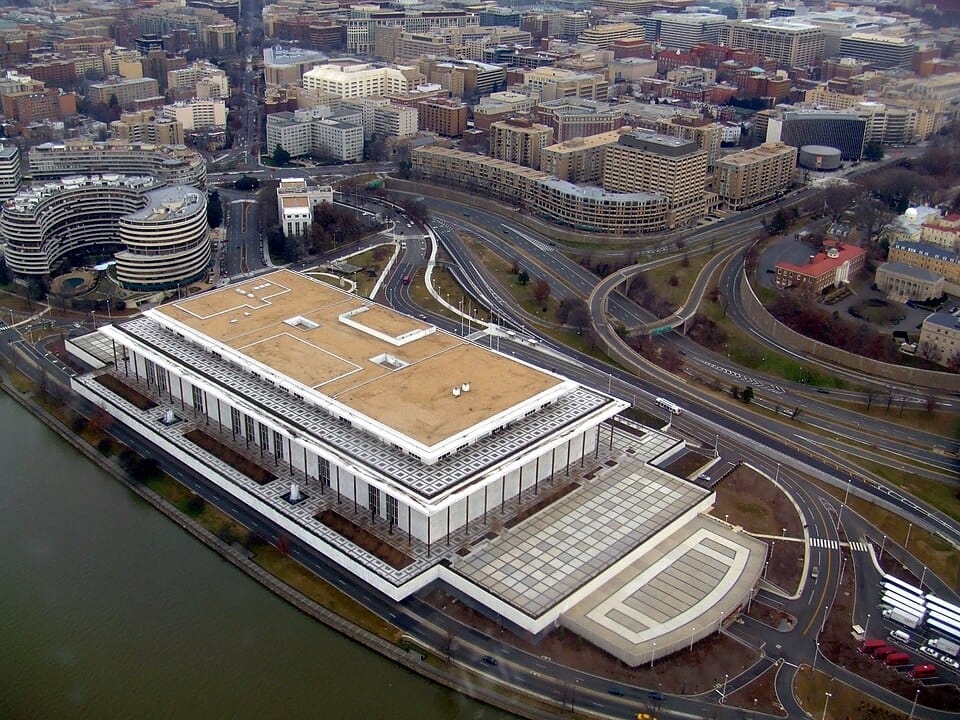
Over the decades, the John F. Kennedy Center for the Performing Arts built a reputation as the U.S.’s premier national cultural center, named after a president who endorsed freedom of expression in the arts and who often referred to artists as playing a critical role in democracy and social change.
“For a theater person, this was a big deal,” Starkey said, clasping her hands to her face as she recalled attending the Kennedy Center American College Theater Festival in Washington, D.C., in 2008, to watch her student Alex Stoll and another WSU student, Elizabeth Therrien, compete in the KCACTF’s Irene Ryan Acting Scholarships national audition.
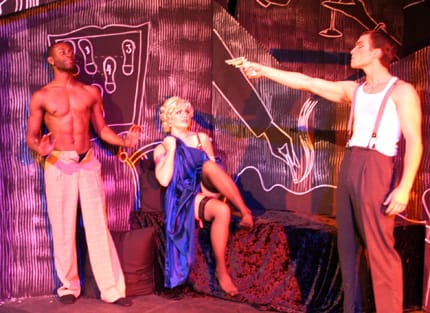
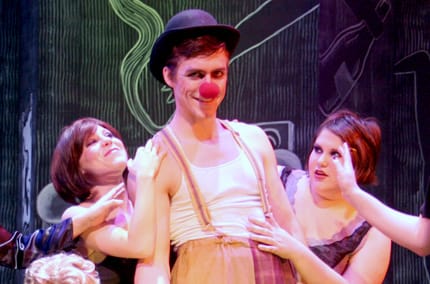
Left: Taurean Everett, Emily Therrian, and Alex Stoll who starred in "The Wild Party," which they went on to perform at the Kennedy Center. Right: Stoll, pictured at center, plays the character Burrs. Photos courtesy of Wichita State University.
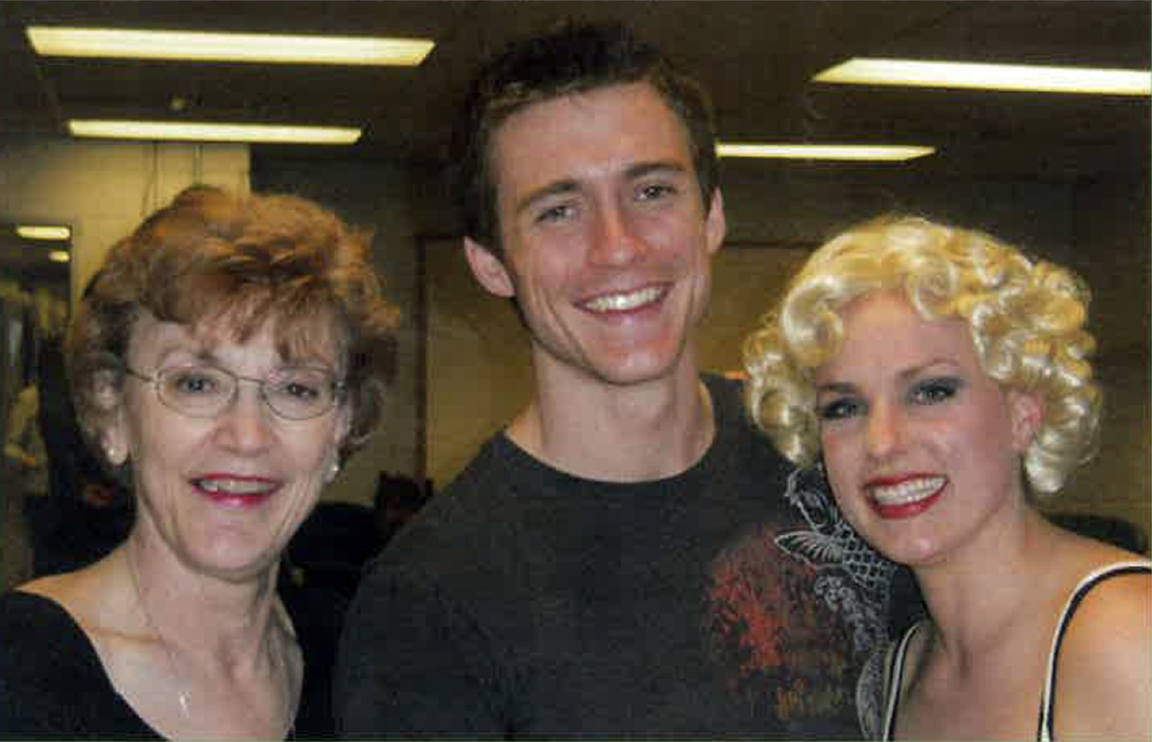
The pair performed the roles of volatile vaudevillian couple Burrs and Queenie from “The Wild Party,” a dark, jazz-age musical set in the 1920s. They’d gotten the invitation to compete after receiving regional Irene Ryans, as the awards are commonly called. The scholarships were established in 1972 with an estate gift from Ryan, who played Granny in “The Beverly Hillbillies.”
A few years earlier, WSU’s production of “Pippin” had been invited to perform in the regional KCACTF in St. Louis and was named a first alternate to perform at the national ACTF at the Kennedy Center, Starkey said.
Opening opportunities
University theater faculty often tout the benefits of participating in the ACTF’s regional and national conferences, which feature performances, adjudication or feedback sessions, and a wide range of professional development workshops and opportunities in all areas of theater.
“It opens the world to students,” said WSU’s Mba, who started attending regional ACTF conferences in 2015, first as a student and then as a faculty member.
One of the top benefits is networking with theater students, faculty, and professionals, he said.
“I remember saying to one of my playwright friends — that I had met that week — that it was so cool for a student actor from the Midwest to be able to say they performed on a Kennedy Center stage.” — Chelsea Smet
Starkey — who in 2016 received the KCACTF’s Golden Medallion Award, considered the most prestigious honor in theater education — agreed.
“For any young professional, just to have contact with people working in the business is extremely important,” Starkey said. “It can be transformative for students.”
“They get feedback, information, and perspectives from a larger group of people than their own faculty,” added Dean Corrin, a WSU theater alum who is the longtime associate dean of theater studies at DePaul University. “Meeting playwrights and directors from other areas and being aware of what is happening in other places gives you a valuable perspective.”
Making it on a national stage
For Smet, stepping foot inside the Kennedy Center to attend the national ACTF conference in April 2015 was initially overwhelming.
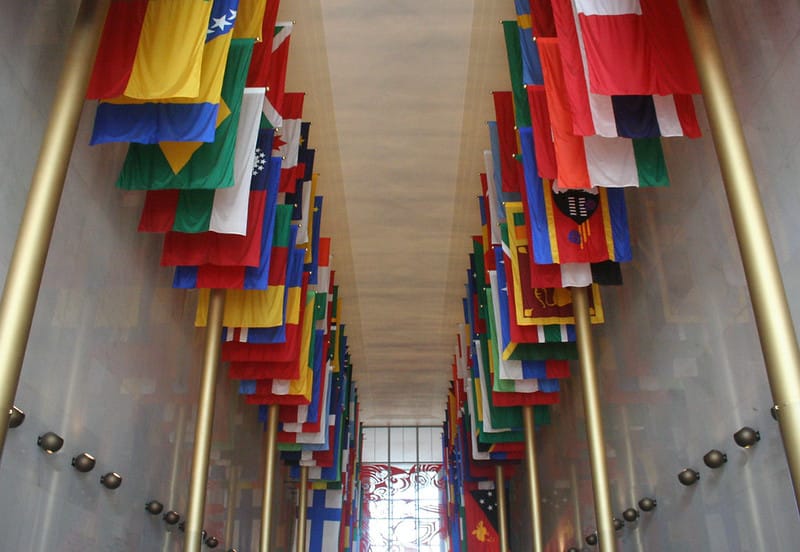
“That very first day, we got to do a tour and see all of the hallways lined with posters of all of the productions that had happened there, all of the acts that had been there,” she said. “It's just this beautiful, stately building. It felt very legitimate and special to be in the Kennedy Center.”
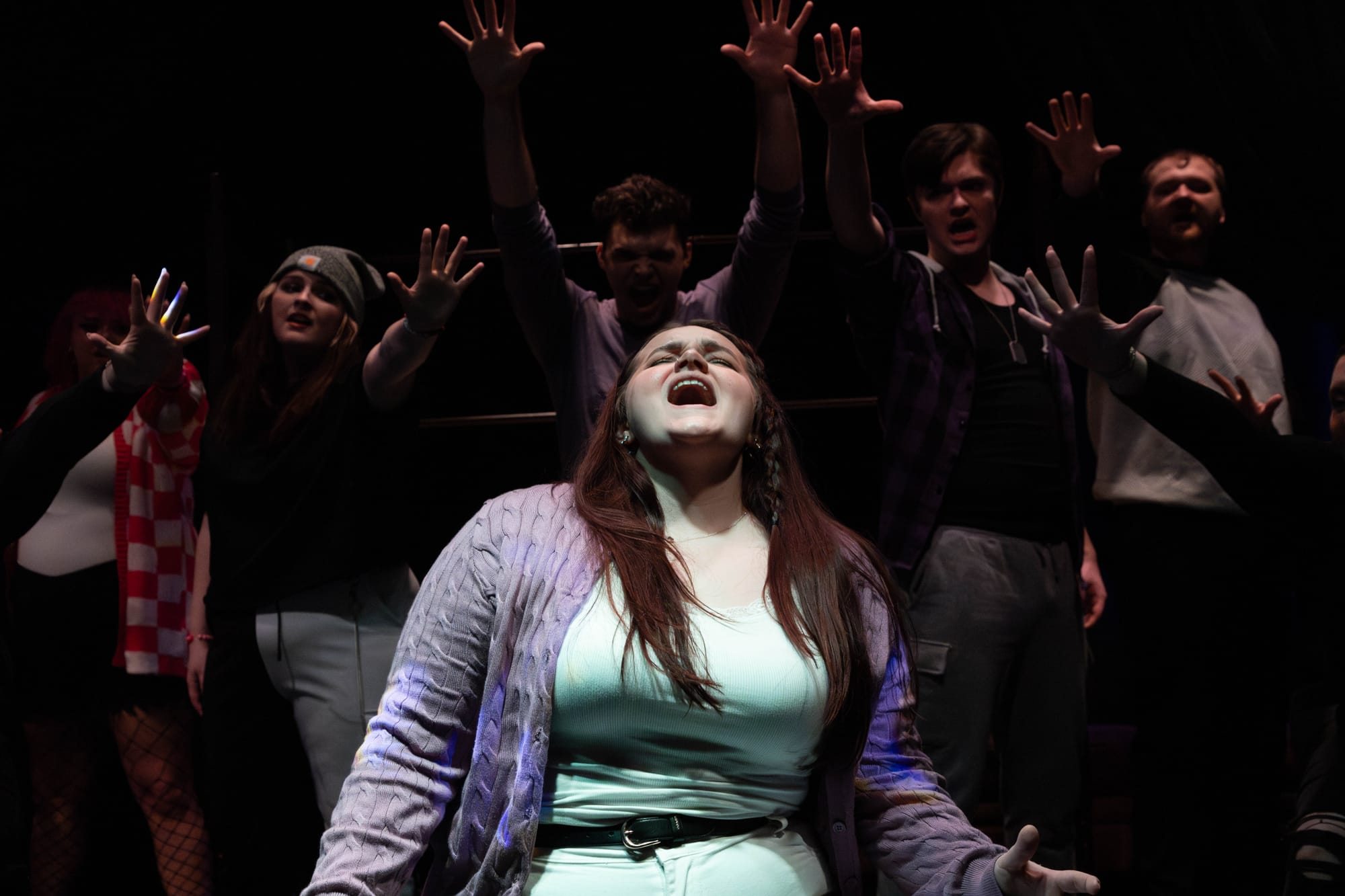
Meeting playwrights with shows on Broadway was a particular highlight.
“I got to have a one-on-one discussion with Amy Herzog, who is one of my playwriting heroes. I never thought I would be in the same state as her, much less have a one-on-one conversation with her, getting her feedback on my play,” Smet said.
“I remember saying to one of my playwright friends — that I had met that week — that it was so cool for a student actor from the Midwest to be able to say they performed on a Kennedy Center stage.”
In addition to Smet and Starkey, Jeannine Saunders Russell from WSU received, in 1999, the Jean Kennedy Smith Playwriting Award, which recognizes plays exploring the human experience of living with a disability, for “The Great Frozen Man.”
The show will go on
While the ACTF has suspended its Kennedy Center affiliation, people interviewed said they are pleased that the ACTF’s regional conferences will continue to provide opportunities for students and faculty to network, compete, and hone their craft.
“The core experience for students is not going to change,” Mba predicted.
“It’s sad, but it won’t negate the value of all the regional conferences that will continue preparing young theater artists for the professional world,” Starkey said. “I am disappointed because the Kennedy Center used to stand for the best in theater.”
Amy Geiszler-Jones regularly writes about the arts for publications including The Wichita Eagle, where she has been a contributor for more than 15 years. Prior to that, she worked for Wichita State's communications office and the United Kingdom bureau of the military newspaper The Stars and Stripes.
❋ Derby man has the kind of voice that turns heads — and chairs
❋ Socializing while sober: how some Wichitans are cultivating alcohol-free communities
❋ As a small creative business closes, the owner mourns
❋ Painting through it: Autumn Noire on 20 years of making art
❋ How a guy from Wichita resurrected 'Dawn of the Dead'
❋ Bygone Friends University museum housed curious collections
Support Kansas arts writing
The SHOUT is a Wichita-based independent newsroom focused on artists living and working in Kansas. We're partly supported by the generosity of our readers, and every dollar we receive goes directly into the pocket of a contributing writer, editor, or photographer. Click here to support our work with a tax-deductible donation.