Eco-artist Jenny Kendler and The Land Institute announce 'House of Water' art installation
Prairie Festival 2026 attendees get a firsthand look at the multiyear eco-art project September 25-27.
The following announcement is based on a press release from the Land Institute.
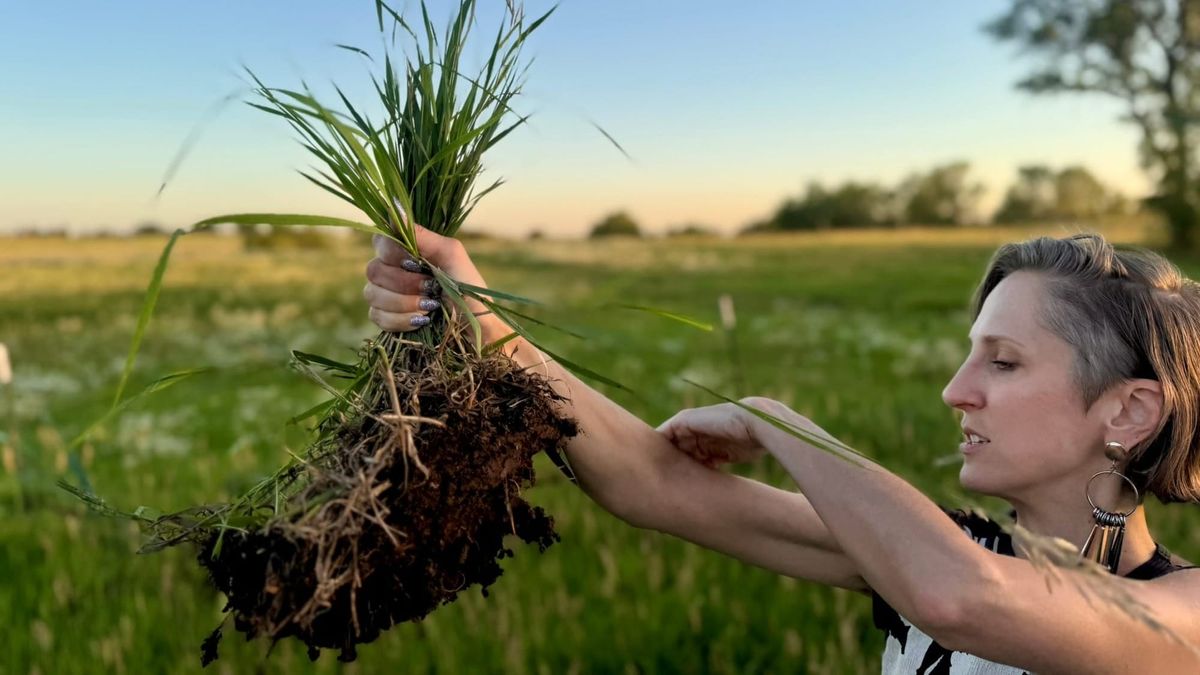
SALINA — Commissioned to mark the 50th Anniversary of The Land Institute, acclaimed environmental artist Jenny Kendler and a team of ecologists have embarked on the creation of "House of Water," a multi-year, living eco-art installation blending contemporary art, Great Plains history, and active ecological restoration.
Located at the publicly accessible 200-acre Marty Bender Nature Area near The Land Institute’s headquarters in Salina, Kansas, "House of Water" takes the ghost shape of an iconic settler sod house with a goal of radically inverting its purpose. Rather than a symbol of prairie destruction and colonial land control, the architectural footprint is being designed to welcome water, rather than human settlers, and to dissolve over time, transforming back into a functional, ephemeral wetland.
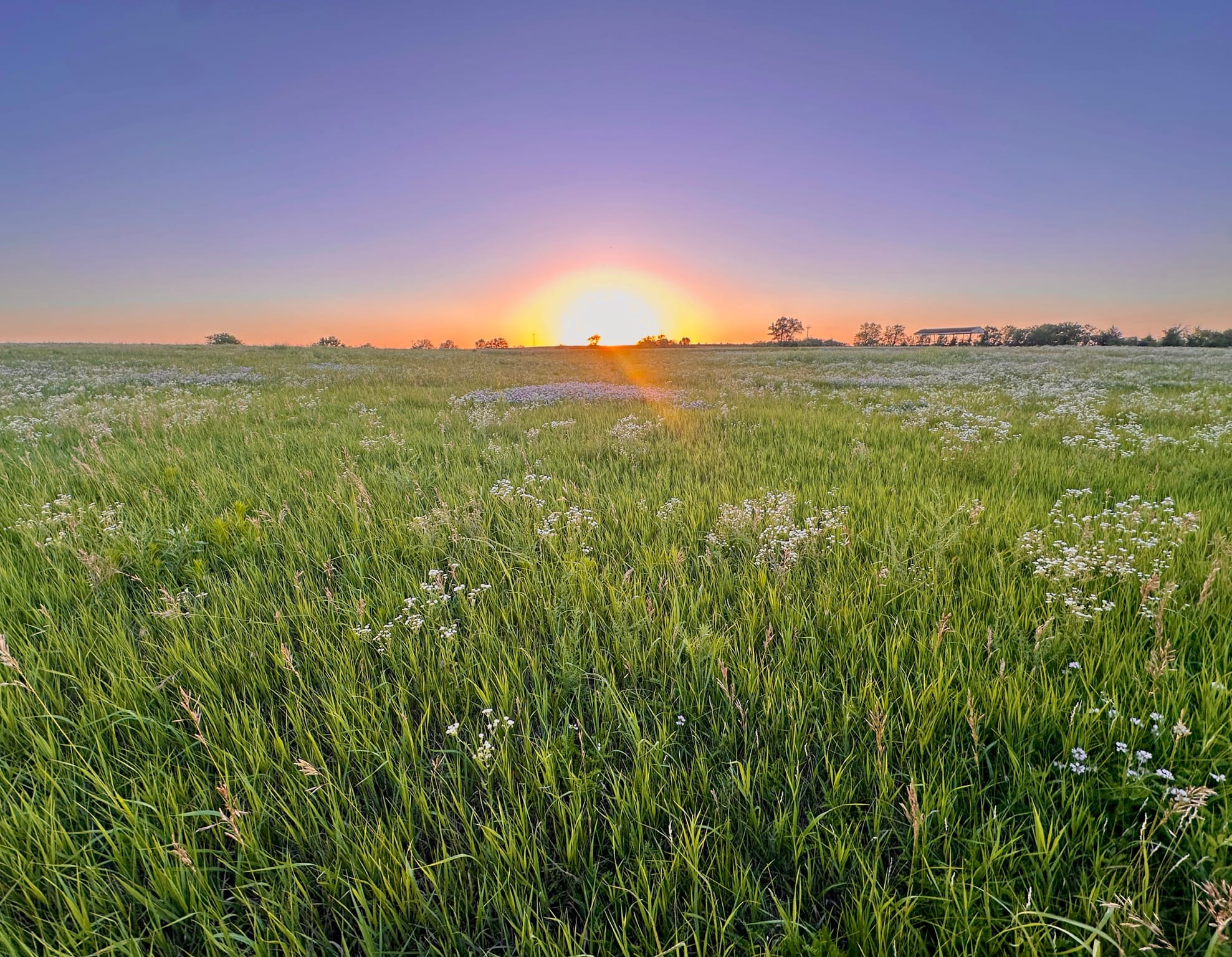
The installation invites both human and non-human visitors to linger, acting as a sanctuary for water and returning prairie plants and wildlife, which will hopefully include amphibian species and fairy shrimp. Beyond its physical site, the living artwork will also capture multimedia audio and visual recordings, bringing the sights and sounds of prairie restoration to museum exhibitions and remote audiences nationwide.
"Through 'House of Water,' we are asking what it means to actively deconstruct the legacy of extraction," Kendler said. "By allowing the ghost-architecture of a settler dwelling to literally melt back into the earth as a healing gesture, we are shifting the narrative from one of human dominance to ecological repair. The project is both a sculptural work of land art and also a multi-year project for ecological restoration — an interdisciplinary collaboration that invites native biodiversity to return to formerly cultivated lands."
The artwork works to challenge the boundaries between traditional arts administration, community engagement, and scientific research. Kendler is collaborating with The Land Institute’s staff, including land relations research manager Christopher Reimer, incoming senior land stewardship technician Cedar Van Tassel, independent plant ecologist Jennifer Moody, and Tallgrass Artist Residency founder Kelly Yarbrough, along with ongoing contributions from local community volunteers. Together, they will steward the site as "an embodied expression of perennial care."
"For half a century, our work has focused on building new ways forward for agriculture and culture, grounded in scientific inquiry and the place-based arts and humanities," said Aubrey Streit Krug, director of the Perennial Cultures Lab at The Land Institute. "'House of Water' beautifully embodies our commitment to long-term learning. Human hands in community can practice creative repair, inviting us to rethink our relationship with the prairie."
The project’s launch coincides with Prairie Festival 2026: 50 Years of Perennial Possibilities, The Land Institute's milestone 50th anniversary celebration. Long described as an "intellectual hootenanny" where art, music, food, and science collide, the festival will give attendees a firsthand look at this intersection of cultural heritage and environmental action.
Members of the public, regional arts patrons, and the news media are invited to participate in creating and celebrating the physical artwork at Marty Bender Nature Area in a series of community days and events:
- September 25-27: Prairie Festival 2026: 50 Years of Perennial Possibilities - Featuring artist installations, keynote talks, live music, perennial foods, and research field tours celebrating The Land Institute's 50th anniversary.
- Ongoing: Community Days at The Land Institute with "House of Water" – Check the events calendar for the schedule.
For the project description and Kendler’s artist’s statement, visit "House of Water" on The Land Institute’s website.
Jenny Kendler (b. 1980, New York City) is an interdisciplinary artist, environmental activist, naturalist, and wild forager who lives in Chicago and various forests. Her work is informed by her experiences as a queer, Jewish ecofeminist and single parent. From 2014 to 2024, she was the first Artist-in-Residence with the Natural Resources Defense Council (NRDC). She is an organizer with Artists for Chicago and a founding member of Artists Commit, an artist-led initiative to cultivate climate consciousness in the art world. She serves on the Board of Directors of the global climate organization 350.org, the artist residency ACRE, and Arts First, which launched in 2026 as Chicago's first community arts fund. She also directs the artist website platform People’s Pixels.
The Land Institute is leading a global movement to transform agriculture and secure a sustainable future for all. They develop perennial crops and advocate for systems that work with nature to feed humanity and repair our environment. They collaborate with farmers, scientists, and with the plants themselves to evolve humanity’s relationship with the earth: from taking to sharing; from depletion to restoration. The Land Institute is a 501(c)(3) non-profit organization founded in 1976 in Salina, Kansas, USA.
Announcements are submissions from arts and cultural organizations and community members. They are published at the discretion of SHOUT editors and may be lightly edited. Send press releases and other announcements to emily@shoutwichita.com.
❋ Derby man has the kind of voice that turns heads — and chairs
❋ Socializing while sober: how some Wichitans are cultivating alcohol-free communities
❋ As a small creative business closes, the owner mourns
❋ Painting through it: Autumn Noire on 20 years of making art
❋ How a guy from Wichita resurrected 'Dawn of the Dead'
❋ Bygone Friends University museum housed curious collections
Support Kansas arts writing
The SHOUT is a Wichita-based independent newsroom focused on artists living and working in Kansas. We're partly supported by the generosity of our readers, and every dollar we receive goes directly into the pocket of a contributing writer, editor, or photographer. Click here to support our work with a tax-deductible donation.