ICT Soup feeds artists hungry for connection — and project funding
Harvester Arts has resurrected the long-running crowdfunding meal. The next one will take place on Saturday, March 7.
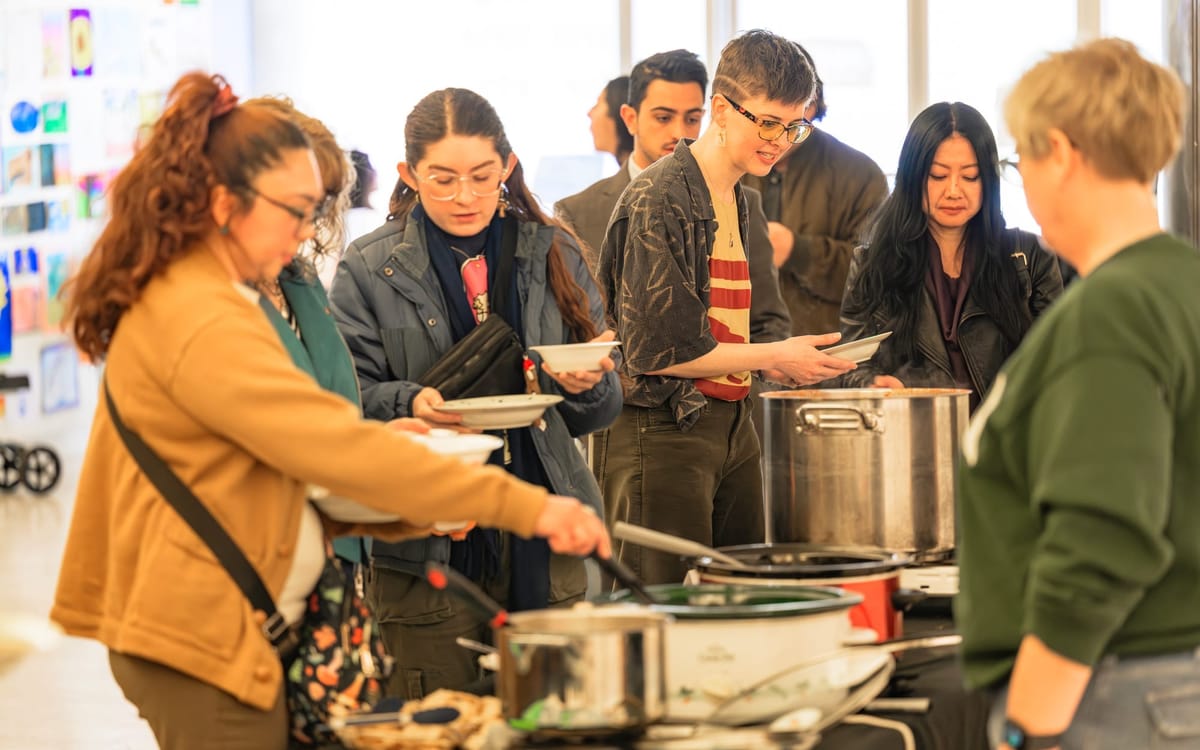
ICT Soup might best be described as an exercise in hunger, both literal and figural. If you are literally hungry, you pay $10 for a bottomless soup buffet. If you're an artist hungry for community support, you receive perhaps the best local opportunity for immediate funding.
Hosted by Harvester Arts, ICT Soup is a crowdfunding event wherein the funds raised at the door are granted to one artist among several who deliver a five-minute pitch to the slurping crowd.
It is direct, simple and effective. Words rarely associated with art or money, yet exemplified by the bureaucracy-free phenomenon that is ICT Soup.
The event model originated in Detroit, and similar dinners have spread nationwide.
"I got the idea when I was living in St. Louis," said Amanda Pfister, who brought the concept to Kansas. Pfister, an accomplished photographer and arts nonprofit leader, brought her own hunger when she moved from St. Louis to Wichita.
"I was looking for a way to be more active in the arts community and get to know people more," she said. "I kept thinking about this project, because being an artist there weren't a lot of funding opportunities."
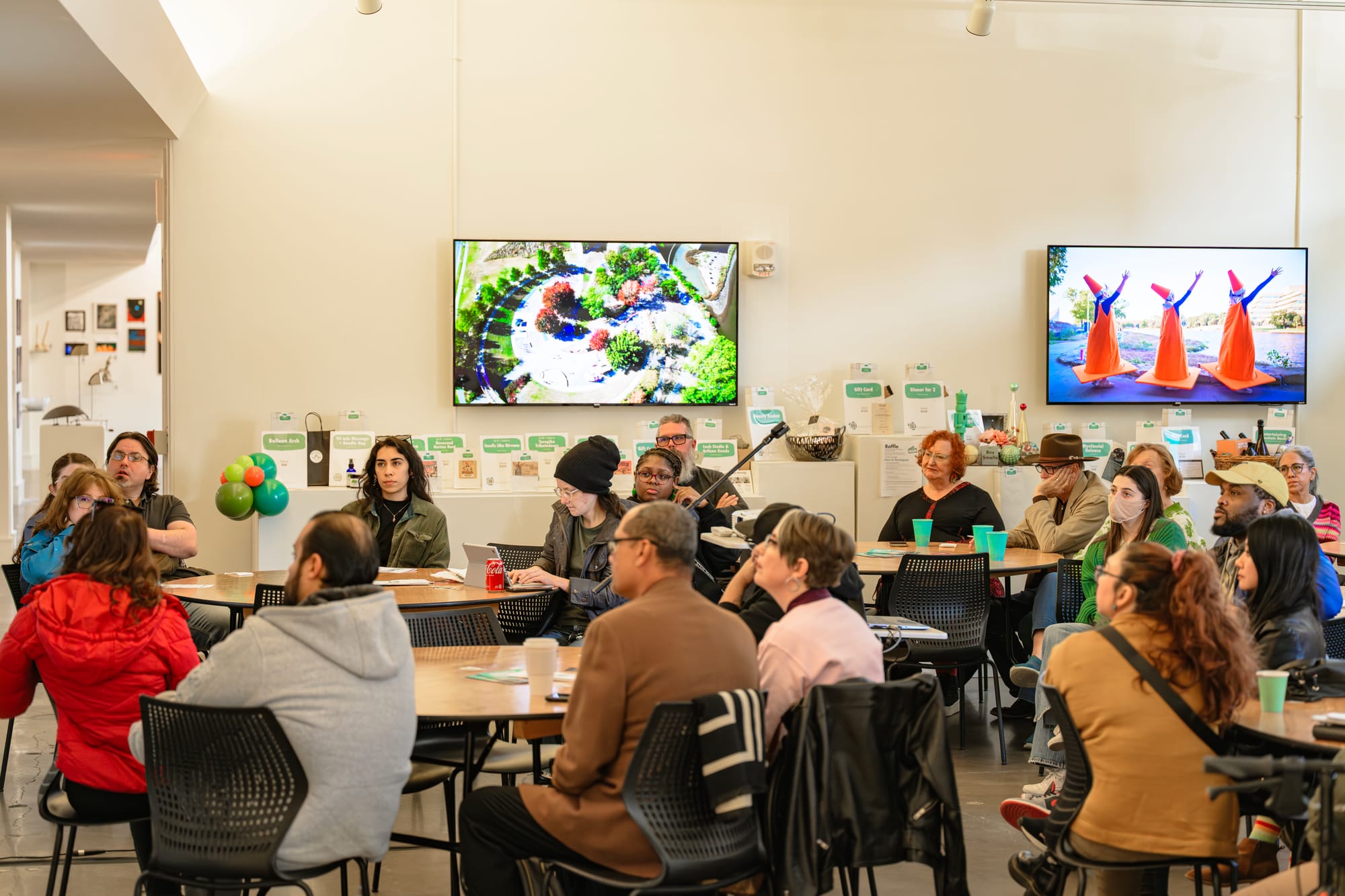
Pfister received a grant from the Arts Council to launch the first series of events, which ran at Harvester Arts from 2016 to 2021. While in Wichita, Pfister, who now lives in Colorado, worked at CityArts and also completed a tenure as community fellow at Harvester.
Pfister's departure and the COVID-19 pandemic put an end to the program until this year, when Harvester Arts resumed the event series on a quarterly basis.
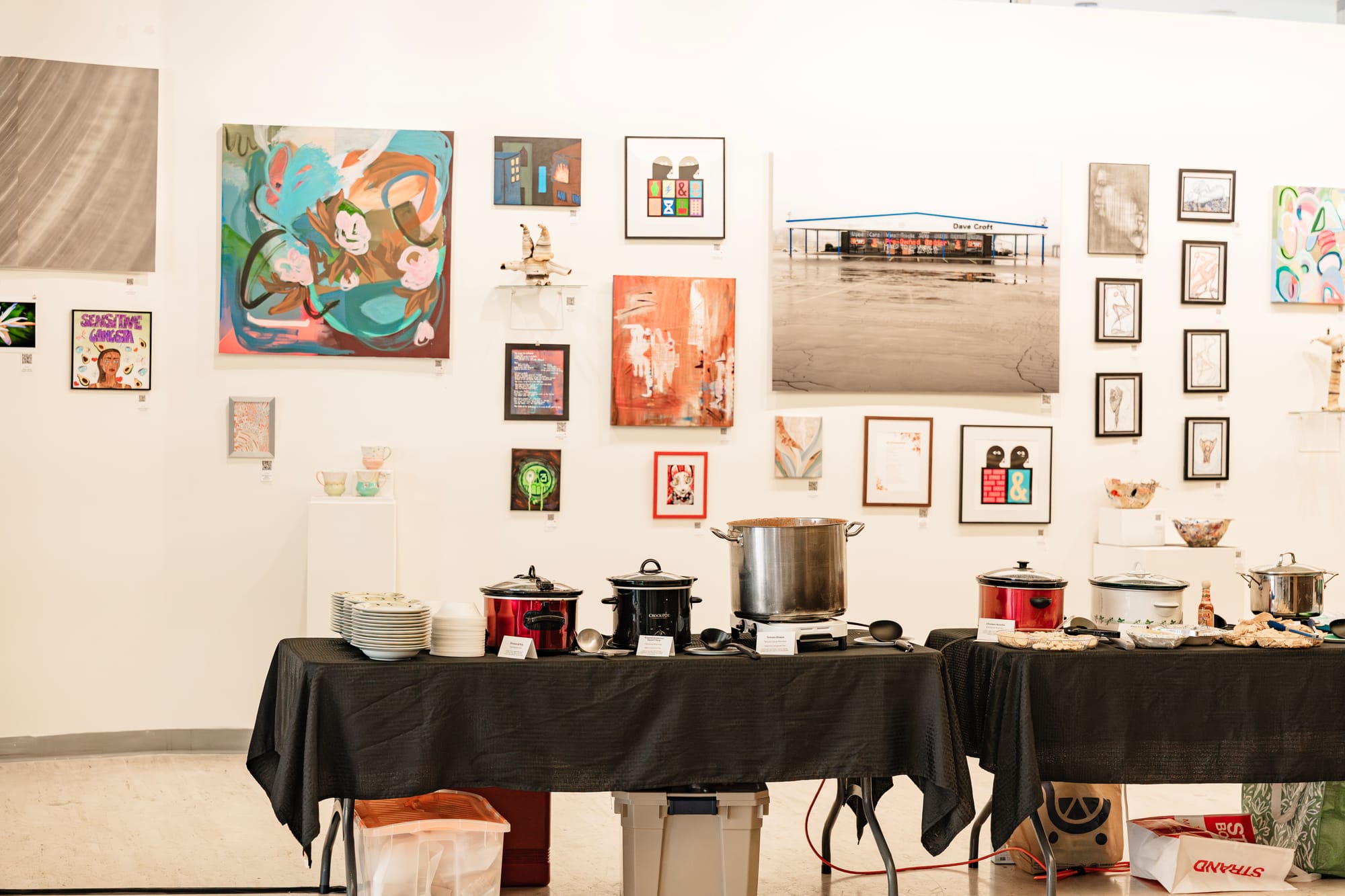
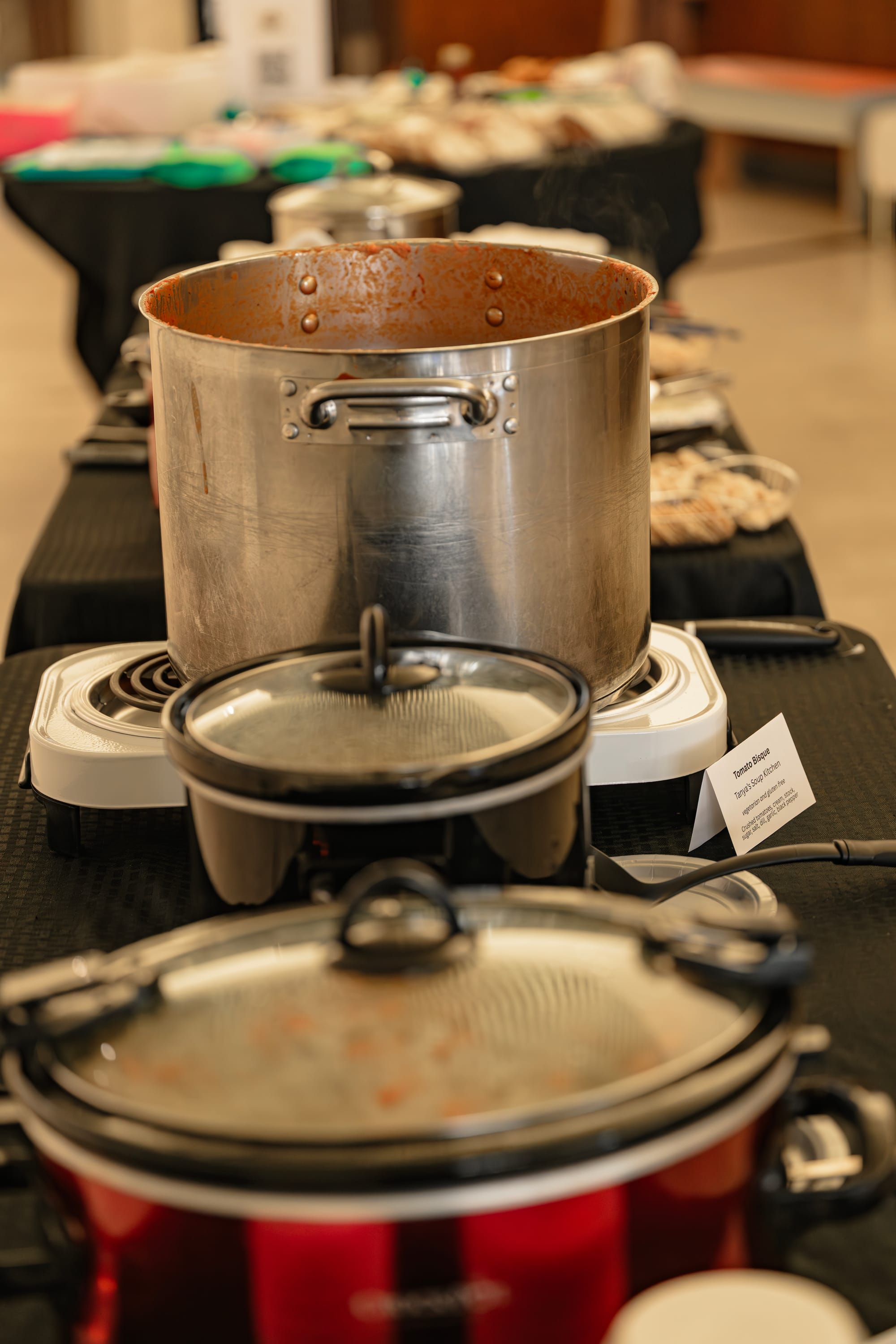
The first ICT Soup event since 2021 took place on December 6 and attracted a crowd of 38. I — being a purist — ate only chicken noodle soup with buttered sourdough. My tablemates, however, were more libertine in their selections, oscillating between misos, chilis and bisques, even occasionally, to my horror, using the same bowl.
Another sort of juxtaposition was more to my liking: the artists' pitches.
Projects included an immersive, wallpaper-focused installation about domestic violence, a kintsugi-inspired portraiture series of hand-painted models, and an open studio for artists that's already operating.
At this point it should be noted that, if nothing else, ICT Soup provides a rigorous education in public speaking, as each artist struggled to complete their presentation in the allotted five minutes. Much to her credit, Harvester Arts Executive Director Kristin Beal emceed the proceedings with a gentle yet firm insistence on the event's timelines.
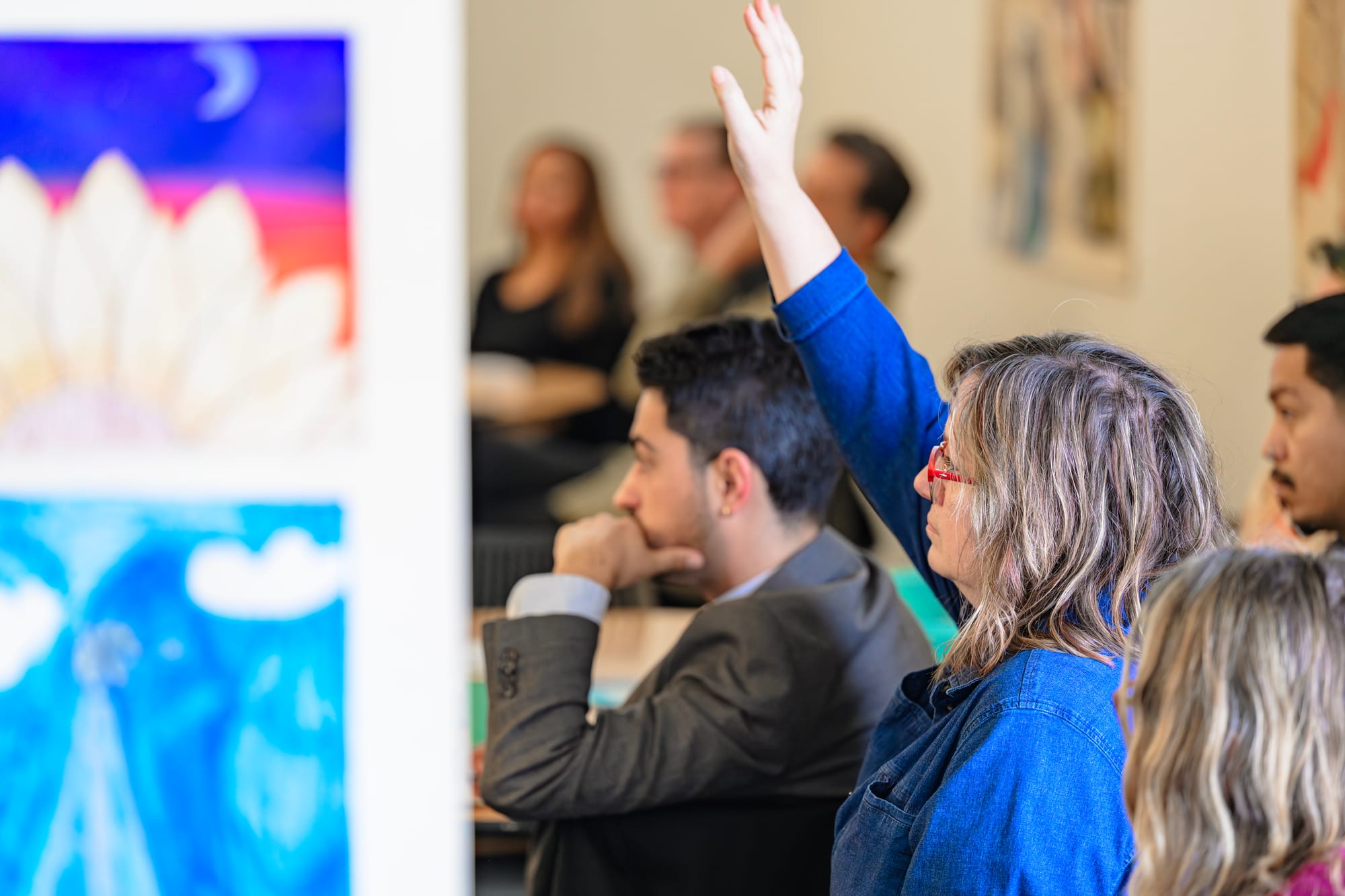
Watching a well-meaning and inspired person sweatily rush through their remaining slides in front of a leisurely lunching audience imbues the proceeding with a certain brutality. And yet, as a writer and editor, I saw in that dynamic a lower-stakes facsimile of the reality that creative people are — quite rightly — obliged to navigate as they ask their communities to invest in their work.
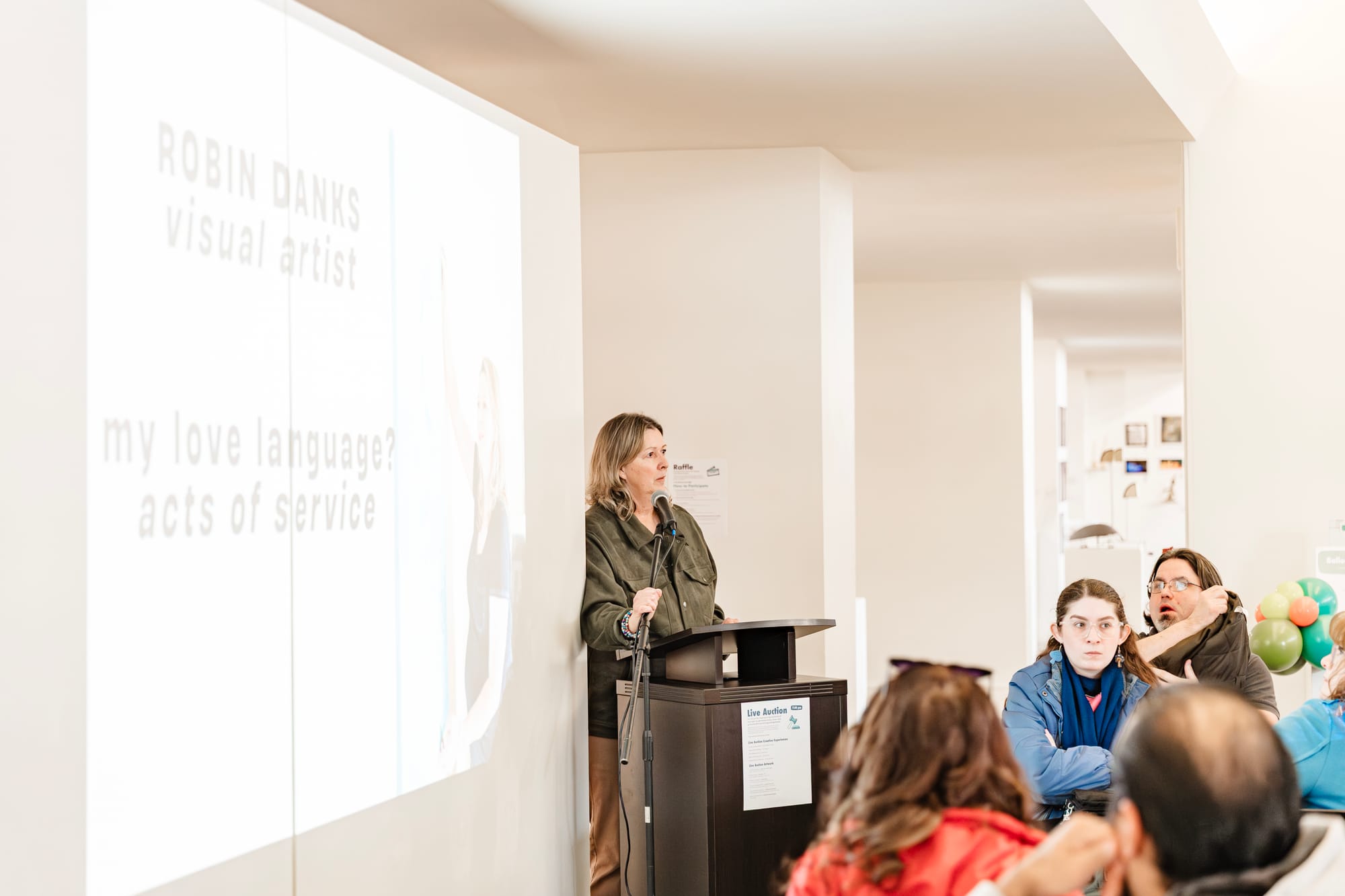
The installation, titled "If These Walls Could Talk," is the brainchild of illustrator Toni Frederico, whose pitch stressed her project management skills as well as the project's built-in and trauma-informed consultation with domestic violence survivors.
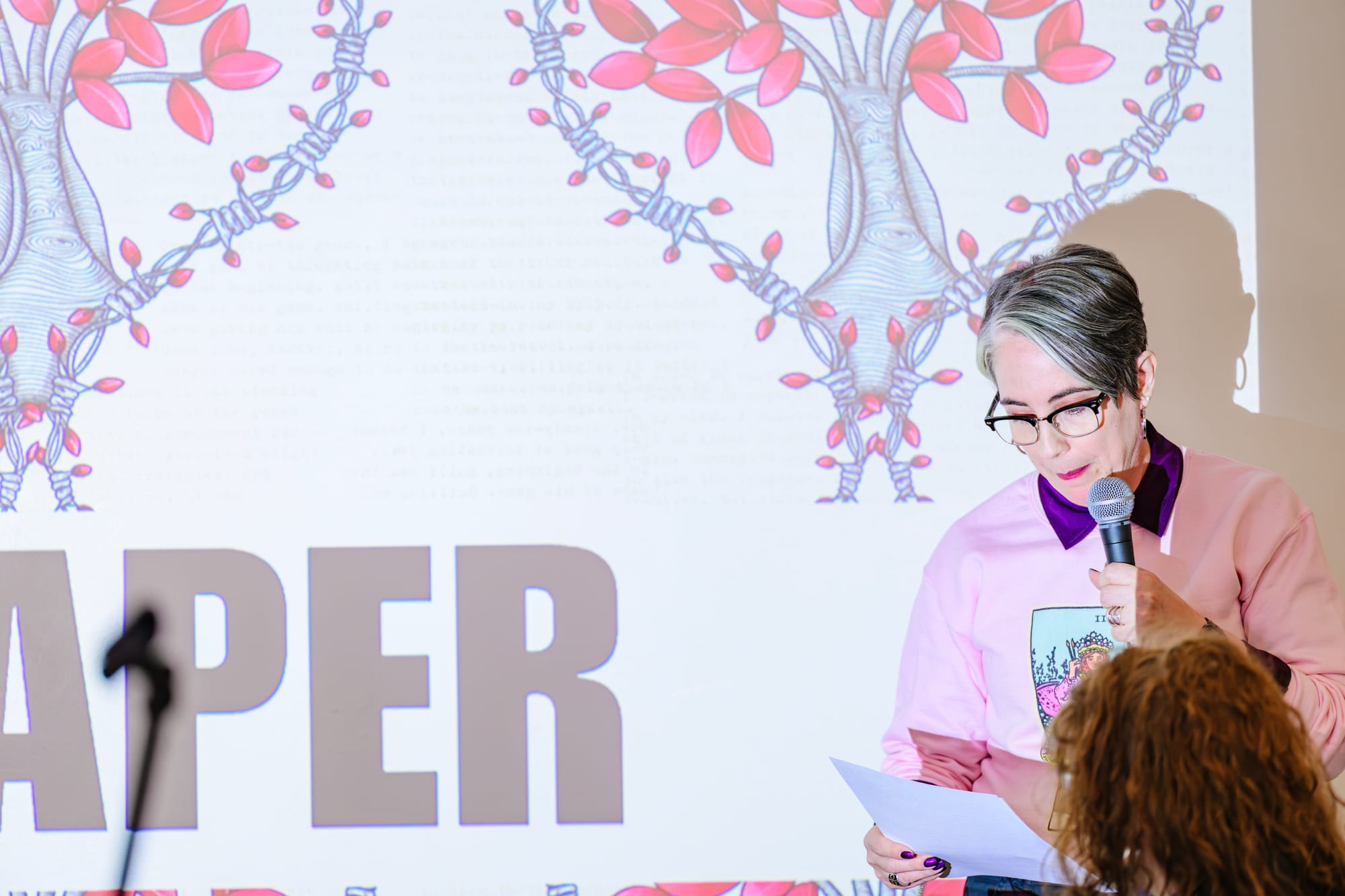
Michael J. Kriss shared his hope of photographing models' bodies painted in the style of kintsugi as an exploration of emotional healing.
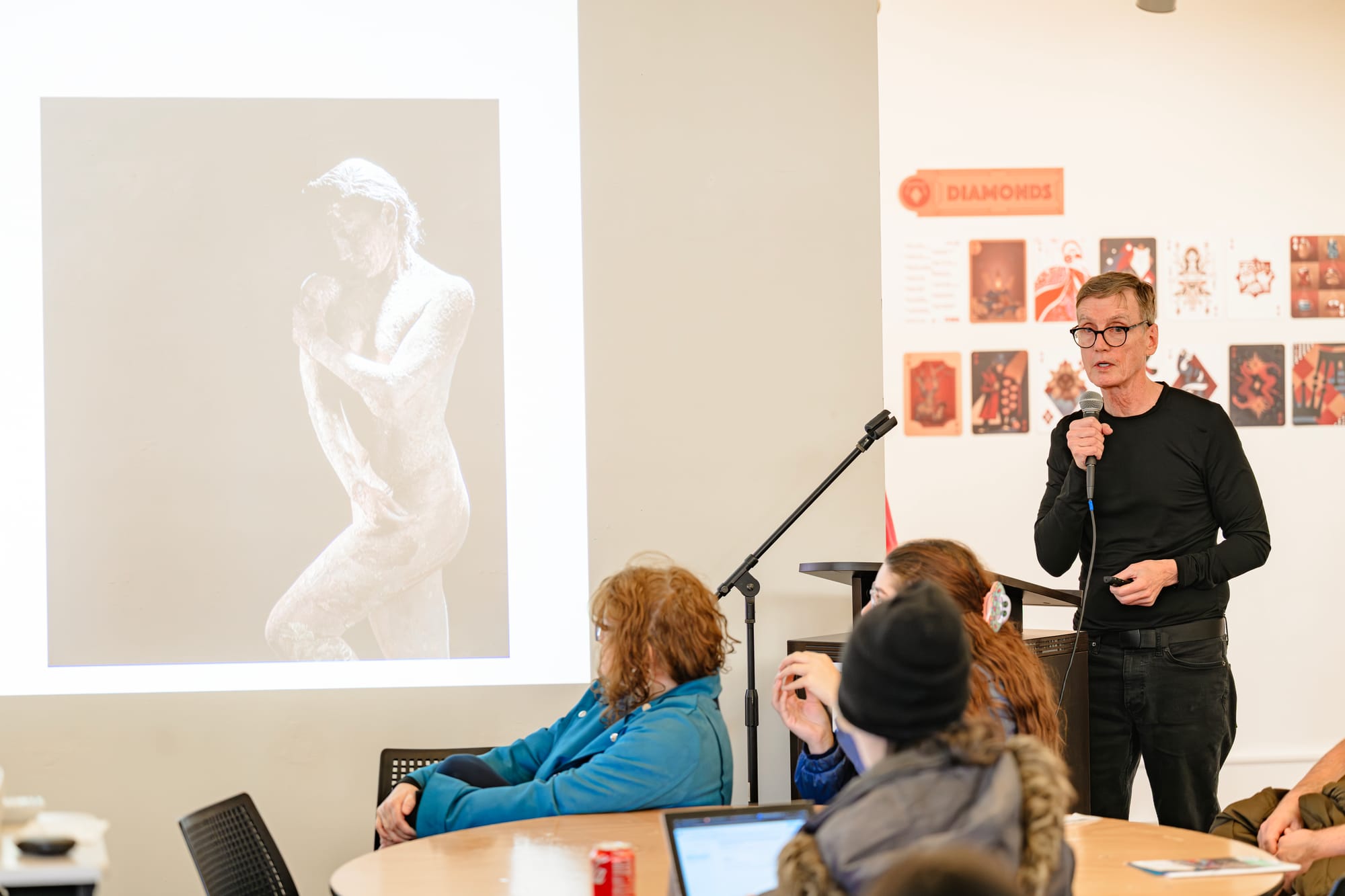
In her presentation, Robin Dank, an acrylic painter, solicited help underwriting the operational costs of her project Art316 — a free open studio for artists to both work and network.
And yet, in the world of ICT Soup there can only be one winner. Attracted as I was to the event by its promise of high-return social entrepreneurship, it was inevitable that I voted as I did. Muralist Emmanuel Campos-Perez is an artist possessed of stature such that he appealed not for the funding of his own work — the City of Wichita has most recently provided for that at the tune of $5,000 — but rather for what promises to be a fruitful talent incubator of its own.
Campos-Perez's pitch was for a rotating mural wall, whereon aspiring street artists will be given supplies and free reign to paint a large-scale work of their devising. The significance of that opportunity was lost on me, ignorant as I am about the world of street art. Thankfully, Campos-Perez demonstrated his business acumen by dedicating the bulk of his five minutes to impressing upon his audience precisely that significance.
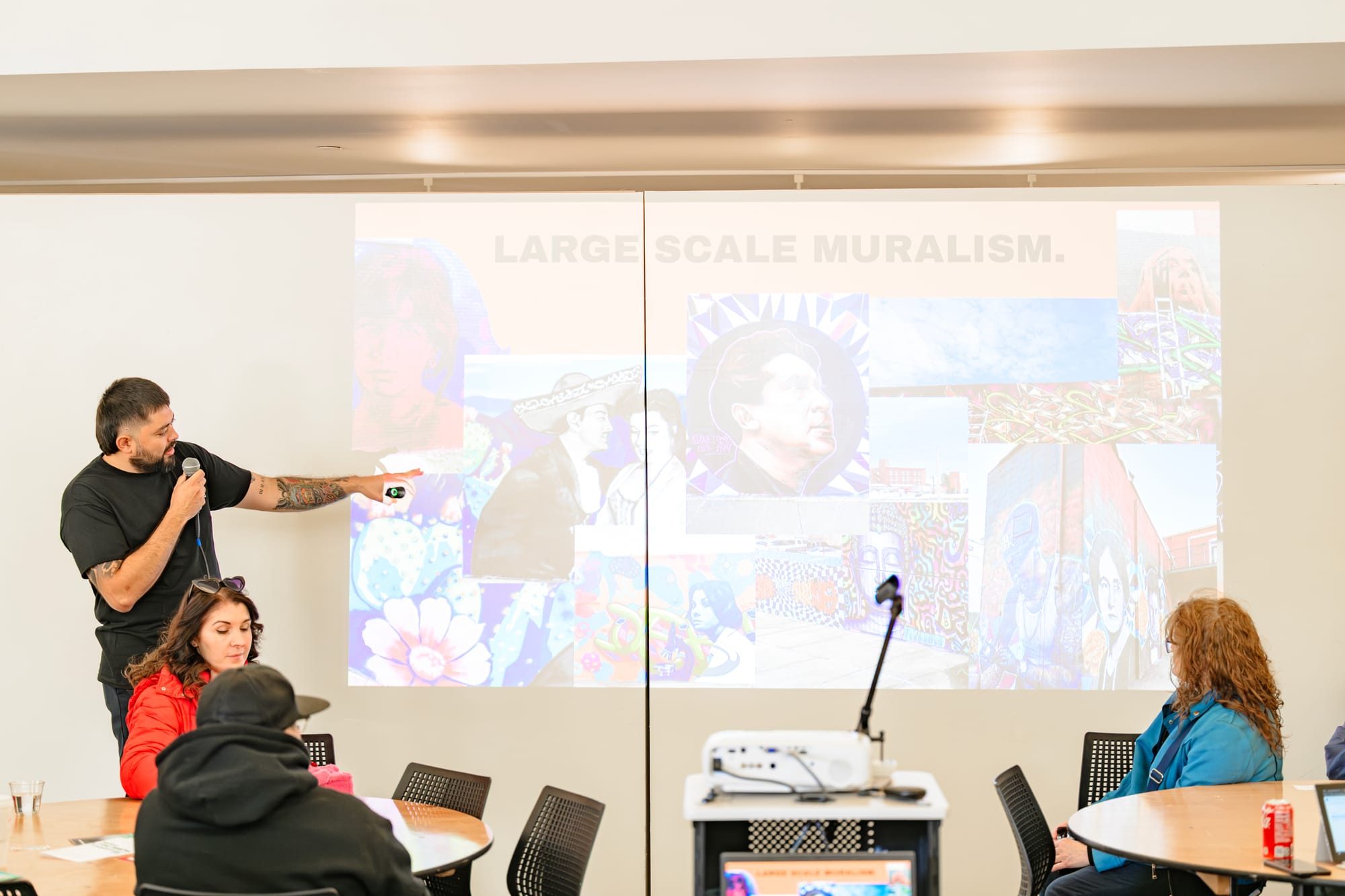
During both his presentation and a later interview, he contrasted the scene that formed him as an artist with the one he discovered in Wichita. Raised in Chihuahua, Mexico, Campos-Perez recalled that city's rich street art culture, which makes it easy to learn the craft and also offers low-barrier opportunities to practice it. Both are important, as learning as an apprentice of sorts doesn't in and of itself empower an artist to build a portfolio. For that they need a big wall all to their own.
In Chihuahua, the artist said, being a muralist is often as simple as seeing a wall, asking permission to paint the wall and then painting the wall. Wichita, however, was something else entirely. Moving here at the age of 19, Campos-Perez struggled to find artistic community, patrons and even available walls.
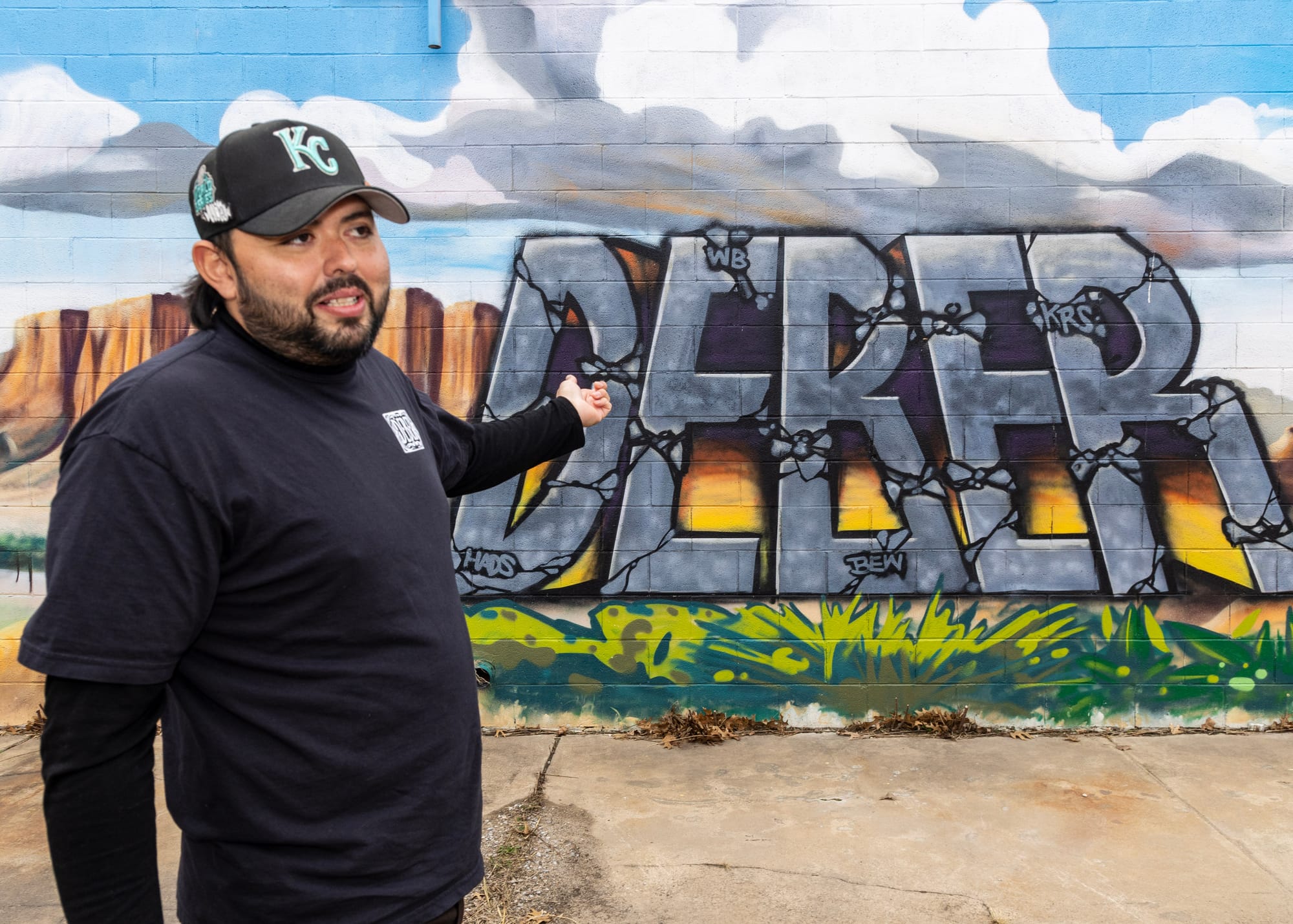
"When I tried to get myself involved in stuff, it was harder than I thought it would be," he said. "In medium-size cities it's very important to have a network."
Over a period of years, Campos-Perez traveled across the United States painting murals in larger, more mural-friendly cities. But eventually he decided to focus more on Wichita.
"When you're not from the city, you don't get the fulfillment of driving by and seeing your work," he said.
Hence his next big undertaking: a mural series of historical figures, one of which has already been completed at 18th and Waco.
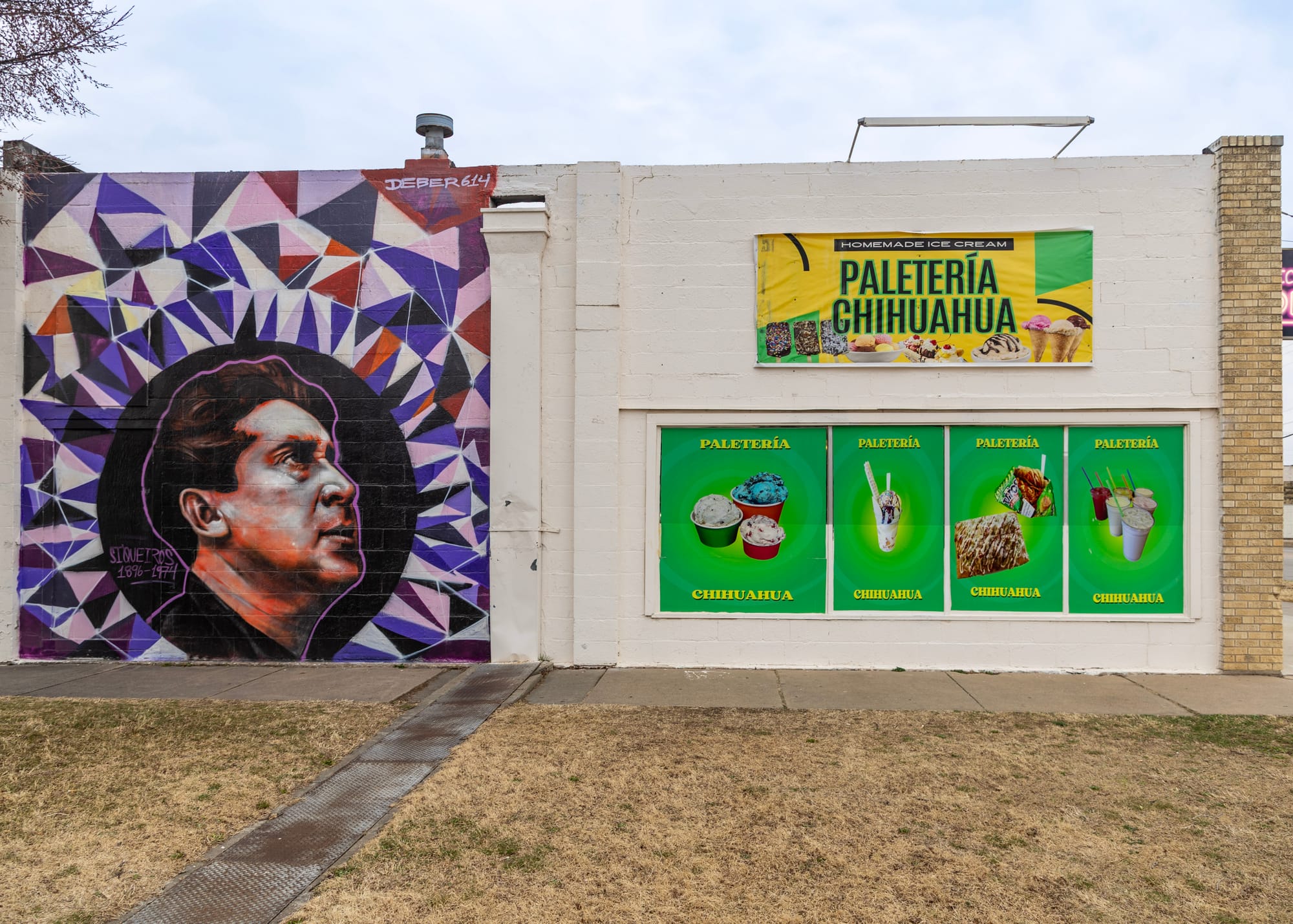
The vision behind the ICT Soup-winning rotating mural wall is a desire to facilitate the next generation of emerging public artists' forays into the scene.
"A lot of people, if they didn't have access because of their background, they didn't consider the possibility of being a public artist," he said. "It's just part of my vision for the city, to bring the culture of my hometown to Wichita."
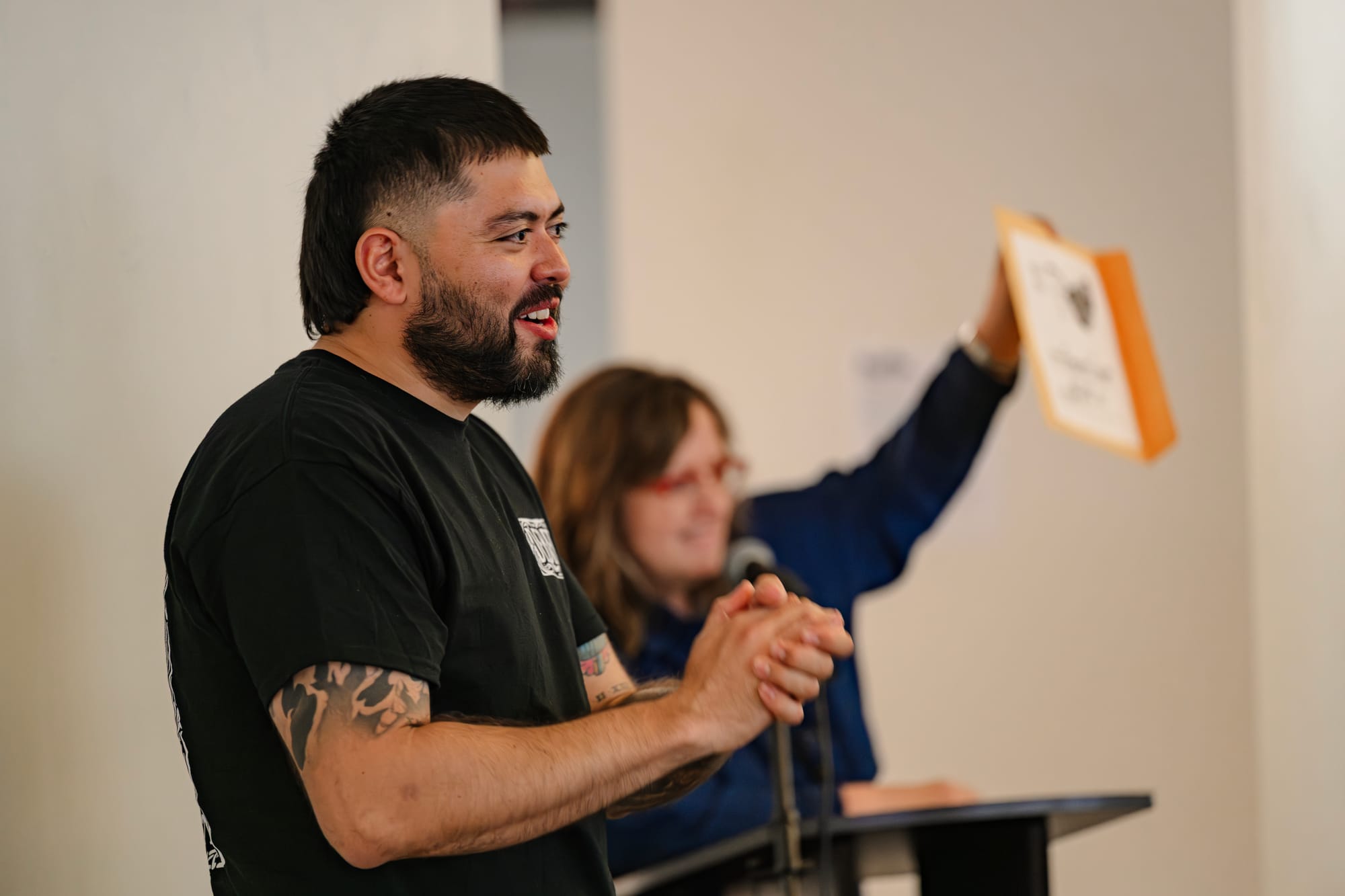
Thanks to ICT Soup, that vision is now closer to being a reality. Campos-Perez left the event with $538 in his pocket to put toward the project.
Not all of us are starving artists, but we're all hungry for belonging, connection and even influence. The influence to shape our communities for better, to actualize those good ideas which "they" never seem to get around to implementing, and to exercise our best judgement as to the allocation of public resources.
While systematically it looks like we're to be mired in postmodern alienation for awhile longer, in Wichita there is at least one place where we may gather at the table, influence proceedings and meaningfully invest — then and there — in some good idea, some betterment, no matter how small, of our common home.
The Details
The next ICT Soup event will take place from noon-2 p.m. Saturday, March 7 at Harvester Arts, 120 E. 1st St. in Wichita.
Tickets are available at the door. The minimum is $10 or $5 for students. Cash and cards are accepted.
Applications to present in March are closed, but you can submit a proposal for the June 6 event before they're due on May 1. Follow Harvester Arts on Facebook or Instagram or sign up for its newsletter to learn more.
If you're interested in starting your own micro-granting meal, you can find a step-by-step guide online.
Intrested in starting your own Soup micro-granting dinner? A step-by-step guide is available at ChangeX.
Jeromiah Taylor is a writer from Wichita, Kansas. He is the associate opinion editor at the National Catholic Reporter.
❋ Derby man has the kind of voice that turns heads — and chairs
❋ Socializing while sober: how some Wichitans are cultivating alcohol-free communities
❋ As a small creative business closes, the owner mourns
❋ Painting through it: Autumn Noire on 20 years of making art
❋ How a guy from Wichita resurrected 'Dawn of the Dead'
❋ Bygone Friends University museum housed curious collections
Support Kansas arts writing
The SHOUT is a Wichita-based independent newsroom focused on artists living and working in Kansas. We're partly supported by the generosity of our readers, and every dollar we receive goes directly into the pocket of a contributing writer, editor, or photographer. Click here to support our work with a tax-deductible donation.