Bill Andrews and the forgiving nature of woodworking
"If you mess something up, you can usually fix it, even if you have to change the size of what you're doing."
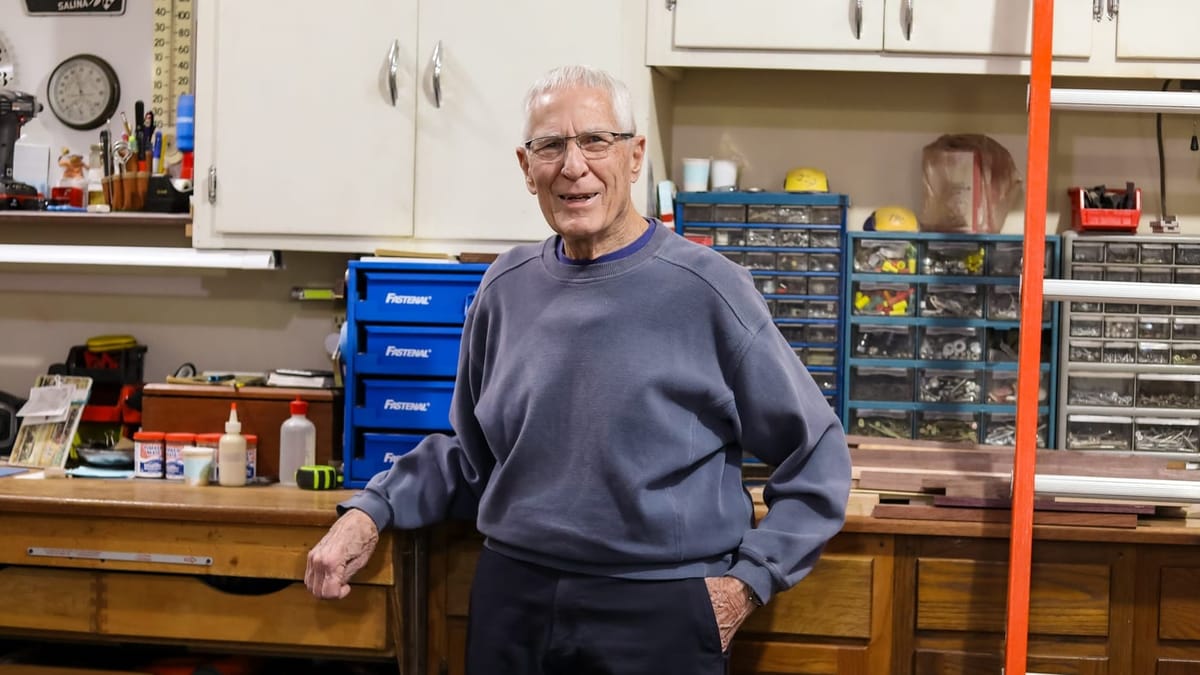
Bill Andrews spent over three decades working in hospitals throughout the south and central regions of the state. But throughout his life, his passion has been woodworking.
“I think of the two things — pharmacy and woodworking — as two separate parts of my life,” said Andrews, who is 82. “Hospital pharmacy was pretty stressful, so woodworking was a way to relax. You can start over or change the size. It’s easy to make something smaller if you make an incorrect cut. That’s certainly not the case in pharmacy.”
I learned about Andrews’ woodworking practice in an unusual way. Four years ago, my mother was diagnosed with a glioblastoma, a one-and-a-quarter-inch, ping-pong-ball-shaped tumor located just above her left ear and a few centimeters into her brain. As a family, we’ve rallied around mom — through surgery, radiation, chemo, and lifestyle changes — and we’re thankful for the time we’ve stolen back from her cancer. Three months ago, doctors found a recurrent growth.
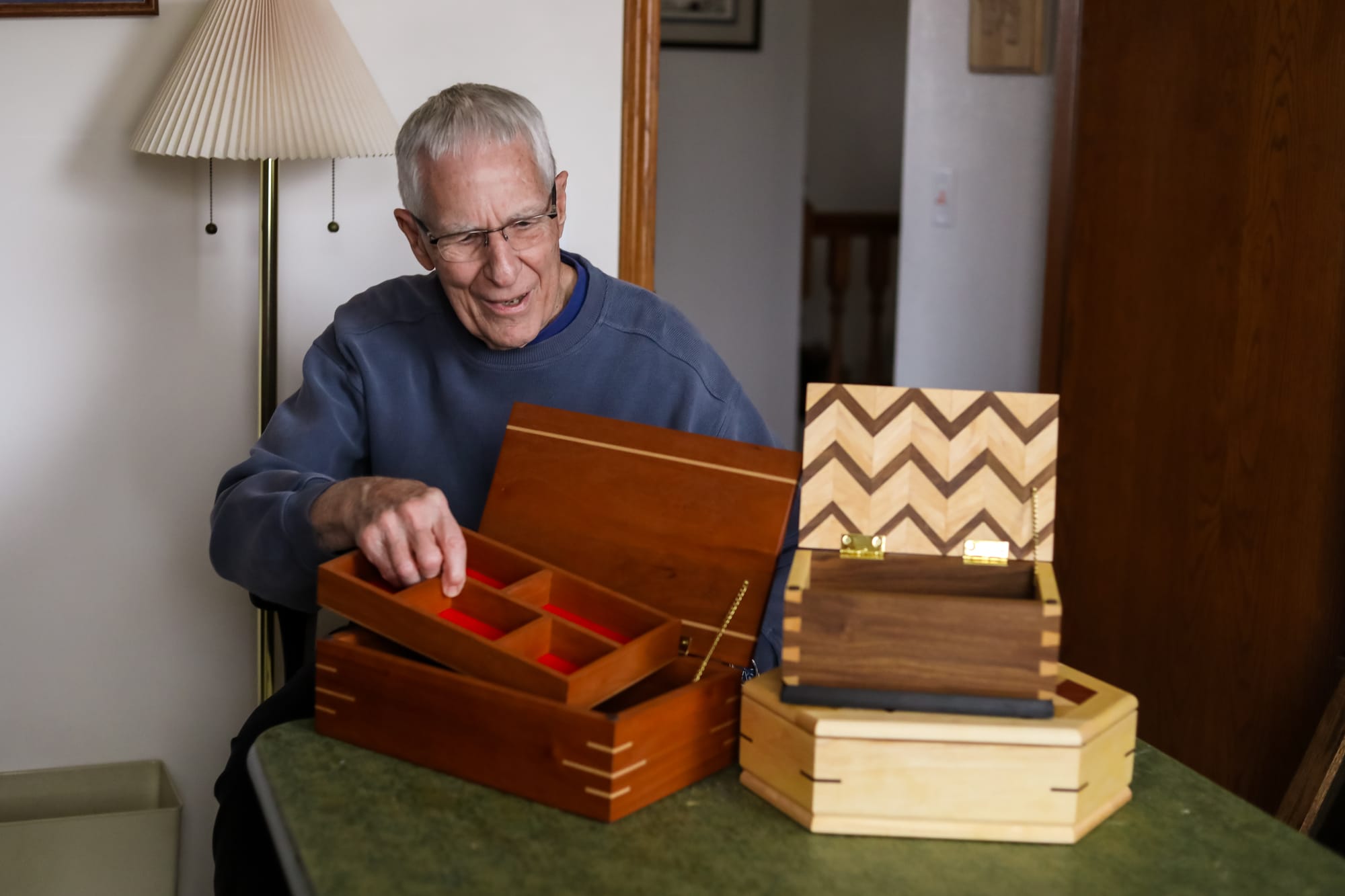
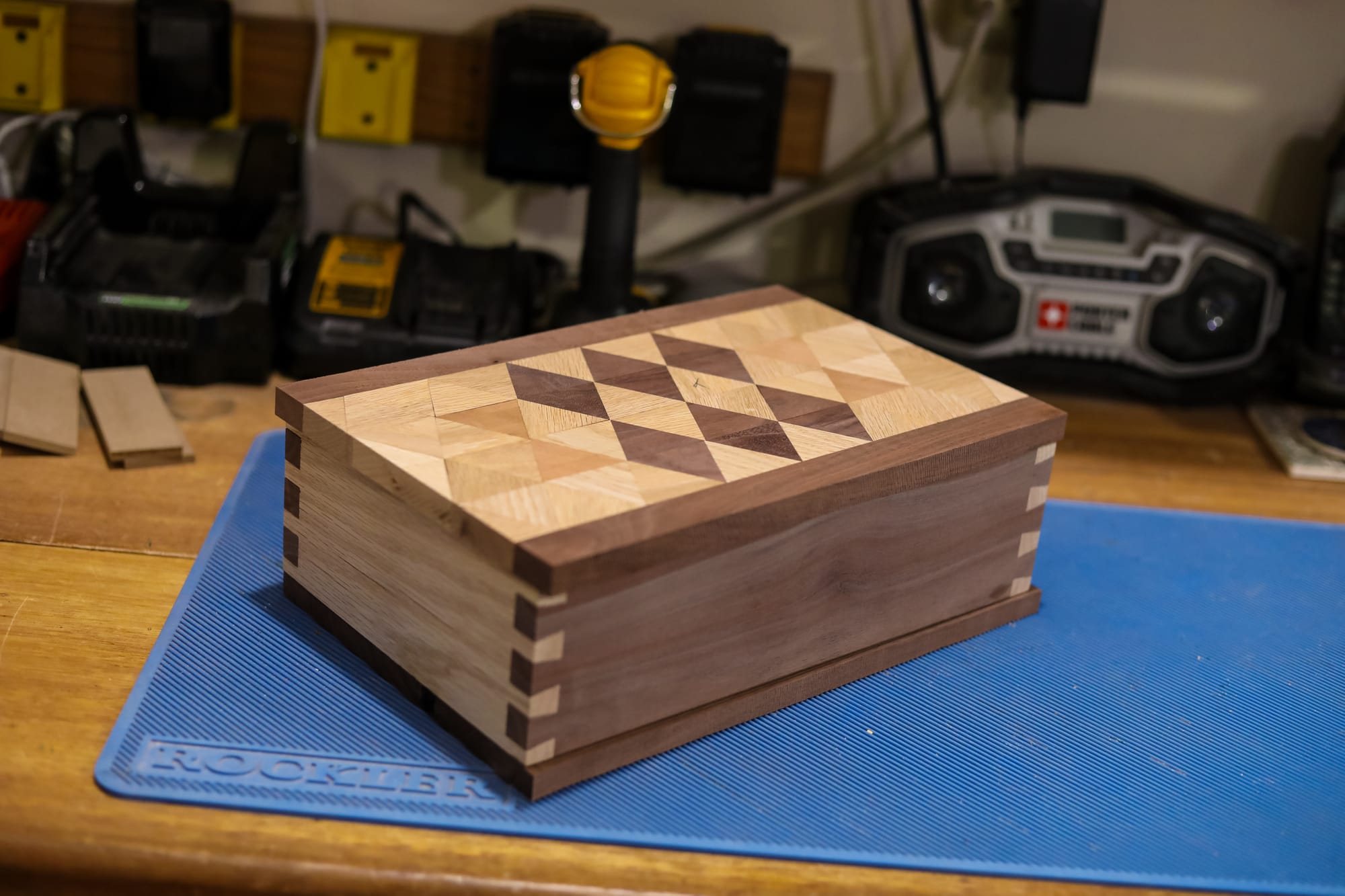
My parents weren’t looking for an urn when they went to Karg Art Glass in Kechi, Kansas, but while perusing the shelves of glass-blown trinkets, my mother and father found a smooth, intricately pieced wooden jewelry box composed of ash, oak, and walnut. They bought the 8-inch by 10-inch keepsake and asked for the artisan’s contact information. They had a special request.
Andrews isn’t entirely sure what brought him to the hobby, but he’s always been a maker, and building is in his family.
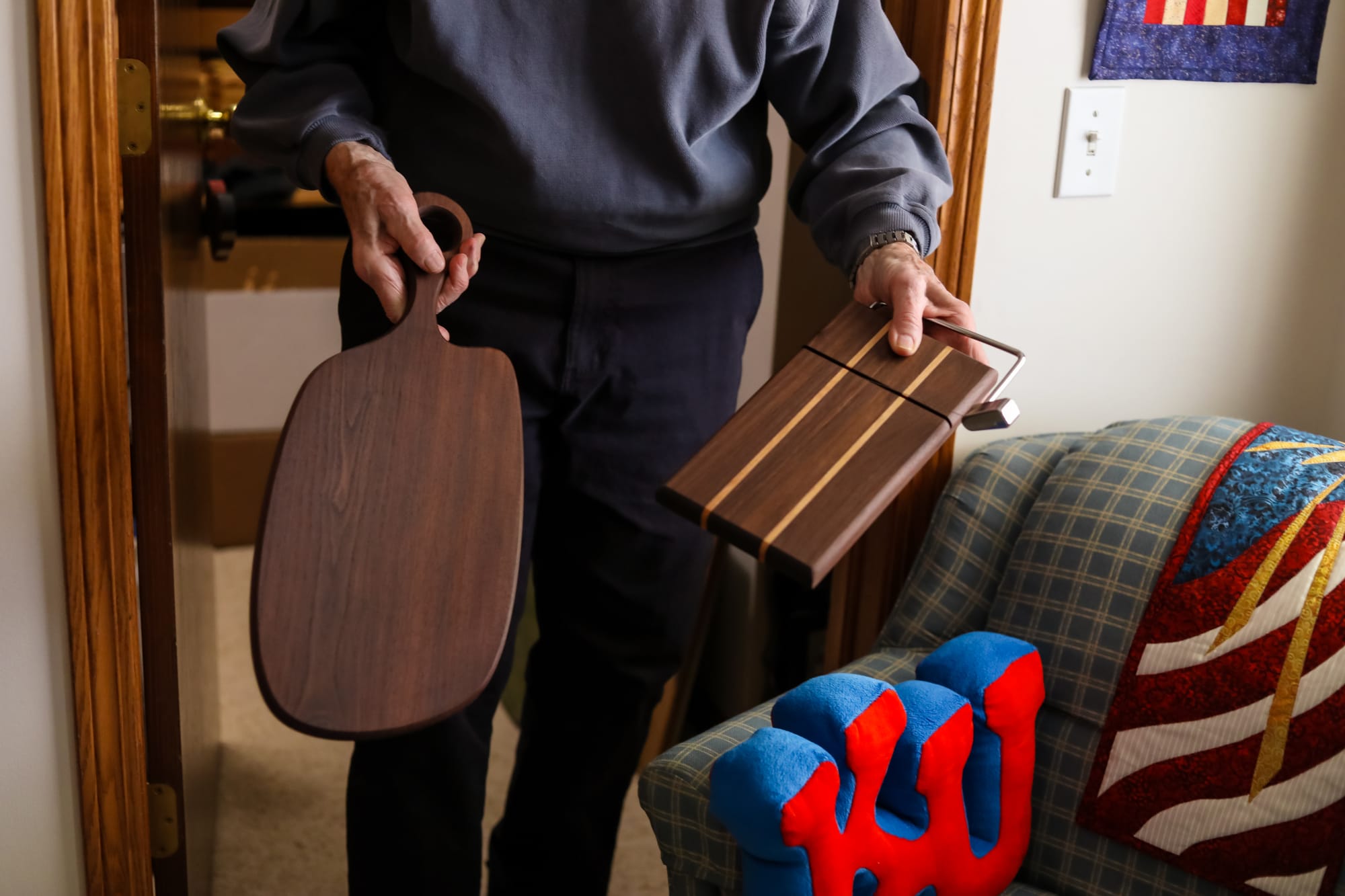
“I liked making things,” Andrews said. “(Growing up), my brother was in metal fabrication, and he had a metal workshop. I had a wood workshop, and we both were in the habit of making things. We were always working on something. Sometimes I’d carve wood, and sometimes I’d just play with piecing things together.”
I met Bill on the day my father picked up mom’s jewelry box/would-be urn. The two of us drove together, north from Wichita and into Salina. My mom’s headaches and weakness from infusions kept her from joining us. For the last month, my father and Bill collaborated over how my mother’s jewelry box would look. They picked the woods (walnut and oak), and they went back-and-forth on the quilt-pattern design on the front. The mood in the car was light, and the sun was shining north of Hesston despite having been overcast with thick fog along Highway 135. We had the wind at our back.
As we pulled up to Bill and his wife Shirley’s house, I admired its red siding and the large painted wood quilt blocks affixed to the house. My mom has been a lifelong quilter, and I know the meaning of those quilt blocks because she pointed them out to me every time we drove by one during our annual trips through small towns like Oxford, Severy and Aldin for the Central Kansas Quilt Shop Hop in early October. Quilt blocks on barns, sides of houses, banners in windows: many were markers for safe houses along the underground railroad, a patchwork of places where free-state Kansans lived.
My parents followed their own circuitous path to find Bill Andrews and his wife. They’ve only visited Karg Art a handful of times in their 70-plus years living in Wichita. Standing outside the Andrews’ red house, I sensed that we’d find comfort, warmth, and welcome. That my parents were meant to find Bill and his intricately crafted wooden boxes.
Andrews’ first projects were for his three children. “I’d make things for the kids as they were growing up, like a kitchen set with an oven, a sink, and some cabinets. My daughter still has them, and they’re still being used. Making little things for the kids turned into making other things, and I kept adding tools along to my shop so I could make better things. Because you can’t buy everything at once. That’s too expensive.”
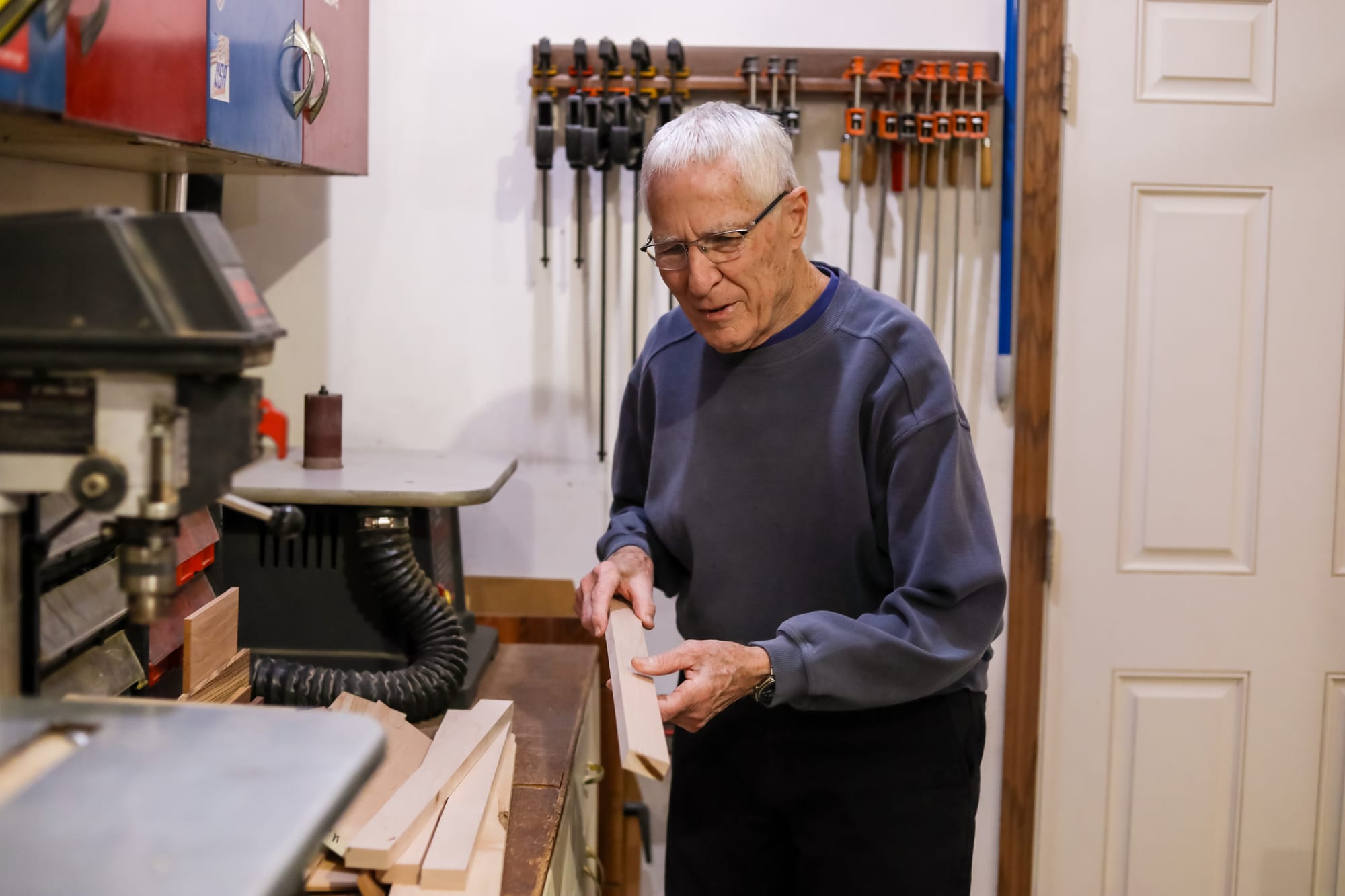
Andrews works from a stockpile of cast-off wood scraps that he picked up from a Salina business. “I’d go out to their plant, and I did a little dumpster diving for good oak, cherry, and maple. I couldn’t see good hard wood going to waste.”
While many aspects of Andrews’ craft are meticulous and exacting — much like pharmacy work — it’s also meditative. From the stockpile he salvaged from dumpsters, Andrews has crafted all sorts of items, but his specialty is boxes.
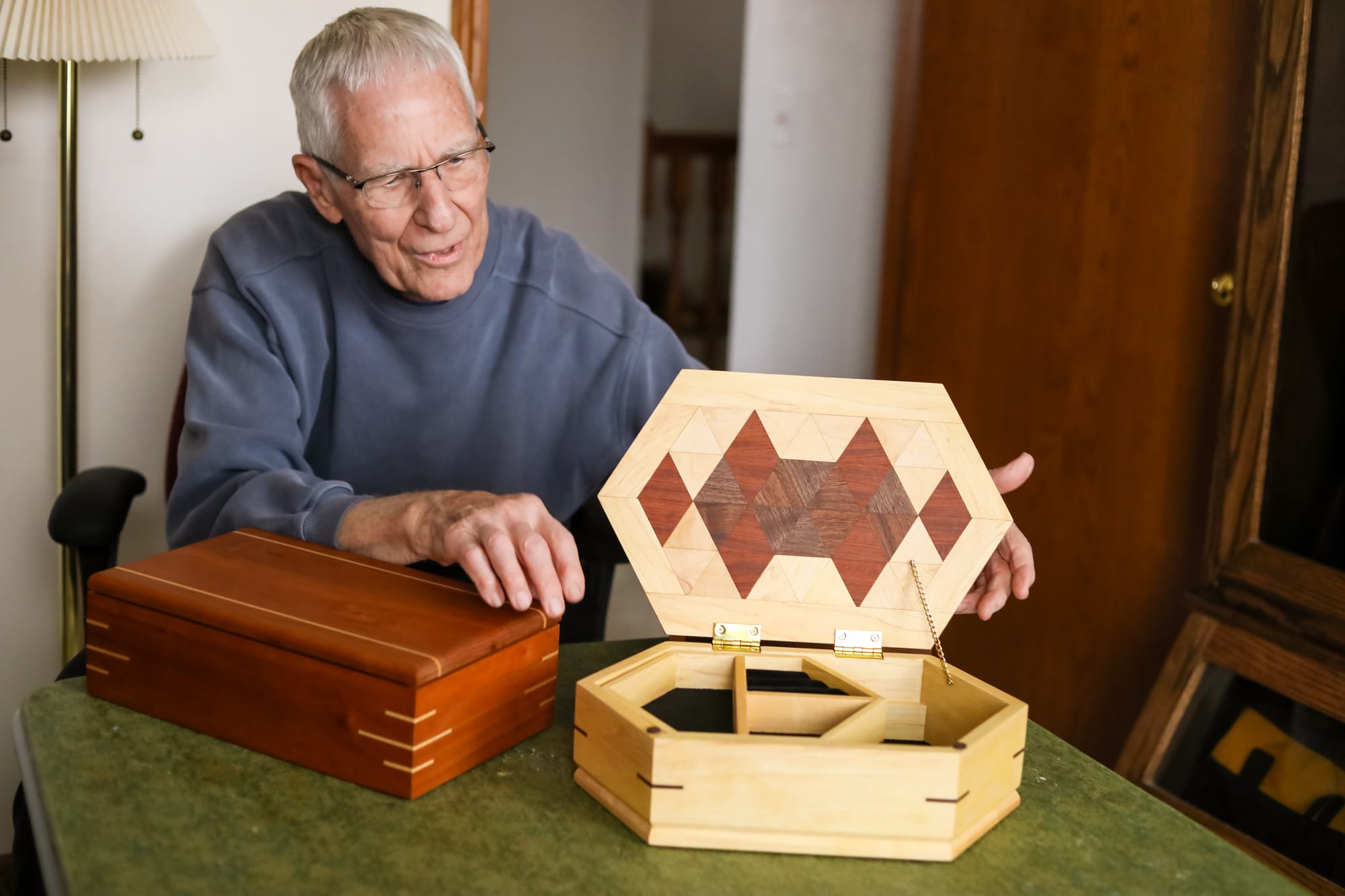
“I don’t know why I like making them so much,” he said. “I don’t know what gets my attention. It’s just my go-to thing, and I guess it can be used for many different things — like for keepsakes, and jewelry, and even for ashes.”
At his kitchen table, Andrews told me he’s slowed down a bit, but he still finds time to work on his projects every day. He keeps his materials close, in the basement of his home. He also keeps pre-cut, diamond-shaped pieces at the ready so he can play with patterns and shapes. Andrews’ wife Shirley is a quilter, and there is a clear connection between traditional quilt patterns that hang in their living room and the tops of many boxes Andrews shows us.
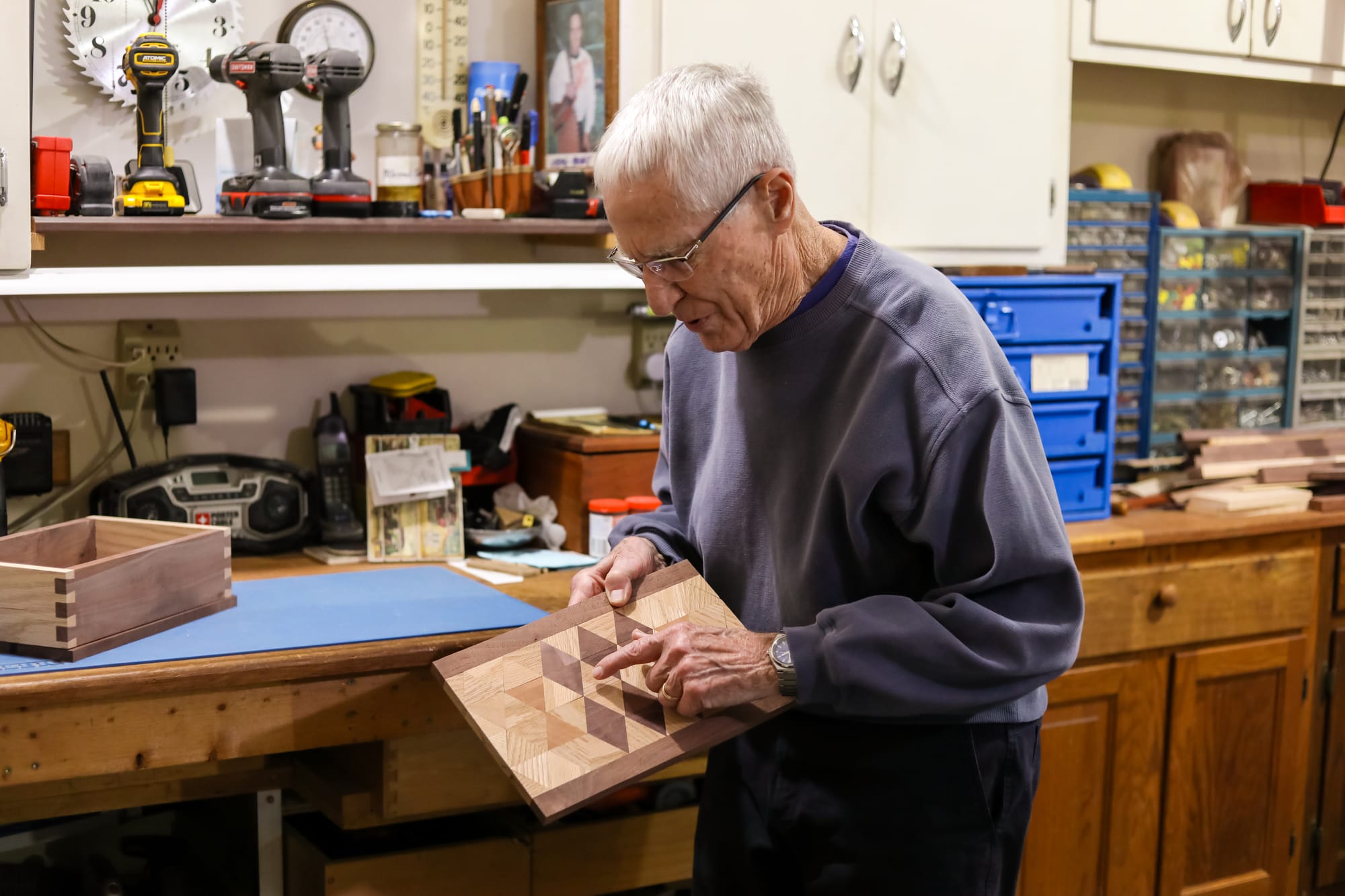
“Sometimes I’ll look at designs on woodworking sites or YouTube, but I also look to my wife Shirley’s quilts. I’ve tried using a few of her quilting patterns.”
While many of the items Andrews makes are gifts for family members, Shirley helped his boxes reach a wider audience. She’s the one who brought examples of his work to Karg Art Glass, and before that Salina flower shop that has since closed.
Andrews has kept two pieces.
“I thought I’d better get the ashes boxes for me and for my wife,” Andrews said. “I really enjoyed making the boxes, and now we know what is gonna happen when it’s our time. I made them to the size for our headstone. The boxes will just fit right in. If that’s what the kids do, anyway. Shirley and I talked about it, and we both wanted something that was natural and would last. The lids have butterflies on the top — I wood-burned the shape and details of the butterflies as part of the design.”
Andrews keeps their urns on the top shelf of his workshop, a reminder and a comfort.
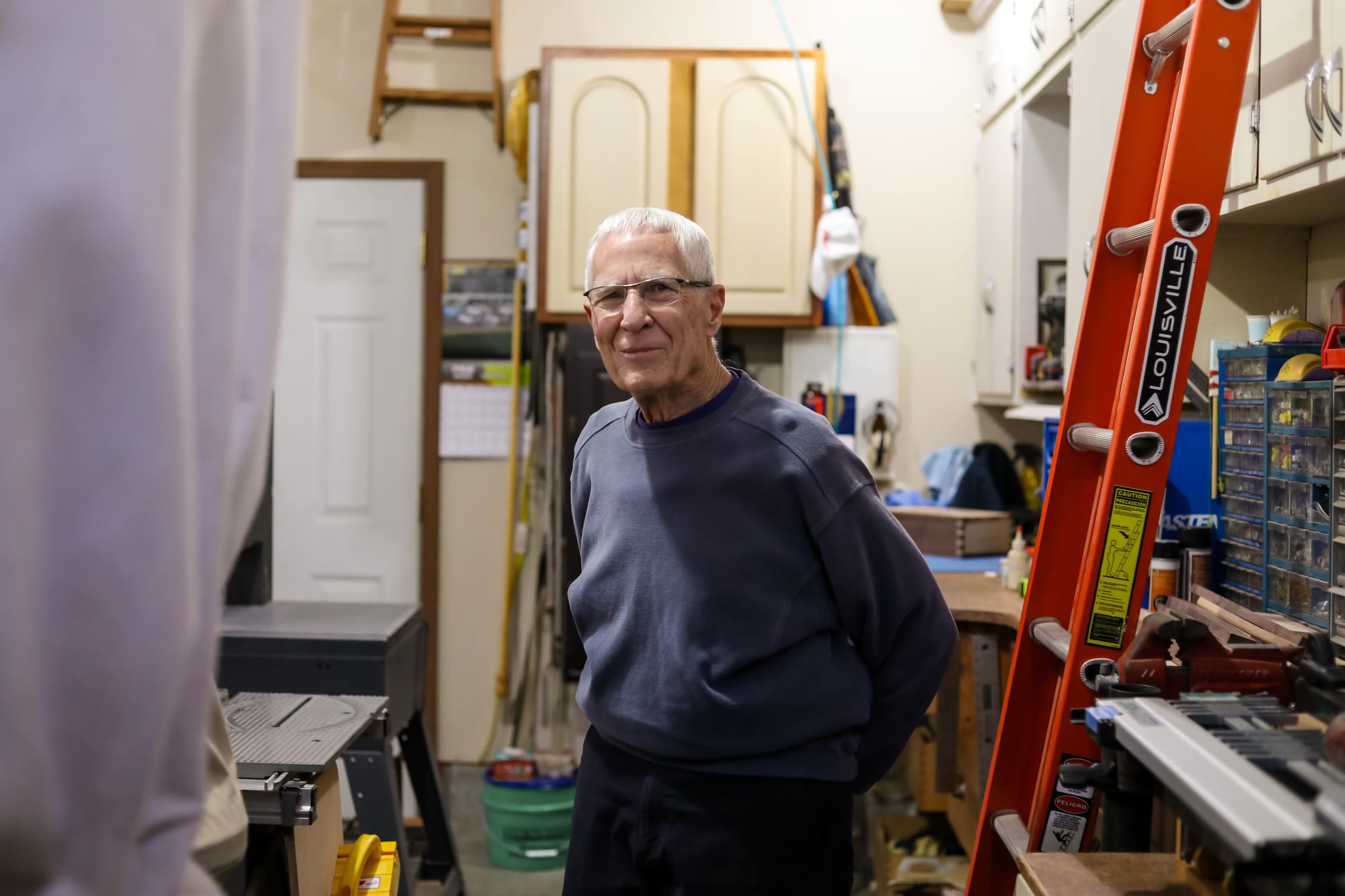
“Woodworking is forgiving in one sense: If you mess something up , you can usually fix it, even if you have to change the size of what you're doing. Pharmacy was so strict, and there was no room for error, and I needed something a little looser to relax with. … At least it’ll work as fuel if it doesn’t work as a project. I’m just sorry I don’t have a wood-burning stove in my shop. That would be great for heat and to burn my mistakes.”
When my father and I left Bill and Shirley’s house — mom’s jewelry box wrapped carefully in tissue paper — we were a bit misty-eyed at the care Bill took with the piece as well as its eventual purpose. But we also found comfort in this object made with love.
The Details
You can see some of Bill Andrews’ woodworking on display and for sale at Karg Art Glass, 111 N. Oliver Ave. in Kechi, Kansas. Their hours are 9 a.m.-5:30 p.m. Monday-Saturday and 11 a.m.-4 p.m. Sundays.
Shelly Walston is an educator, reader, writer, and collector of commemorative state plates. She's been teaching English at the high school level for more than two decades. When not grading essays, working on her novel, walking the dogs, or playing strategy games, you'll find Shelly sprawled on her couch, reading a book. More of her writing and book reviews can be found at shellywalstonwrites.com.
❋ Derby man has the kind of voice that turns heads — and chairs
❋ Socializing while sober: how some Wichitans are cultivating alcohol-free communities
❋ As a small creative business closes, the owner mourns
❋ Painting through it: Autumn Noire on 20 years of making art
❋ How a guy from Wichita resurrected 'Dawn of the Dead'
❋ Bygone Friends University museum housed curious collections
Support Kansas arts writing
The SHOUT is a Wichita-based independent newsroom focused on artists living and working in Kansas. We're partly supported by the generosity of our readers, and every dollar we receive goes directly into the pocket of a contributing writer, editor, or photographer. Click here to support our work with a tax-deductible donation.