‘A Continuous Joy’: Charles McAfee's lifetime of architecture and activism in Kansas
At age 94, the pioneering Black architect still hasn’t given up on Wichita.
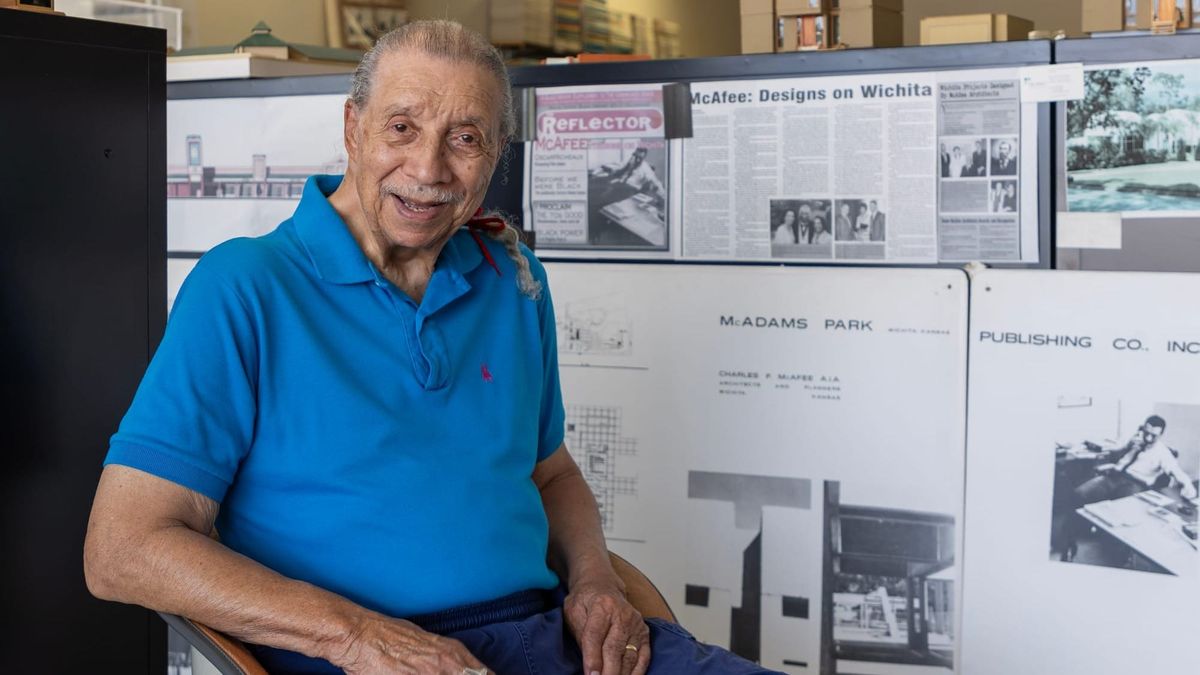
In the summer of 1958, a young Black man from Wichita, Kansas, named Charles McAfee walked into the Los Angeles office of celebrated African American architect Paul Revere Williams. Williams, who was the first Black member of the American Institute of Architects, had become the go-to architect for Hollywood’s elite while also designing public housing projects for the city. In many ways, he represented what a young McAfee aspired to be.
But when Williams offered McAfee a job, the young architect turned it down. He wasn’t ready to trade Kansas for California, even if life in Los Angeles might be considerably easier than in Wichita, where attitudes toward people of color were still shaped by Jim Crow laws and the city’s proximity to the South.
Partly, it was stubbornness; a family friend had told McAfee that no architecture firm in Wichita would hire a Black man. But it was also a keen sense of history. Four generations of McAfees had called Wichita home, and it was this lineage that persuaded the young architect that he shouldn’t abandon his hometown. He recalls thinking of his grandfather and great-grandfather, “When you think about what the hell they went through, I ain’t having no problem like they did.”
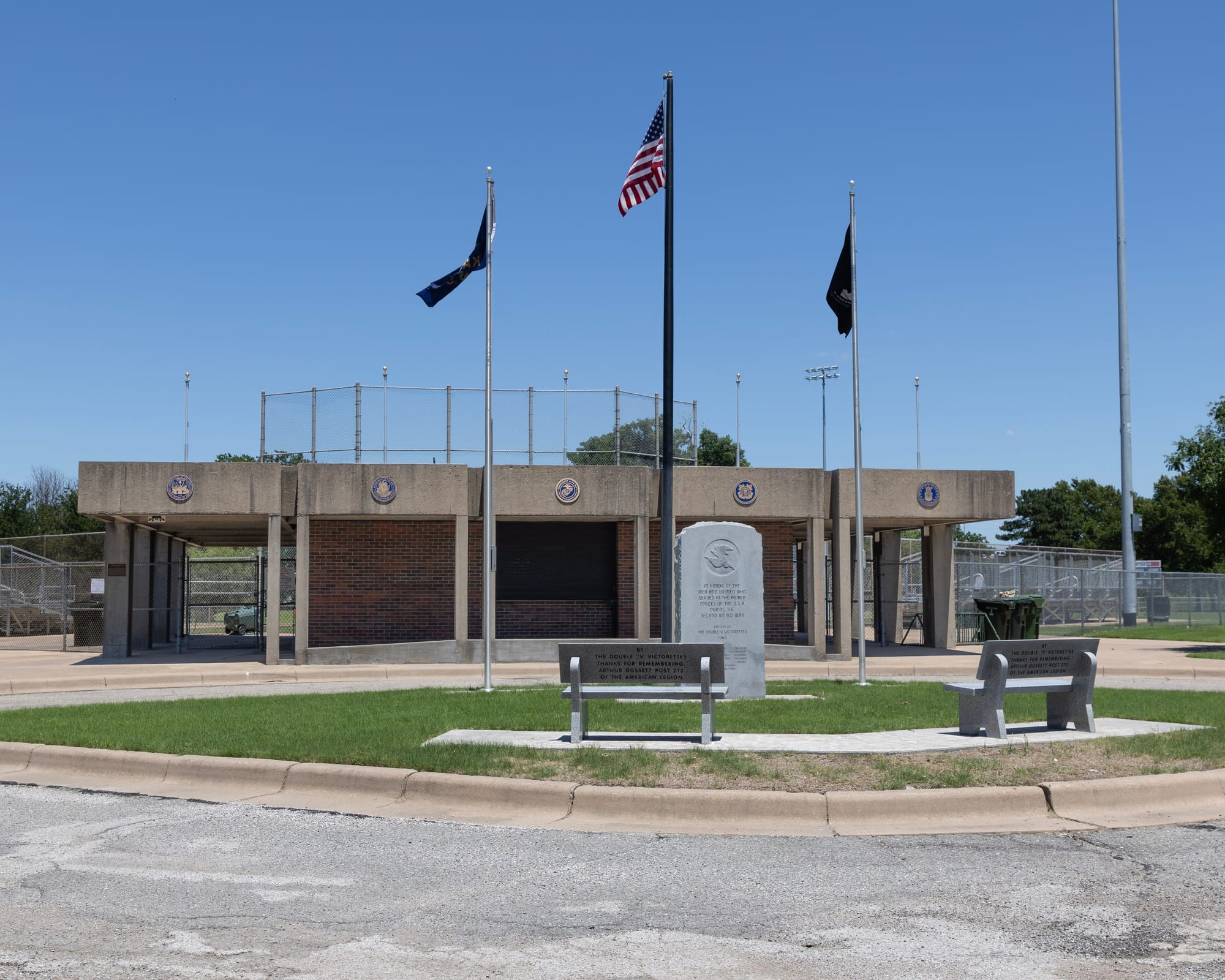
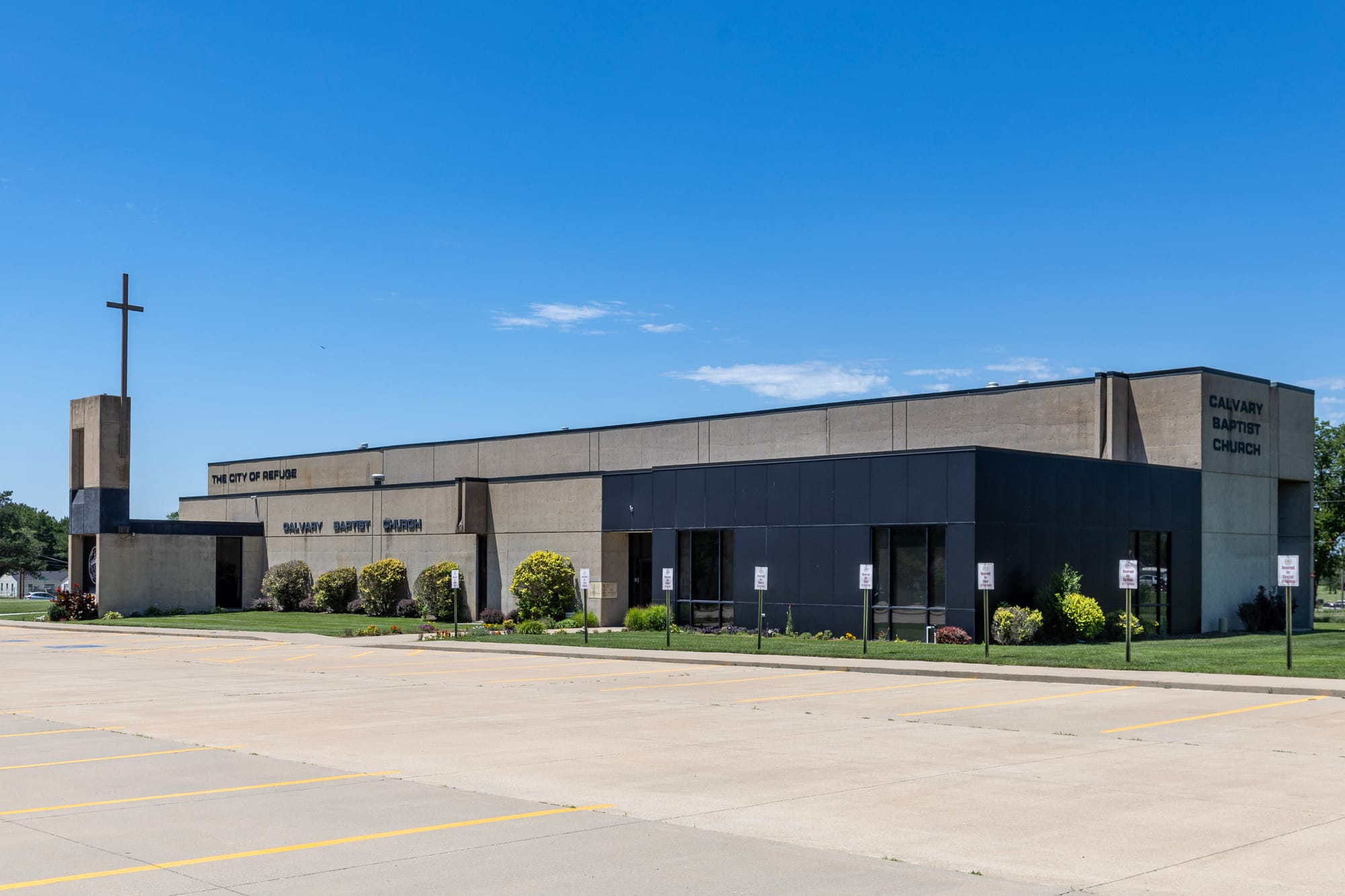
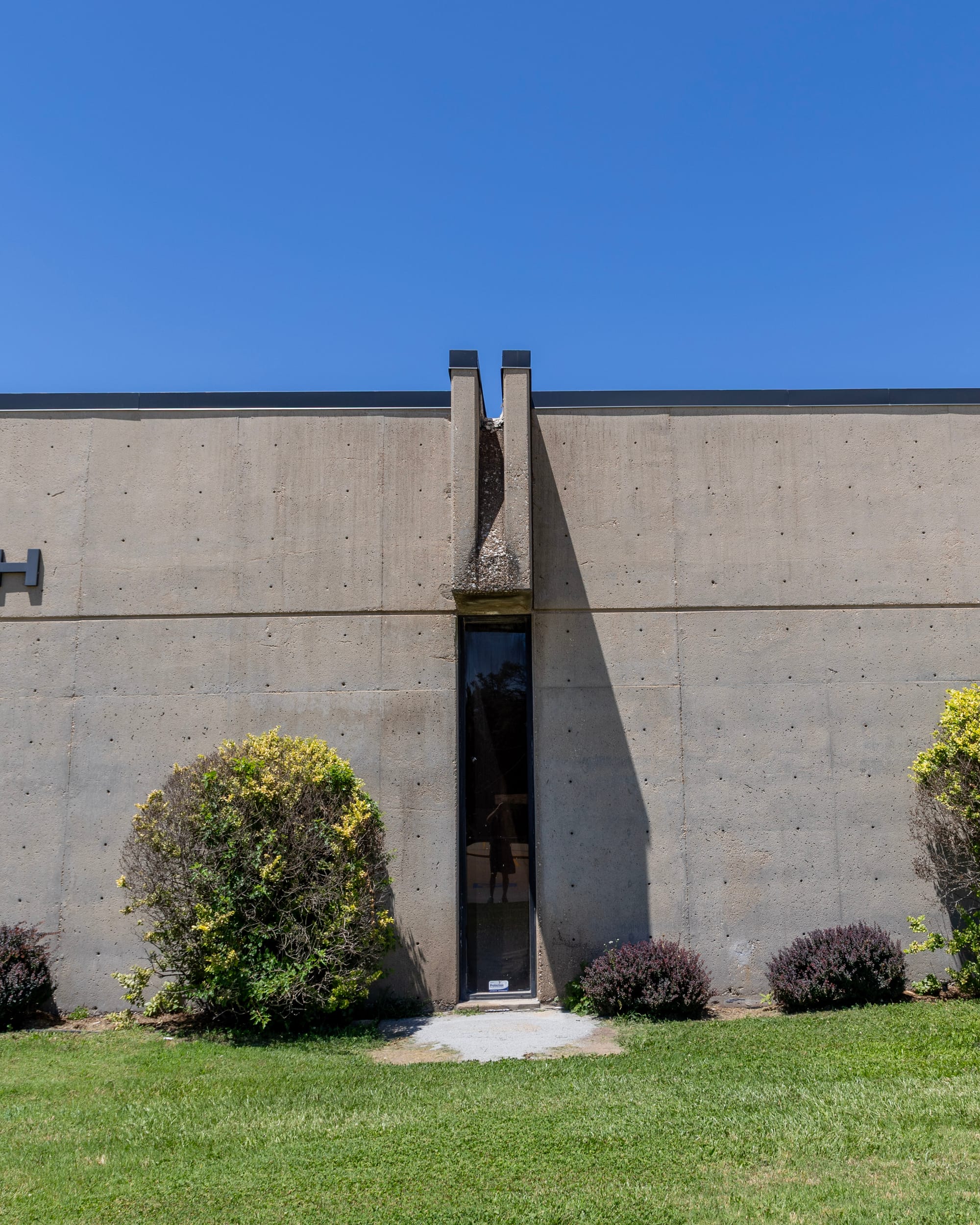
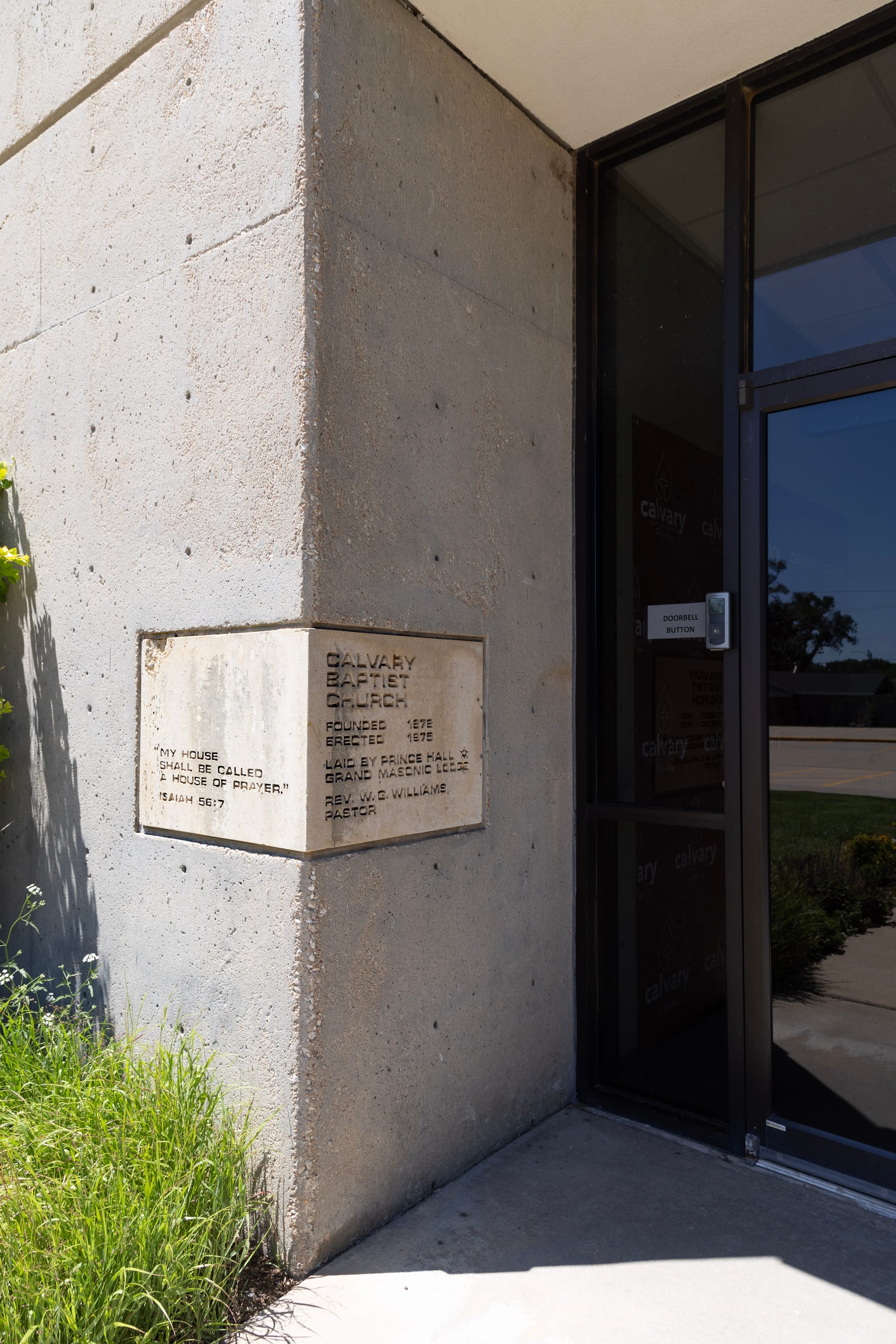
Two of McAfee's Wichita projects: Bob Thurman Field and Calvary Baptist Church. (Kendra Cremin/The SHOUT)
McAfee also saw opportunity. He believed in architecture’s potential to shape not just physical space but social attitudes, and he recognized its ability to help uplift his community.
“He saw where he could help,” says Charyl McAfee-Duncan, McAfee’s youngest daughter, who followed her father and her older sister, Cheryl, into architecture and, eventually, the family firm. Even after he began to land commissions across the country, McAfee-Duncan says her father always came back to the city, “to try to move Wichita forward.”
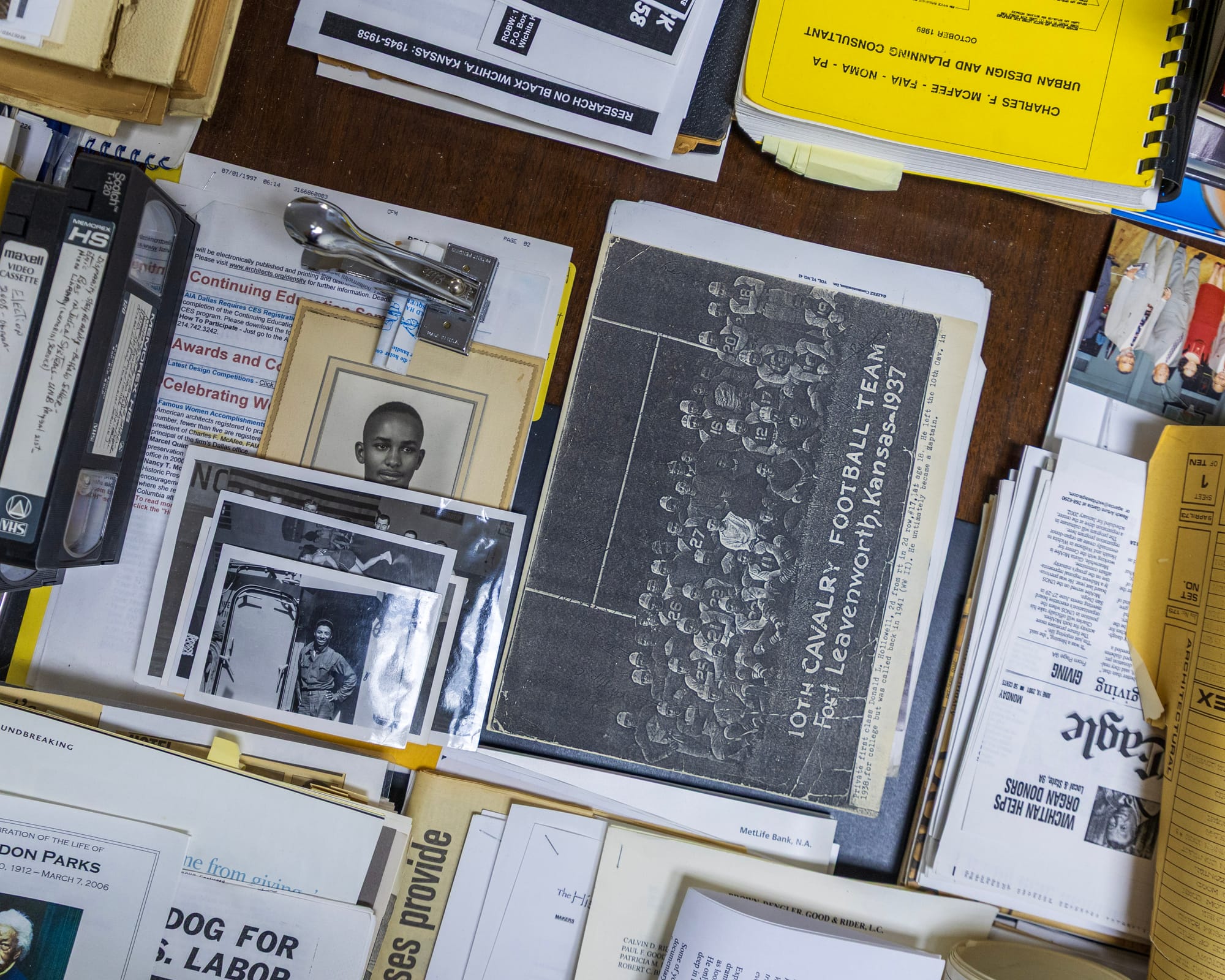
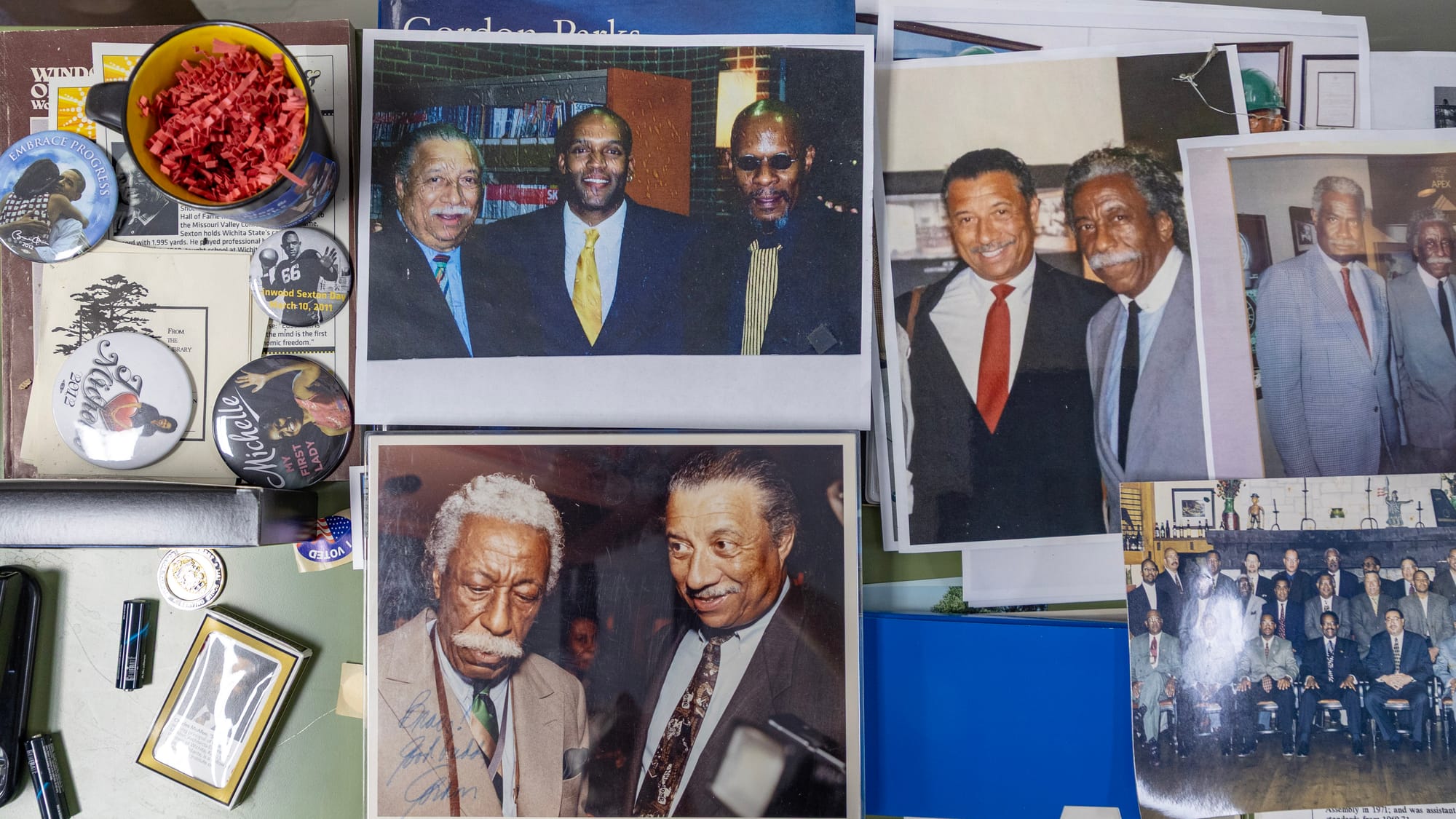
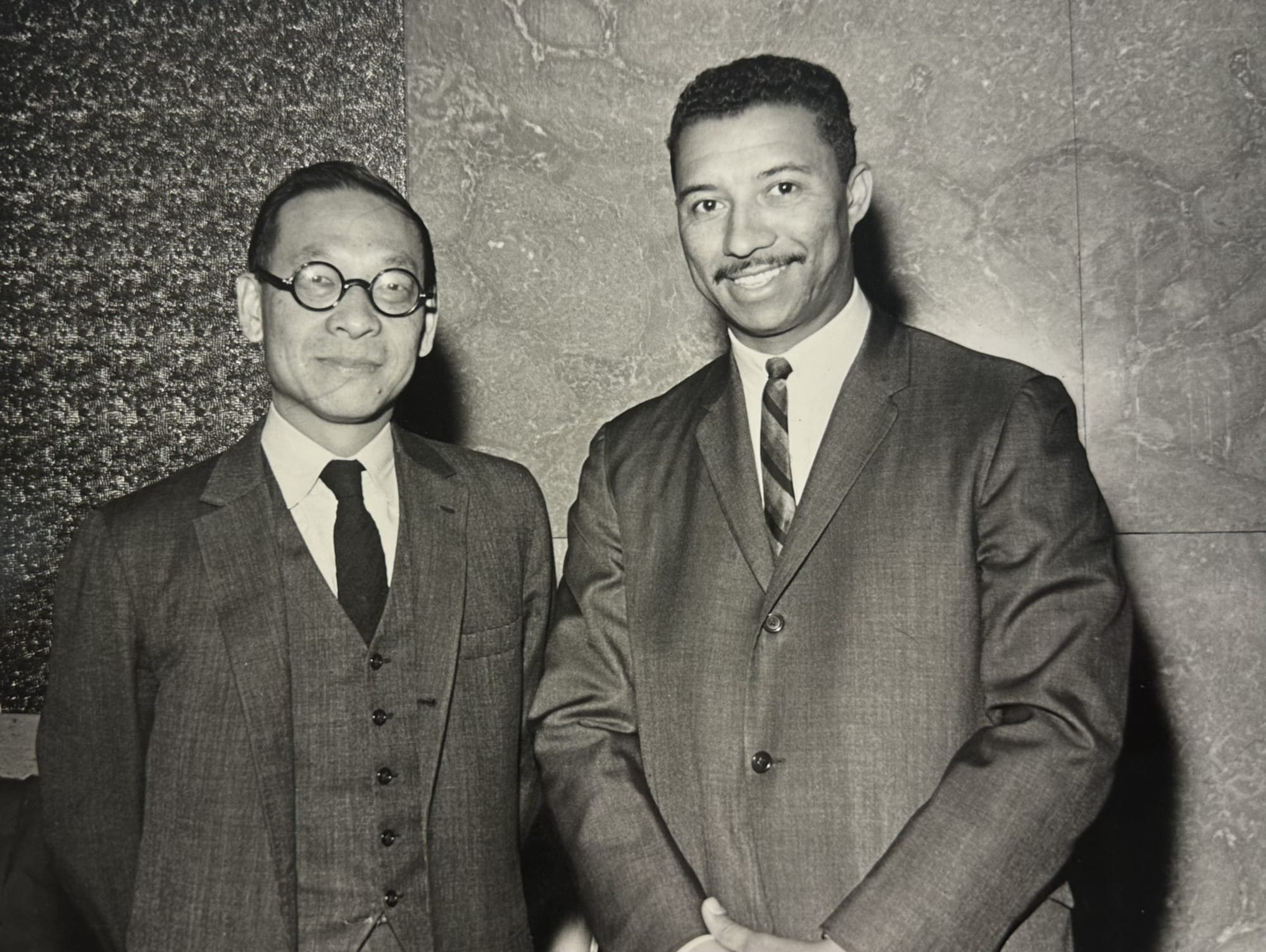
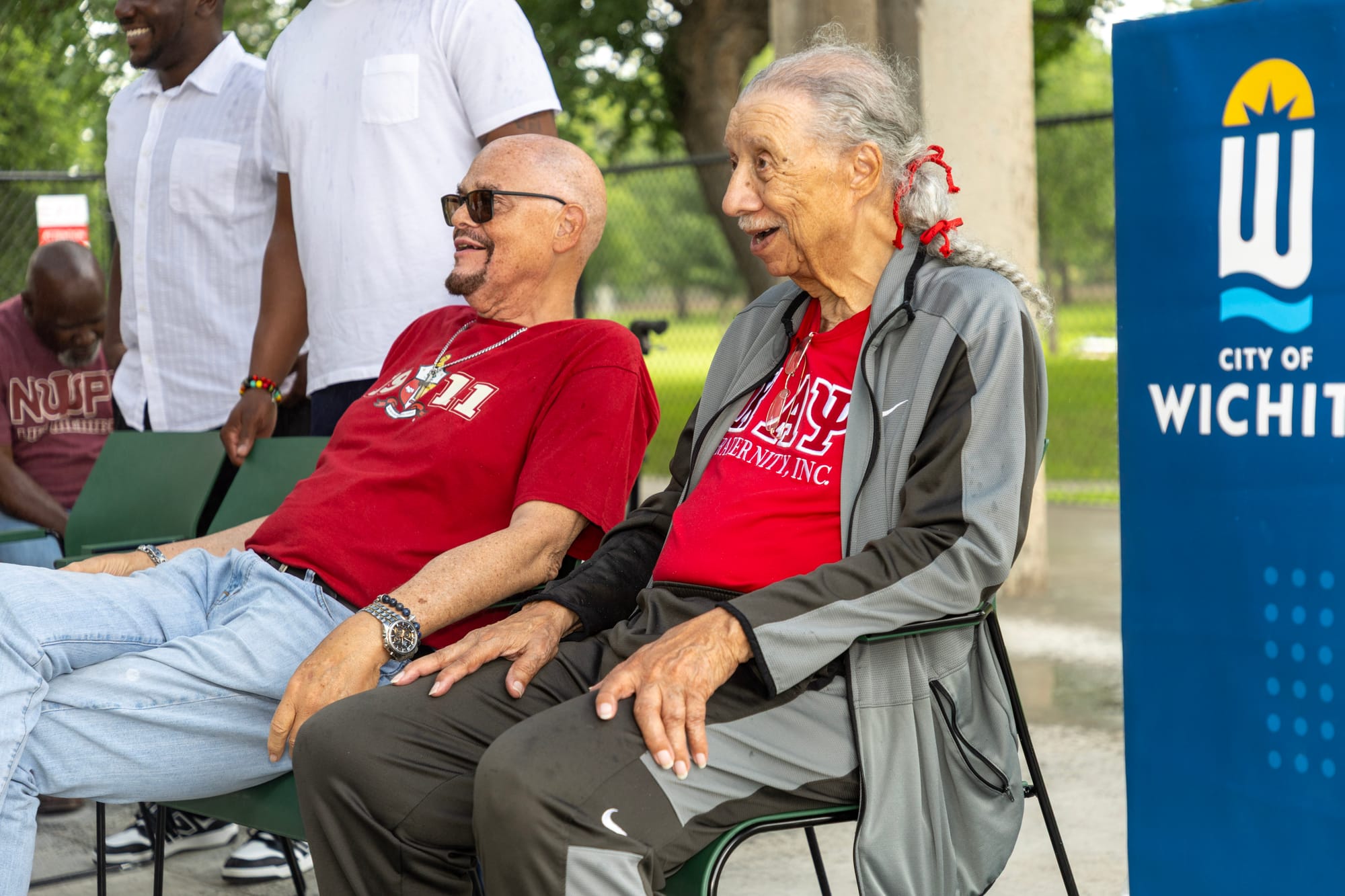
Nearly 70 years later, McAfee still calls Wichita home. At 94 years old, he moves with the help of a walker, but his mind is sharp. He speaks animatedly about his friendship with the photographer Gordon Parks, about the European basketball and tennis tournaments he played in while in the Army, about the time when, at age 29, he met the renowned architect I.M. Pei. He maintains an office on East 21st Street and is at work on a book about his life and career. One gets the sense that he does not like to sit still.
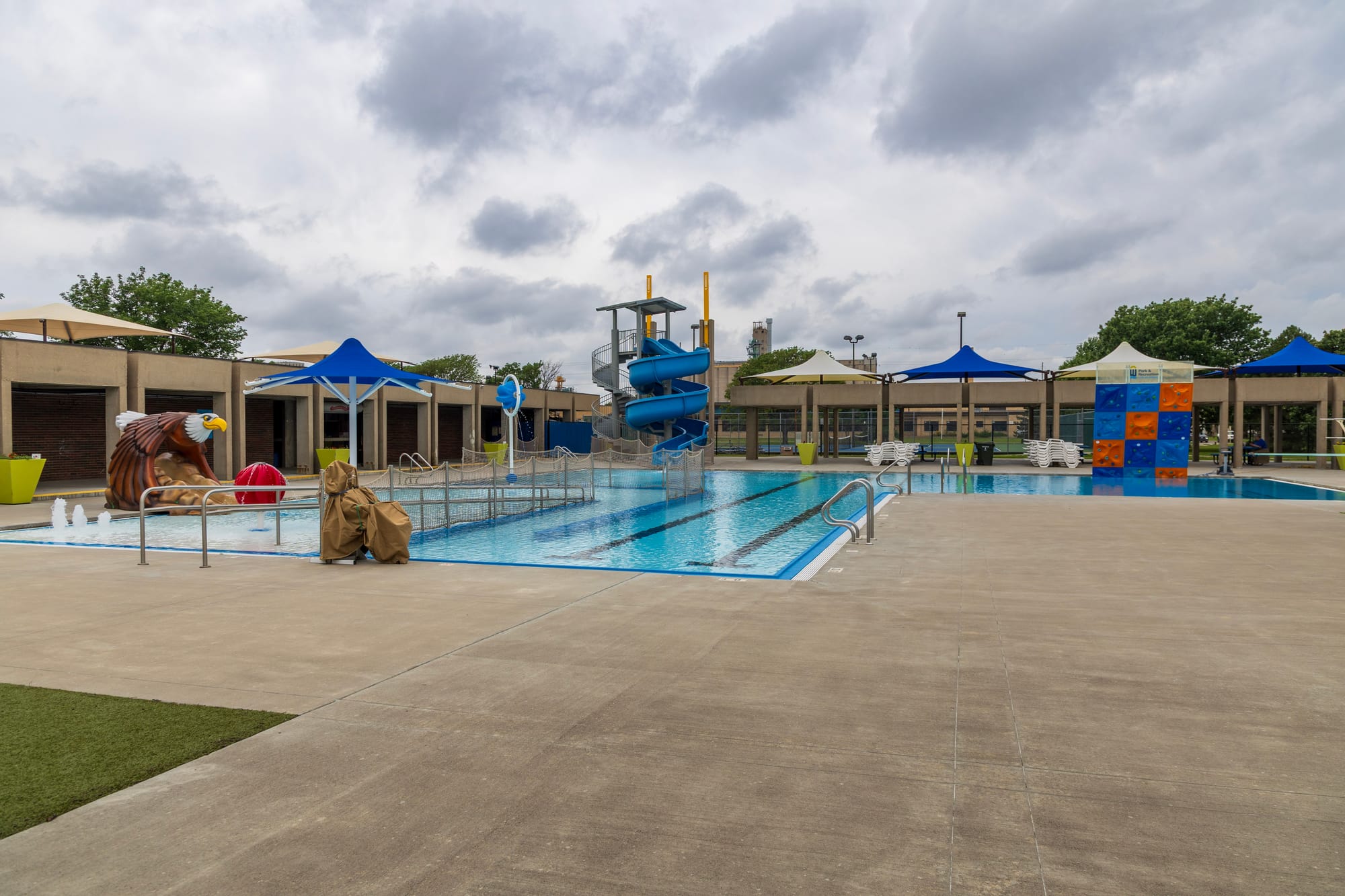
Groundbreaking at the time but somewhat overlooked in recent history, McAfee’s work has received newfound appreciation over the past several years, both locally and nationally. The recognition has come in part from the threat of demolition — a pool house McAfee designed in 1969 was successfully saved — but also from efforts like the Getty Foundation’s Conserving Black Modernism initiative, a partnership with the National Trust for Historic Preservation’s African American Cultural Heritage Action Fund, which has put a spotlight on the work of Black architects across the country.
At a time when the country is once again characterized by deep social and racial divisions, McAfee’s career is instructive. As an architect, he was deeply influenced by social movements and recognized the necessity of community organizing. He understood that political action was inseparable from the work of social progress.
“(McAfee’s) work reflected the history, resilience, and aspirations of the people he served,” says Erica Smith Goetz, co-director of the African American Cultural Heritage Action Fund. “His legacy is not only measured by the structures he created, but by the opportunities he created with those spaces.”
As McAfee puts it, “I wasn’t an architect. I was an activist.”
Charles McAfee was born on Christmas Day in 1932 in Los Angeles. He spent his childhood in the McAdams neighborhood in northeast Wichita and attended the then-segregated L’Ouverture School, where in 7th grade he took his first drafting class. Val Brown, Jr., a Wichita physician and longtime friend of the McAfee family, says the young McAfee grew up drawing nonstop. “Charlie was designing homes in high school,” he says. “I don't think he got paid, but he was just drawing, designing homes.”
After high school, McAfee attended the University of Nebraska-Lincoln. During his third year, he was drafted into the Army, which sent him to Germany. “There were only two things good about that,” McAfee says. One, McAfee was able to see firsthand much of the European architecture he had studied in his first two years of school. Two, as a Black man, he could play sports that he was barred from in certain parts of the U.S. “I played basketball and tennis all over Rome, London, Paris, every place,” he says. “I made the European All-Star basketball team.”
Upon returning to the States and graduating with a degree in architecture, McAfee turned down job offers on both coasts to begin his career in Wichita. He bounced between several local firms. At each one, he found he was prohibited from attending client meetings because of the color of his skin. He went to his father to tell him he was rethinking his decision, that he was considering leaving Kansas after all.
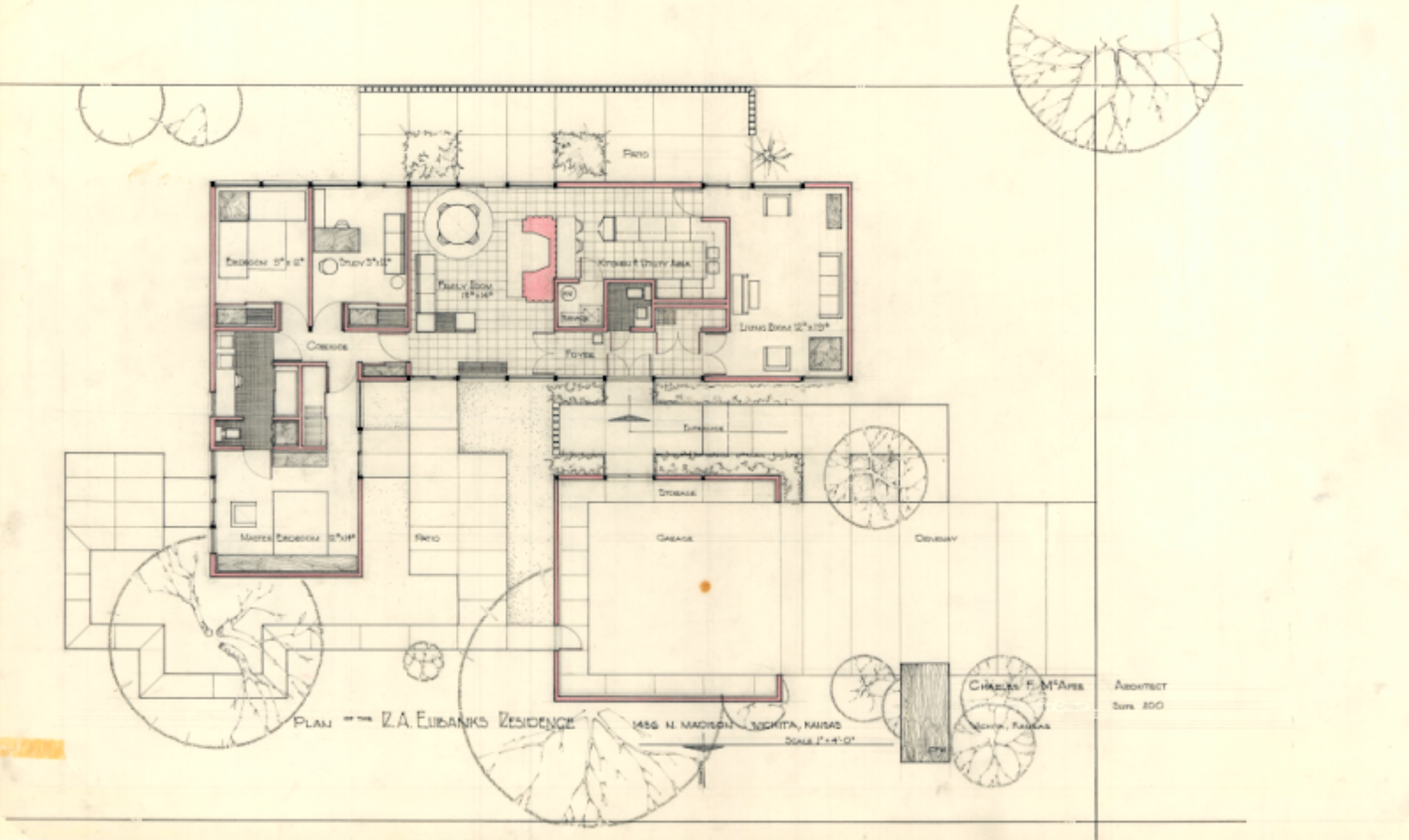
“He looked at me straight in the face and says, ‘Why are you not happy?’” McAfee recalls. “I said, ‘Daddy, I want to put my name on the door.’ My father said, ‘Let’s do it.’” With his father’s help, McAfee rented the upper floor of a two-story building in downtown Wichita and opened the firm that would become McAfee Architects, Engineers, and Planners.
He had just one client, a couple, Roscoe and Sara Eubanks, friends of the McAfee family, who commissioned McAfee to design their “contemporary dream home.” Sited on a small, urban lot, McAfee used a solid wall along the street to provide privacy and a series of glass sliding doors and outdoor patios on the other three sides to create a spacious, light-filled interior. Clad almost entirely in vertical cedar siding, the house and garage appear from the street as two simple brown boxes.
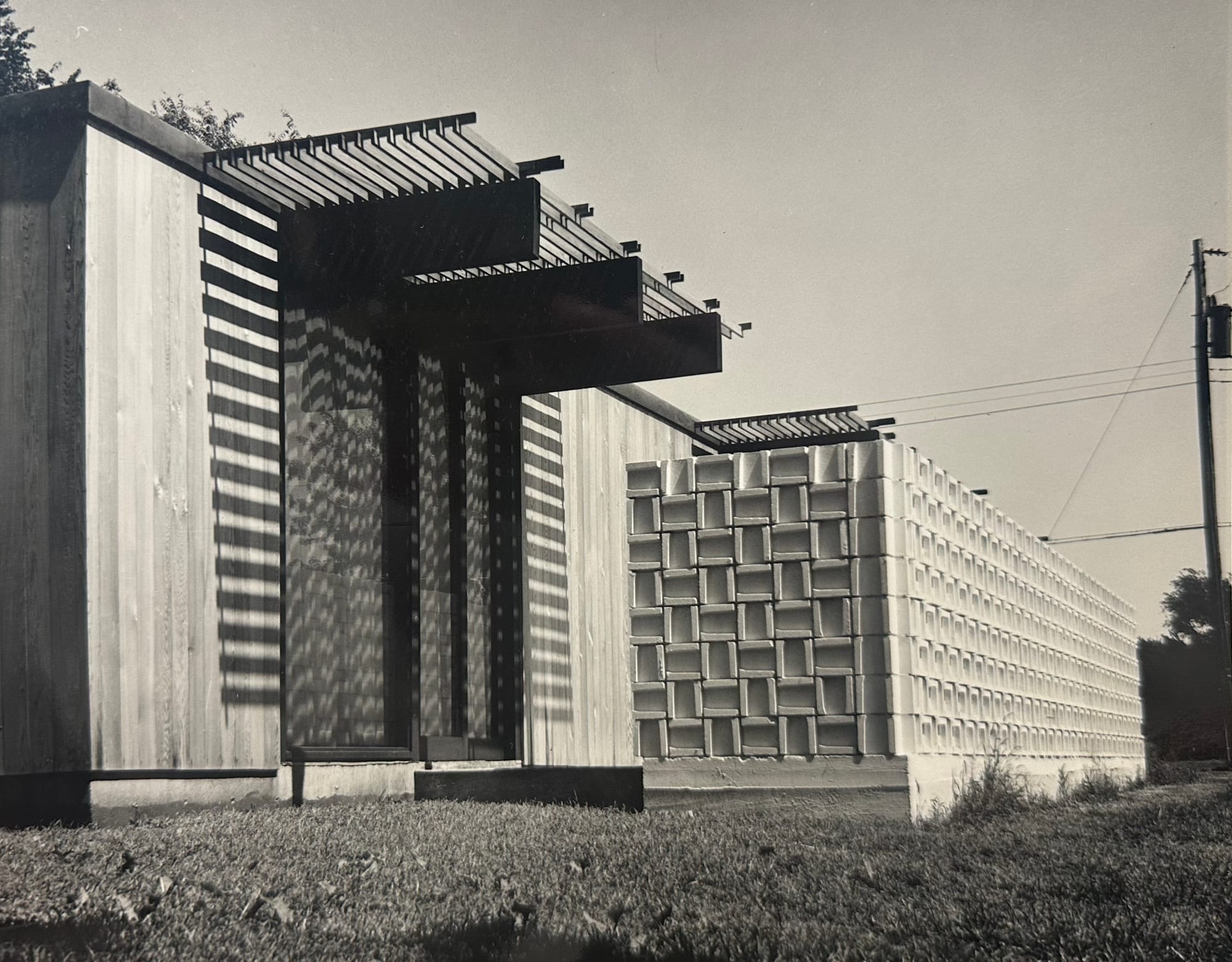
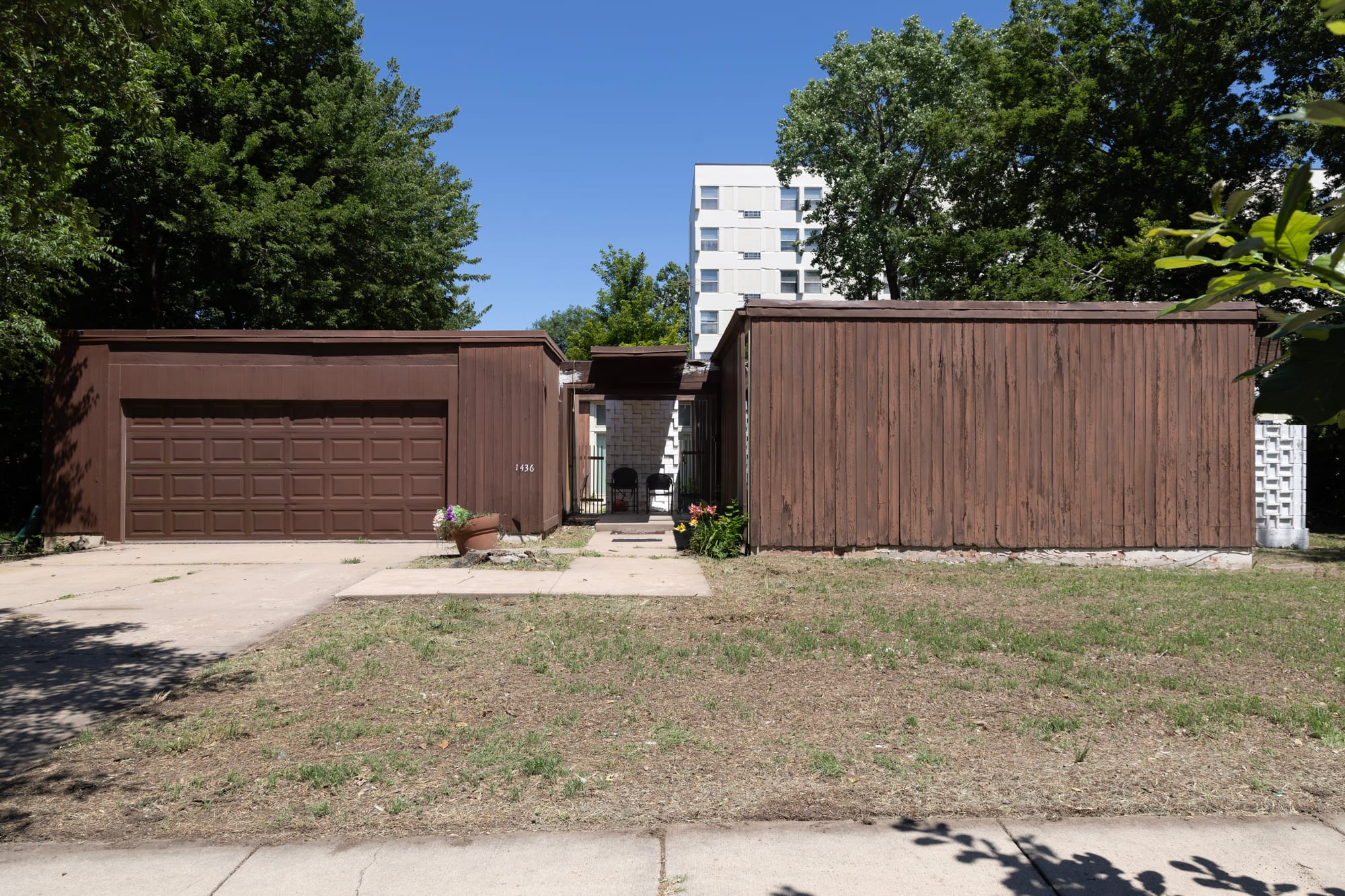
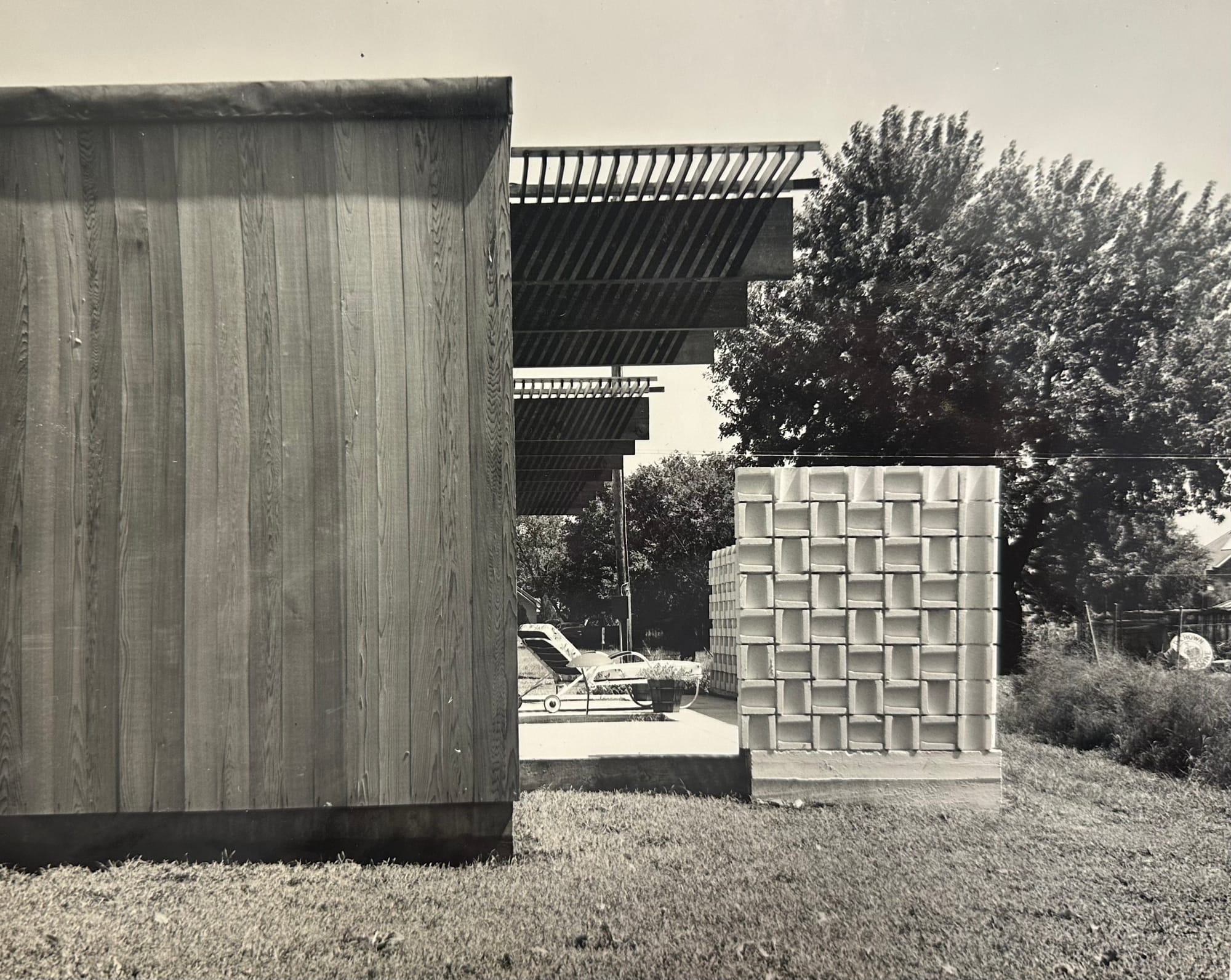
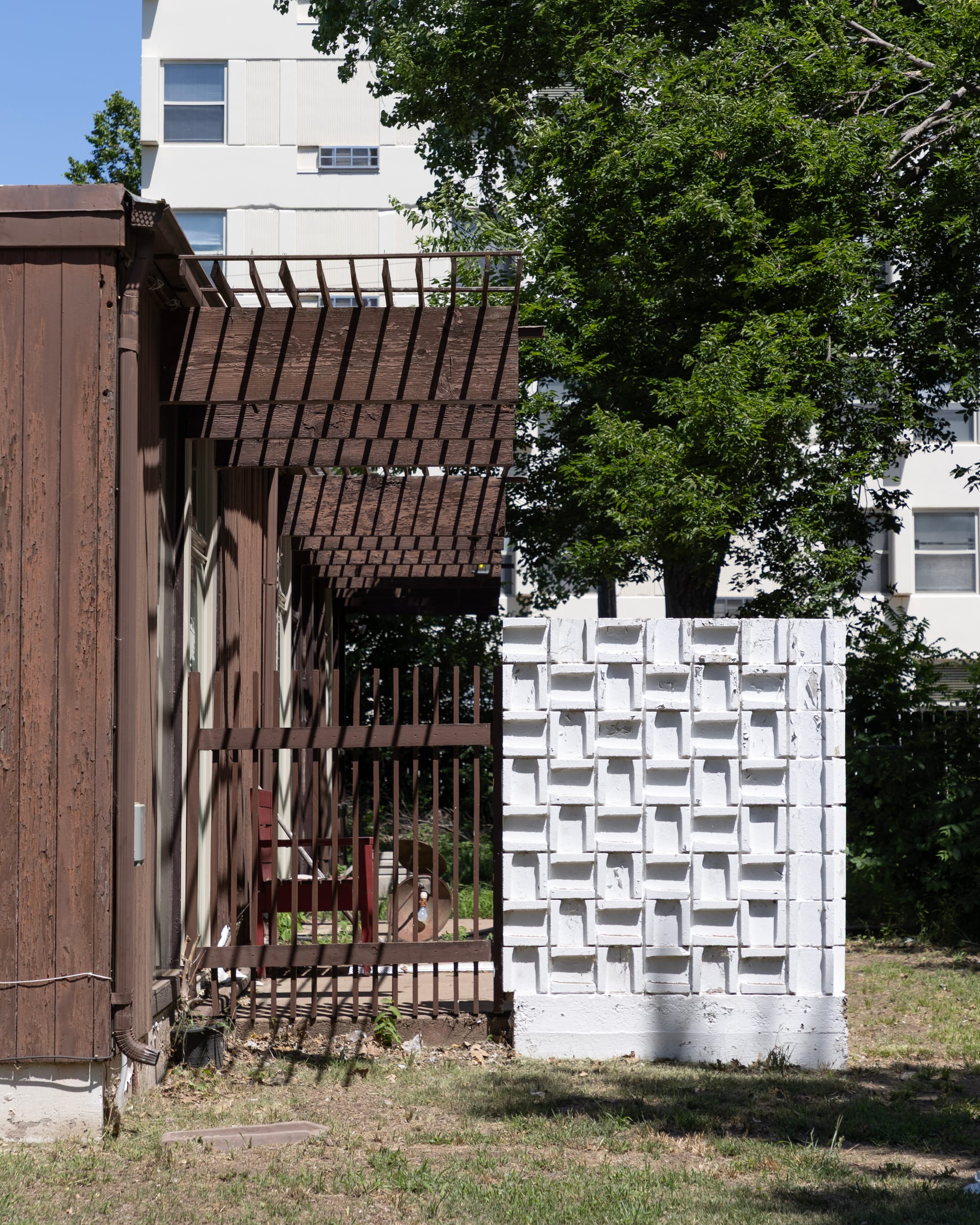
Archival and current views of the Eubanks Residence. (McAfee3/Courtesy and Kendra Cremin/The SHOUT)
The design was not only decidedly modern but innovative — at least, so thought a 19-member jury convened by the federal Housing and Home Finance Agency, which selected the Eubanks Residence, alongside works by the likes of I.M. Pei, as one of 86 winners in a national housing design competition. “In about three months, I had projects from Maine to Texas,” McAfee says. He was 29 years old.
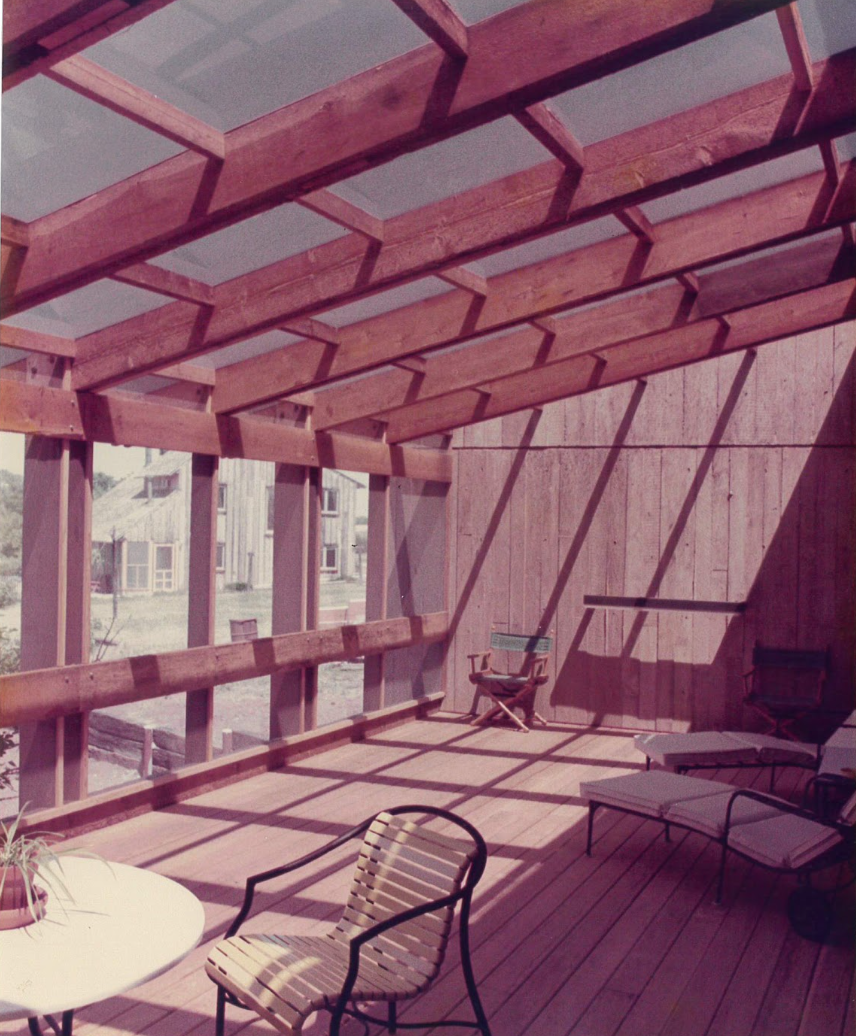
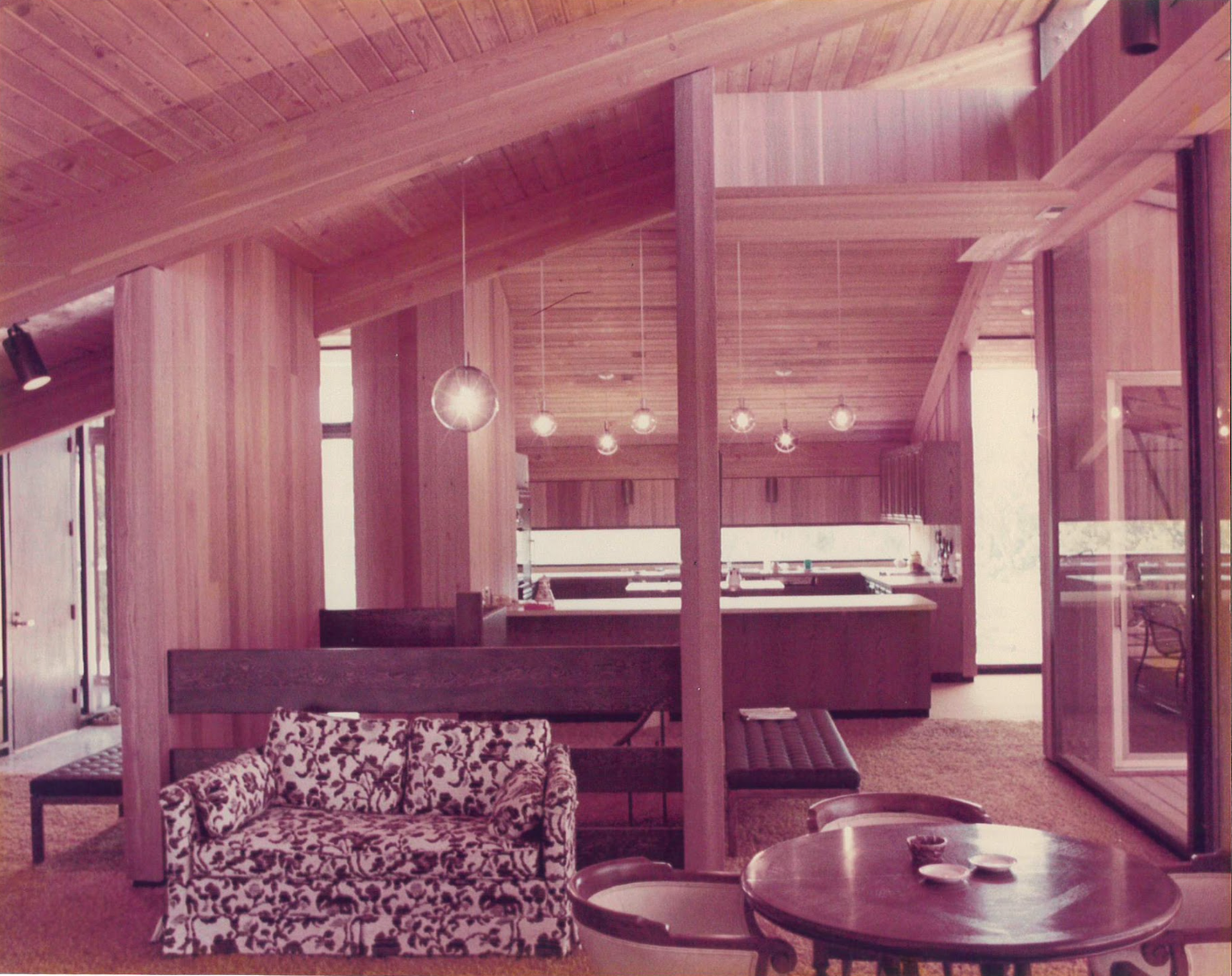
The Brown House was a McAfee project conceived around family, landscape, and the Kansas environment. The site contained six other family structures built over generations, so McAfee approached the house as a place where children, grandchildren, relatives, and friends could gather. (McAfee3/Courtesy)
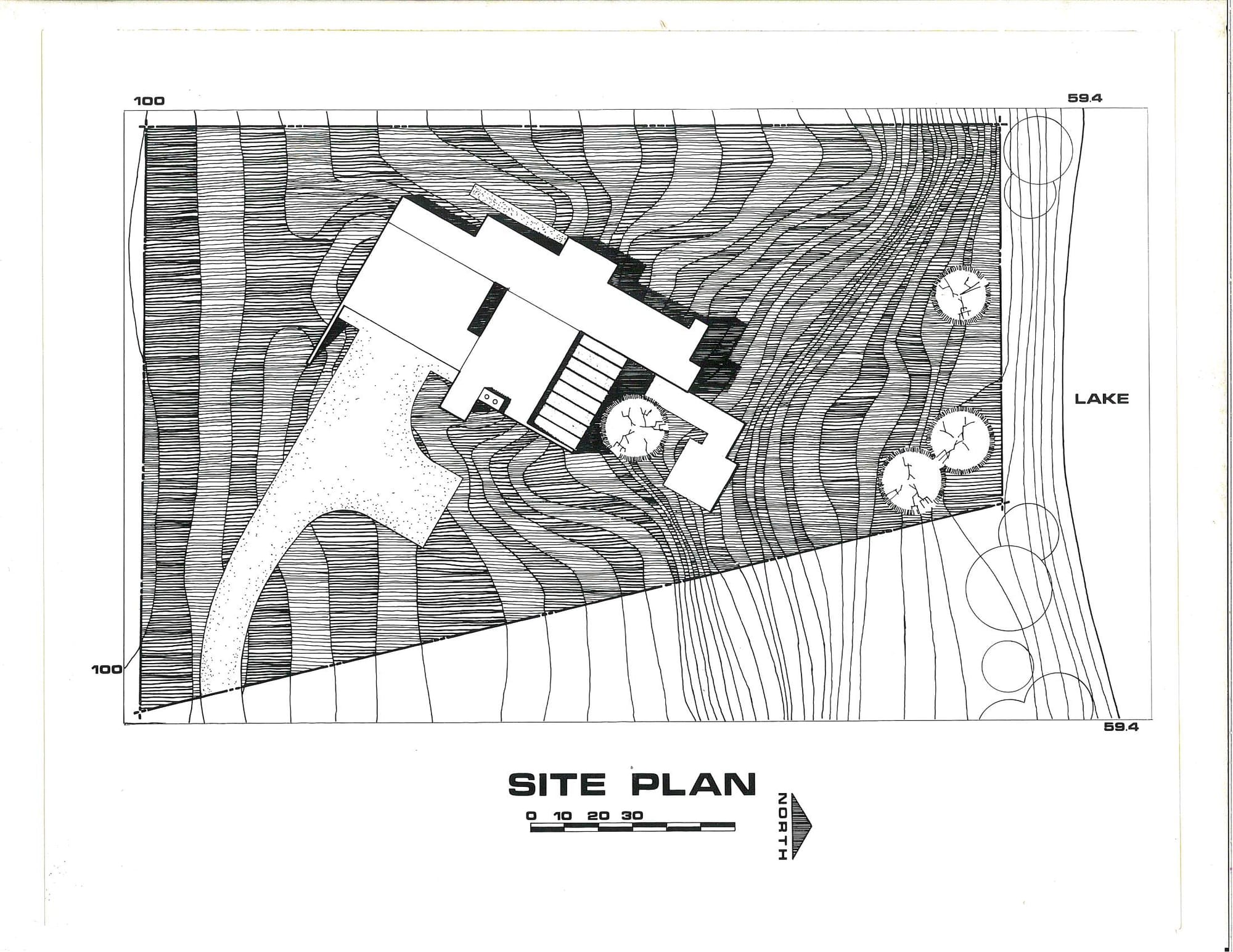
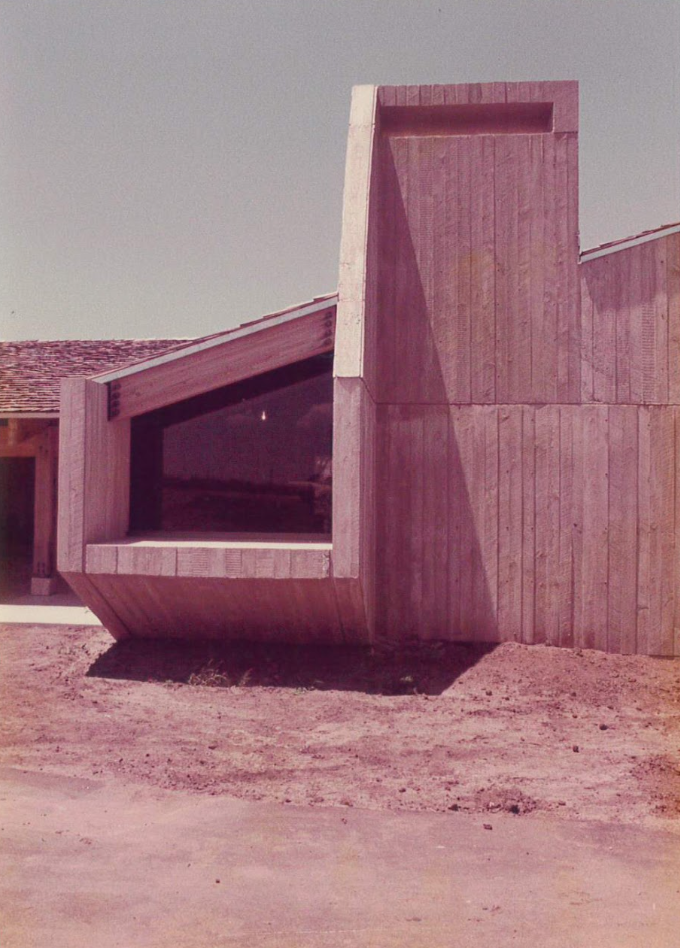
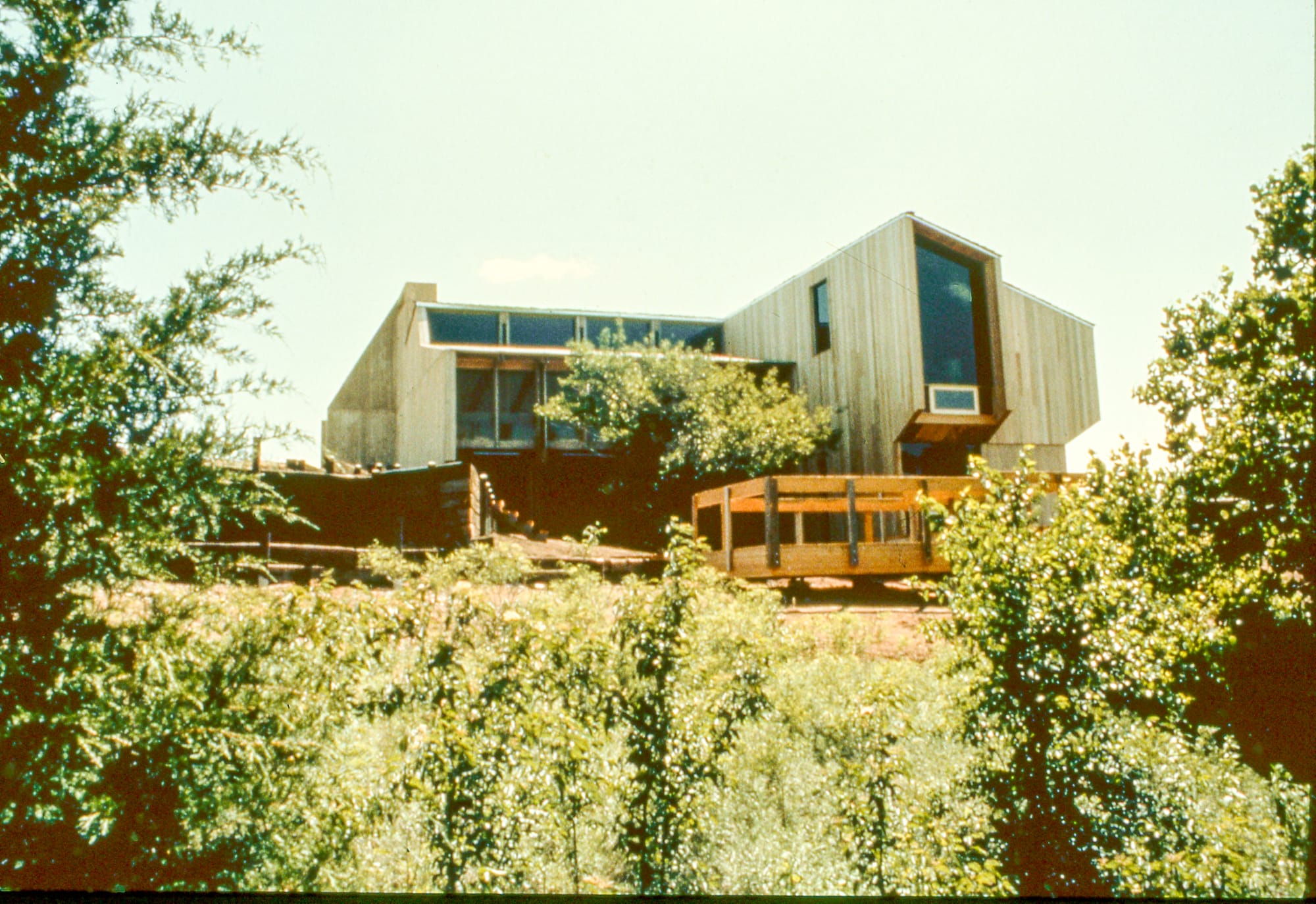
The Brown House takes advantage of views toward a lake, cottonwood and elm trees, wheat fields and the Kansas sky. (McAfee3/Courtesy)
Even as McAfee’s individual star was rising, his community was struggling. Like other cities across the country, Wichita was experiencing the disastrous effects of white flight. As areas of the city suffered disinvestment, a policy of urban renewal became its answer. Huge sections of the city were razed to make way for civic projects and new highway infrastructure. In McAdams, dozens of homes were bulldozed to make way for Interstate 135, aka the Canal Route.
“When they decided to build the highway, they ran it straight through the Black neighborhood,” McAfee-Duncan says.
Among the Canal Route’s casualties was McKinley Park, historically one of the few public green spaces Black people were permitted to use. In addition to altering the size and layout of the park, the city planned to demolish the swimming pool. “The swimming pool was the only place that black kids could swim,” says Brown Jr., the physician.
As construction of I-135 got underway, McAfee saw an opportunity to play an active role in the future of the park. From the beginning, McAfee balanced the demands of his practice with the kinds of organizing that he saw as critical to achieving lasting change. He ran political campaigns for people like A. Price Woodard, who would become Wichita’s first Black mayor, and he frequently spoke out on racial issues.
In the mid-1960s, as the use of racial covenants in property deeds came under scrutiny, McAfee testified in front of the Wichita city commission that it was their duty to be the city’s “conscience” and pass a “just and moral” fair housing law. “You’ve got to have the guts to do it,” he said in 1966. “You have to tell the young people here that they will have an opportunity.”
McAfee-Duncan says her father has always been “a fighter.” “He was rough, he was tough, and he could cuss,” she says. When public life followed him home, and his daughters caught him on the local news, they knew it meant, Uh oh, Daddy’s mad. McAfee-Duncan says. But there was another side to their father, too. The architecture firm was a family affair, as were its successes. His daughters knew when “Daddy” won an award; their mother, Gloria, would buy them dresses for the occasion. McAfee remembers the excitement surrounding those moments: “It was what the occasion created,” he says.
As McAfee’s practice grew, he began to take on projects of greater scale and visibility. His clients included prominent Black businesses, such as Jackson Mortuary on East 13th Street, as well as major civic institutions. He designed the Wichita Eagle-Beacon building on Douglas Avenue downtown and McKnight Art Center on the Wichita State University campus, expanding a portfolio that was increasingly visible across the city.
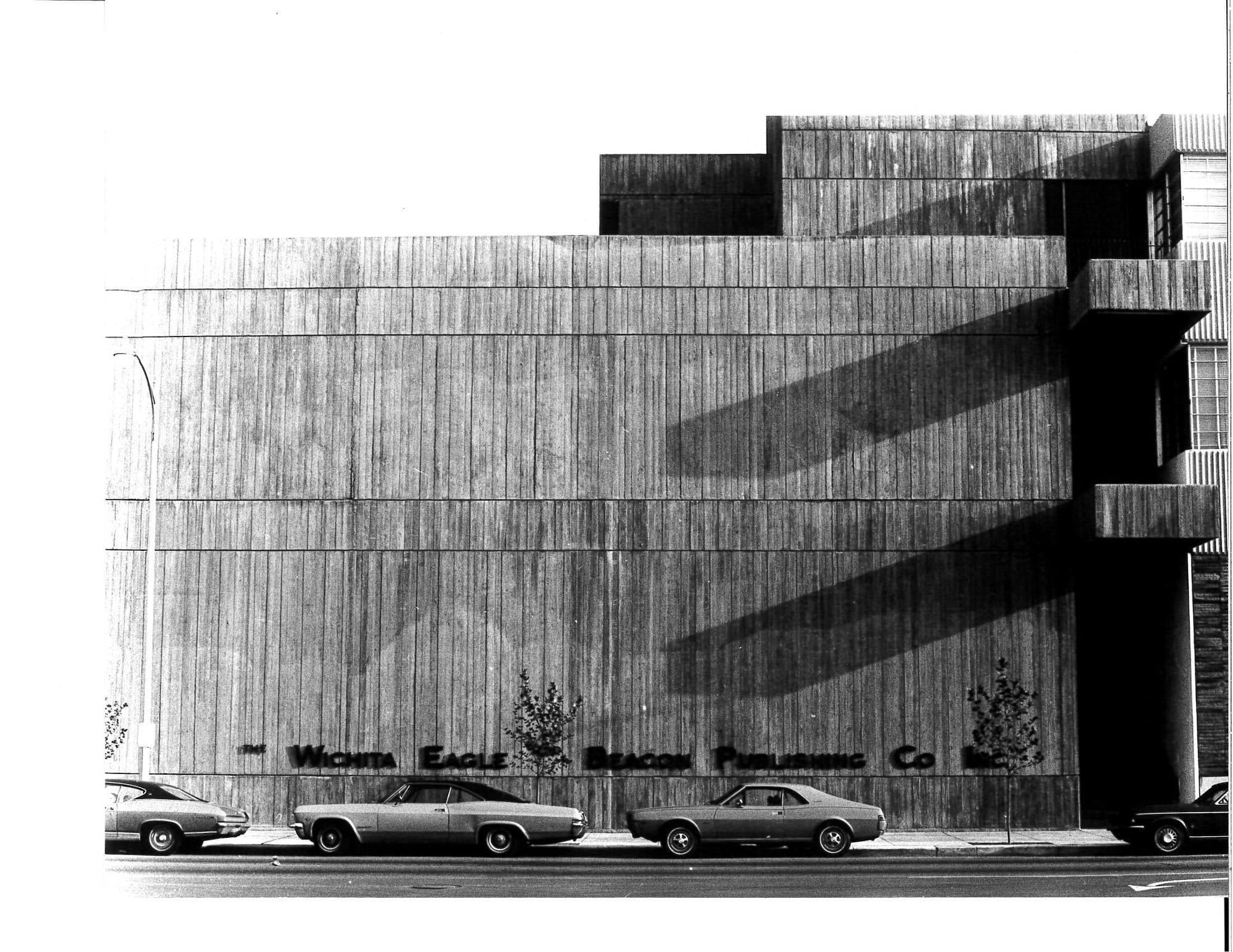
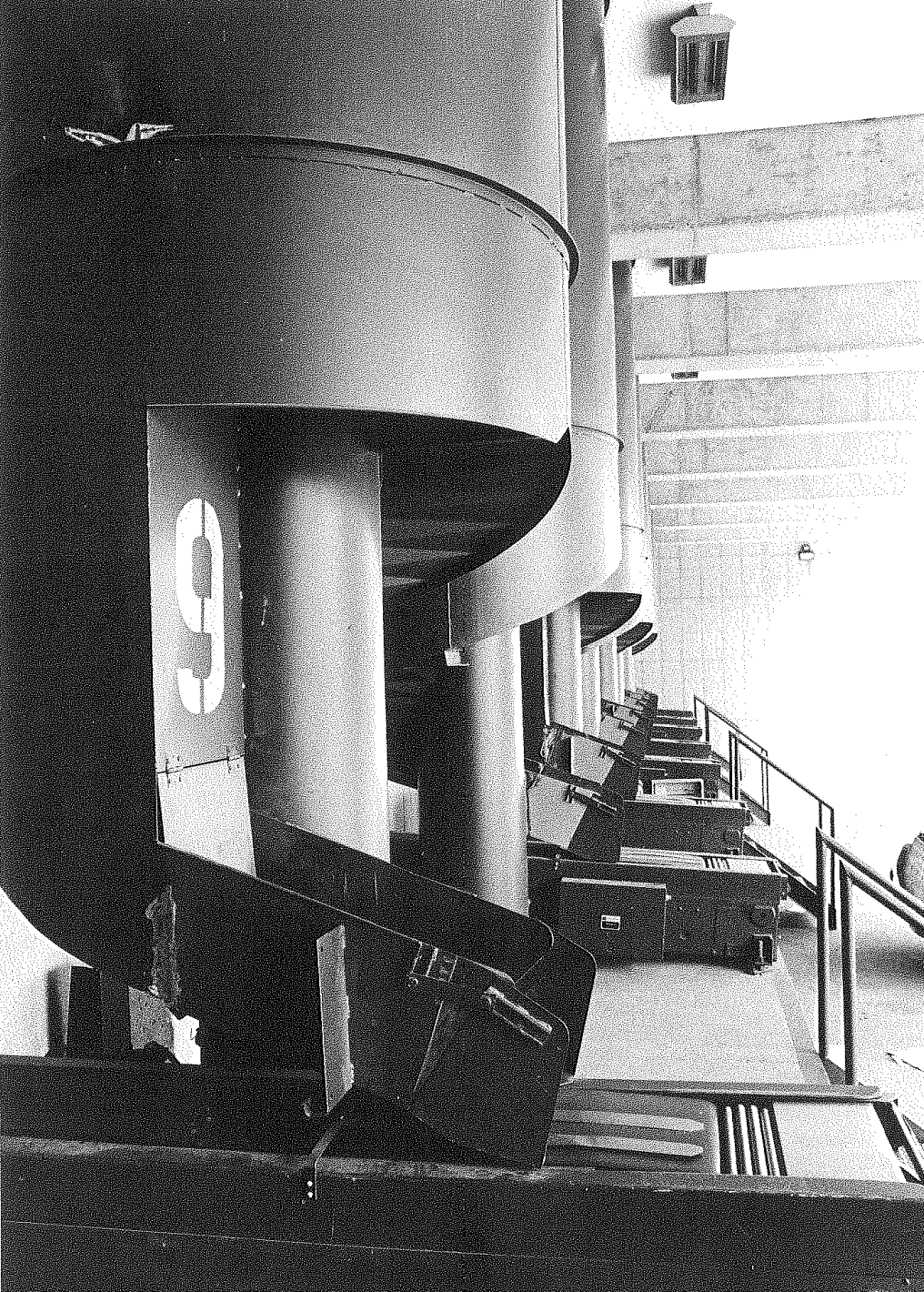
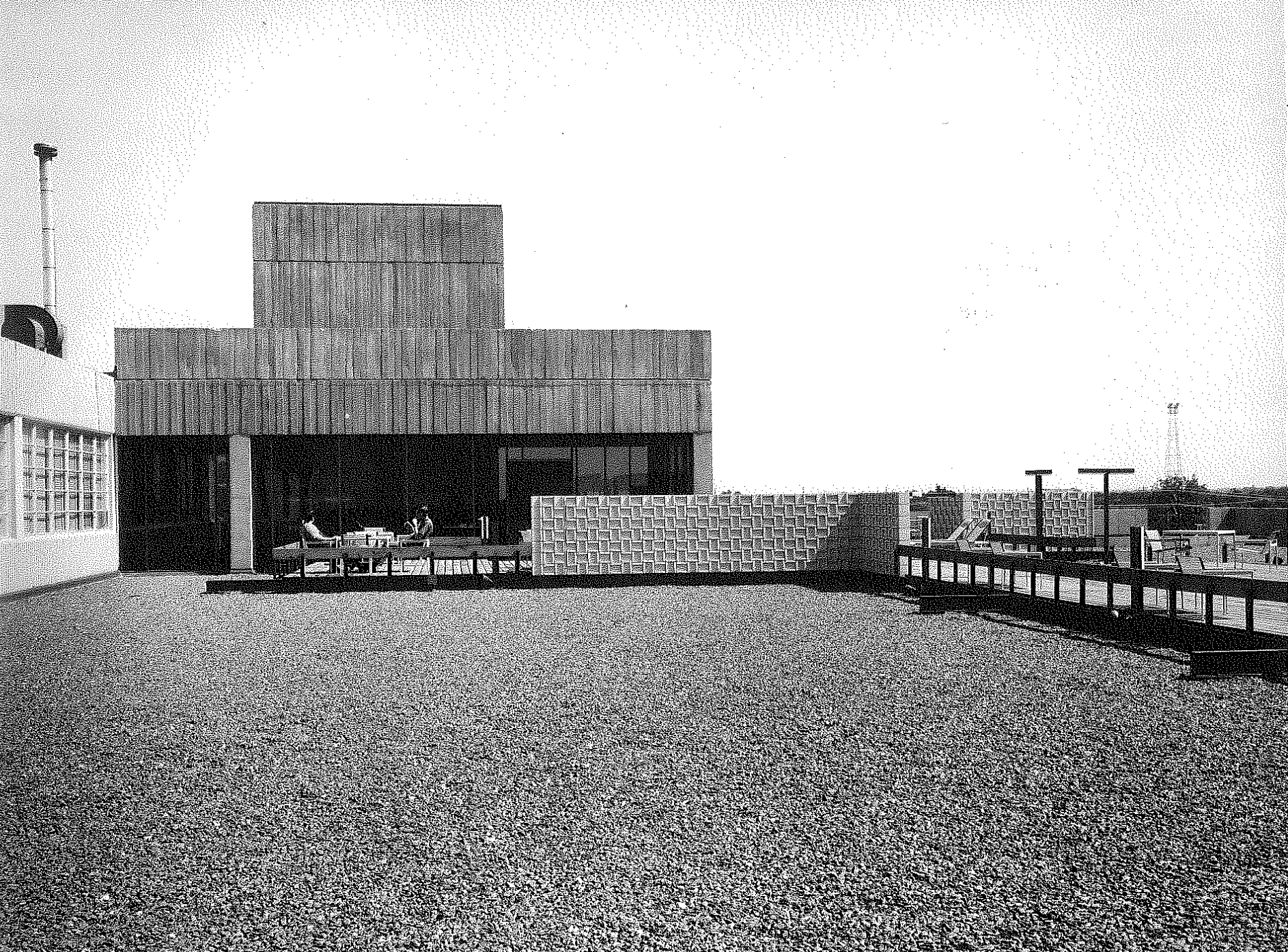
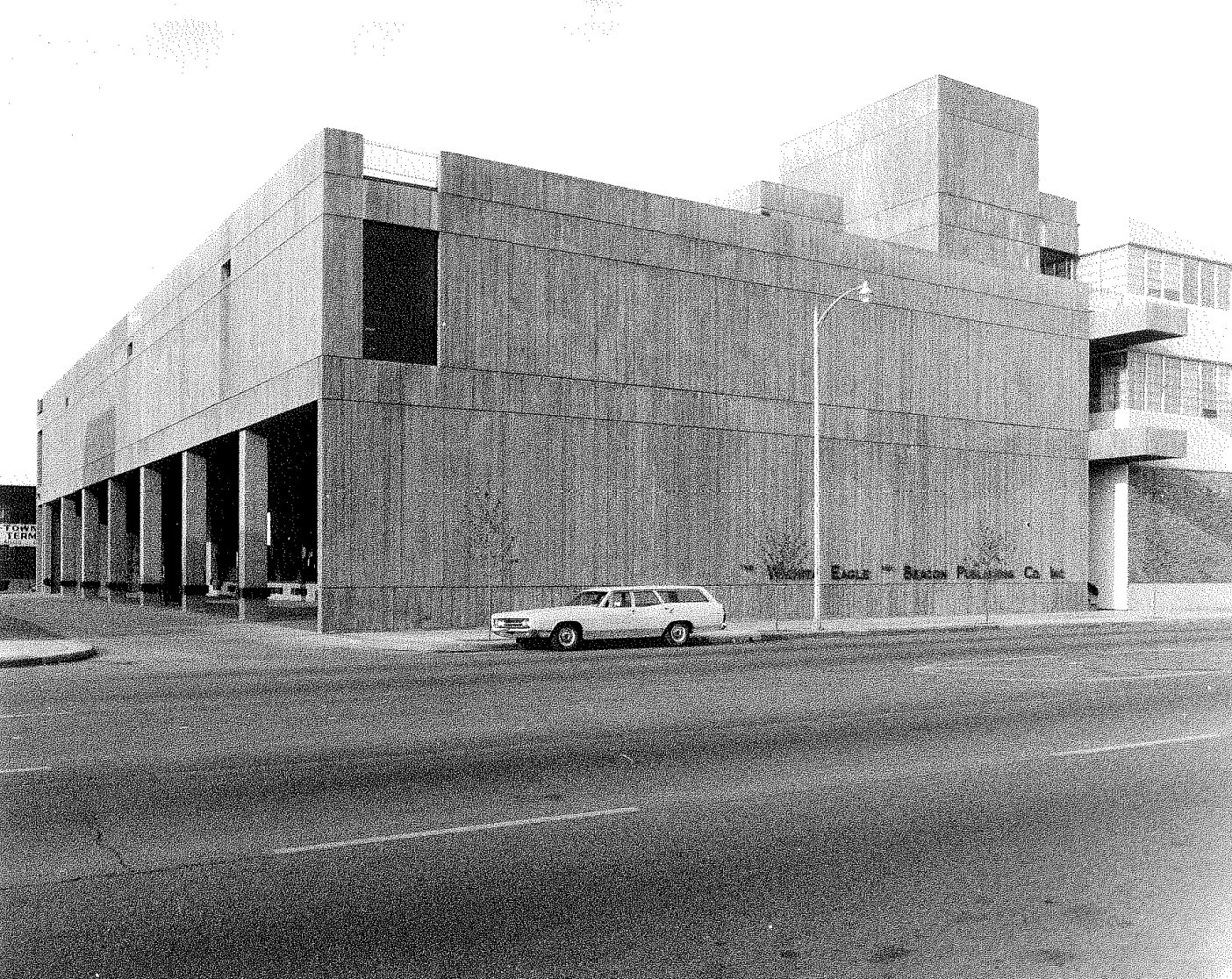
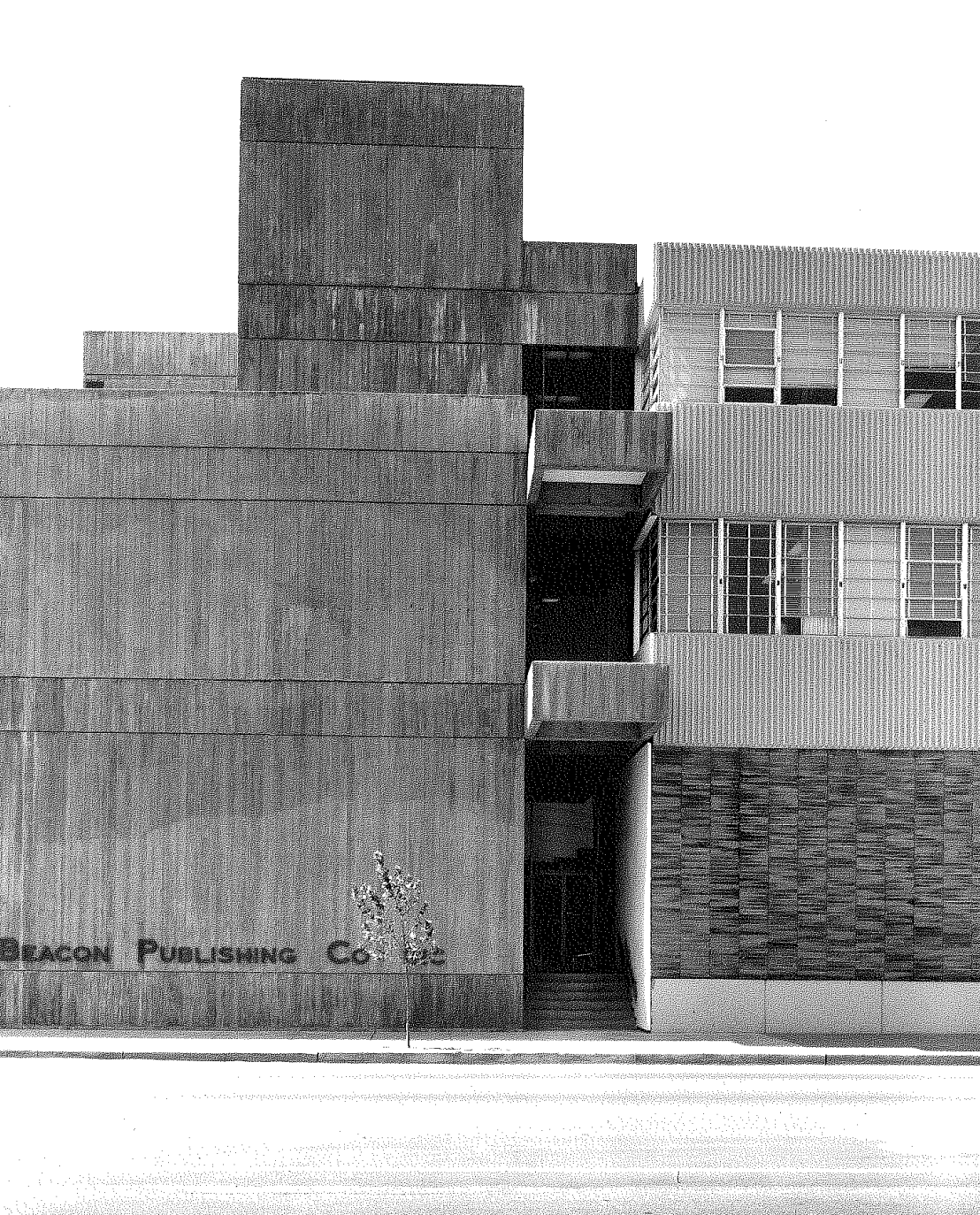
An addition to The Wichita Eagle building provided newsprint storage and mailroom distribution facilities, with a basement and two floors initially constructed with provisions for expansion to five floors. Two active railroad lines complicated construction, requiring the columns to be positioned so they would not interfere with the tracks. (McAfee3/Courtesy)
Like most of his contemporaries, McAfee was a modernist. Begun in Europe with schools like the Bauhaus, the modernist movement preached minimalism and prized functionality, foregoing other architectural styles’ desire for ornamentation as part of a belief in design’s ability to serve everyday people, rather than only the wealthy. McAfee’s embrace of modernism is visible in much of his work, from the sharp angles and exposed concrete of McKnight Art Center to the simple geometries of the Jackson Mortuary building, where the spacing of the roof’s thin metal columns echoes perfectly the placement of the windows and the joints in the walkway.
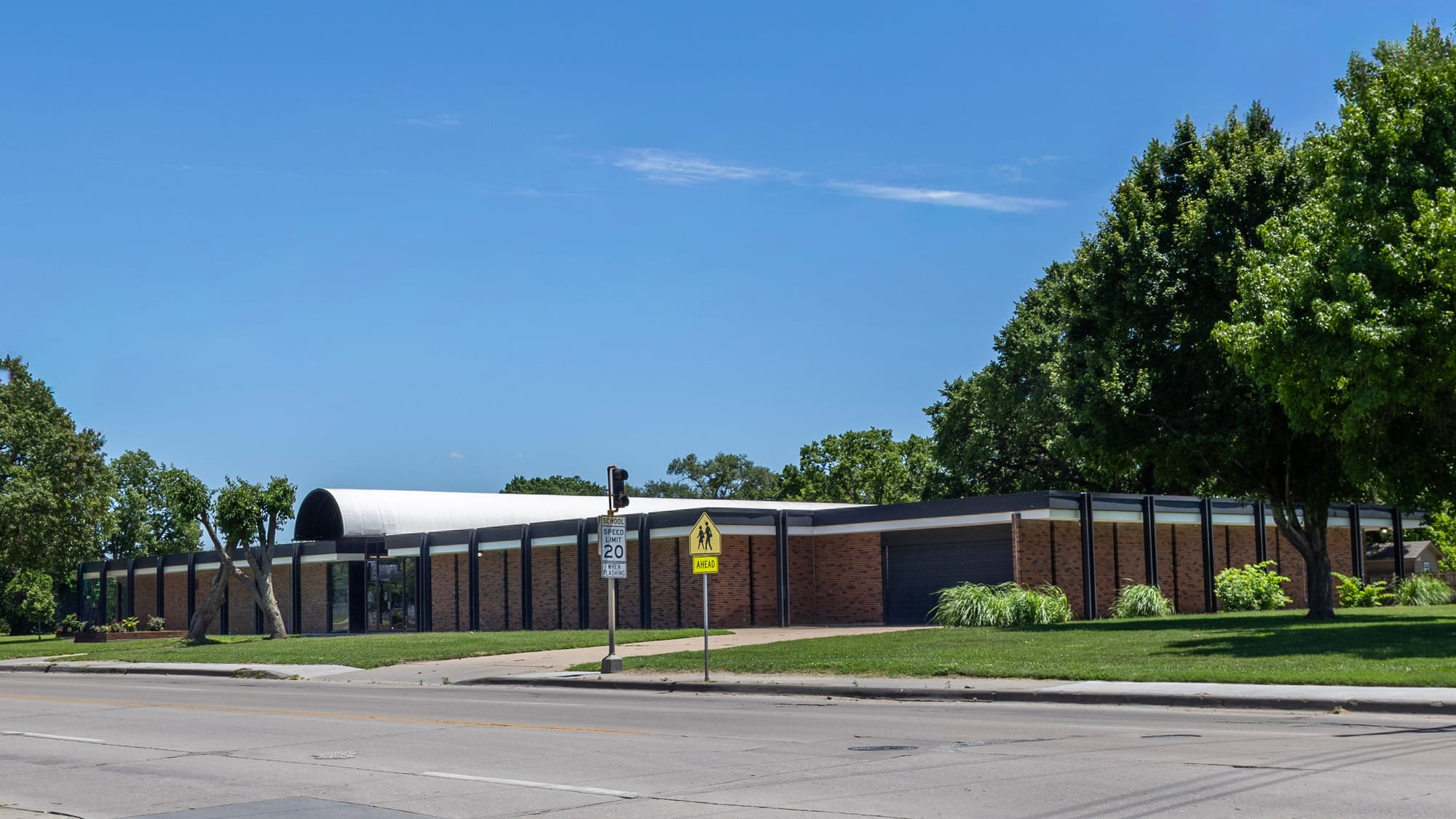
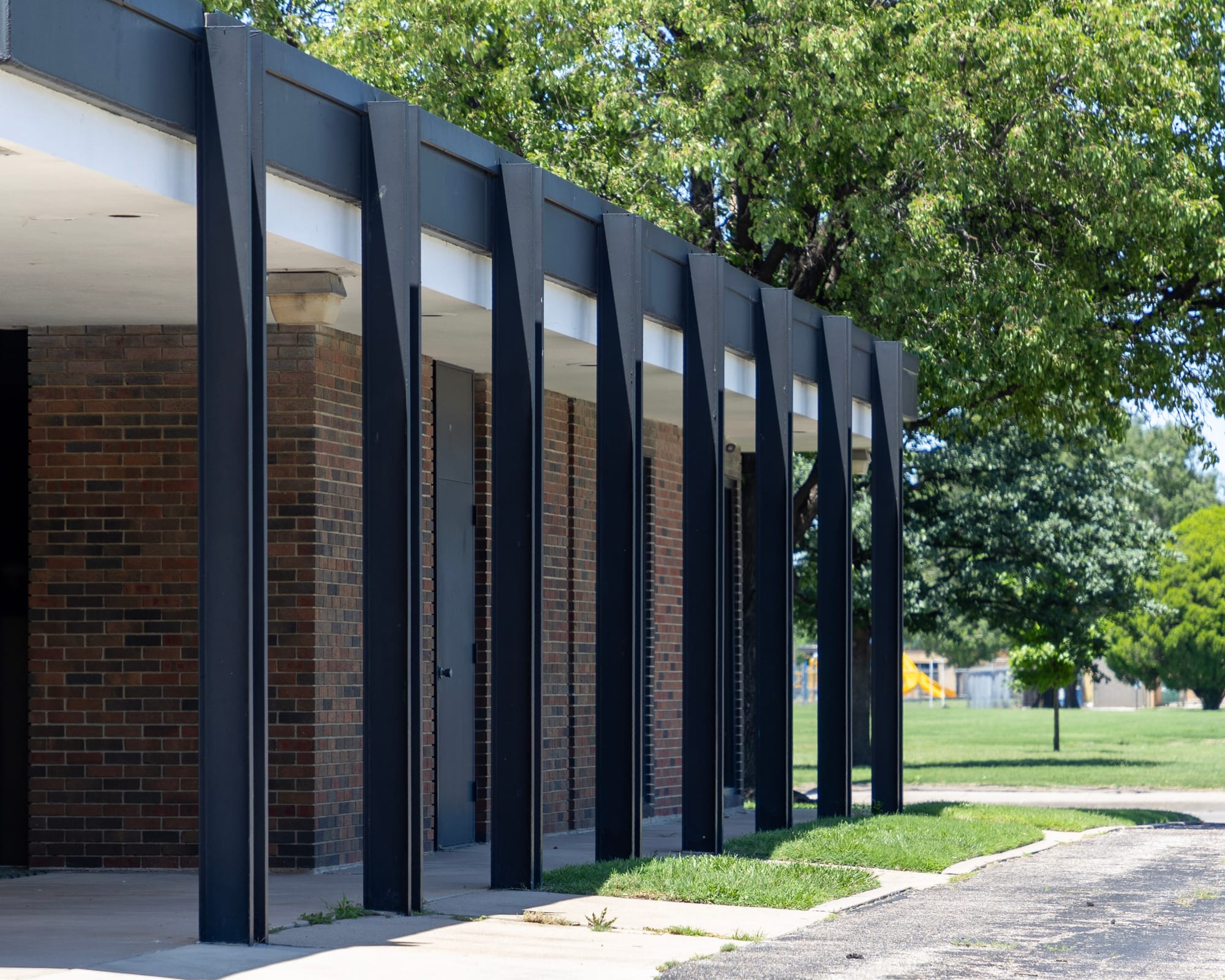
The Jackson Mortuary on East 13th Street was one of Charles McAfee's first major projects. (Kendra Cremin/The SHOUT)
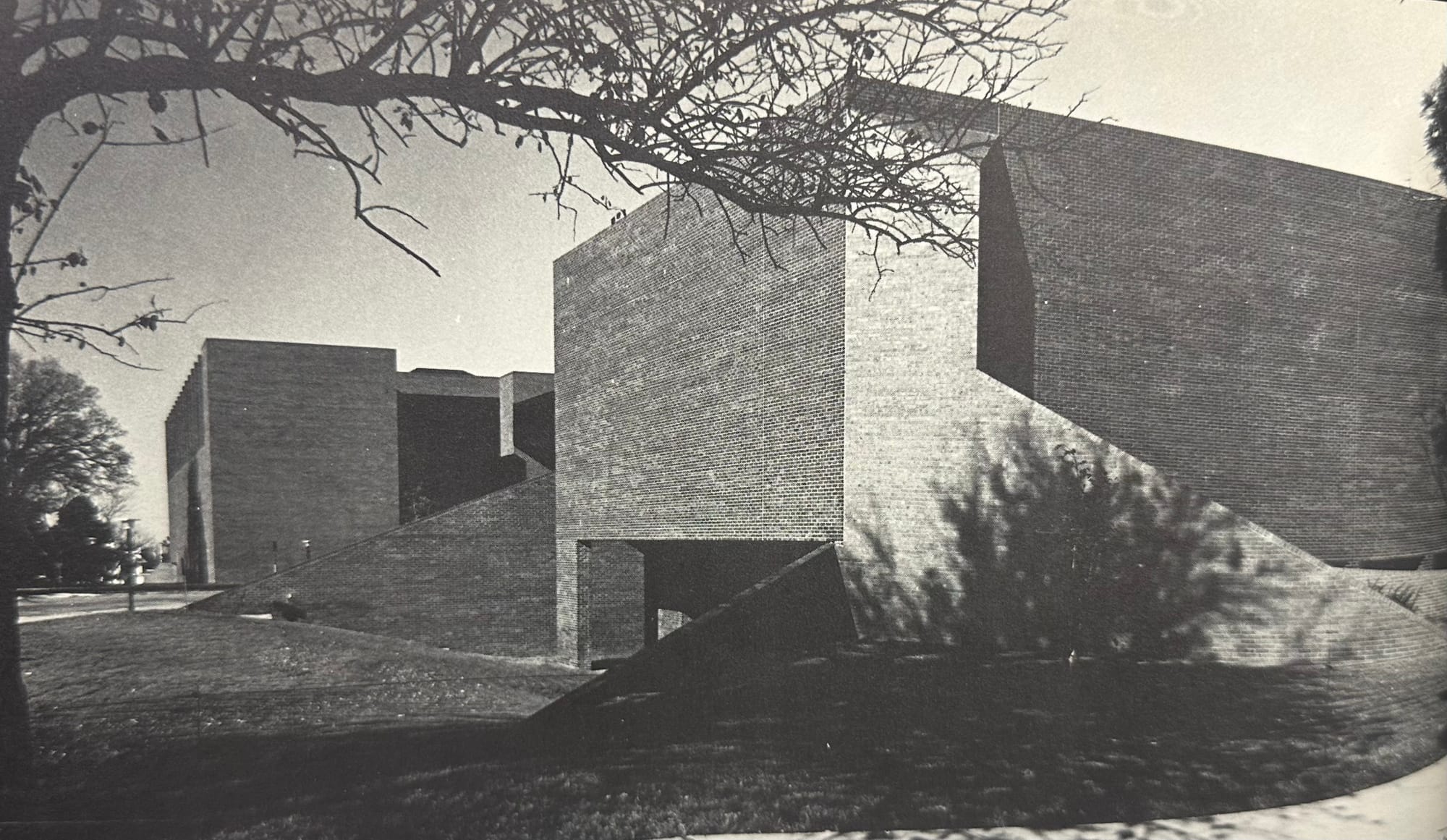
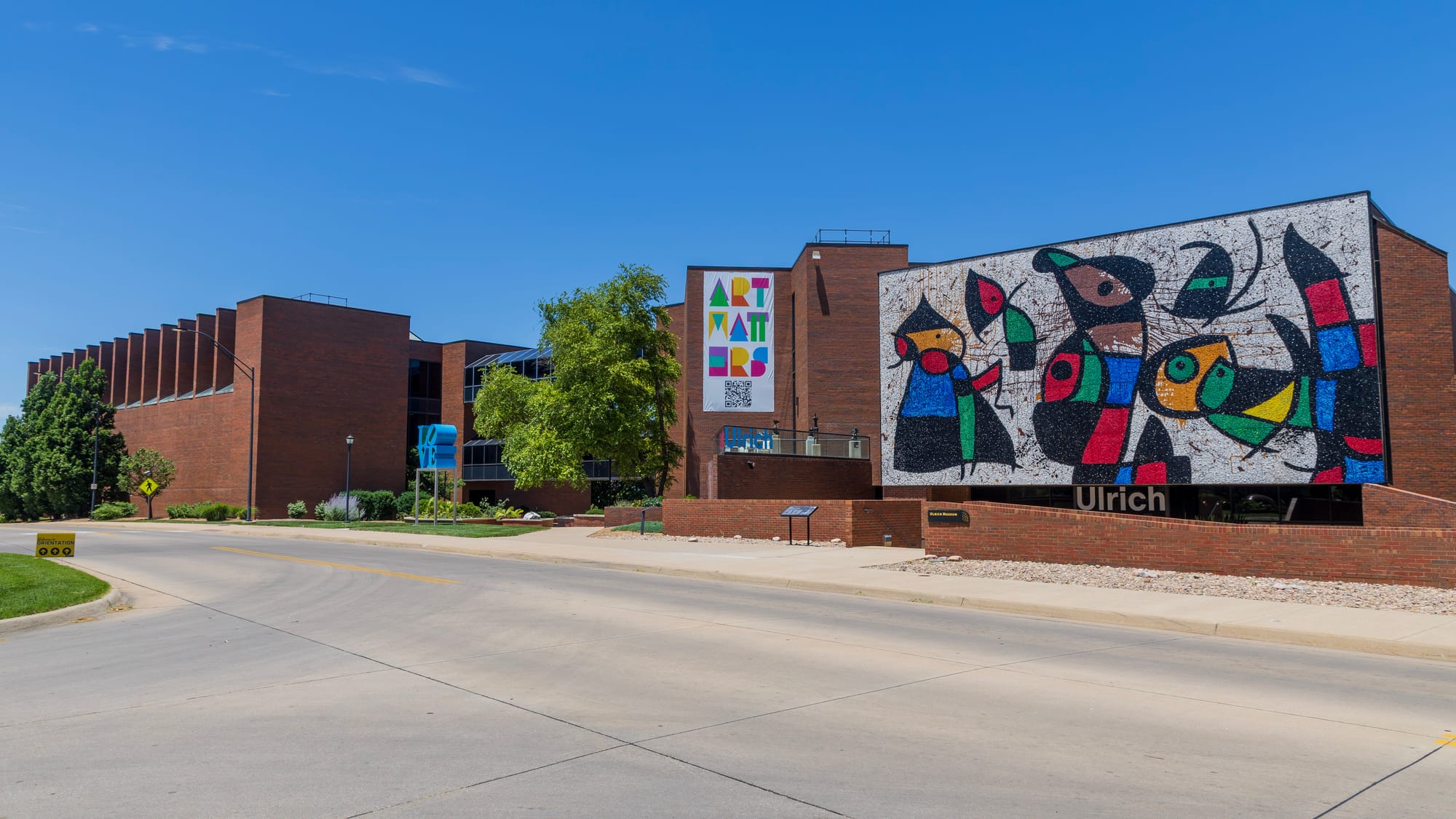
McKnight Art Center, summer 2026. The Joan Miró mosaic "Personnages Oiseaux" and an ADA-accessible entrance were later modifications to the building. (Kendra Cremin/The SHOUT)
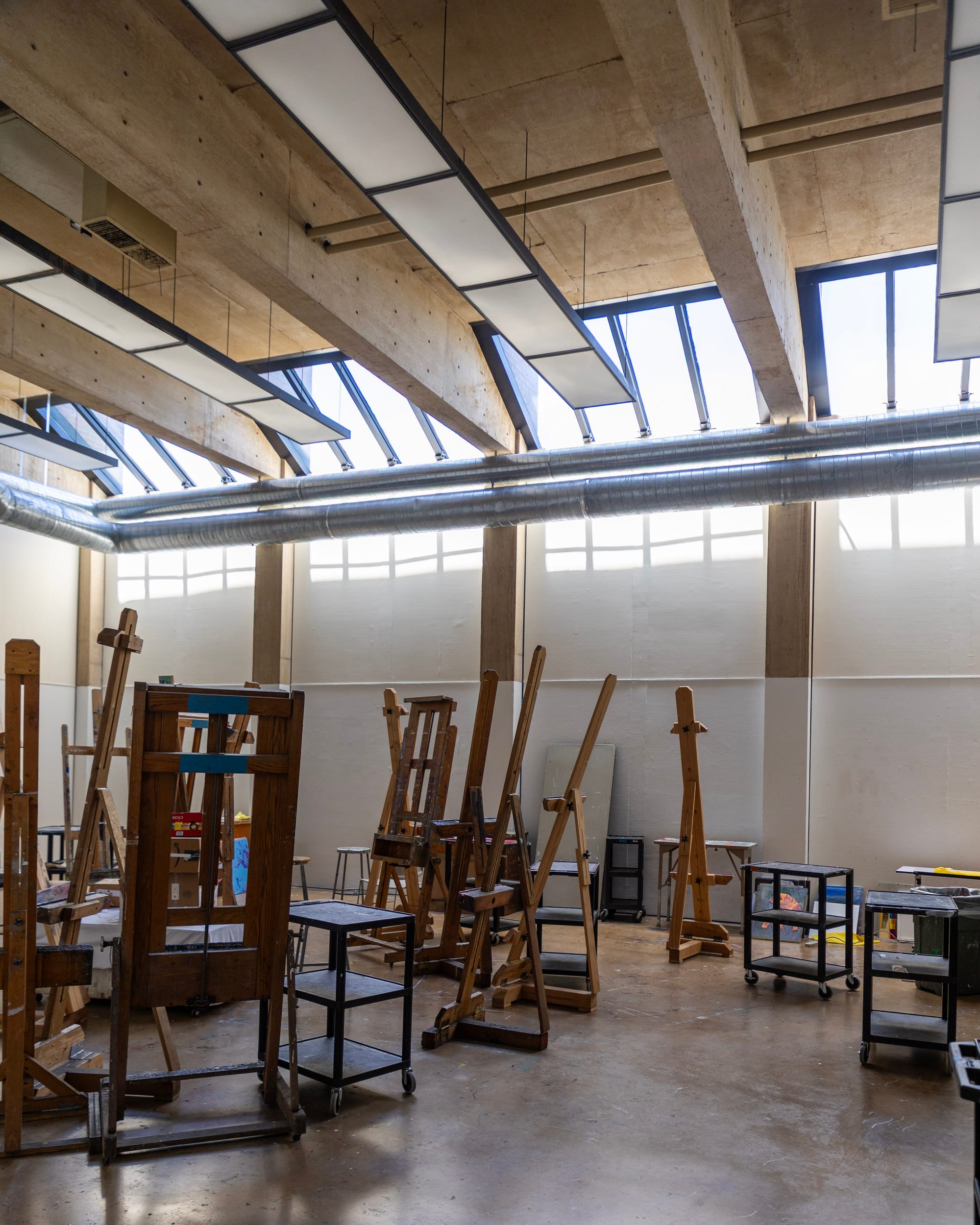
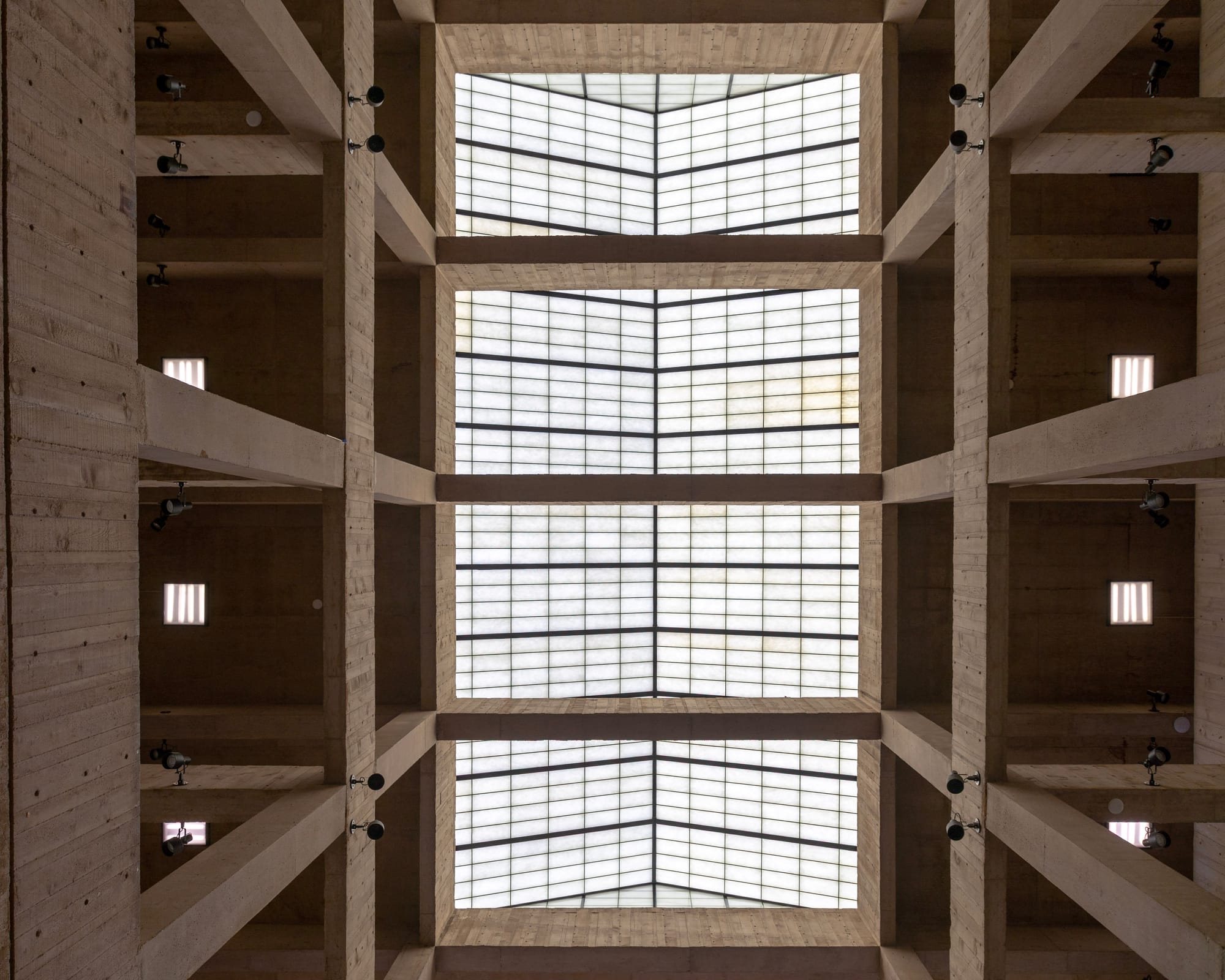
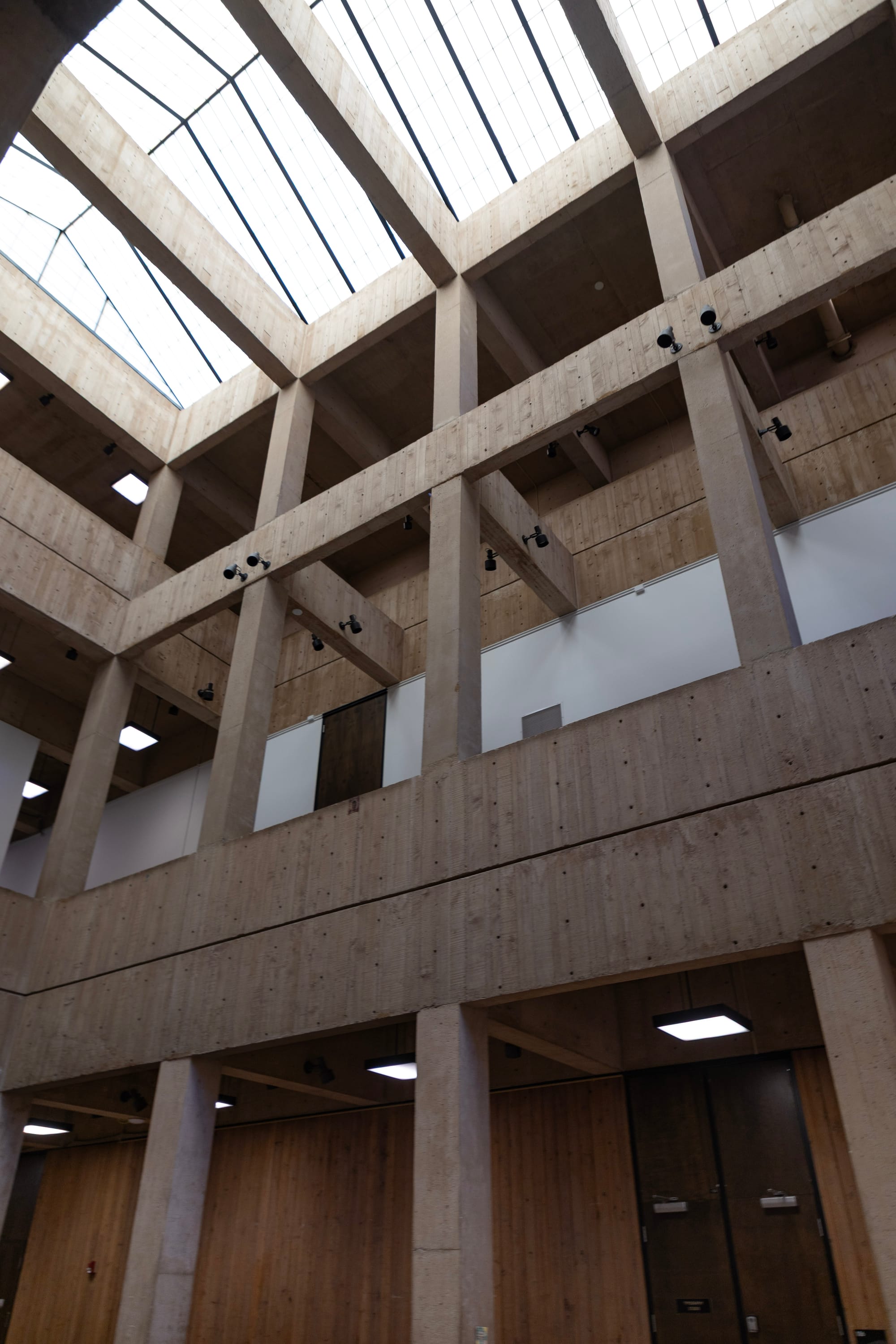
Views of McKnight Art Center's west building, which features an atrium partially lit by a massive skylight. Though McKnight's exterior is clad in red brick, the interior is all about the exposed concrete. (Kendra Cremin/The SHOUT)
But McAfee was concerned with more than style. At McKinley Park — now McAdams Park — the community pushed the city to replace the park amenities that were being demolished, and McAfee was eventually awarded a contract to design a new pool.
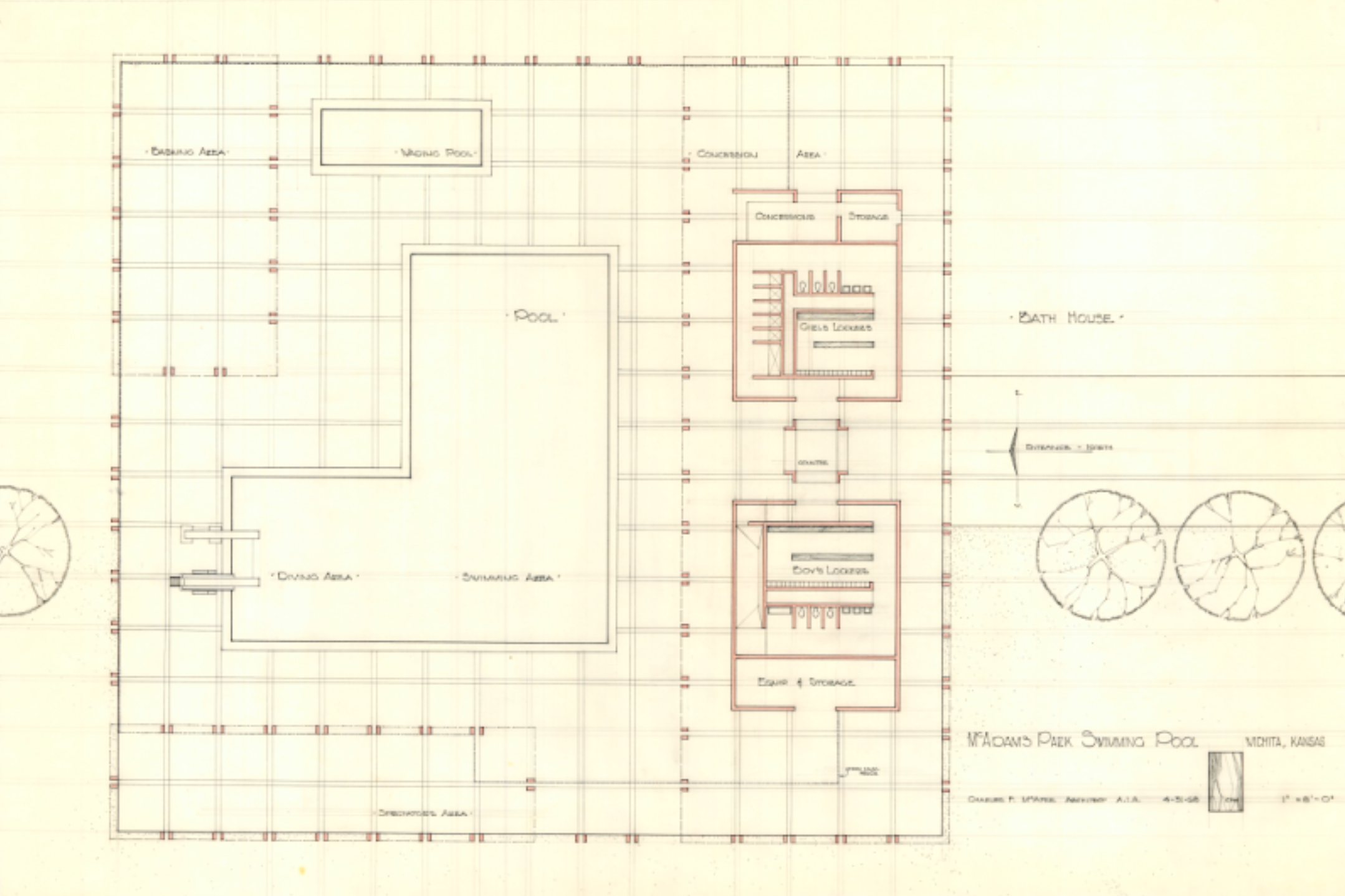
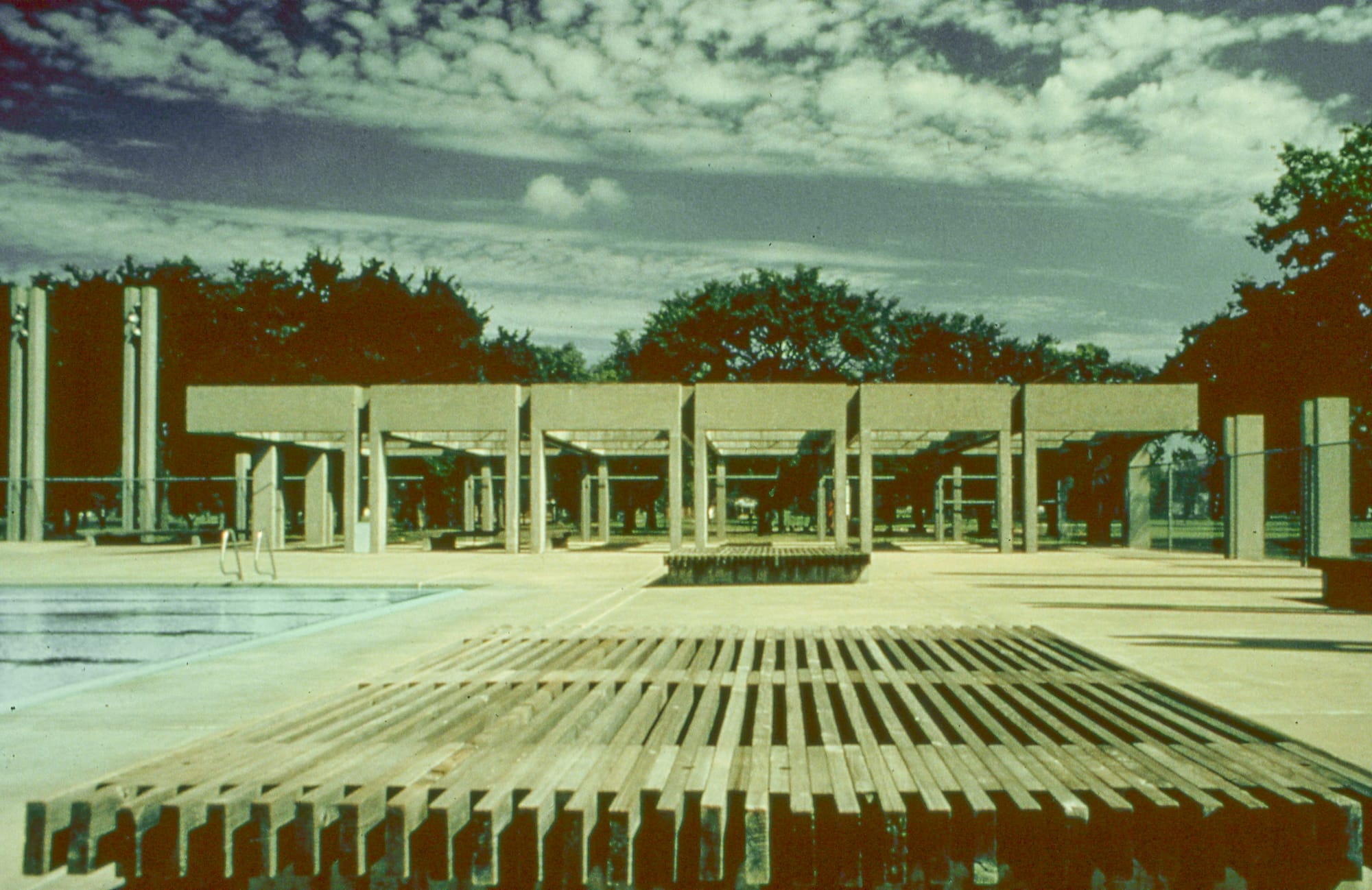
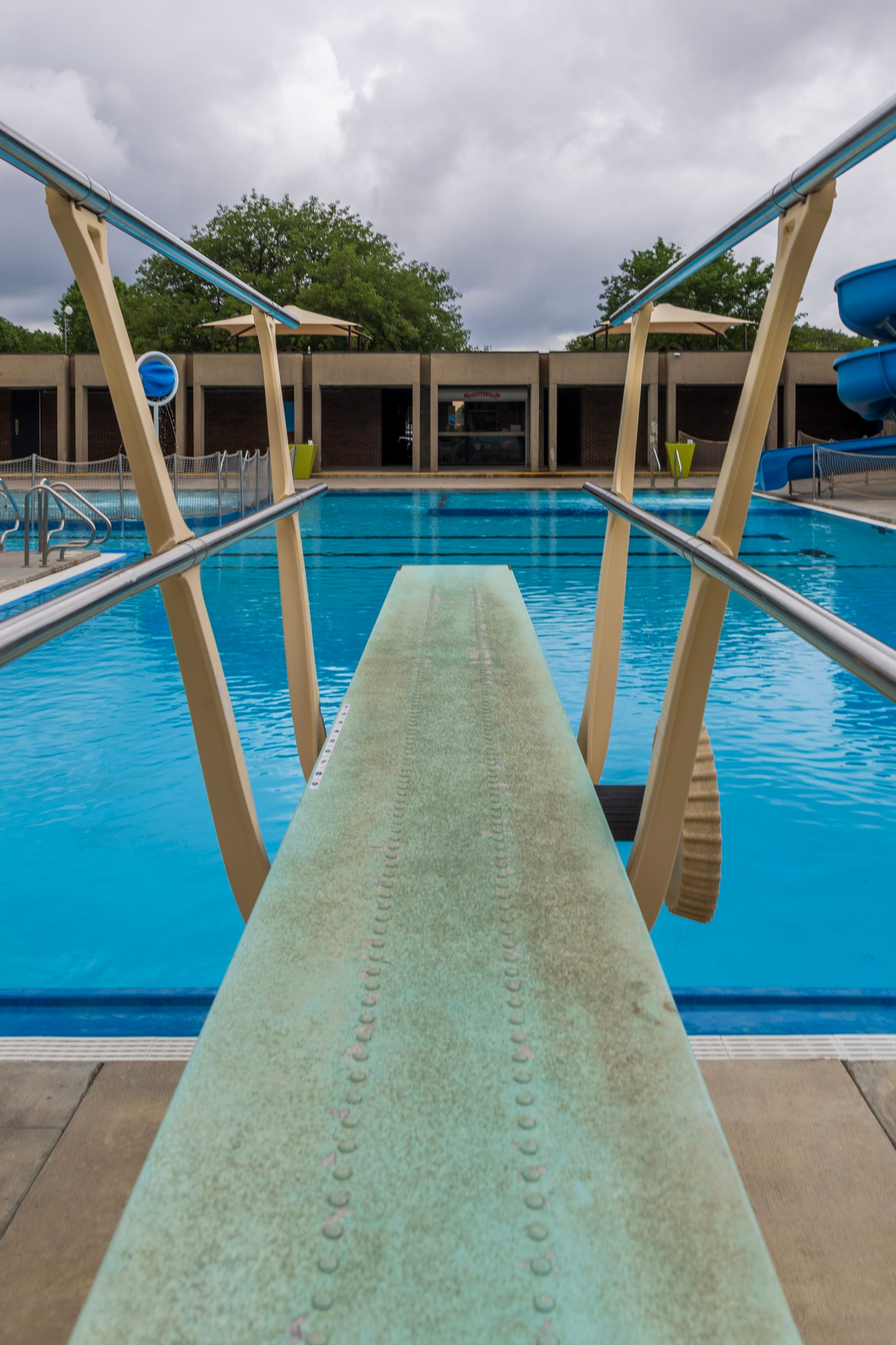
As a building type, public pools are usually utilitarian at best. But filtered through McAfee’s modernist lens, the McAdams Pool became a monument to Black joy. Soaring light posts gave it a presence within the larger park, and waffle-like concrete shade canopies provided comfortable places to lounge or spectate. The heavy use of concrete, while practical, also communicated a sense of permanence — a rejection of the harms of urban renewal.
When in 2023 he was asked to reflect on the pool’s design, McAfee said, “I used materials that were going to last forever, mostly concrete columns and brick walls that I knew couldn’t easily be destroyed.”
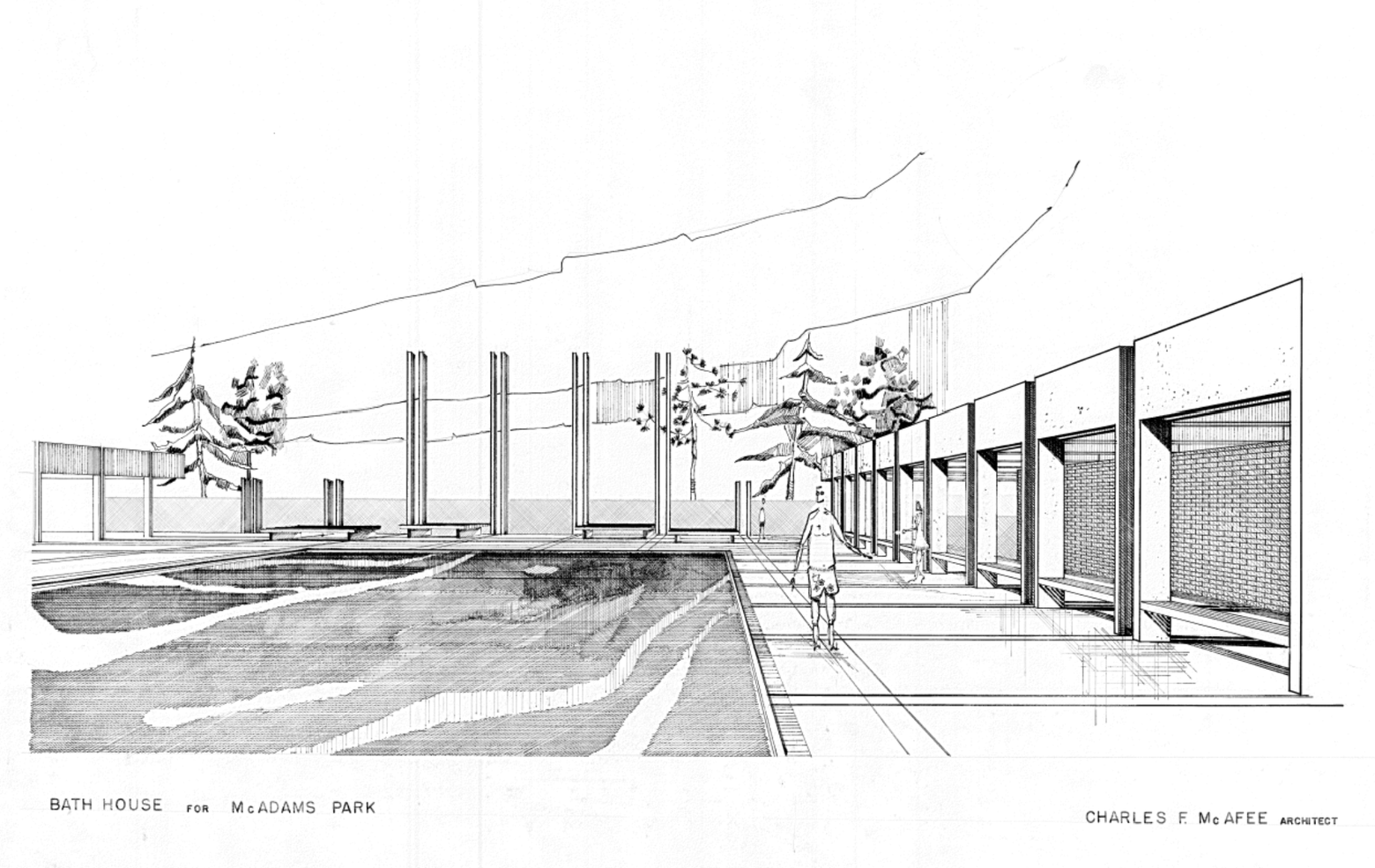
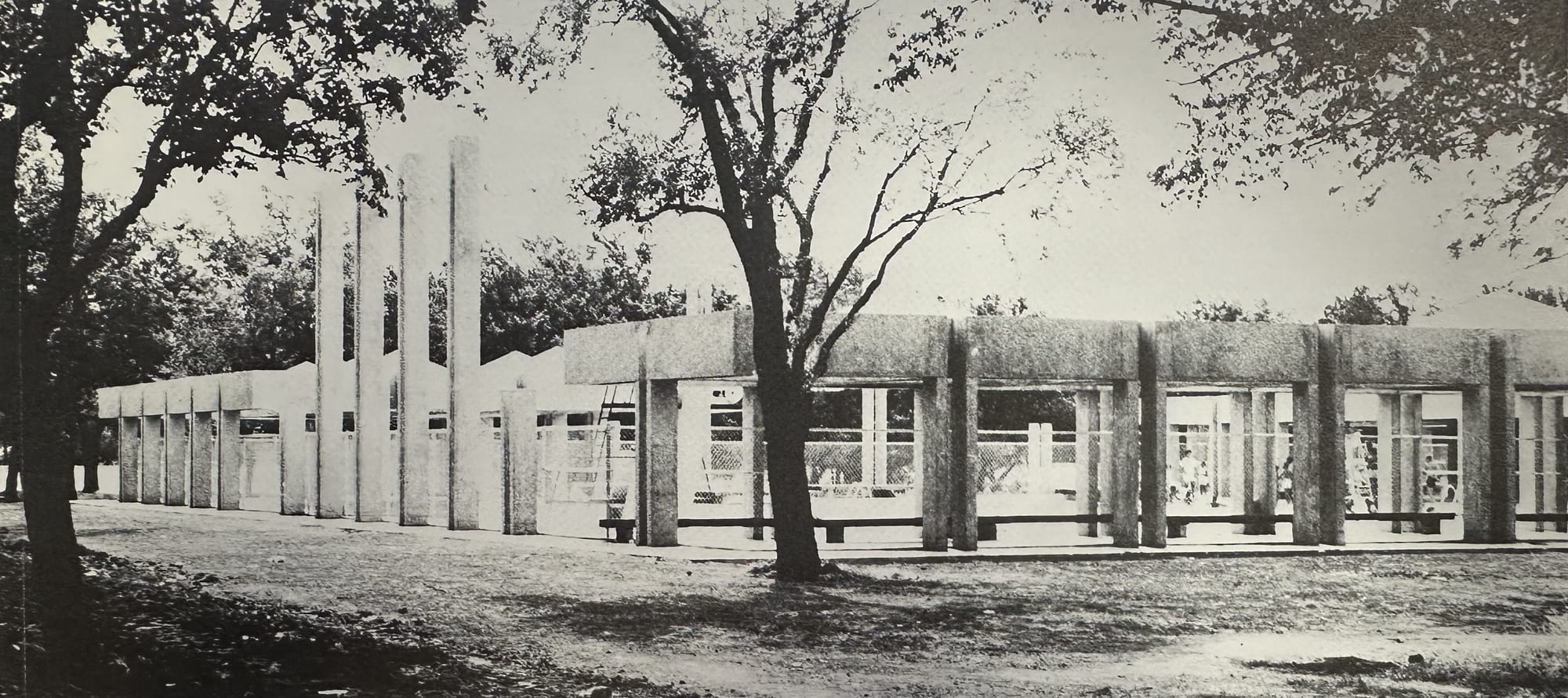
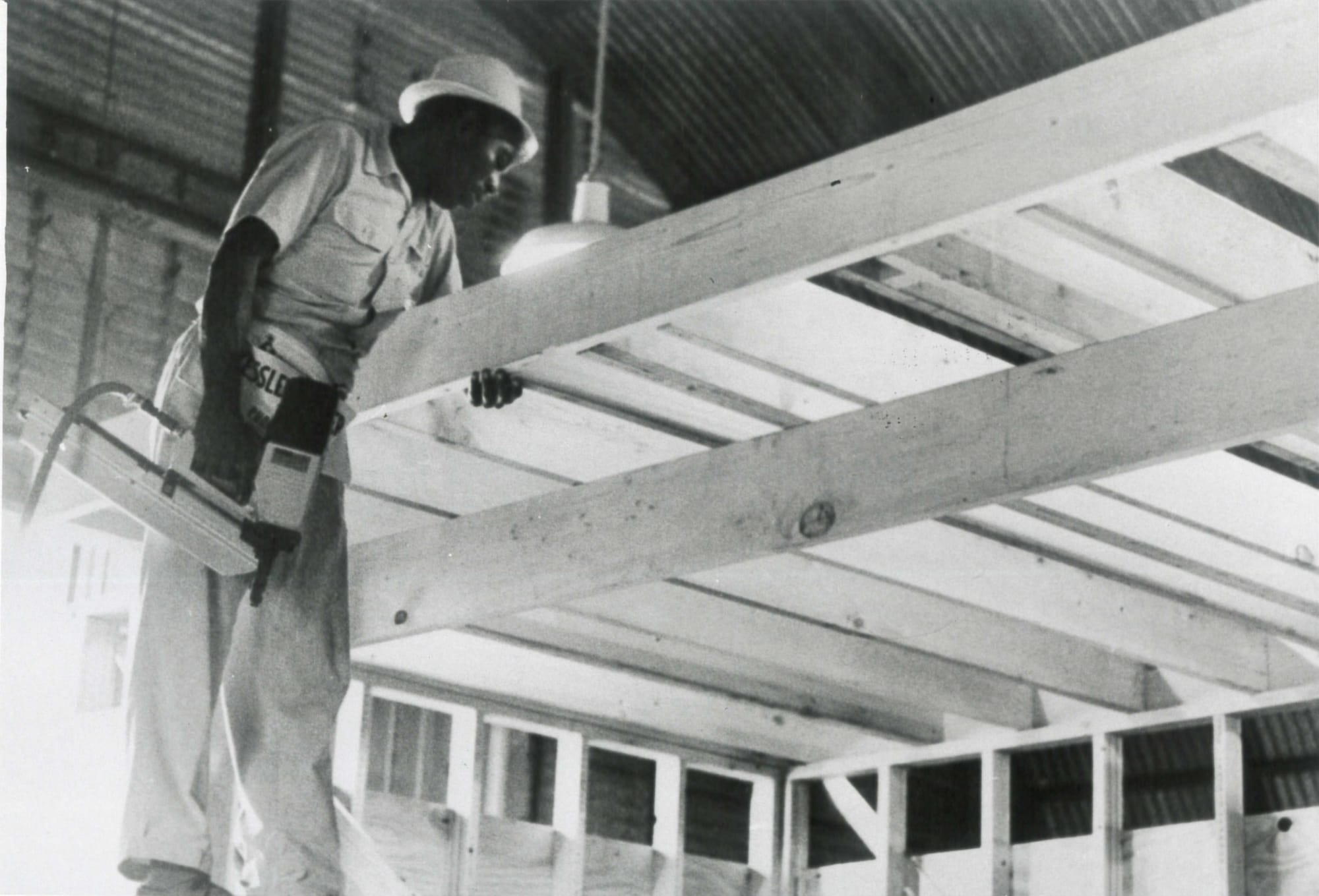
A concern for what will endure is a throughline in McAfee’s career. He was an early advocate for modular housing as a way to mass produce high-quality homes at a price point that people in his community could afford. At two different times in his career, McAfee invested in the idea, believing that, in employing low-skilled workers, housing could be both an end and a means to community empowerment. Both times, the ventures failed after just a few years, but a number of houses still stand throughout the city, testaments to an idea that was perhaps ahead of its time.
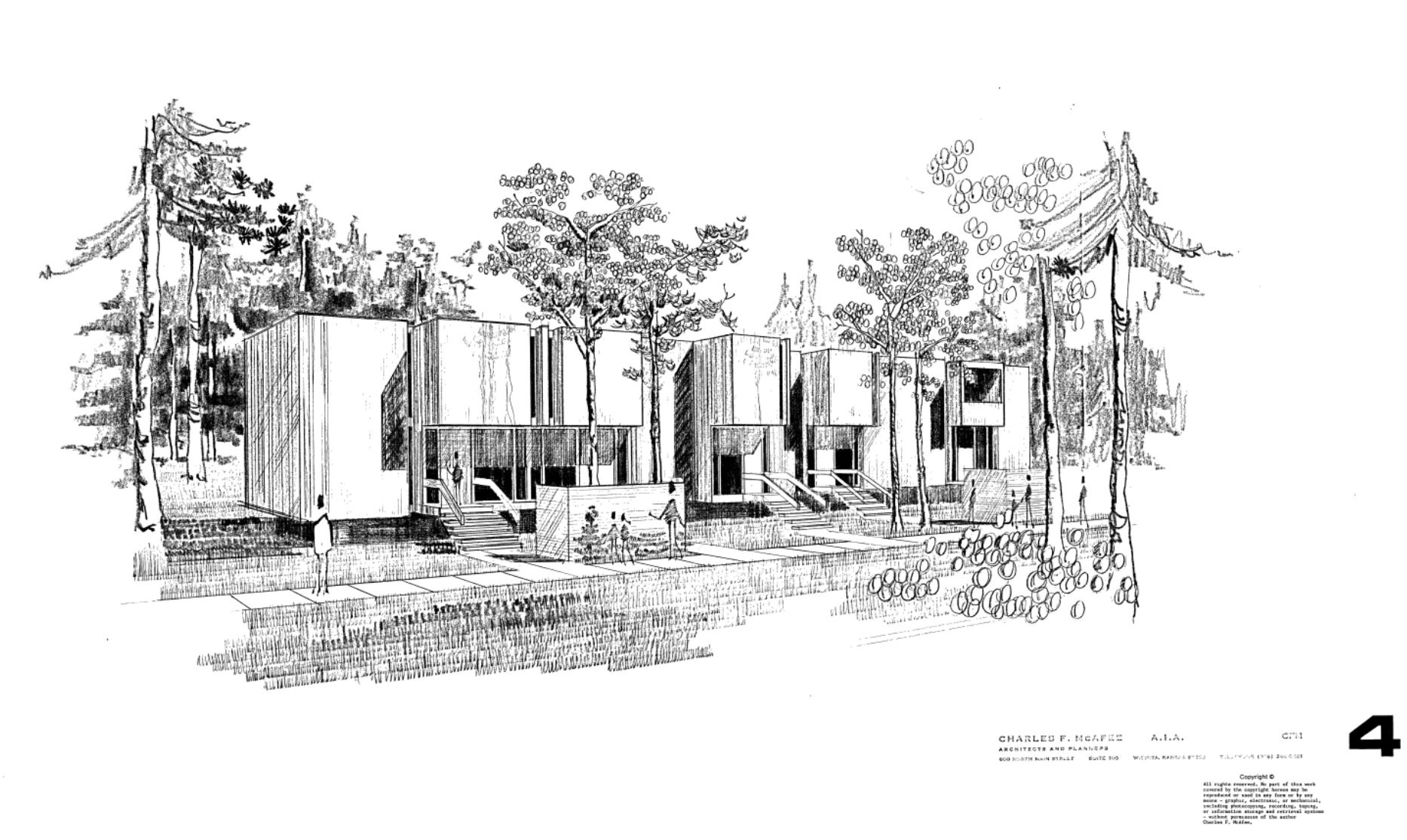
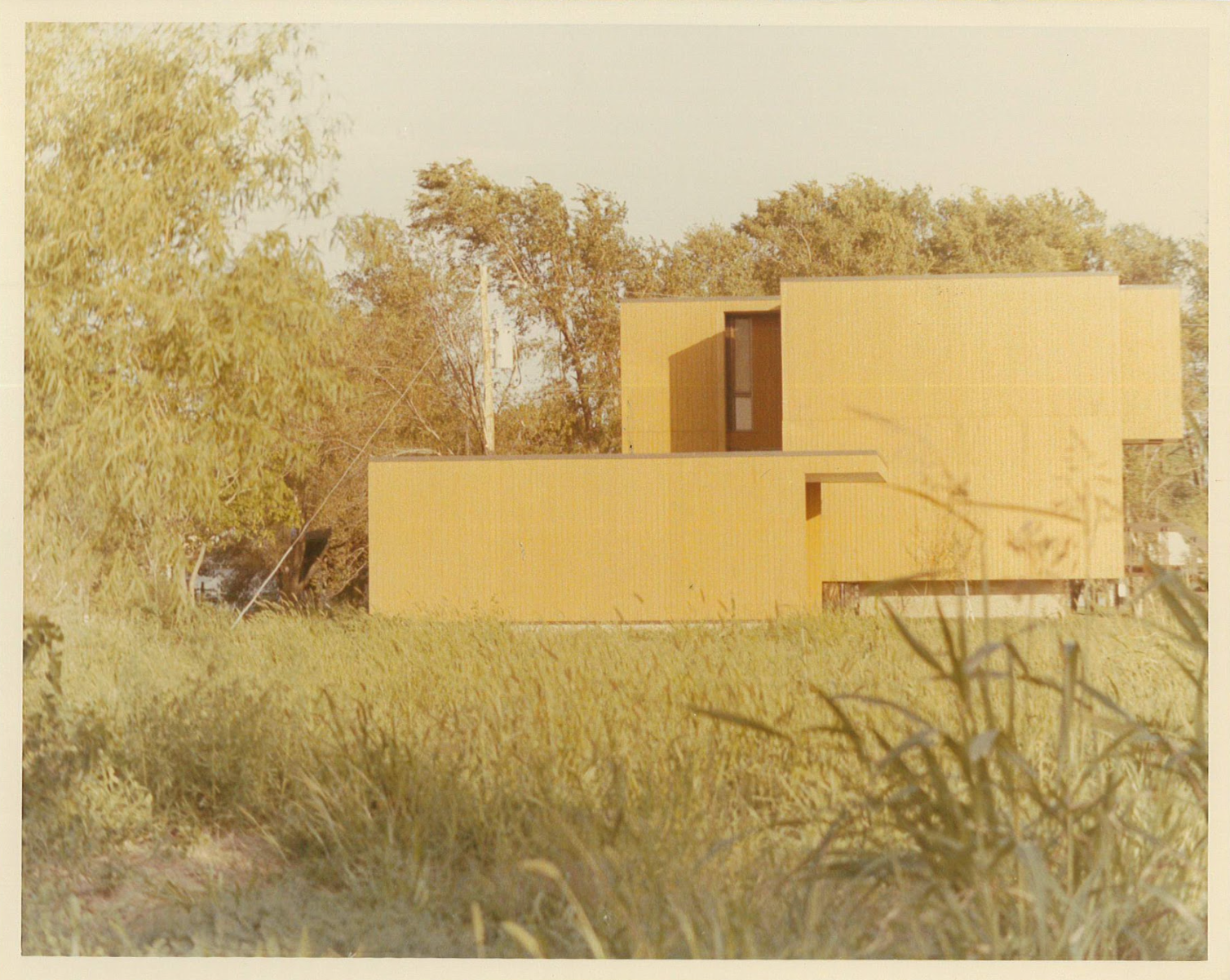
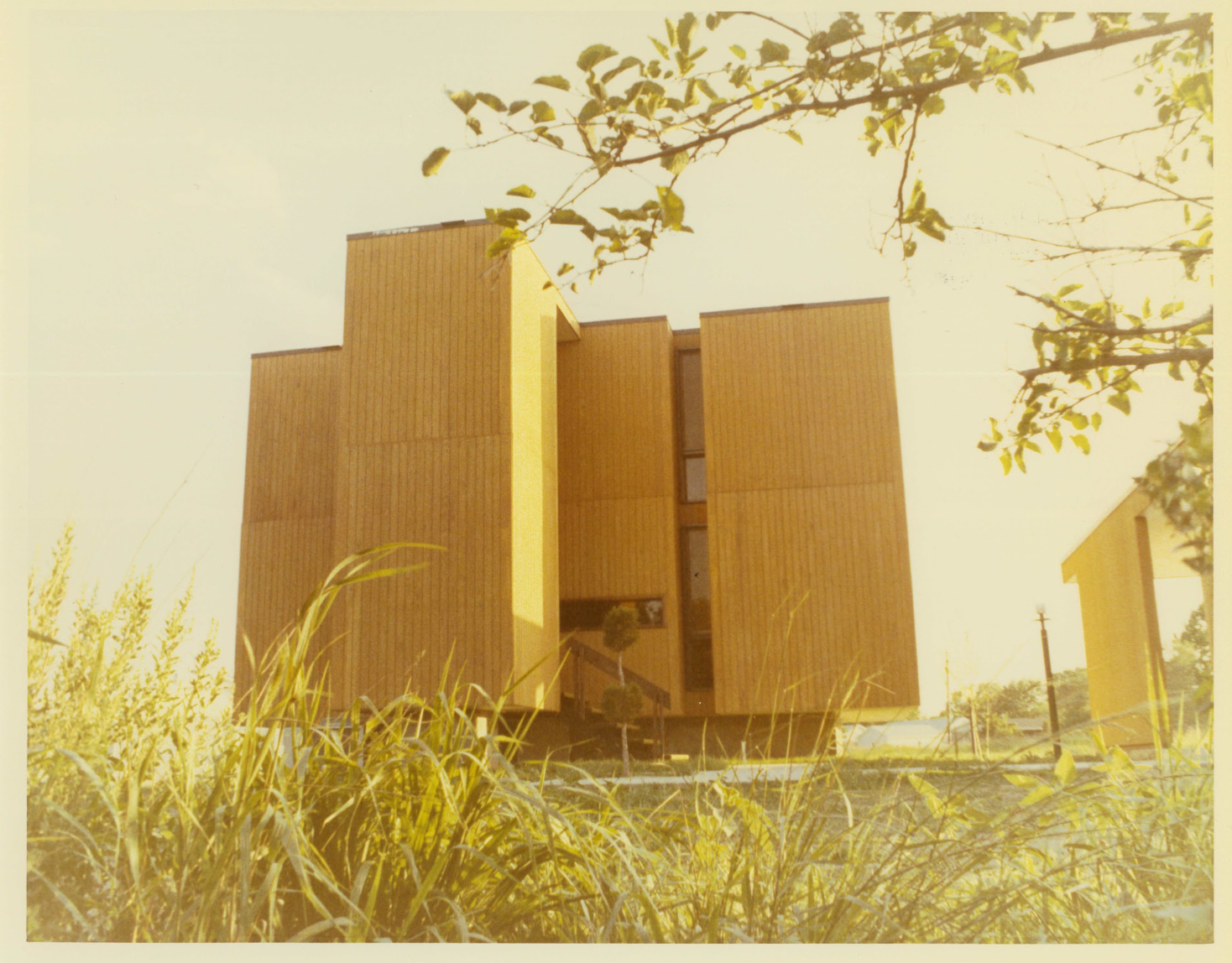
Volks Homes anticipated today's container houses, tiny homes, and modular construction. McAfee's 1973 system preceded the widespread adoption of modular construction by roughly two decades. He still believes modular housing is the best way to build affordable homes — and the answer to the housing crisis. (McAfee3/Courtesy)
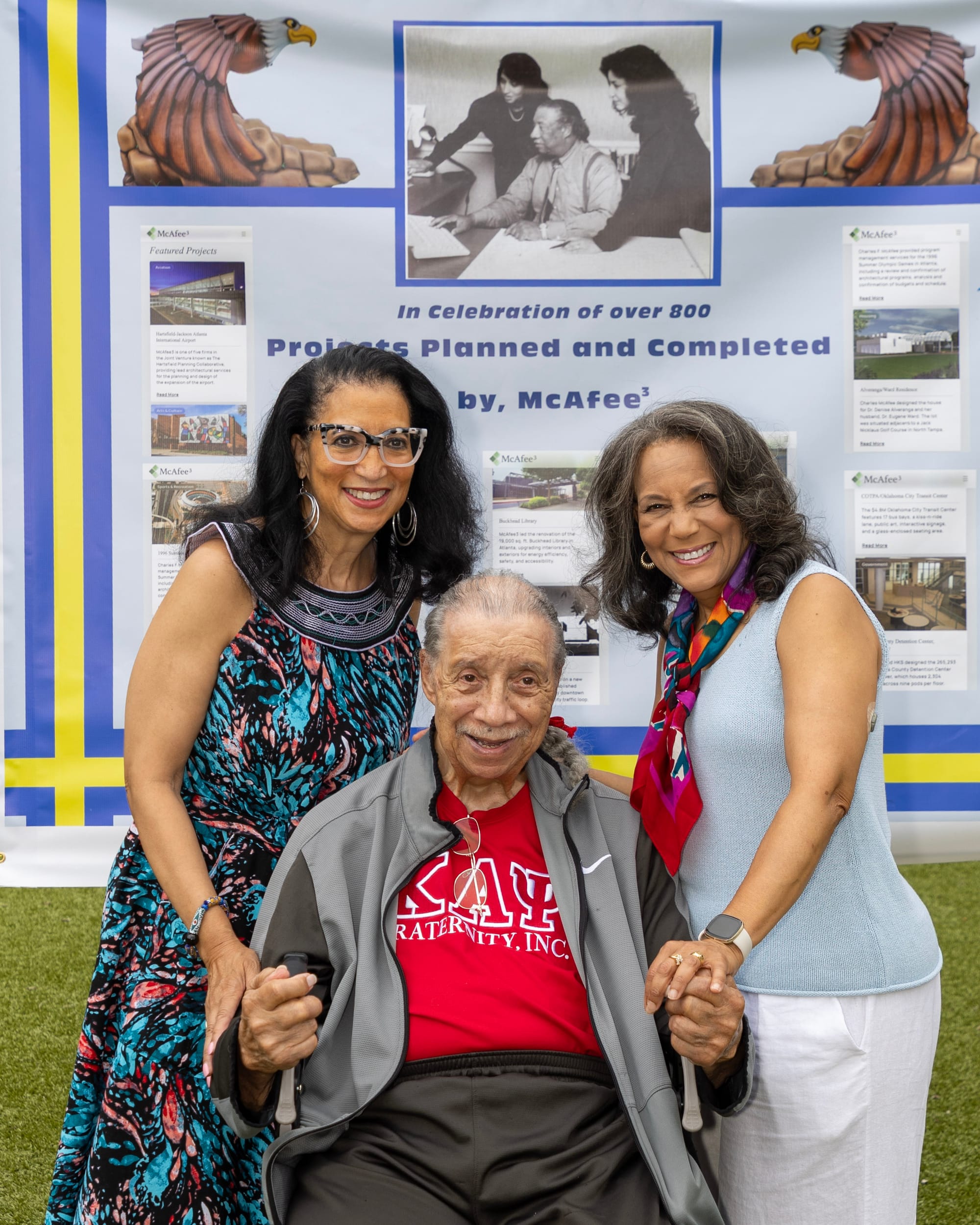
Where McAfee has indisputably succeeded is in building a legacy that will outlive him. Two of McAfee’s three daughters eventually joined McAfee Architects, Engineers, and Planners, today known as McAfee3. McAfee-Duncan and her older sister, Cheryl McAfee, run the practice from Dallas and Atlanta, respectively, though they maintain strong ties to Wichita.
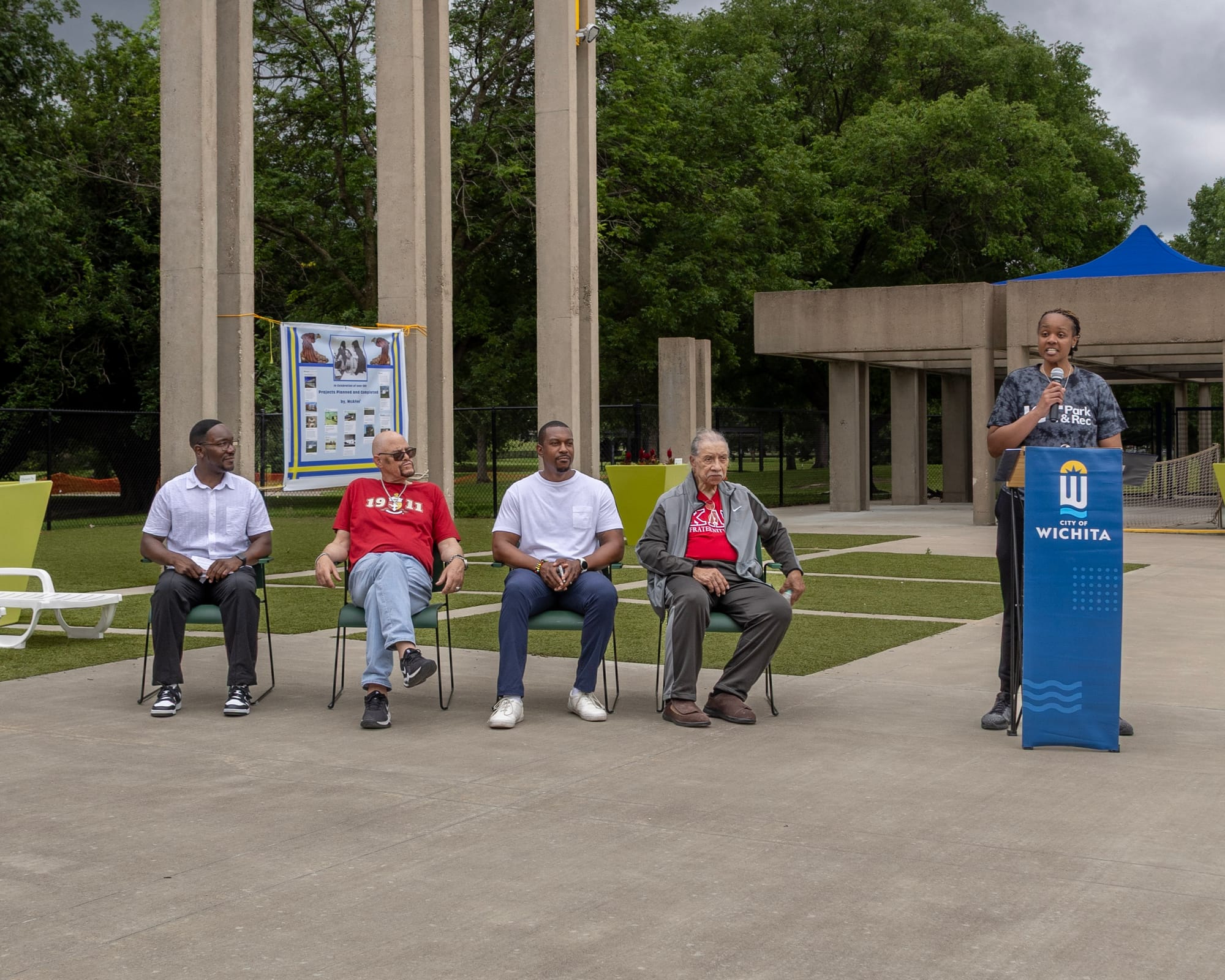
When the city of Wichita announced it was considering closing McAdams Pool — which would have, for the second time, taken away a critical and beloved neighborhood resource — McAfee’s daughters were instrumental in helping preserve it. Working with community members and preservationists, they received a $150,000 grant from the African American Cultural Heritage Action Fund to rehabilitate the pool. In 2023, it was placed on the National Register of Historic Places and renamed McAfee Pool in the architect’s honor.
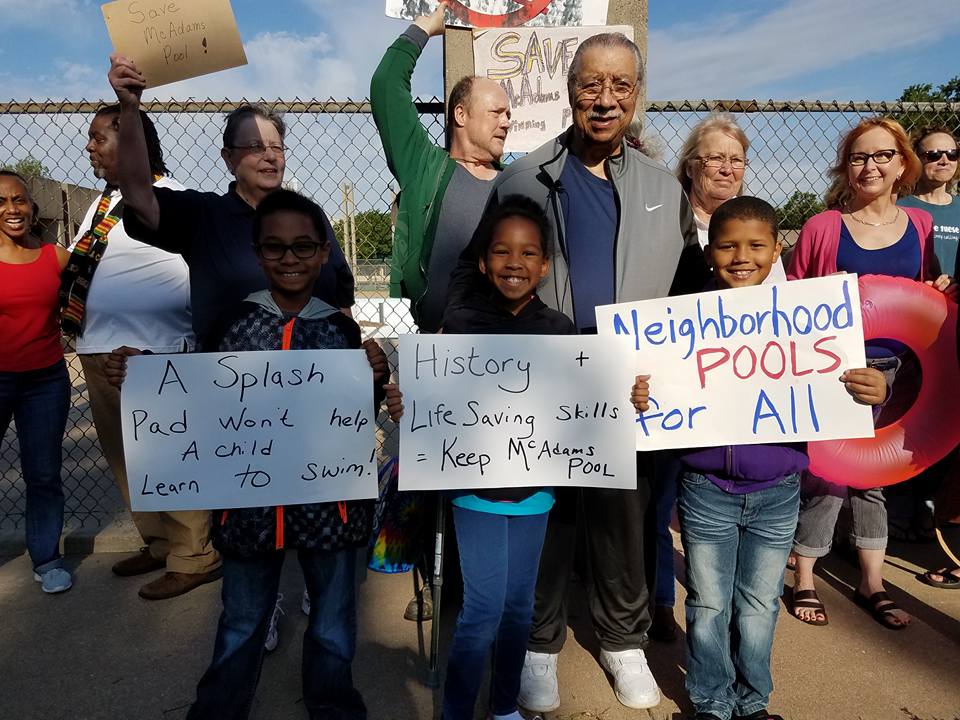
It is fitting that, of all the buildings that bear McAfee’s imprint, it is a public pool in the Wichita neighborhood where McAfee grew up that carries his name. The pool became a symbol of McAfee’s belief in civic infrastructure that is inclusive and built to last, its concrete and brick protecting a place to gather and celebrate the joys of everyday life.
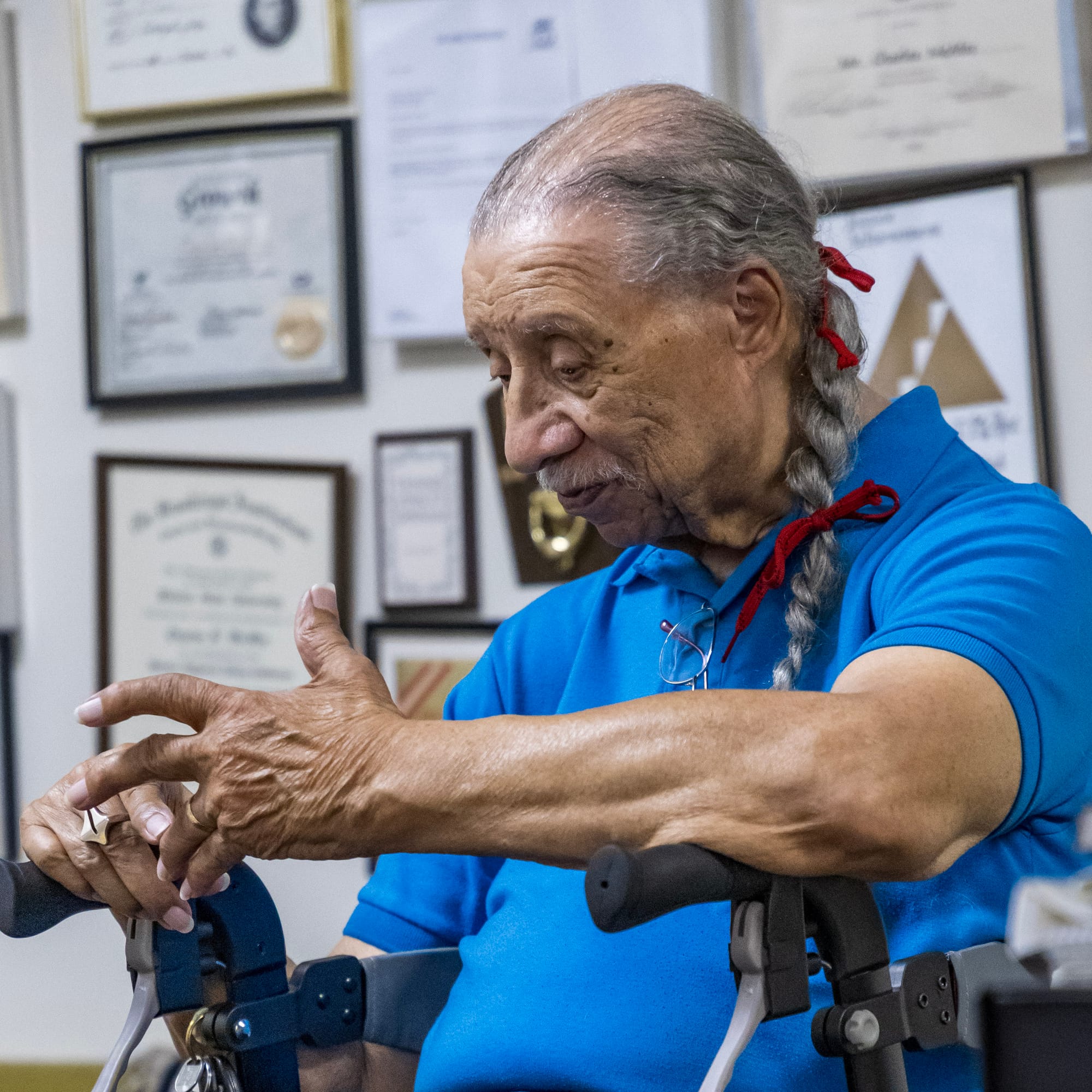
“What makes Charles McAfee significant in the lineage of Black American architects is that he used architecture as a means of strengthening communities,” says Goetz, of the Action Fund. “His work demonstrates how architecture can be a tool for civic leadership and social change.”
When asked when he felt the most satisfaction in his decades-long career, McAfee does not point to a particular project or moment, though honors such as the Whitney M. Young, Jr. Award from the American Institute of Architects, which he was awarded in 1999, mean a great deal to him.
“It was a continuous joy,” he says. “It was a joy that I can now spread.”
Timothy A. Schuler is an award-winning writer and design critic whose work focuses on the intersection of the built and natural environments. He is a contributing writer at Places Journal and an editor at Landscape Architecture Magazine. His writing also regularly appears in Metropolis, Bloomberg CityLab, The Architect’s Newspaper, and FLUX Hawaiʻi, among other outlets. His essay, “The Middle of Everywhere,” about the largest remaining expanse of tallgrass prairie in North America, was included on a list of the most notable science and nature writing in The Best American Science and Nature Writing 2020. He lives in Manhattan, Kansas.
Blandine Siffray is currently a third-year landscape architecture student at Kansas State University who is interested in how stories and narratives shape the world we design around us.
Editor's Note: Thanks to McAfee3 for sharing archival images and detailed notes about Charles McAfee's Wichita projects, which informed many of the captions for the historic photos in this story.
❋ Derby man has the kind of voice that turns heads — and chairs
❋ Socializing while sober: how some Wichitans are cultivating alcohol-free communities
❋ As a small creative business closes, the owner mourns
❋ Painting through it: Autumn Noire on 20 years of making art
❋ How a guy from Wichita resurrected 'Dawn of the Dead'
❋ Bygone Friends University museum housed curious collections
Support Kansas arts writing
The SHOUT is a Wichita-based independent newsroom focused on artists living and working in Kansas. We're partly supported by the generosity of our readers, and every dollar we receive goes directly into the pocket of a contributing writer, editor, or photographer. Click here to support our work with a tax-deductible donation.